







Category: Coffee Knowledge
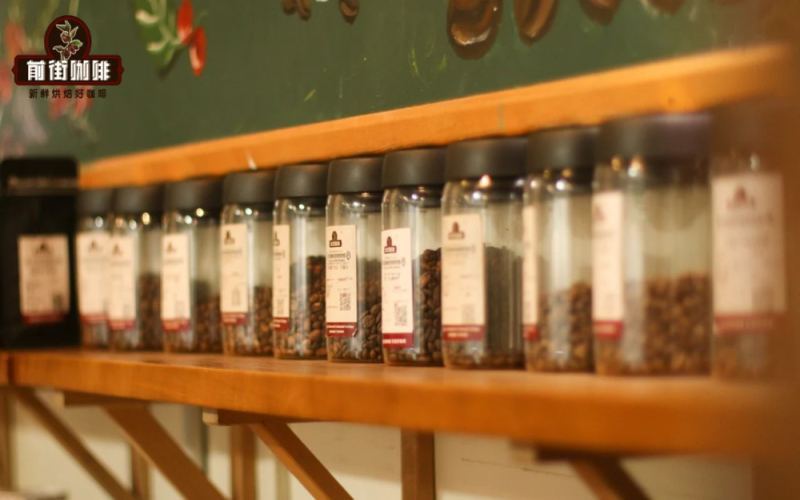
Flavor Analysis and Recommendations of Single-Origin Coffee Beans from Three Continents | Beginner’s Guide to Selecting Beans for Pour Over
Gain an in-depth understanding of the definition and regional characteristics of single-origin coffee beans, and learn how to choose beans that suit your flavor preferences. This article selects representative beans from Asia, Africa, and Latin America, providing detailed introductions to each bean’s origin, altitude, variety, processing method, and unique flavor profile. With practical guidance, it helps beginners establish a clear mindset for bean selection and enjoy the layered pleasures of pour over coffee. [more…]
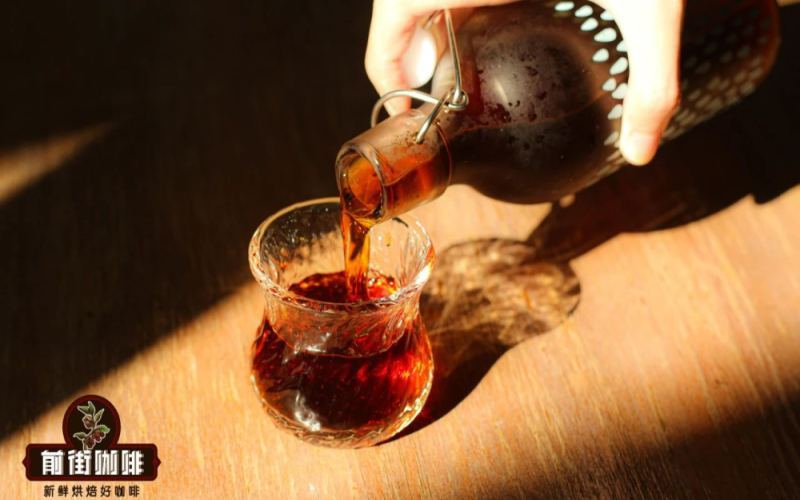
How to Choose Between Ice Drip and Cold Brew Coffee? Understand Everything from Brewing Principles to Flavor Differences
Both ice drip and cold brew are types of coffee extracted at low temperatures, but they differ in historical origins, equipment design, brewing processes, and final flavor profiles. This article provides an in-depth analysis of their core differences—from the layered dripping of the ice drip device to the steeping process of cold brew—explaining in detail the coffee-to-water ratio, brewing time, and methods for achieving optimal flavor. It also offers practical blend recommendations to help coffee enthusiasts make choices based on their taste preferences. [more…]
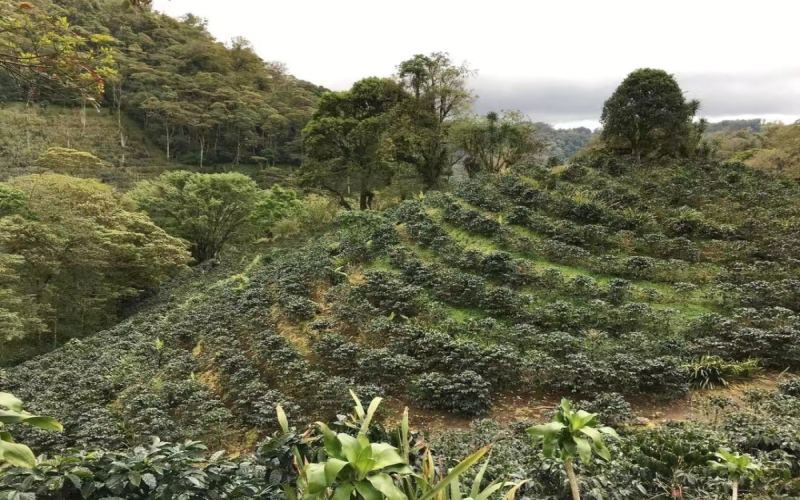
Complete Guide to Guatemalan Coffee Regions: 8 Flavor Profiles, Processing Methods & Brewing Tips
Want to deeply understand the unique charm of Guatemalan coffee? This article provides a detailed breakdown of the essence of this Central American coffee kingdom—from the flavor differences across eight major regions, altitude and hardness grading standards, to how washed and natural processing methods affect flavor. It also includes practical brewing parameters and variety characteristics to help you master the essence of Guatemalan coffee from bean selection to brewing. [more…]
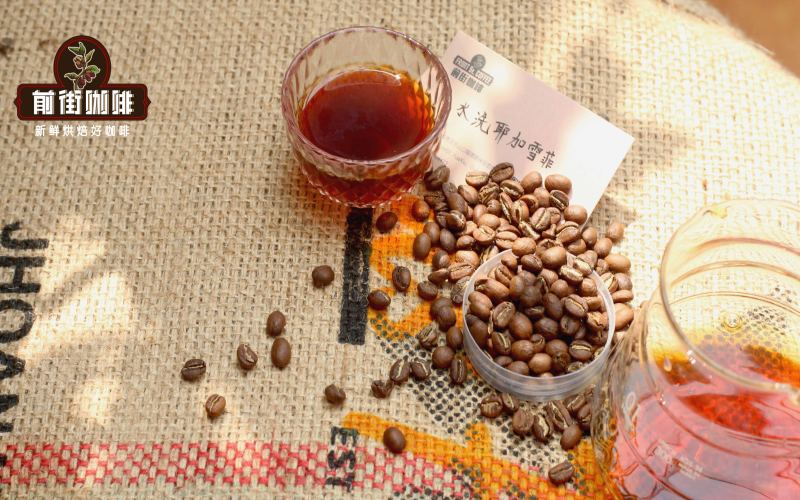
Recommended Coffee Beans with Bright Acidity | Flavor Analysis and Pour Over Brewing Parameter Guide
For coffee drinkers who enjoy bright acidity in their cup, finding the right single-origin beans among a wide selection can be a delightful challenge. This article delves into classic beans with prominent acidic profiles from regions such as Africa and Central and South America — including Ethiopia Yirgacheffe, Kenya AA, and Tanzania Kilimanjaro — and provides insights on roast levels, cupping characteristics, and pour over brewing recommendations. This will help you discover your ideal bright acidity coffee experience based on personal taste preferences. [more…]
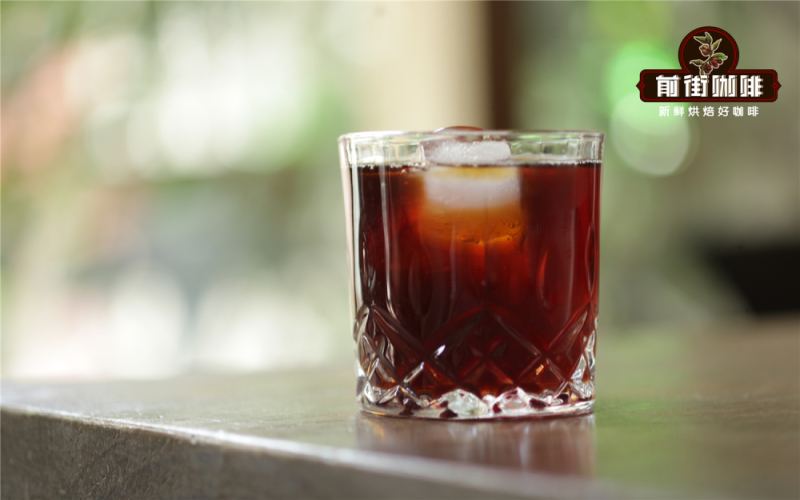
How to Choose Between Cold Drip and Cold Brew Coffee? Flavor Differences, Brewing Analysis, and Drinking Recommendations
Both cold drip coffee and cold brew coffee belong to low-temperature extraction methods, but they differ significantly in technique, time required, and flavor profiles. This article delves into the brewing principles of both, key parameters (such as grind size, coffee-to-water ratio, and dripping speed), and uses light-roast washed Yirgacheffe as an example to help you intuitively experience the vinous freshness of cold drip and the fruity richness of cold brew. This will assist you in choosing the cold-brewed coffee method that best suits your taste preferences. [more…]
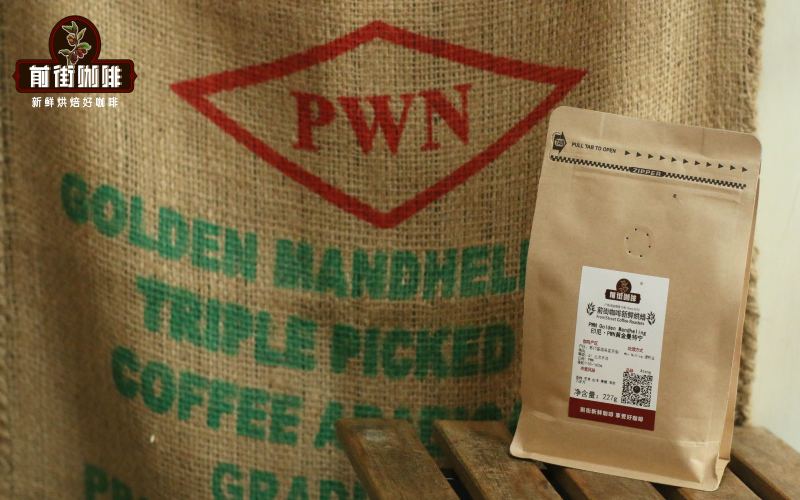
Complete Guide to Indonesian Mandheling Coffee: Regions, Wet-Hulling Process, and Four Classic Flavor Profiles
Mandheling coffee from Sumatra, Indonesia, is renowned for its distinctive herbal and spicy notes and rich body. This article delves into the core terroirs of its main producing regions, the key steps and principles behind the wet-hulling process, and introduces you to Indonesia’s coffee grading system. It also provides a detailed look at the origin characteristics and cupping flavor profiles of four representative Mandheling coffees—PWN Golden Mandheling, Lintong Mandheling, Tiger Mandheling, and Aged Mandheling—before offering professional-grade pour over parameters and techniques to help you fully master it. [more…]
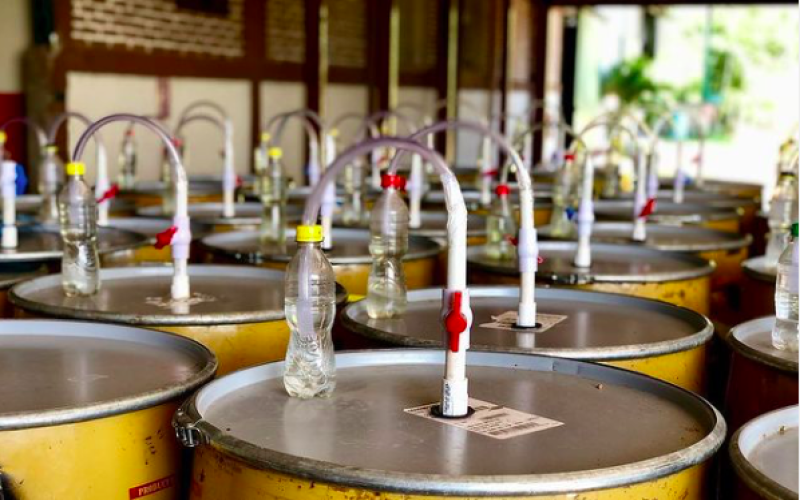
Complete Guide to Coffee Processing Methods: Enzymatic, Natural, Washed, and Honey – Differences and Flavor Profiles
The processing method of coffee beans is a key factor that influences the flavor of a cup of coffee. From traditional washed, natural, and honey processes to the enzymatic process that has garnered much attention in recent years, each technique features unique fermentation mechanisms and flavor expressions. This article delves into the principles, steps, and characteristics of these four major processing methods, and uses real-world examples to illustrate how different processing approaches shape the aroma, acidity, and sweetness of coffee—helping you better understand where each cup in your hand comes from. [more…]
A Complete Guide to Honey Processed Coffee Beans: From Yellow, Red, and Black Honey Classifications to Specialized Techniques and Flavor Differences
The honey process is one of the most distinctive methods in green coffee bean processing, widely popular in Central America and especially favored in Costa Rica. Compared to traditional washed and natural processes, the honey process retains varying degrees of mucilage, imparting a richer sweetness and more complex aroma to the coffee. This article delves into the historical origins of the honey process, the classification criteria for yellow, red, and black honey, the complete production workflow, and compares common flavor characteristics. It also explores two advanced techniques: anaerobic honey processing and raisin honey processing, helping [more…]

Mocha Beans, Mocha Drinks, and Moka Pots: A Complete Guide to the Origins and Differences of the Three "Mochas"
Have you ever been confused by the term "mocha"? From Yemeni Mocha coffee beans, Italian café mocha drinks, to the popular home-use Moka pots, these three share similar names but each has its own unique history and usage. This article delves into the origins, characteristics, and connections of these three "mochas," helping you understand their differences. It also offers recommendations for medium-dark roasted beans so you can brew a flavorful cup at home. [more…]
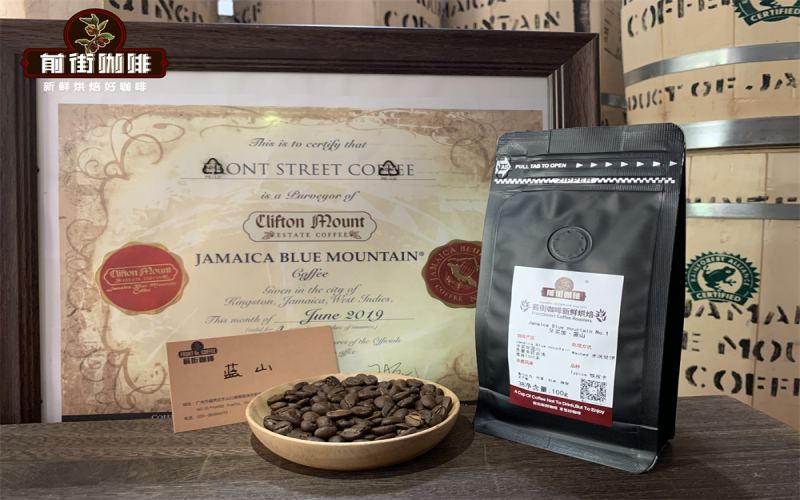
How to Choose Jamaican Blue Mountain Coffee Beans? Flavor Differences Between Washed and Natural Processing Methods & Pour Over Guide
Jamaican Blue Mountain coffee is renowned for its high price and delicate flavor, but do you know which coffee variety it belongs to? What’s the difference between washed and natural processing methods? This article delves into the origin regulations and varietal background of Blue Mountain coffee, provides a detailed comparison of the flavor profiles of the two processing methods, and offers practical three-stage pour over parameters so you can brew balanced and rich Blue Mountain flavors at home. [more…]
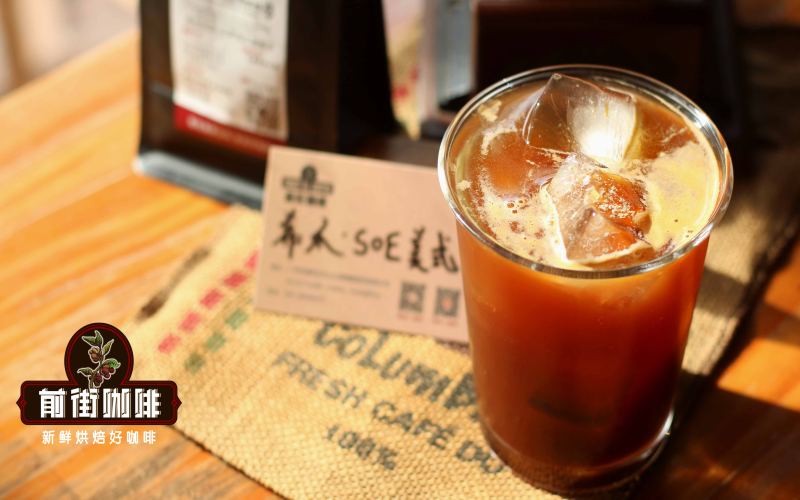
How to Make SOE (Single-Origin Espresso)? A Complete Guide to Flavor Analysis and Extraction Adjustments
In recent years, SOE (Single-Origin Espresso, or single-origin espresso) has become a trend in the specialty coffee scene. However, compared to common blended espresso, extracting and adjusting SOE demands more technical precision. This article delves into the differences between SOE and blended beans, explores whether light-roasted SOEs are inevitably overly acidic, and offers practical adjustment tips and reference data for common extraction issues such as excessive acidity, short aftertaste, and flat flavors. [more…]
How to Make Espresso with SOE Single-Origin Beans? A Complete Guide to Flavor and Extraction Techniques
SOE (Single Origin Espresso) single-origin beans have become increasingly popular in recent years, attracting many coffee enthusiasts with their distinct regional flavor profiles. This article delves into the differences between SOE and regular blended beans, explores the types of SOE beans suitable for espresso, and provides practical extraction parameters and step-by-step recommendations to help readers brew layered, flavorful espresso at home using single-origin beans. [more…]
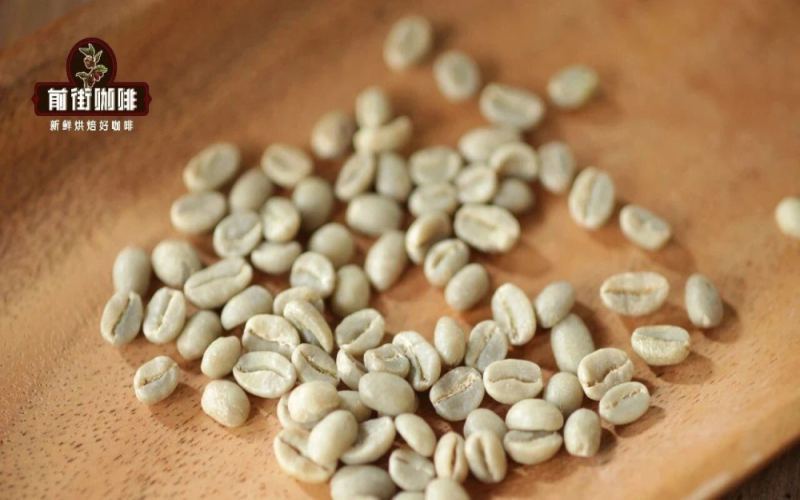
How to Roast SOE Coffee? A Comparison of Light, Medium, and Dark Roasts with Practical Recommendations for Four Flavorful Beans
Want to understand what roast level is best for Single-Origin Espresso (SOE)? From the bright fruit acidity of light roasts to the rich caramel sweetness of dark roasts, the roasting method directly impacts extraction performance. This article dives deep into how Maillard and caramelization reactions shape flavors, helping you master the key differences among light, medium, and dark roasts. We also recommend four SOE coffee beans that perform exceptionally well in practice, covering tropical fruit, hazelnut and cane sugar, fermented fruit, and chocolate–cream–peanut flavor profiles—helping you find the roast level that suits you best. [more…]

SOE Coffee vs Espresso: Which Is More Suitable for You? How to Avoid Overly Acidic Americano Made with Single-Origin Beans?
When you walk into a specialty coffee shop, SOE (Single Origin Espresso) might be the top recommendation, but how does it differ from traditional espresso blends? Does an americano made with single-origin beans always come out overly acidic? And can the popular Hua Kui bean excel in both americano and latte extractions? This article delves into the definition of SOE, its pros and cons, suitable scenarios, extraction parameters, and explores which single-origin beans are ideal for making SOE coffee, helping you find the choice that suits your taste. [more…]
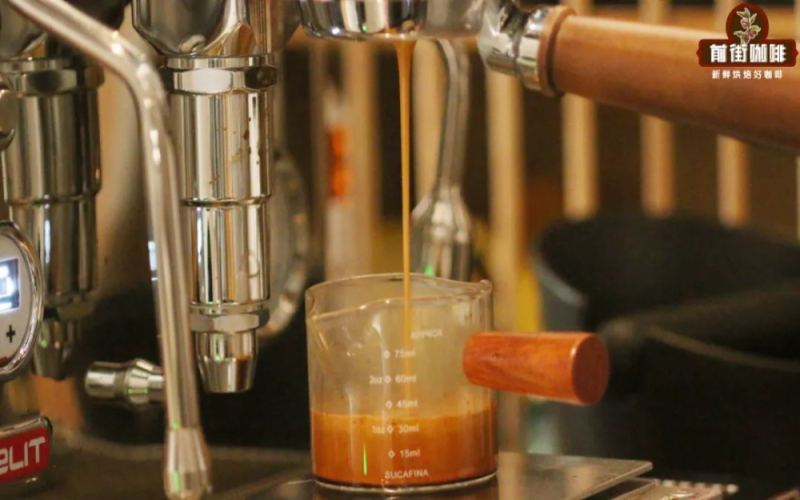
SOE Single-Origin Espresso vs. Italian Blended Beans: Flavor Analysis and Bean Recommendations
Single-origin espresso (SOE) and Italian blended beans each have their own unique characteristics in terms of flavor, roasting, and extraction performance. This article provides an in-depth analysis of the core differences between the two, covering flavor profiles ranging from bright fruity notes to rich, low-acidity profiles. It also recommends practical bean options including sun-dried red cherry, Brazilian yellow Bourbon, and Indonesian Mandheling, while exploring whether high-quality SOE is suitable for pour over brewing. This helps coffee enthusiasts make more precise choices based on their taste preferences. [more…]
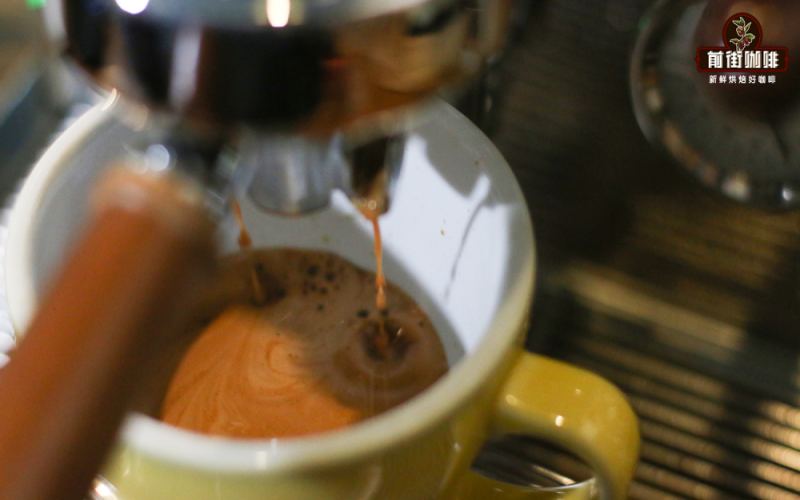
How to Choose Between Italian Blends and SOE Coffee Beans? A Complete Breakdown of Flavor Differences and Brewing Parameters
Want to understand the difference between Italian blends and Single Origin Espresso (SOE), as well as the Americano flavors each is suited for? This article delves into the three key benefits of blend coffee: cost control, flavor consistency, and creative versatility, while also exploring the characteristics of SOE. It also provides practical brewing parameter suggestions, including ratios for espresso, hot latte, and Americano, to help you make the best choice based on your taste preferences. [more…]
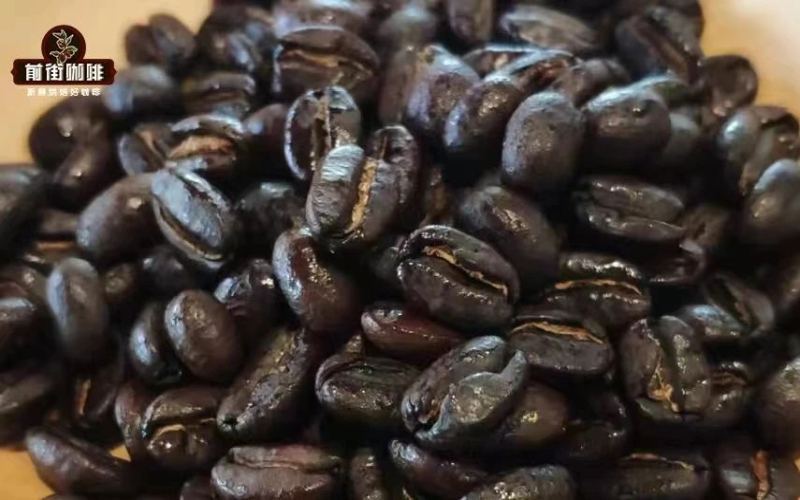
The Truth Behind Mandheling Coffee Oiling: Flavor & Roasting Analysis of PWN Golden Mandheling & Gayo Mountain Triple-Picked Beans
Oily surfaces on coffee beans often lead people to assume poor quality or prolonged storage, but in reality, it’s closely related to the roast level. This article takes two renowned Indonesian Mandheling coffees—PWN Golden Mandheling and Gayo Mountain Triple-Picked beans—as examples, conducting an in-depth analysis of their selection criteria, processing differences, varietal characteristics, and exploring the scientific principles behind oiling. It also provides practical roasting parameters, KONO filter pour over recommendations, and detailed flavor notes to help coffee enthusiasts better master Mandheling [more…]
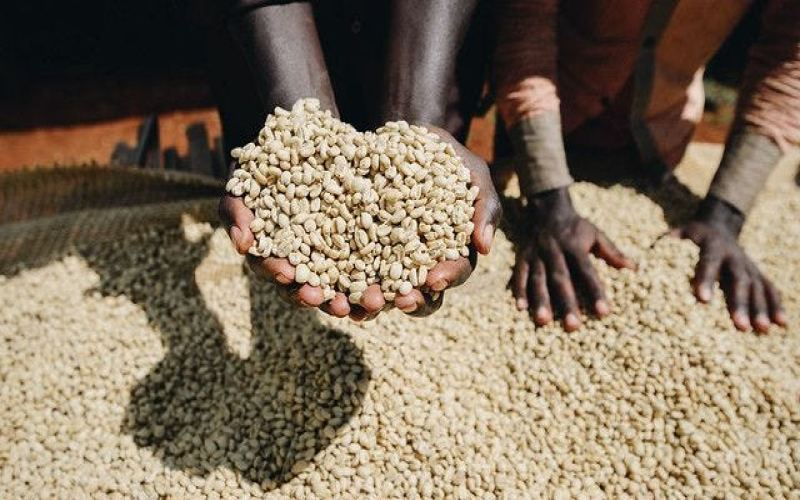
Analysis of the Differences Between Ethiopian Sidamo and Yirgacheffe Beans: A Complete Guide to Flavor, Processing Methods, and Pour Over Parameters
Sidamo and Yirgacheffe in Ethiopia are two of the most popular coffee-growing regions among specialty coffee enthusiasts worldwide. Although Yirgacheffe was once part of Sidamo, it was designated as a separate region due to its distinctive citrus notes and bright acidity. This article delves into the terroir, mainstream processing techniques, and roasting suitability of both areas, and provides comprehensive pour over recommendations and extraction parameters using examples such as the natural Yirgacheffe Aricha and the natural Guji Huikui, helping you gain a more precise understanding of these two exceptional beans. [more…]
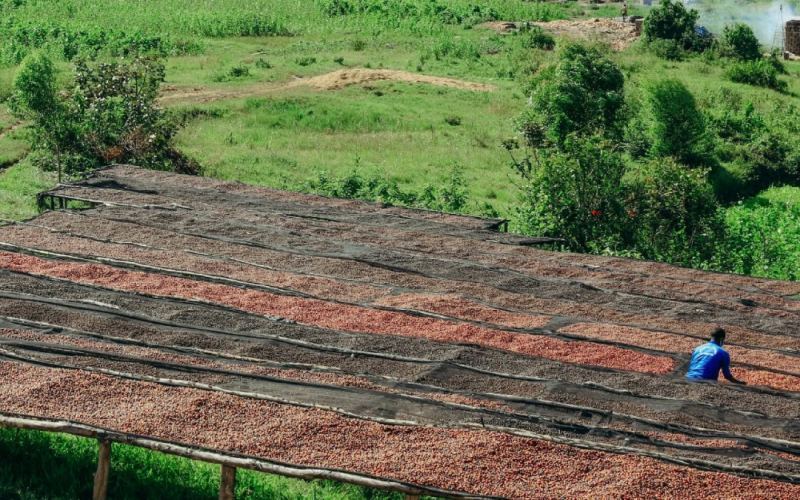
Complete Guide to Rwandan Gisheke Bourbon Washed Coffee: Region, Processing, and Pour Over Parameters
Rwandan coffee has been making waves in international competitions in recent years. Thanks to its high-altitude volcanic soils and washed processing techniques, it produces clean, bright profiles with notes of berries and citrus. This article delves into the characteristics of Rwanda’s key coffee-growing regions, traces the industry’s development from the colonial era to the present, and provides a detailed look at the Bourbon variety and washed processing method. It also offers practical roasting and pour over recommendations for Gisheke coffee beans, helping you master this well-balanced specialty coffee. [more…]
A Complete Guide to Kenyan SL28 and SL34 Coffee Varieties: How K72 Washed Processing Shapes Bright Acidity and Cherry Tomato Notes
Kenyan coffee is globally renowned for its vibrant acidity and clean profile, thanks to its distinctive K72 washed processing method and classic SL28 and SL34 varieties. This article delves into the details of the 72-hour cyclic fermentation technique, explores how high-altitude growing environments influence flavor, compares the characteristics of the SL series varieties, and provides background on the improved Ruiru11 and Batian varieties. It also outlines Kenya’s coffee grading system and offers practical roasting and pour over parameters to help you understand the cherry tomato-like notes. [more…]