







Introduction:Want to know what roast level is best for Single Origin Espresso (SOE)? From the bright fruit acidity of light roasts to the rich caramel sweetness of dark roasts, the roast profile directly impacts extraction performance. This article dives deep into how Maillard and caramelization reactions shape flavors, helping you grasp the key differences between light, medium, and dark roasts. We also recommend four SOE beans that excel in real-world use, covering tropical fruit, hazelnut-cane sugar, fermented fruit, and chocolate-cream-peanut profiles—to help you find the perfect balance between roast and extraction.
The same single-origin coffee bean can taste drastically different when used for pour over versus SOE—roast level is the key. Light roasts preserve vibrant floral and fruity acidity but can taste overly sharp under high-pressure extraction; dark roasts deliver intense caramel richness but may mask the unique characteristics of the origin. So, how should SOE be roasted? We’ll explore the chemistry behind Maillard and caramelization reactions to understand how they influence flavor profiles, clarify the traits of different roast levels, and recommend four practical SOE beans.
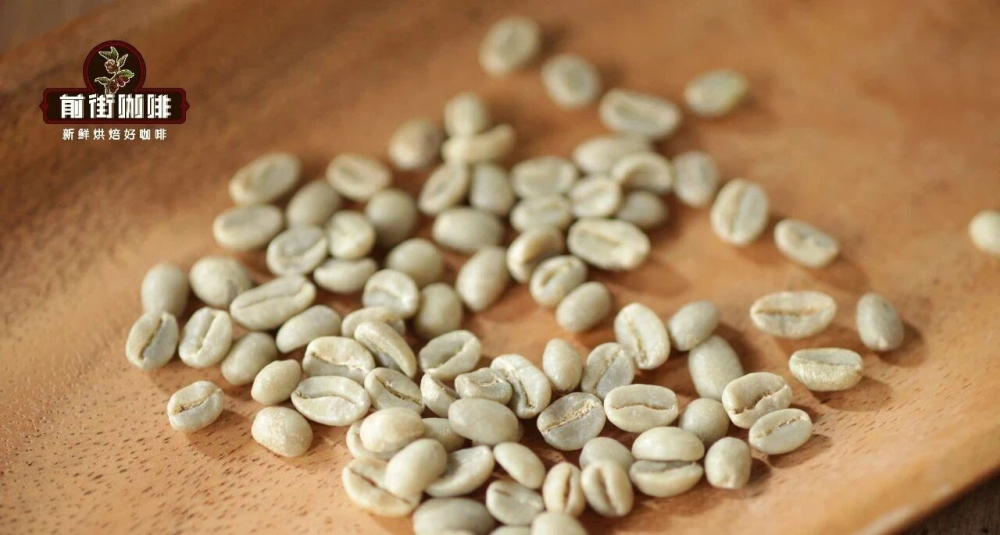
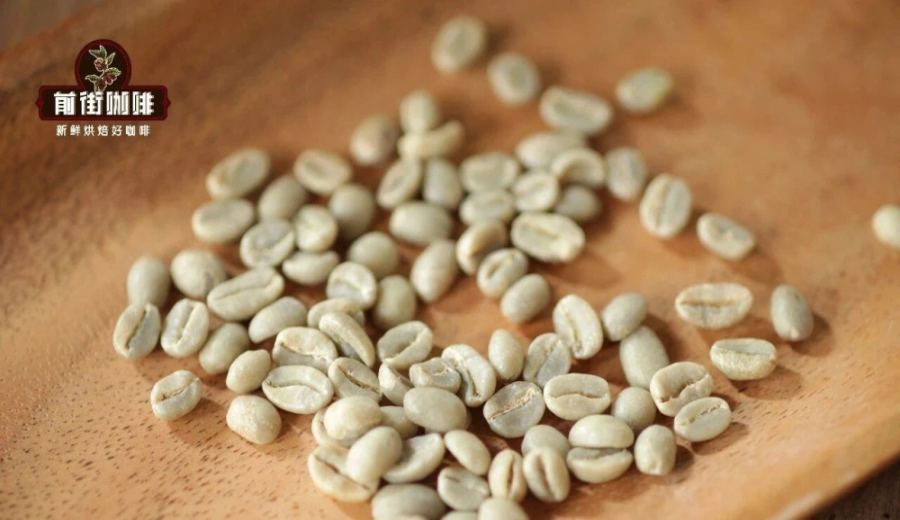
The flavor of roasted coffee beans stems from the transformation of various compounds in green beans under high-temperature roasting. The types and proportions of substances generated during these processes directly determine the final cup profile. According to industry-standard assessments, green bean quality accounts for about 60%, roasting for 30%, and extraction for just 10%. This highlights the critical role roasting plays in a coffee’s ultimate expression.
Within the roasting process, Maillard and caramelization reactions are the two most essential chemical processes. The Maillard reaction occurs between sugars and amino acids, generating hundreds of complex flavor compounds under high heat—this is a key source of coffee’s unique aroma and directly affects the final color of the bean surface. Caramelization, meanwhile, involves the dehydration, decomposition, and browning of sugars during heating, further darkening the beans while releasing enticing aromatics and acidic components.
Together, these two reactions shape a coffee’s aroma and color. To master a coffee’s overall flavor, the balance of acidity, sweetness, and bitterness is key. Generally, the longer the roast, the more acidity diminishes and bitterness increases—in other words, the darker the roast, the more pronounced the bitterness.
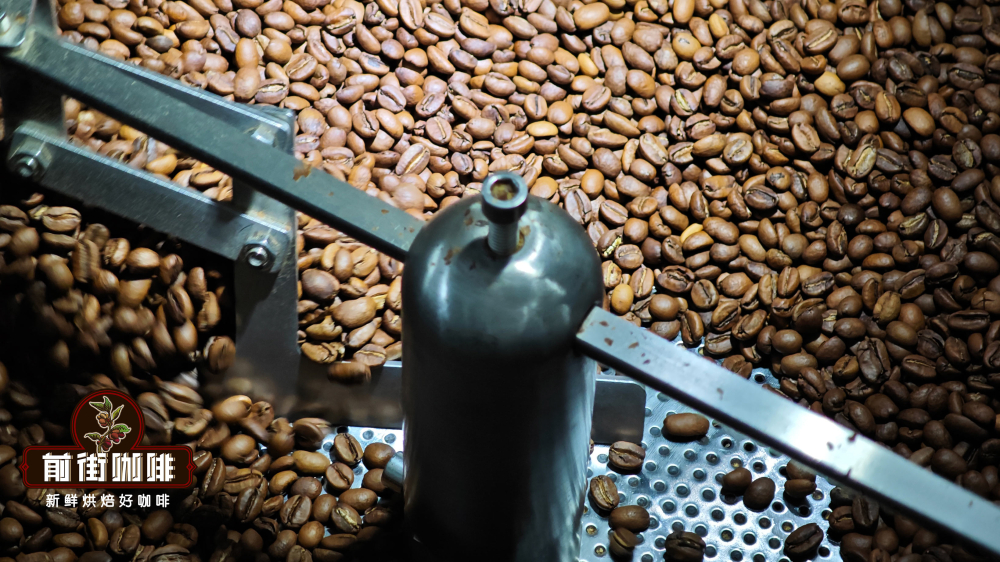
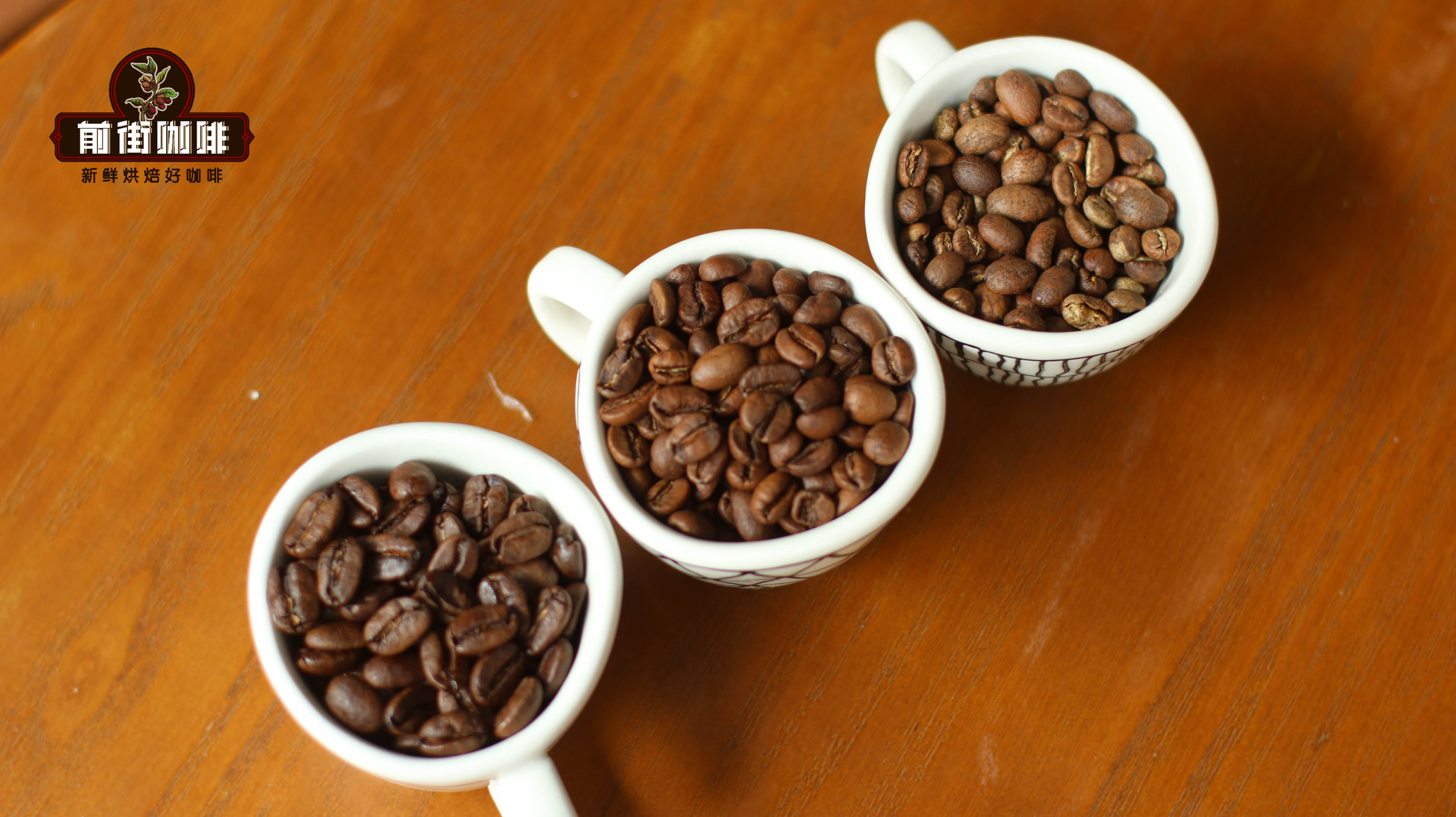
Traditional roasting methods often lean toward dark roasts to deliver bold, full-bodied flavors while effectively suppressing potential off-notes in green beans. However, with the rise of specialty coffee, the uniqueness of origin-specific flavors has become a focal point. Clean, bright acidity and well-defined sweetness have made light roasts increasingly popular. Typically, the darker the roast, the more pronounced caramelization; to preserve more innate fruit acidity and floral notes, a lighter roast approach is preferred.
Commonly, roast levels on the market can be broadly categorized into three types: light, medium, and dark.Light RoastTake a certain washed Guji DDT Cooperative SOE, for example—it emphasizes fruit-forward notes, with bright floral and fruity acidity and lively, refreshing acidity;Medium RoastSuch as a certain Brazilian Queen Estate SOE, which uses nuts as a base, layered with intertwined aromas of caramel, cocoa, and malt, showcasing a well-defined flavor profile;Dark RoastLike a certain PWN Golden Mandheling SOE, which features a pronounced chocolate bitterness in the aftertaste, low acidity, and complex notes of spices, wood, and smokiness.
Many intuitively equate acidity with light roasts and bitterness with dark roasts, but the logic is far more nuanced. Roast level selection must be tailored not only to the flavor characteristics of the origin but also to reflect the roaster’s unique style identity to stand out in the market. For professional roasters, it’s not just about designing the optimal roast curve for each bean but also ensuring consistent quality output at scale. In short, to fully unlock a coffee bean’s complex aromas, deep understanding of bean characteristics and roasting principles is essential—along with extensive hands-on experience.
So, what roast level is suitable for SOE? SOE stands for “Single Origin Espresso,” meaning espresso made from a single-origin bean. Compared to common blended espressos, SOE’s core lies in showcasing the unique personality of a single origin. For instance, the floral and fruity notes commonly found in African beans—if roasted lightly, they may present refreshing citrus or lemon acidity in pour over, but under the high pressure of an espresso machine, these flavors can be amplified, leading to overly sharp or sour shots.
The challenge of roasting SOE lies in balancing the origin’s highly distinctive regional flavors with the high-pressure environment of espresso extraction. Take Yirgacheffe, for example—its bright, zesty citrus and lemon acidity are signature traits, while Blue Mountain is defined by sweet dark chocolate and caramel notes. Choosing too light a roast to preserve these characteristics can lead to imbalance during extraction; but opting for a dark roast may suppress the bean’s inherent vibrancy and complexity.
Additionally, technical control during extraction is crucial. Lighter-roasted beans are typically denser; under-extraction can result in thin, dull shots, while over-extraction may bring overly intense, harsh flavors. Achieving balanced extraction requires baristas to fine-tune multiple parameters, including brew time, water temperature, grind size, dose, and yield—another reason why SOE is challenging to perfect.
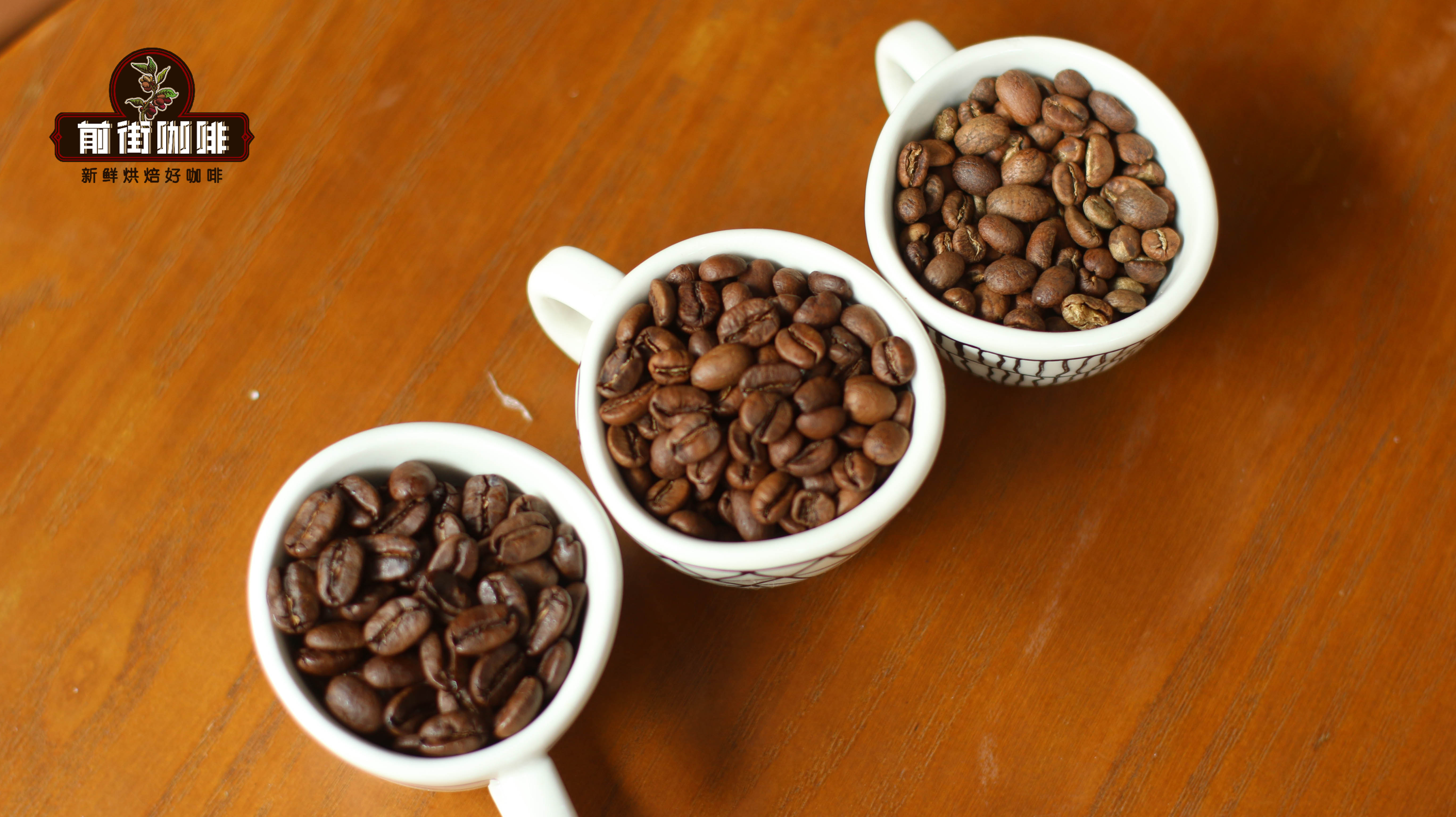
For SOE production, a medium roast is recommended, as it generally offers a more balanced flavor profile and helps stabilize extraction performance. Below are four battlefield-tested recommendations with different flavor orientations for you to choose based on preference:
Tropical Fruit: Crisp and SweetA certain sundried Red Cherry SOE—originally intended for pour over, this Yirgacheffe bean is sundried with intact fruit pulp, absorbing ample sugars for prominent sweetness. When used for espresso (with slight grind adjustment), it produces a fine, pale-yellow crema with berry-like sweetness. The cup balances tangy berries and caramel, and when paired with hot milk, reveals a honey-like richness.
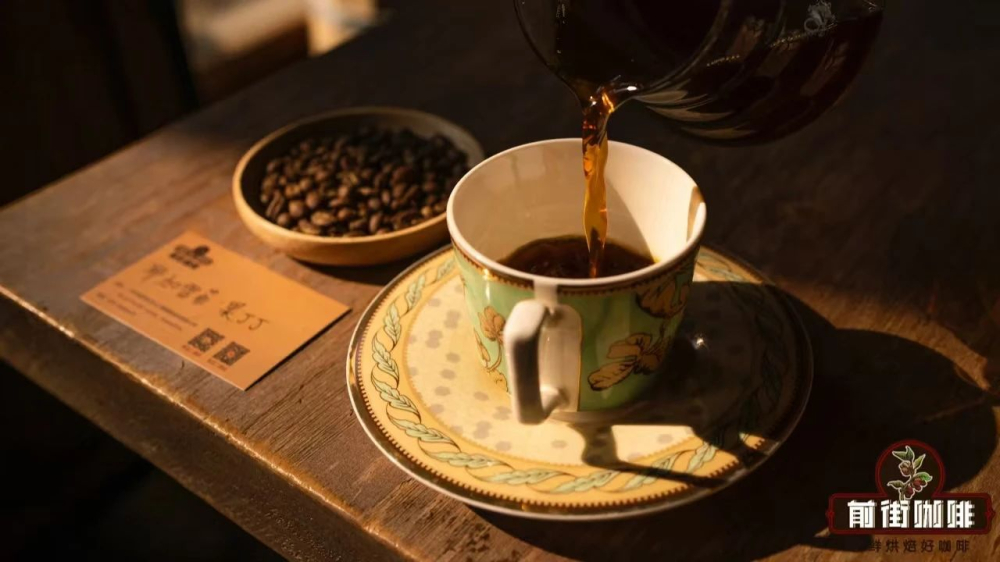
Hazelnut-Cane Sugar: Sweet and RichA certain PNG Paradise Bird SOE—this washed bean, dubbed the “Little Blue Mountain,” hails from Papua New Guinea and boasts robust aromatics. As a pour over, it shows toasted bread sweetness and a nutty finish, but as an SOE, it releases roasted hazelnut and chocolate notes, alongside sweet melon and cane sugar undertones.
Fermented Fruit: Bold and ComplexA certain Costa Rican Mozart SOE—processed via grape raisin honey method, it retains the mucilage layer and undergoes sealed fermentation, significantly boosting sweetness. As a pour over, it expresses rose floral notes and the high sweetness of raisins, but as an SOE, it unfolds rich tropical fruit and fermented aromas with layered complexity.
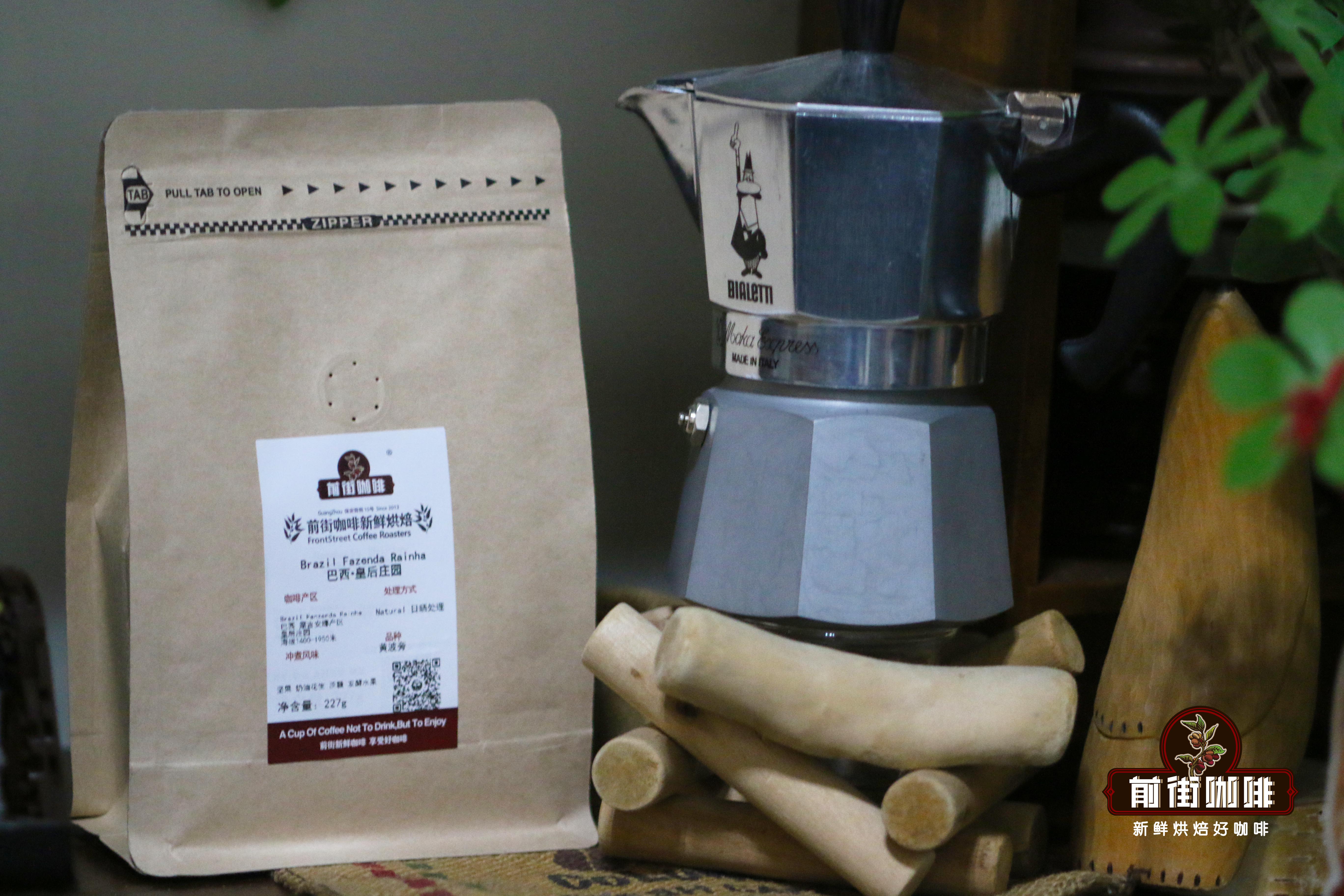
Chocolate-Cream-Peanut: Smooth and DecadentA certain Queen Estate SOE—a medium-dark roast bean from Brazil, it carries intense nutty, creamy, and peanut aromas, with a sweet chocolate finish. The resulting SOE boasts a rich crema, excelling as both a straight shot or paired with milk for a full-bodied cup.
In summary, there’s no absolute right roast for SOE—but understanding the interplay of Maillard and caramelization reactions, along with the balance of acidity, sweetness, and bitterness, will help you select the ideal roast level and bean to craft a memorable espresso experience tailored to your desired flavor profile.
The above content is compiled by CoffeeHunters, a coffee news website.


