







Category: Coffee Knowledge
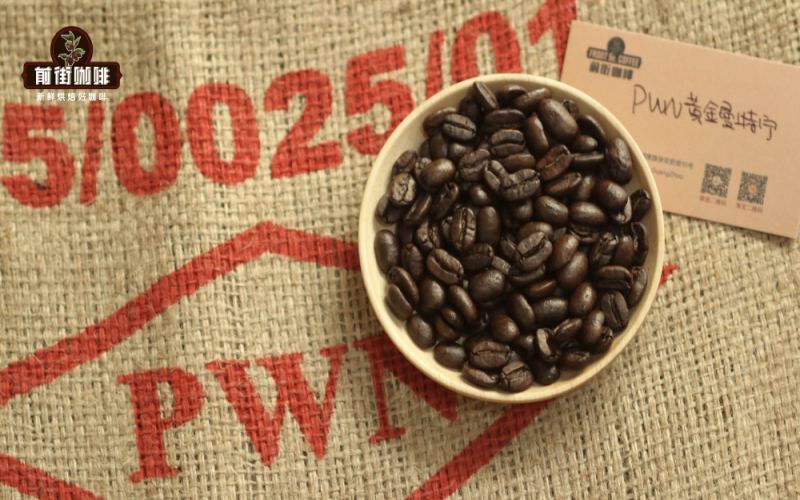
How to Brew Indonesian Mandheling Coffee? Flavor Differences Between Wet-Hulled and Washed Methods & Pour Over Tips
Indonesian Mandheling coffee is renowned for its distinctive herbal notes and full-bodied flavor, and the key lies in the unique processing method known as "wet-hulling." This article delves into the differences in processing between wet-hulled, washed, and semi-washed methods, explores how they influence the final flavor profile, and provides Mandheling bean selection tips and practical pour over parameters to help you better appreciate the charm of this classic coffee. [more…]
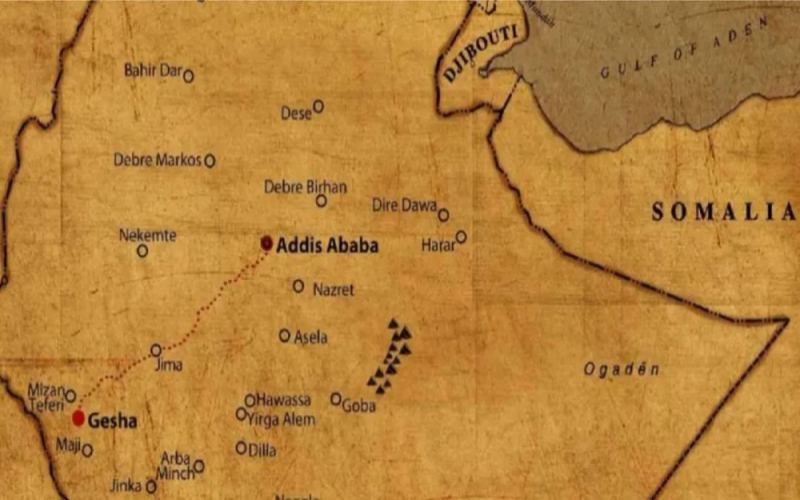
Ethiopian Green Label Gesha vs Panamanian Green Label Gesha: A Comprehensive Analysis of Flavor Differences and Variety Origins
This article provides an in-depth analysis of the key differences between the Ethiopian Gesha Village Green Label and the Panamanian Emerald Green Label Gesha in terms of variety origin, processing methods, and cupping performance. It helps readers clarify common points of confusion between the two and understand the diversity of Green Label Gesha through actual flavor profiles, offering clear guidance for selection and brewing. [more…]

A Detailed Guide to the 5 Grades of Ethiopia Gesha Village: From Auction to Chaka, Flavor Profiles & Buying Tips
Ethiopia Gesha Village is one of the few large-scale farms in the world dedicated exclusively to the Gesha variety. Its coffees are categorized into five grades: Auction, Gold, Red, Green, and Chaka. This article provides an in-depth analysis of each grade’s origin, processing method, flavor characteristics, and market positioning, along with recommended professional roasting and pour over parameters to help coffee enthusiasts make informed choices based on taste preferences and budget. [more…]
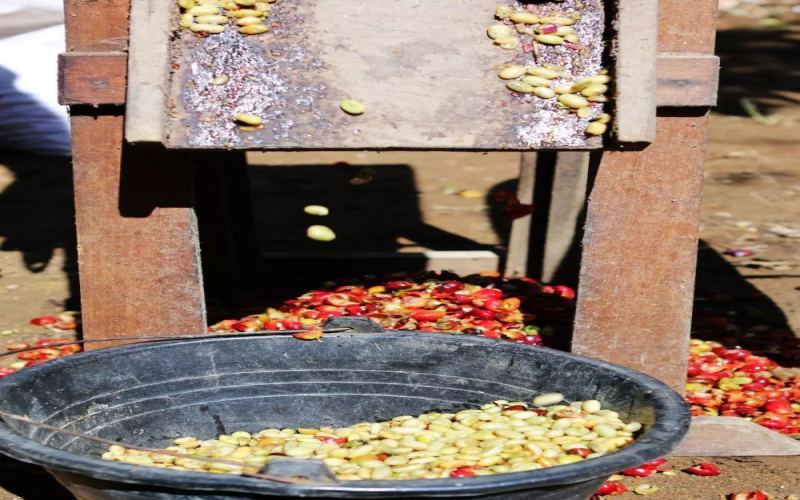
Analysis of Indonesia's Mandheling Wet-Hulled Processing Method: Origins, Horsehoe Bean Formation, and Three Classic Bean Flavor Profiles
Indonesian Mandheling coffee is renowned for its distinctive earthy and spicy flavors, which are closely tied to its unique wet-hulled processing method. This article delves into the historical background and operational procedures of the wet-hulling process, explores the causes behind the horseshoe-shaped beans, and compares the differences between second and third manual sorting practices at Indonesian processing mills. Finally, it recommends three classic wet-hulled Mandheling beans—including Golden Mandheling, Tiger Mandheling, and Lintong Mandheling—detailing their growing regions, altitudes, varieties, and flavor characteristics to help you find your ideal coffee experience. [more…]
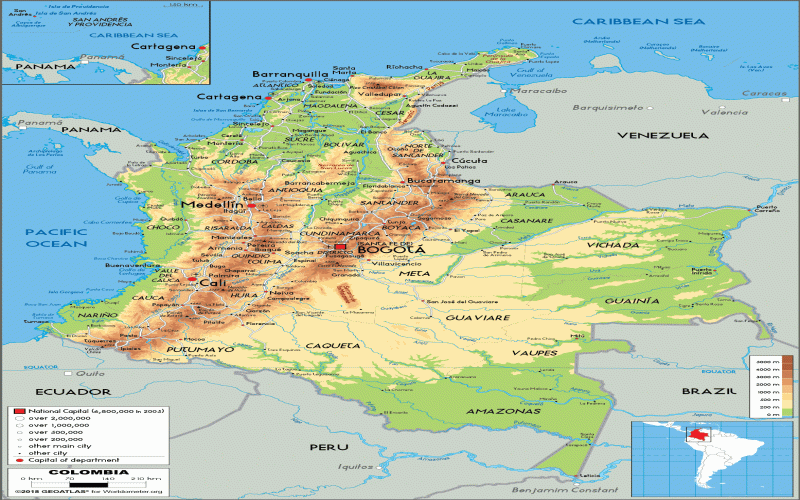
How to Brew Colombian Huila Coffee? A Complete Guide to Flavor, Region, and Pour Over Parameters
Colombia’s Huila Province produces Arabica coffee with rich flavor layers thanks to its high altitude and fertile volcanic soil. Its notes of nuts, chocolate, and caramel are beloved by coffee enthusiasts worldwide. This article delves into the geographic advantages and green bean grading system of the Huila region, and offers practical advice on washed processing and pour over brewing to help readers master the optimal extraction method and experience the pure charm of Colombian coffee. [more…]

A Complete Guide to Specialty Arabica Coffee Bean Varieties and Regional Flavors | Pour Over Coffee Bean Selection Guide
Understanding the differences in coffee bean varieties and regions is the first step in selecting beans that suit your taste. This article provides an in-depth analysis of the main characteristics of Arabica coffee bean varieties, and compares flavor profiles from different regions such as Costa Rica, Ethiopia, and Panama. From honey process to washed and natural, it helps you grasp the unique aromas and flavors of coffees from around the world—serving as a selection guide for pour over coffee enthusiasts. [more…]
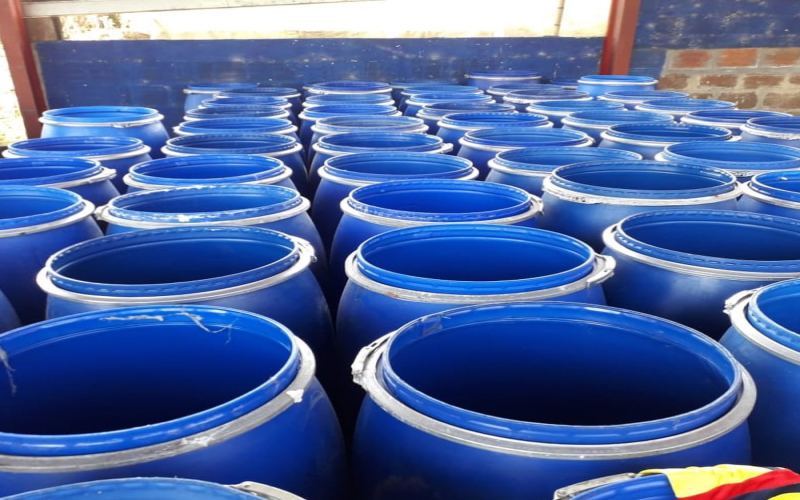
A Comprehensive Guide to Specialty Coffee Processing Methods: Anaerobic, Wine Barrel, and Red Wine Fermentation Flavors Unveiled
In recent years, the specialty coffee market has seen the rise of various unique processing methods—from anaerobic fermentation to wine barrel aging. How do these innovative techniques influence coffee flavors? This article delves into mainstream specialty processing methods such as anaerobic fermentation, wine barrel fermentation, and red wine maceration, exploring their processing principles, key parameters, and typical flavor profiles to help you make smarter choices and better appreciate these distinctive coffee beans. [more…]
Ethiopian Gold Label Geisha vs. Panamanian Geisha: Flavor Differences and Processing Secrets
Did you know? Although Geisha coffee is renowned for Panama, its original variety actually originates from Ethiopia. This article delves into the origin background, variety characteristics, and processing methods of the Gold Label Geisha from Gesha Village Estate in Ethiopia, and compares its flavor profile with that of Panamanian Geisha—exploring both similarities and differences. Whether you’re a coffee enthusiast or a beginner, you’ll learn how to identify the unique character of Geisha through its origin and processing method. [more…]
Complete Guide to Sumatra Mandheling: Wet-Hulled Processing, Five Classic Flavor Profiles, and Pour Over Parameters
Sumatra Mandheling is renowned for its rich and bold flavor profile, especially the unique wet-hulled processing method that imparts deep herbal and chocolatey notes to the beans. This article provides an in-depth exploration of Mandheling’s historical roots, the origins of PWN Golden Mandheling, and a detailed introduction to five representative Mandheling bean varieties—including Lintong, Tiger, aged, and Wahana natural—breaking down everything from regional characteristics and processing techniques to flavor profiles. It also offers professional roasting advice and practical pour over parameters, guiding coffee enthusiasts... [more…]
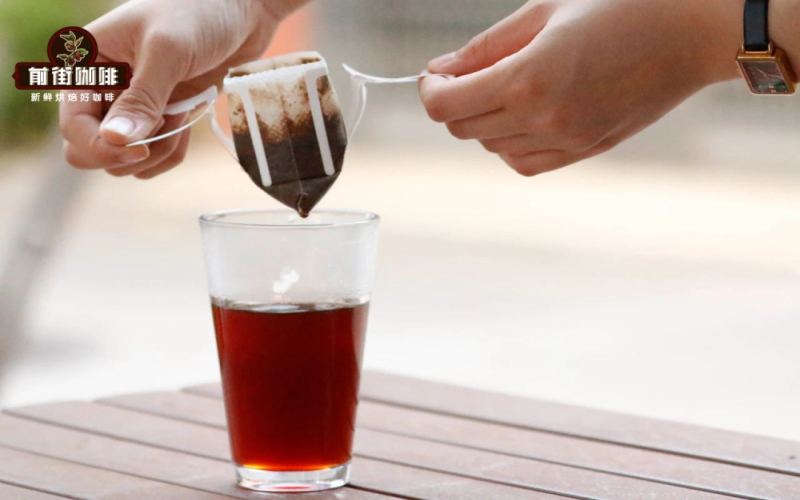
Analysis of Pour-Over Filter Bag Brewing Frequency & Flavor | Proper Pour-Over Techniques & Storage Tips
Filter bag coffee combines the flavor of freshly ground beans with convenience, making it a daily choice for many coffee enthusiasts. But can a single filter bag be brewed multiple times? What are its flavor characteristics? This article explains in detail the definition of filter bag coffee, the correct brewing steps, how to achieve the best flavor expression, as well as storage precautions. It also provides professional answers to common questions such as "Can it be reused?" to help you fully experience the complete potential of each bag. [more…]
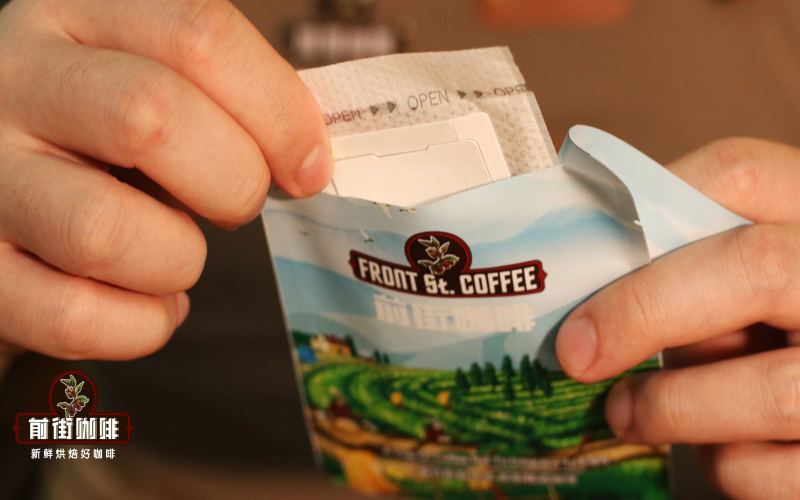
The correct way to brew drip bags and why they shouldn't be reused? Brewing principles + recommended flavor beans
Drip bags are favored by many coffee enthusiasts for their convenience and have become a top choice for daily consumption, especially suitable for office, commuting, and travel scenarios. However, many wonder if they can be brewed multiple times like tea. This article explains the correct brewing steps for drip bags, analyzes the scientific principles of coffee extraction rates, clarifies why reuse is not recommended, and recommends several high性价比 and flavorful drip bags to help you choose products that suit your taste. [more…]
How to Brew Colombian Huila Coffee? Can Filter Bags Be Reused? A Complete Guide to Flavor & Brewing
The Colombian Huila region is renowned for its consistently high-quality coffee. Its beans boast a delightful profile of nuts, caramel, and berry acidity, making them a staple choice for many coffee enthusiasts. This article delves into the geographical conditions of the Huila region, the characteristics of its mainstream coffee varieties, and the washed processing method, offering you an in-depth understanding of the flavor profile of this classic coffee. It also provides a detailed guide on the correct way to brew filter bag coffee, the optimal water temperature, key precautions, and debunks the common question of whether filter bags can be reused—helping you get the most out of every [more…]
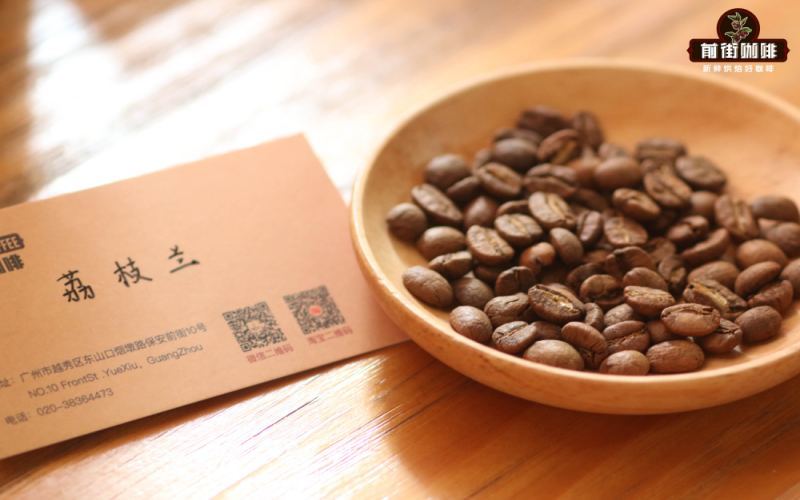
Honduras Litchi Orchid Pour Over Guide: Brandy Barrel Fermentation Process and Extraction Techniques with Three Brewing Devices
These Honduras Litchi Orchid coffee beans from the Mazagua region, fermented in brandy barrels, boast unique wine-like aromas and honey-sweet flavors. This guide delves into the connection between the bean’s growing region, variety characteristics, and its special processing method. It also provides precise recommendations on grind size, water temperature, brew ratio, and manual brewing tips for three commonly used devices — the cake filter, Hario V60, and French press — helping you recreate a professional-level richness and fruity layered profile at home with ease. [more…]
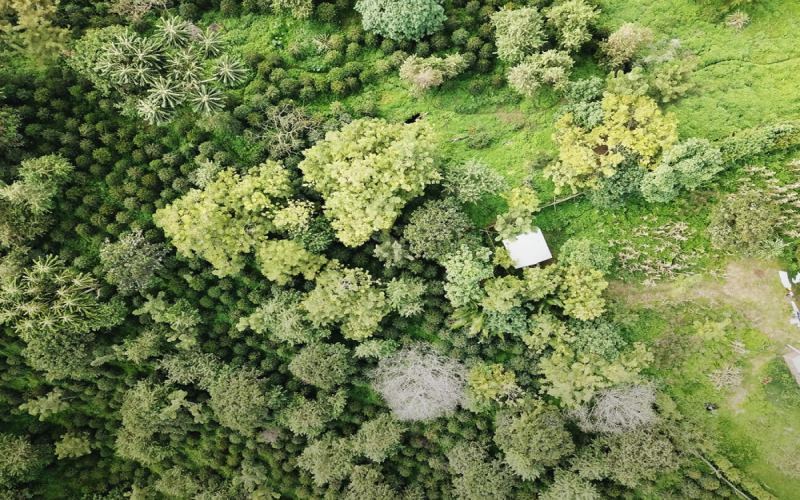
Complete Guide to Flavor Profile & Growing Background of Ethiopian Gesha Village Green Label Natural Coffee Beans
Did you know that Gesha coffee actually originated in Ethiopia, not Panama? This article takes an in-depth look at the green label natural Gesha coffee beans from the Ethiopian Gesha Village Estate, covering everything from the growing environment, variety origins, processing methods to cupping and pour over parameters. It will give you a comprehensive understanding of these uniquely flavored coffee beans. Whether you're a beginner or an advanced coffee enthusiast, you'll find practical information and inspiration here. [more…]
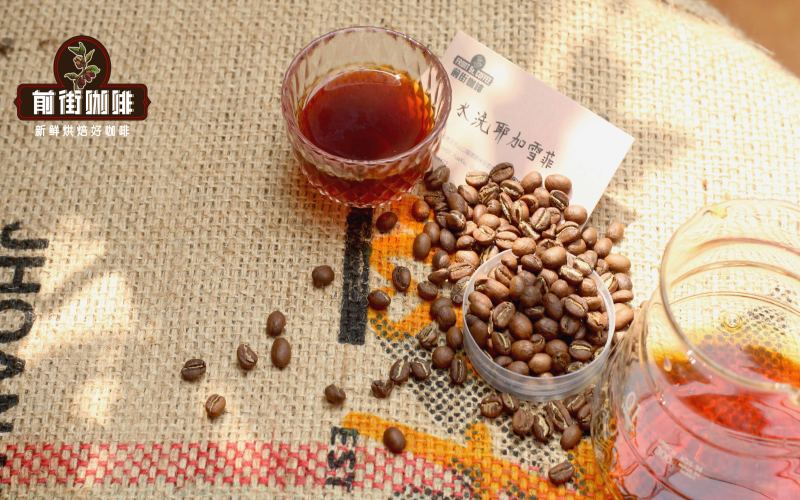
A Comprehensive Guide to Yirgacheffe Coffee Beans: Regional Characteristics, Processing Methods, and Three Classic Flavor Profiles
Yirgacheffe is globally recognized by specialty coffee enthusiasts as one of the classic coffee-growing regions, renowned for its bright acidity and citrus and floral flavor notes. This article delves into the evolution of the Yirgacheffe region, the ECX grading system, its geographical and cultivation environment, as well as the uniqueness of the native Heirloom variety. It also provides a detailed analysis of how processing methods such as washed and natural affect the flavors. Finally, three representative flavor profiles are recommended to help readers make more precise choices based on their personal preferences. [more…]
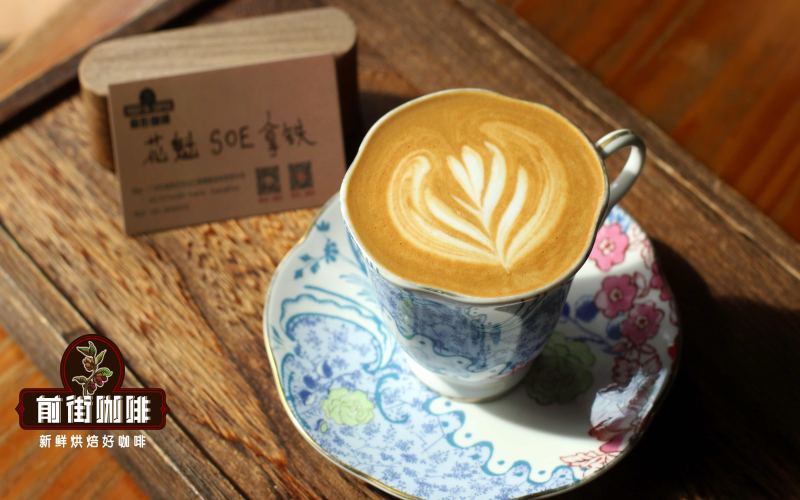
How to choose an SOE espresso? Differences between single-origin beans and SOEs, roasting techniques, and extraction recommendations
SOE (Single Origin Espresso), as an important branch of specialty coffee, has garnered increasing attention from coffee enthusiasts in recent years. But how is it different from regular single-origin coffee? Why do some shops choose not to offer SOEs? This article delves into the definition of SOE espresso, its distinction from single-origin beans, and explores how to bring out its unique flavors through roast profiles, extraction parameters, and milk pairings. It also recommends suitable [more…]
A Big Flavor Comparison of Central and South American Coffees: An In-depth Look at the Characteristics of Five Major Origins
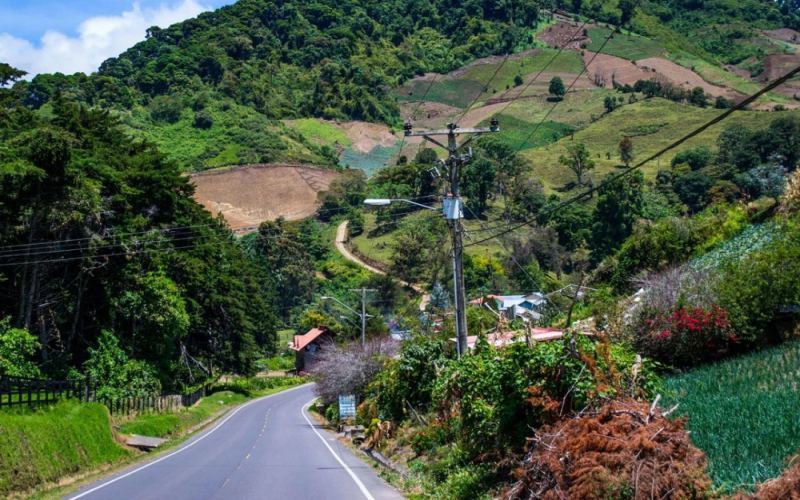
Want to understand how coffee from Central and South America differs? This article takes an in-depth look at five major specialty coffee origins—Panama, Colombia, Costa Rica, Brazil, and Honduras. It covers origin elevation, microclimates, key estates, and signature processing methods to help you grasp each region’s unique flavor profiles and ideal brewing styles, offering professional insights for selection and tasting. [more…]
Flavor Analysis of the World’s Three Major Coffee Regions: How to Choose Between Latin America, Africa, and Asia?
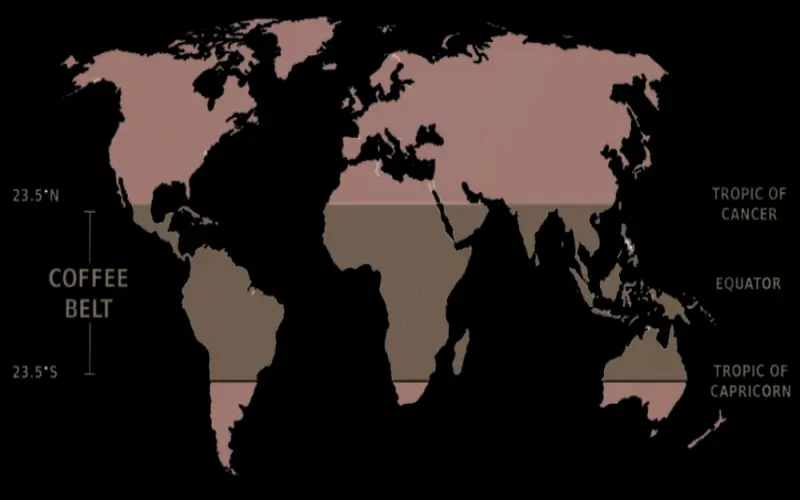
Want to uncover the secrets of coffee flavor? Start with the origin. The world’s major coffee-producing regions are primarily concentrated in Latin America, Africa, and Asia/the Pacific. Thanks to differences in climate, altitude, and processing methods, each area produces distinct taste profiles and aroma characteristics. This article will delve into the typical flavor features of these three regions and introduce you to the unique personalities of their representative coffee beans. Whether you’re a pour over beginner or an advanced coffee enthusiast, you’ll quickly get a sense of how to choose your beans. [more…]
How to Choose Between Washed Yirgacheffe G1 and G2? A Complete Guide to Grade, Flavor, and Brewing Parameters
Washed Yirgacheffe is renowned for its bright floral and fruity aromas, making it a top choice for many coffee beginners exploring Ethiopian flavors. But when it comes to washed processing, what are the differences between G1 and G2 beans in terms of green bean appearance, cupping performance, and final flavor? This article provides an in-depth analysis of the ECX grading standards, guiding you from green bean selection, roasting profiles, to pour over recommendations to understand the practical distinctions between G1 and G2. It also offers professional brewing parameters to help you find the Yirgacheffe that best suits your taste. [more…]
A Complete Guide to Yirgacheffe Coffee Beans: From G1 Grading to Pour Over & Cold Brew Techniques
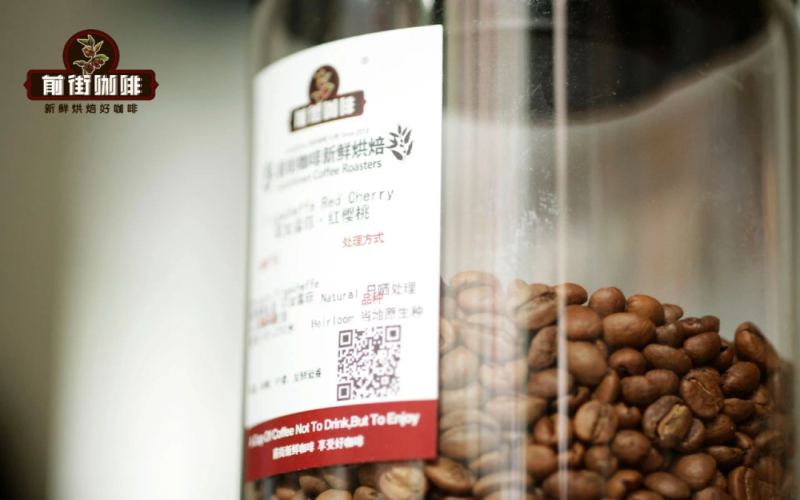
Dive deep into Ethiopia’s Yirgacheffe region, uncovering the grading system and processing methods behind its distinctive flavors. This article explains the G1 to G5 grading standards, analyzes the impact of washed and natural processing on flavor profiles, and provides V60 three-stage pour over parameters and cold brew preparation steps for a well-known coffee shop’s washed Yirgacheffe—helping you master everything from bean knowledge to extraction techniques. [more…]