







Introduction:Freshly roasted single-origin espresso beans undergo a crucial transformation period from degassing to peak flavor. Understanding this aging cycle not only helps avoid sharp acidity and dissipated crema, but also fully unlocks regional characteristics and processing method flavors. This article will detail the degassing traits, optimal tasting windows, and practical pour over and espresso extraction parameters for light, medium, and dark roast single-origin beans, helping you master the golden brewing window for each bean.
Immediately after roasting, single-origin espresso beans contain a large amount of carbon dioxide generated during the roasting process, which creates high pressure inside the beans. Brewing by grinding and extracting them at this stage will prevent hot water from evenly penetrating the coffee grounds, resulting in uneven extraction. This can lead to unpleasant sharp acidity or a creamy layer that seems rich but dissipates instantly. Therefore, allowing the coffee beans to go through an appropriate degassing period—commonly referred to as “aging”—is an essential step to fully develop their flavors.
During the aging process, as carbon dioxide is slowly released, the aromatic compounds within the beans can fully integrate with the oils, allowing the delicate regional features and processing method flavors of single-origin coffee to be vividly expressed during brewing. Mastering this transformation rhythm is the key starting point for appreciating the layered complexity of single-origin espresso.
Generally speaking, light-roast single-origin espresso beans, due to their tightly structured woody fibers, degas more slowly and typically require eight to twelve days of resting time to reach a stable release phase of aromatic compounds, presenting a clear outline of regional flavor characteristics. In contrast, dark-roast beans have a looser structure, leading to faster degassing and flavor development, thus requiring a relatively shorter aging period.
Taking a classic Yirgacheffe-flavored bean as an example—one that exhibits bright citrus notes, delicate white floral aromas, and a soft tea-like finish. Such a light-roast bean is recommended for consumption around nine days after roasting, when the fruit acidity transforms into a rounder juice-like sensation. Whether used for a refreshing single-origin espresso or a pour over black coffee, it will showcase vibrant and lively flavor layers.
To fully highlight the floral and fruity nuances of such beans, the pour over method is recommended: use water at approximately 91°C, with a medium grind size, 15 grams of coffee, and 225 milliliters of hot water. A three-stage pouring method is suggested, with a total extraction time of about 2 minutes and 10 seconds. This approach will yield a cup with a light acidity and a natural sweet aftertaste reminiscent of green tea, offering clear and balanced flavors.
On the other hand, naturally processed single-origin beans usually have higher sugar content and outstanding aroma concentration, often featuring intense tropical fruit and berry profiles. For instance, a classic naturally processed Ethiopian bean may exude sweet aromas of ripe strawberries, passionfruit, and tropical fruits right after roasting. Such beans are recommended to rest for about ten days, until the initial fermentation fruitiness gradually transitions into a mellow honey-like sweetness—marking the optimal extraction window. They are particularly well-suited for espresso or making iced Americanos.
When extracting such naturally processed beans, use water at 92°C, 16 grams of coffee, and a total of 240 milliliters of water. It is suggested to pour in two stages and complete the extraction within 2 minutes. Maintaining a stable pour helps to emphasize their strawberry jam-like sweetness, complementing the rich mouthfeel to create a vibrant and full-bodied drinking experience.
For specialty beans with particularly delicate and expressive aromatic profiles—such as certain high-altitude single-origin beans from Panama or Costa Rica—it is recommended to extend the aging period to around two weeks to fully release their complex aromatic compounds. For example, a Geisha bean with elegant jasmine, bergamot, and black tea notes, after sufficient degassing time, will exhibit more unfolded intricate floral layers and a smooth texture, with clearly defined flavor dimensions and a long-lasting aftertaste.
When brewing such highly aromatic beans, it is suggested to use slightly lower water temperature, such as 89°C, with 15 grams of coffee and 225 milliliters of water, employing a single-stage even pour, keeping the total extraction time within 1 minute and 50 seconds. A gentle extraction approach helps preserve its refined floral notes and silky mouthfeel, allowing citrus and black tea aromas to unfold layer by layer, delivering a delicate and enduring taste experience.
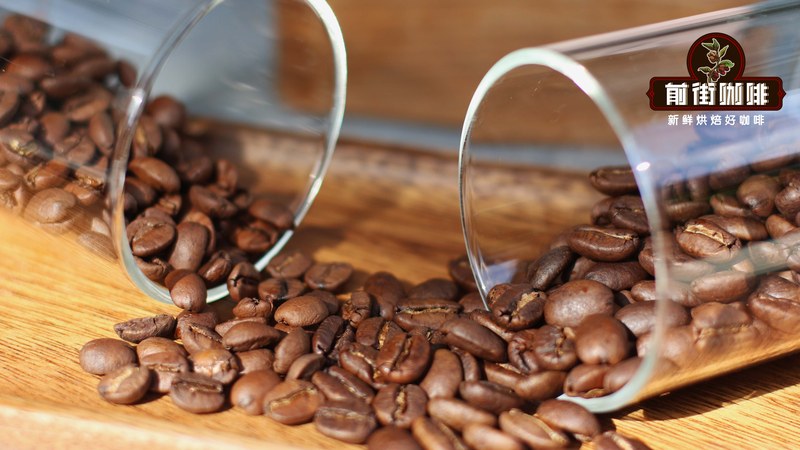
It is particularly important to note that once opened, coffee beans will oxidize more rapidly upon exposure to oxygen, which can affect the ongoing expression of their flavors. To slow down flavor deterioration, it is advised to flatten and securely seal the degassing valve of the opened coffee bag, storing it in a cool, dark, and dry cabinet away from direct sunlight and extreme temperature fluctuations. This also helps prevent the beans from absorbing odors from the surrounding environment.
For everyday use, it is recommended to plan your coffee purchase quantity based on personal consumption frequency. Ideally, try to finish the beans within three to four weeks after opening to ensure each cup delivers the best possible flavor. By mastering the timing of degassing, awakening, and flavor stabilization, you will be able to enjoy the fullest and most satisfying cup from each single-origin espresso bean during its prime stage.
The above content is compiled by CoffeeHunters, a coffee news website.

