







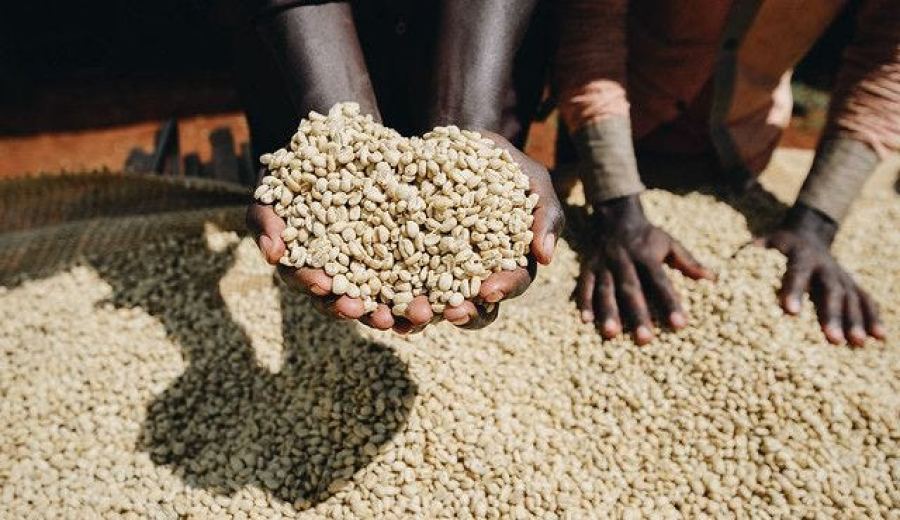
Introduction:Sidamo and Yirgacheffe in Ethiopia are two of the most popular specialty coffee regions among global coffee enthusiasts. Although Yirgacheffe was once part of Sidamo, it was designated as a separate region due to its distinctive citrus notes and bright acidity. This article delves into the terroir, mainstream processing methods, and roasting suitability of both areas, and uses sun-dried Yirgacheffe Aricha and sun-dried Guji Hambela Konga (referred to here as Guji Huakui) as examples to provide complete pour-over recommendations and extraction parameters, helping you more accurately grasp the flavor profiles of these two classic beans.
As a genetic treasure trove of coffee, Ethiopia’s southern and western highlands are home to many renowned coffee-growing regions, among which Sidamo and Yirgacheffe are stars in the specialty coffee market. Originally a small town under Sidamo, Yirgacheffe stood out due to its pronounced citrus and lemon acidity, along with unique floral aromas, eventually becoming one of Africa’s most representative coffee regions. This article will comprehensively compare the differences between these two major regions from perspectives such as regional geography, variety characteristics, processing methods, and actual pour-over performance, accompanied by tested brewing data to help readers gain a deeper understanding of their unique charm.
Overview of the Sidamo Region
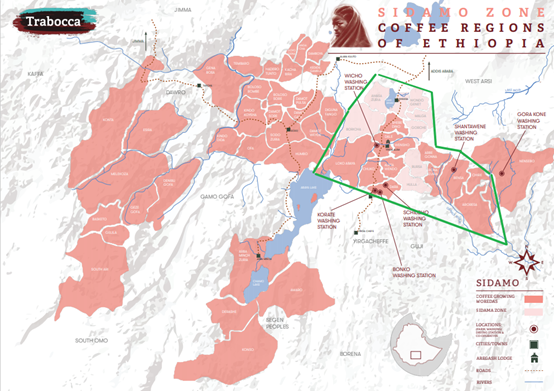
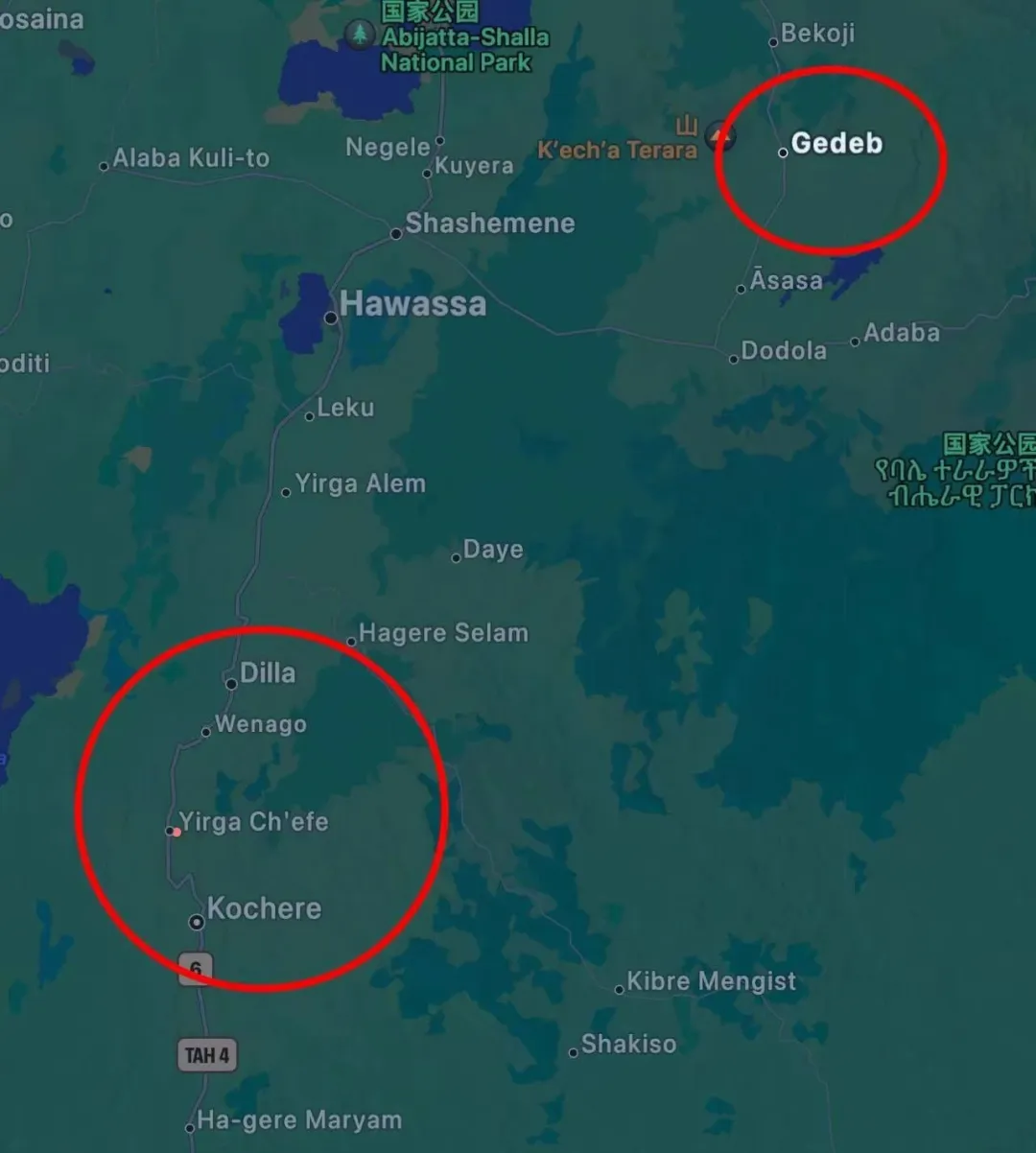
Located on the southern plateau of Ethiopia, Sidamo sits at an average altitude of 1,400 to 2,000 meters. It lies within the extension zone of the East African Rift Valley, enjoying a cool climate with significant day-night temperature variations—ideal microclimatic conditions for coffee cultivation. The region features diverse soils, ranging from fertile volcanic soils to red-brown loams, and is home to a wide array of native coffee varieties. As a result, coffees from Sidamo exhibit rich flavor layers, showcasing fruity, floral, and nutty profiles. Among them, Guji and Aricha are two highly representative sub-regions under Sidamo and are also top choices for many coffee enthusiasts looking to explore new flavors.
Common Processing Methods in Sidamo: Sun-Drying Techniques and Aroma Characteristics
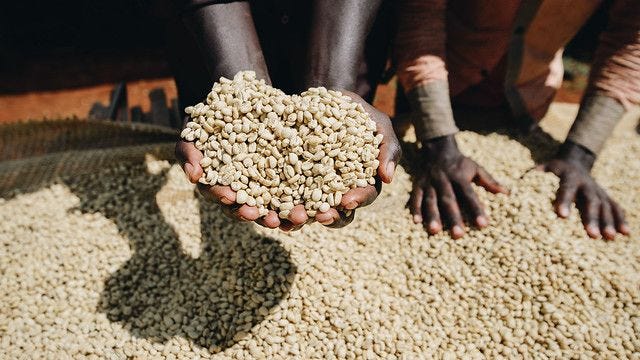
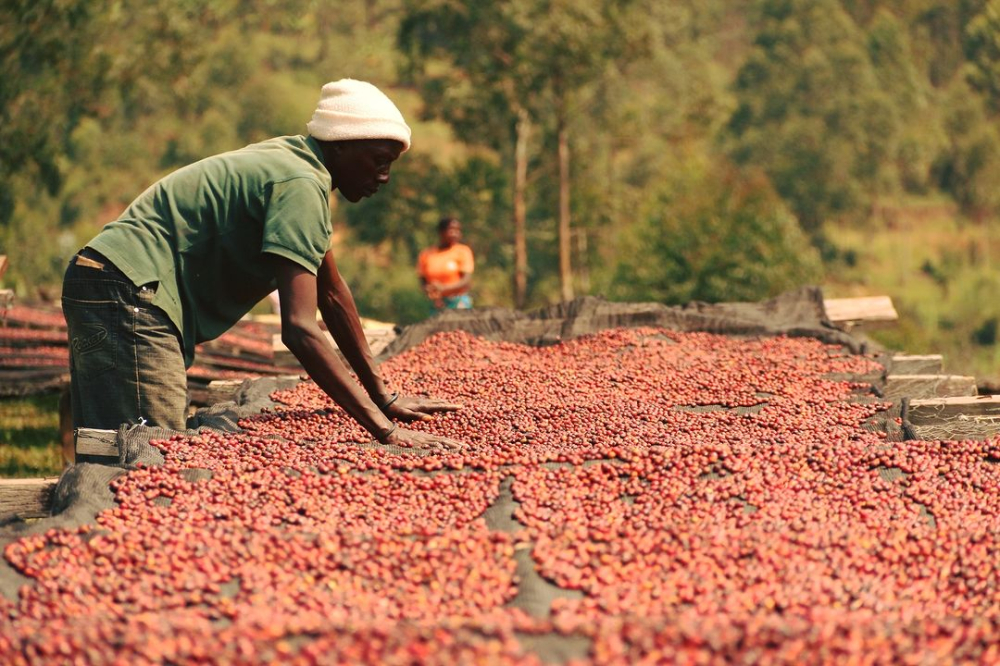
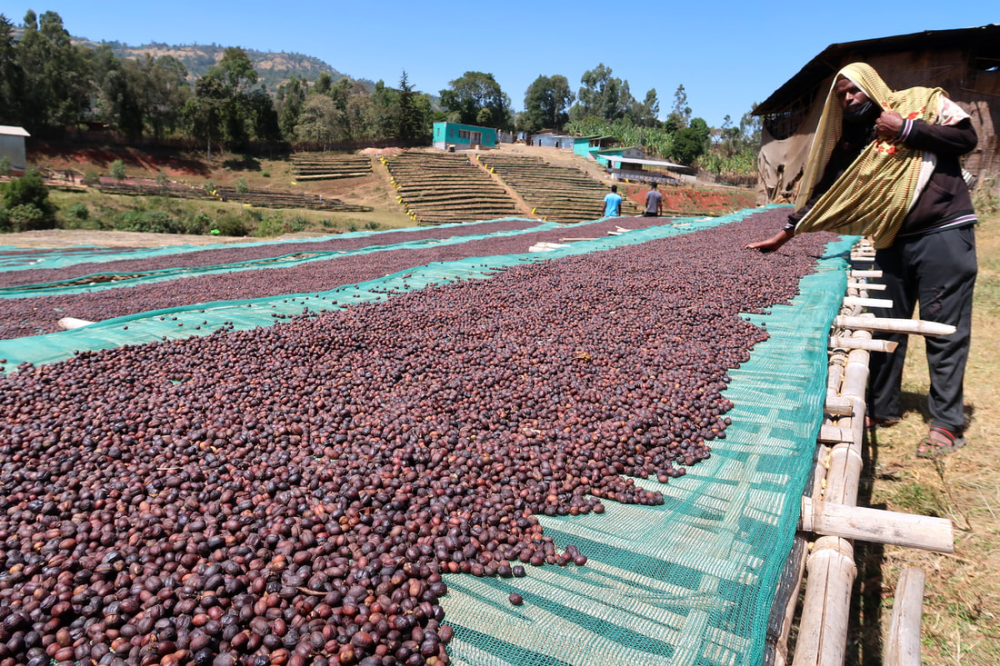
In Ethiopia, around 70% of coffee is processed using the natural (sun-dried) method, and Sidamo is no exception. This traditional technique involves drying the entire coffee cherry in the sun, allowing the sugars and flavor compounds in the pulp to fully penetrate the seeds, resulting in intense fruitiness and a full-bodied mouthfeel. The sun-drying process generally includes: selecting ripe cherries, spreading them out to dry, regularly turning them, removing the pulp and mucilage, and finally hulling and performing a secondary screening. The overall drying period lasts about 27 to 30 days, during which moisture content is strictly controlled to ensure the final green beans maintain a stable moisture level of around 11%. This method imparts Sidamo coffees with rich tropical fruit aromas, as well as a smooth body and lingering finish.
Yirgacheffe: From a Small Town to a Specialty Coffee Mecca
Originally part of Sidamo, Yirgacheffe has gradually come to be regarded as a distinct region due to its unique flavor profile—especially its bright citrus acidity and floral notes. The area sits at an altitude of approximately 1,800 to 2,000 meters, with a humid climate and abundant water sources, making it one of the highest-altitude coffee-growing regions in Ethiopia. In the early days, Yirgacheffe primarily used traditional sun-drying methods. However, after the introduction of Central and South American washed processing techniques in 1972, the region’s bright citrus and lemon acidity could be more precisely refined, resulting in a cleaner and brighter cup profile that quickly elevated Yirgacheffe to the top tier of the global specialty coffee scene.
Evolution of Processing Methods in Yirgacheffe: Innovations in Washed and Natural Techniques
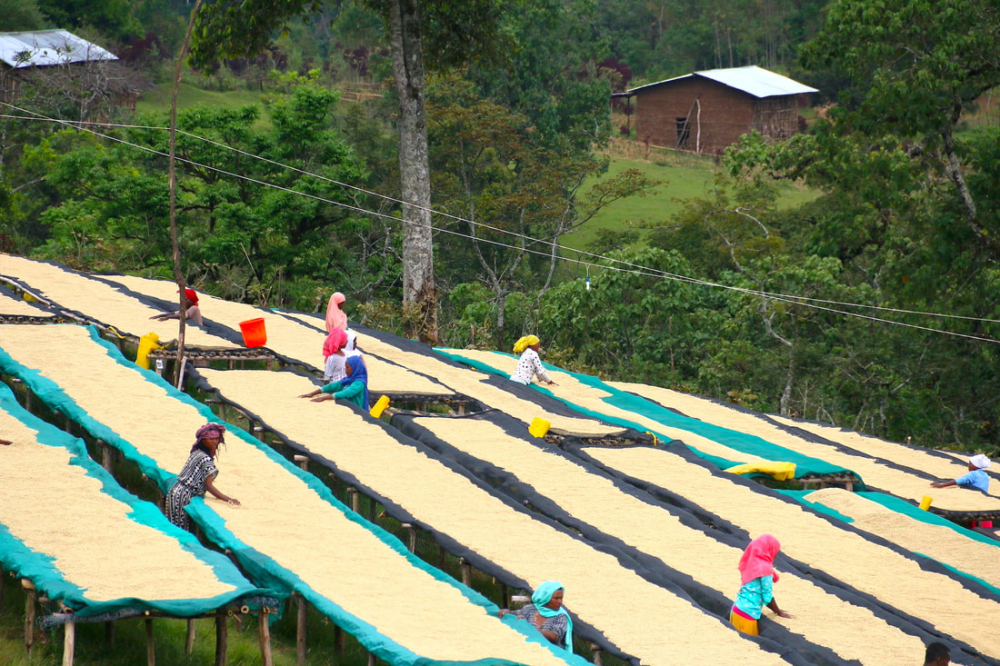
The washed processing method is key to Yirgacheffe’s international acclaim. This technique involves removing the pulp and mucilage, then fermenting in water tanks to eliminate sticky substances, resulting in sharper acidity while reducing interference from impurities and highlighting a clean, bright flavor profile. The process includes: floatation to remove defective beans, removal of skin and pulp, fermentation to remove mucilage, multiple washes, and drying to achieve 11% moisture content. However, with improvements in sun-drying techniques, high-quality natural Yirgacheffe beans have made a comeback in recent years. For example, processes refined by traders such as Bagassi have enabled sun-dried Yirgacheffe to regain its traditional intense fruitiness and fermented wine-like notes, earning high praise in the market.
Same Processing Method, Distinct Flavor Profiles: Sidamo vs. Yirgacheffe
To more直观ly compare the differences between the two regions, we selected two classic beans that both use the sun-dried process: Ethiopia Yirgacheffe Aricha and Guji Huakui (originally from Sidamo). Both beans showcase the rich characteristics of the sun-dried method but offer distinct flavor directions.
Yirgacheffe Aricha, grown at an altitude of 1,900–2,100 meters, is made from local native varieties. After sun-drying, it exhibits light fermented wine notes, sweet orange, spices, and a honey-like finish. Guji Huakui (also known as Huakui coffee beans), from even higher altitudes of 2,250–2,350 meters, is also made from native varieties. After sun-drying, it releases complex and layered aromas including rose, creamy strawberry, citrus, passion fruit, and a hint of oolong tea.
Roasting Recommendations and Flavor Development
For Huakui, a medium-light roast is recommended to preserve its delicate floral and fruity characteristics. For example, using a Yangjia 800N roaster, with a charge temperature of 175°C, first crack starting at 9’50”, and dropping temperature around 196°C, can highlight the freshness of creamy strawberry and citrus. For Aricha, it is suggested to slightly increase heat and adjust the air vent; first crack beginning at 8’49” and a drop temperature of 195°C helps bring out its intense fermented wine aroma and honey sweetness. Both beans require attention to dryness before first crack and control of Maillard reactions during roasting to balance acidity and sweetness.
Pour-Over Extraction Parameters and Tested Flavor Performance
It is recommended to use a V60 #01 filter, with water temperature controlled at 90–91°C, a coffee dose of 15g, a brew ratio of 1:15, and a grind size similar to granulated sugar (approximately 80% through a #20 sieve). Suggested pour-over steps: first pour 30g of water for a 30-second bloom, followed by pouring 95g of water (total ~125g) within about 1 minute, then pour the remaining 100g of water (total ~225g) when the water level drops to 2/3 of the coffee bed, with a total brew time of about 2 minutes and 10 seconds. These parameters can fully showcase the unique characteristics of both beans.
Test results show that Huakui displays almond aromas at high temperatures, gradually revealing berry acidity and sweetness, blackcurrant juice notes, and a honey aftertaste as it cools, with a long-lasting and layered sweetness. Aricha, on the other hand, feels extremely smooth on the palate, with pronounced ripe fruit acidity and sweetness; fermented fruit aromas persist throughout, and the finish is round with a honey-like sweetness, making it ideal for those who enjoy intense fruity flavor profiles.
The above content is compiled by CoffeeHunters, a coffee news website.


