







Category: Coffee Knowledge
A Comprehensive Analysis of the Flavors of Panama Elida Estate Coffee: High-Altitude Processing Methods and Cupping Comparisons
This article delves into the unique flavors and growing background of the coffee beans from Elida Estate in the Boquete region of Panama. From the terroir of the producing area, varietal composition, processing techniques, to the actual cupping experience, it provides a complete analysis of the aroma, taste, and layered complexity of this high-altitude coffee. It also offers a detailed comparison with renowned estates such as Hartmann and Emerald Diamond Mountain, helping you choose specialty coffee beans that suit your personal taste. [more…]
How to Brew Brazilian Queen Estate Semi-Washed Coffee Beans? A Complete Guide to Flavor & Pour Over Parameters
Want to understand the flavor profile and best pour over parameters for Brazilian Queen Estate semi-washed coffee beans? These beans come from Brazil’s renowned COE-winning estate, boasting a prominent sweetness with captivating layers of nuts, lemon, and dark chocolate—perfect for coffee lovers who enjoy a rounded, full-bodied taste. This article will take you on an in-depth exploration of its growing background, processing method, cupping notes, and three-stage pour over technique. [more…]

Panama Jade Diamond Mountain Coffee Beans: Characteristics of Caturra and Catuaí Varieties and Brewing Recommendations
Delve into the Diamond Mountain series under Panama’s Jade Estate, offering a comprehensive exploration from its cultivation background, variety characteristics, terroir of the growing region, to the meticulous natural sun-drying process and expert roasting profile. This analysis fully unveils this premium coffee bean blend primarily featuring Caturra and Catuaí. Practical pour over parameters and flavor evaluations are also provided to help you gain a deeper understanding and better enjoy this high-altitude coffee with bright flavors. [more…]
Unveiling the Flavor of Brazilian Queen Estate Yellow Bourbon Coffee Beans: A Comprehensive Guide to Processing Methods, Grades, and Origins
As the world’s largest coffee-producing country, Brazil is home to some of the most iconic coffee flavors—and the Yellow Bourbon beans from Queen Estate are among its finest representatives. These high-altitude beans from São Paulo State, cultivated from the Yellow Bourbon variety and processed using the honey method, deliver a rich profile of nuts, cream, and fermented fruit. This article will take an in-depth look at the bean’s varietal characteristics, growing environment, processing techniques, and grading standards, guiding you through the flavor code of this classic coffee right from its source. [more…]
Ice Pupil Dripper vs V60 Pour Over Comparison: How the Conical Single-Hole Structure Affects Coffee Flavor
The flavor extraction of pour over coffee can vary greatly depending on the design of the dripper. This article provides an in-depth comparison of the structural differences between the Ice Pupil Dripper and the classic V60, and includes practical tests of both under the same brewing parameters to evaluate their flow rate and flavor performance. Through these real-world tests, we aim to help you understand which dripper better suits your brewing needs, thereby enhancing the quality and consistency of your home pour overs. [more…]
A Complete Guide to Bolivian Specialty Coffee: The Washed & Cocoa Sun-Dried Java Variety from Hacienda Vallecito
This article delves into Bolivia, a niche yet highly promising coffee-producing country, focusing on the Caranavi region at an altitude exceeding 1660 meters, and the six-hectare Hacienda Vallecito. It highlights the rare Java variety grown locally, processed with both washed and cocoa sun-dried methods. From the growing environment and varietal characteristics, to processing techniques, cupping, and pour over brewing, it offers a comprehensive guide to the full flavor profile of high-altitude Bolivian coffee. [more…]
A Comprehensive Guide to Panama's Diamond Mountain Coffee: Flavor Profile of Catuai Natural and Brewing Tips
Although La Esmeralda Estate is renowned for its Geisha, its non-Geisha offering — Diamond Mountain coffee — also demonstrates exceptional quality. This article delves into this Catuai natural coffee from the highlands of Boquete, Panama, covering its growing environment, varietal characteristics, processing method, roast profile, and pour over parameters, along with a detailed flavor wheel to help coffee enthusiasts fully understand this specialty coffee that combines citrus, honey, and cocoa notes. [more…]
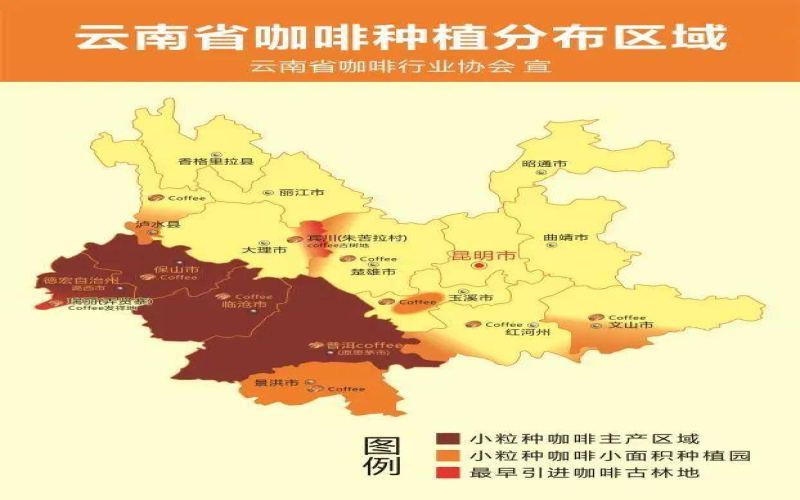
Yunnan Coffee Bean Varieties Explained: Flavor Differences Between Typica and Catimor, and Regional Characteristics
Yunnan is China’s largest coffee-producing region. Since French missionaries first introduced coffee plants here over a hundred years ago, it has grown into an emerging force in the global specialty coffee scene that cannot be ignored. This article delves into the historical origins, flavor profiles, and processing methods of Yunnan’s two main coffee varieties—Typica and Catimor—and analyzes how the geographical environments of key producing areas such as Dehong, Baoshan, Lincang, and Pu’er influence the performance of the beans. It also offers practical brewing suggestions for both washed and natural processed beans to help you fully grasp the potential of Yunnan coffee. [more…]
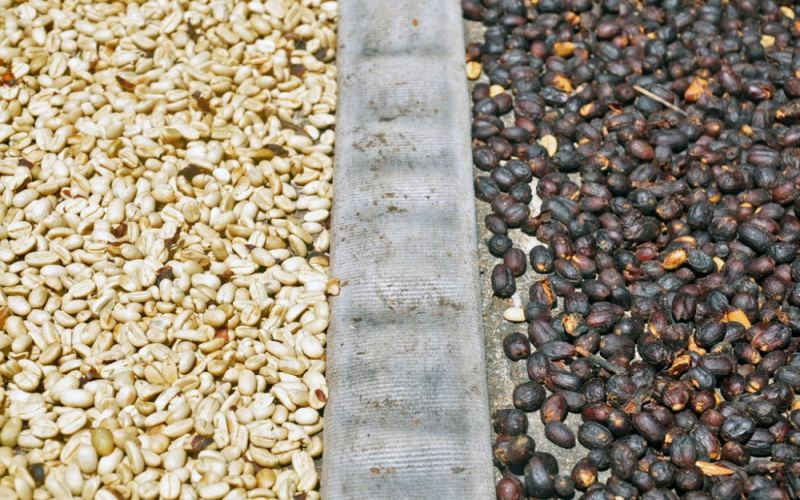
Complete Guide to Coffee Bean Processing Methods: Flavor Comparisons of Natural, Washed, Honey, and Anaerobic Fermentation
The way coffee beans are processed is one of the core factors influencing their flavor. From traditional natural and washed methods, to distinctive honey processing and Indonesian wet hulling, to the anaerobic fermentation that has gained popularity in recent competitions, each technique imparts different levels of sweetness, acidity, and body to the coffee. This article uses well-known producing regions such as Yirgacheffe and Mandheling as examples to explain in detail the steps and flavor characteristics of mainstream processing methods. It helps you understand how processing shapes the diversity of coffee and also helps you avoid common misconceptions. [more…]
Kenya PB Peaberry Analysis | Unique Flavors Brought by K72 Washed Process and Grade 8 Classification
Kenyan coffee is renowned for its bright acidity and fruity notes, with the SL28 and SL34 varieties contributing particularly distinctive characteristics. This article delves into an in-depth analysis of Kenya's PB peaberry beans, the K72 washed processing method, and the eight-tier grading system. It also compares the flavor profiles of AA, AB, and PB grades, while providing practical pour over parameters and tasting notes to help you master the essentials of selection and brewing. [more…]
What’s the difference between espresso and ristretto? A 6-step extraction guide + flavor analysis by segments
Espresso is the soul of Italian-style beverages, yet many people’s impression of it stops at just being strong and bitter. This article dives deep into the definition of espresso, its standard brewing process, and through a segmented extraction experiment, helps you understand how flavors change from the beginning, middle, to end of the shot. It also further compares ristretto (a more concentrated espresso) with regular espresso—from extraction principles and coffee-to-water ratio to flavor concentration—helping you understand why ristretto has less bitterness yet is more intense, and how it performs in milk-based coffee drinks. [more…]
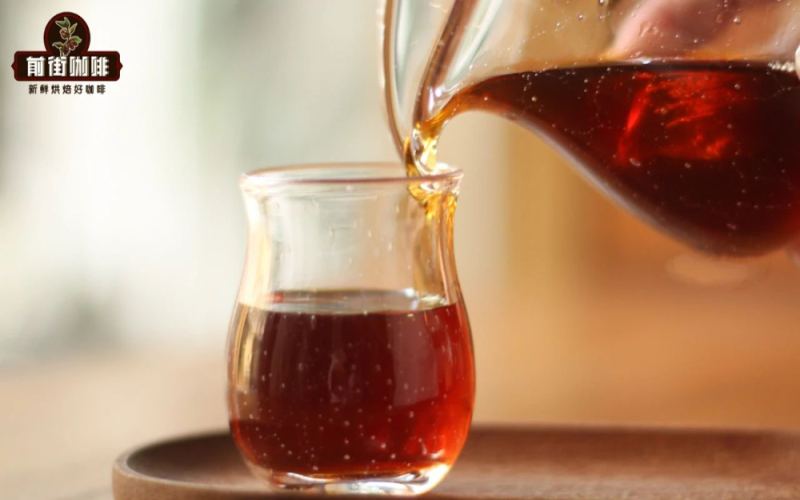
Yirgacheffe vs. Hua Kui 8.0: A Complete Analysis of Washed vs. Natural Processing Differences & Optimal Pour Over Parameters
Both originating from Ethiopia, Yirgacheffe and Hua Kui 8.0 showcase distinctly different flavor profiles: one bright and acidic, the other sweet and full-bodied. This contrast stems from the washed and natural processing methods, as well as the unique terroir of the Yirgacheffe and Sidamo regions. This article delves into how these two processing techniques shape coffee flavors, and offers tailored pour over recommendations—including water temperature, grind size, and brewing adjustments—specific to the characteristics of these two classic beans, helping you fine-tune your brew based on taste preferences. [more…]
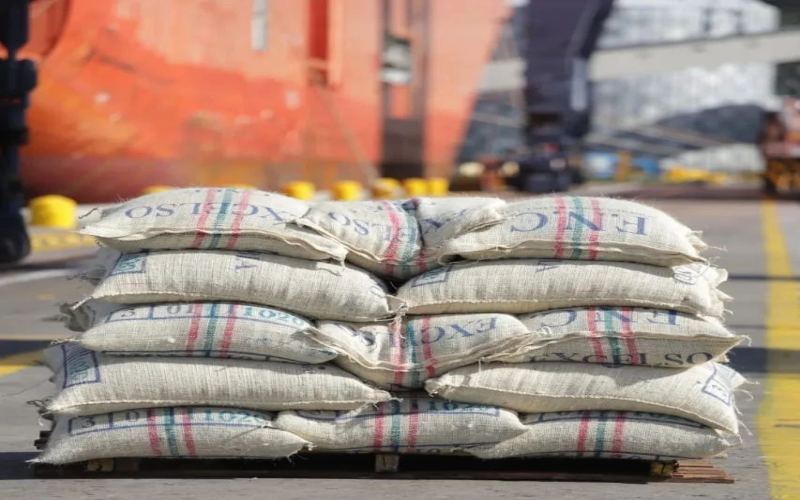
How to brew the Colombian Paradise Estate Sakura Anaerobic beans? Analysis of the Castillo variety's flavors and pour over techniques
This article provides an in-depth analysis of the Colombian Paradise Estate’s Sakura Anaerobic processed Castillo variety coffee beans. It covers everything from the estate background and variety characteristics, to dry and wet aromas and flavor profiles, while also offering practical pour over parameters and steps. Additionally, it explores the processing features of the same estate’s Strawberry Yogurt Double Anaerobic Washed beans, as well as their potential for SOE transformation, helping coffee enthusiasts fully grasp the brewing and tasting essentials of this specialty bean. [more…]
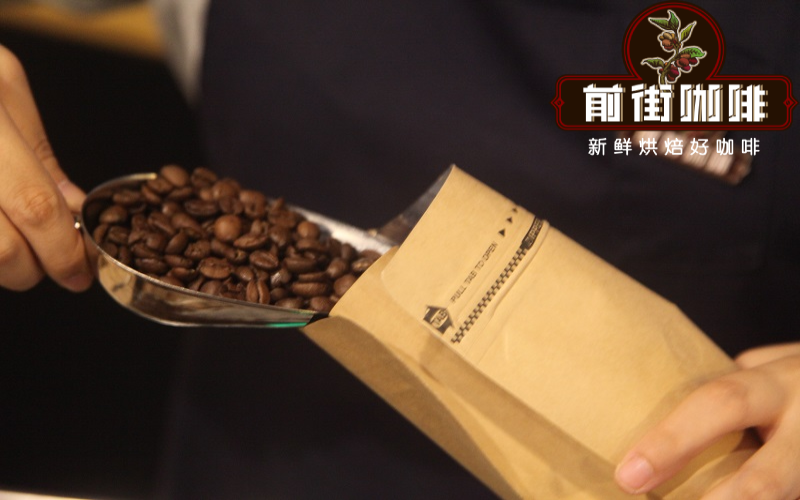
A Complete Guide to Coffee Bean Resting and Storage: Practical Tips from Degassing Period to Flavor Preservation in Filter Bags
Freshly roasted coffee beans actually can't be brewed right away—they need a "resting period" to allow internal carbon dioxide to dissipate so their full flavor can emerge. The resting time required varies greatly depending on the roast level, and improper resting may result in dull or over-extracted coffee. Additionally, how you store the beans after opening also significantly affects their freshness and flavor performance. This article will delve into every key stage of coffee bean resting and storage, along with usage tips for filter bag coffee. [more…]

An In-depth Analysis of Ethiopia's Gesha Village Top Beans: Differences in Flavor Between Gold, Red & Chaka Labels & Full Grading Guide
Want to dive deep into the top-tier coffees from Ethiopia’s Gesha Village estate? This article provides a comprehensive breakdown of the characteristics of Gesha Village’s Gold Label, Red Label, Green Label, and Chaka lots—from grading systems, processing methods, and plot differences to detailed brewing recommendations and flavor profiles—to help you grasp the unique appeal of these specialty beans and the best ways to extract their flavors. [more…]

What’s the difference between cold drip and cold brew coffee? A complete guide to bean selection, steps, and storage for low-temperature extraction
Cold drip and cold brew are two popular methods of low-temperature extraction that can showcase the unique flavors of coffee without the need for hot water. This article delves into the brewing principles of both, their flavor differences, and compares the impact of cold versus hot water on coffee flavor. It also provides practical recommendations on bean varieties, precise grind size and coffee-to-water ratios, step-by-step brewing details, as well as tips for refrigerated storage—so you can consistently brew clean and smooth low-temperature coffee at home. [more…]
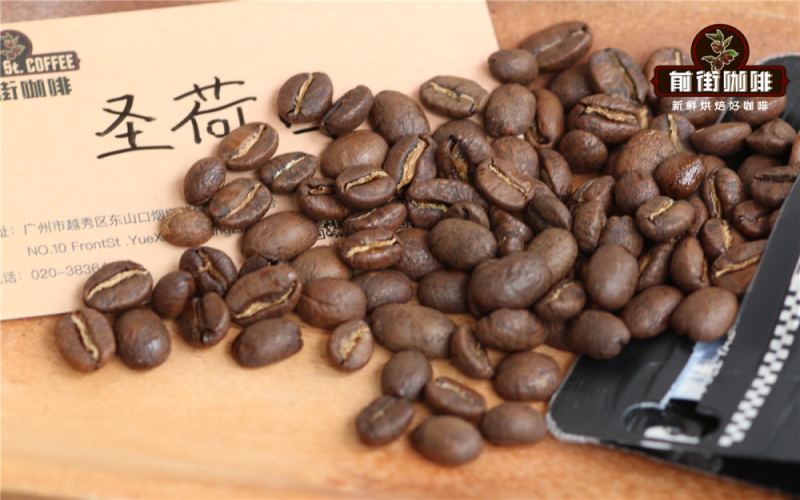
Complete Pour Over Guide to Colombian San Jose Wine Barrel-Fermented Beans: Flavor Profile & Extraction Techniques
These Castillo variety coffee beans from Colombia’s Caldas region, grown at an altitude of 1750 meters, have been fermented in rum barrels for three months, resulting in unique wine-like aromas and tropical fruit notes. This article delves into the innovative processing method of Finca San Jose and provides practical parameters and step-by-step extraction techniques for both hot and cold pour over brewing, helping you achieve layered flavors of rum, nuts, and fruit at home. [more…]
Colombian San Jose Estate Oak Barrel-Fermented Beans Pour Over Guide | Comprehensive Analysis of Flavors and Brewing Parameters
The Colombian San Jose Estate was the first to apply rum oak barrel fermentation to coffee, creating specialty beans with unique flavors. This article delves into the estate’s growing environment, the characteristics of the Castillo variety, and the intricate process of meticulous washed processing combined with barrel fermentation. It also compares flavor differences with similar processing methods in Honduras. Additionally, it provides hands-on pour over brewing data tested at three different water temperatures to help you master the optimal extraction method and experience the layers of rich wine-like aroma and fruity notes. [more…]
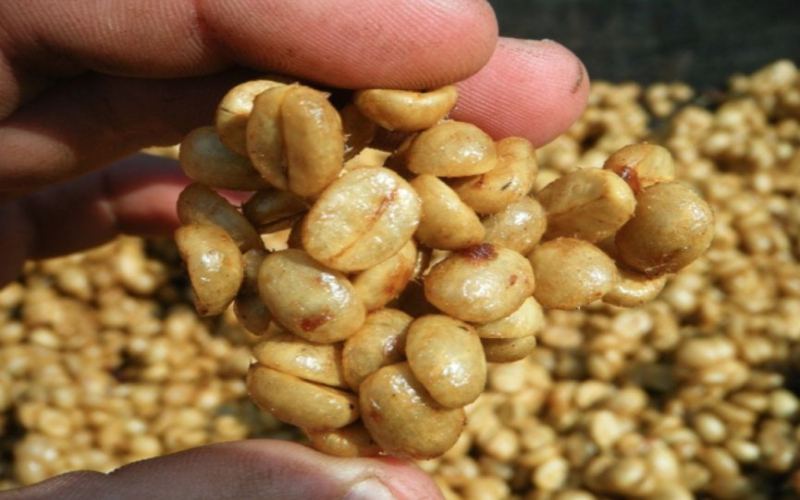
In-depth Analysis of Eight Major Coffee Regions in Central and South America: Flavor Profiles, Processing Methods, and Pour Over Parameters – A Complete Guide
Latin American coffee is renowned for its body and balanced flavor. The producing regions span from Brazil to Guatemala, each with unique terroirs and processing characteristics. This article provides a detailed breakdown of the coffee varieties, processing techniques, and typical flavor profiles of eight major producing countries, along with expert-recommended pour over parameters. Whether you're exploring the nutty, chocolatey notes of Brazilian coffee or the floral complexity of Panama Geisha, this guide will help you fully grasp the essence of Central and South American coffee. [more…]
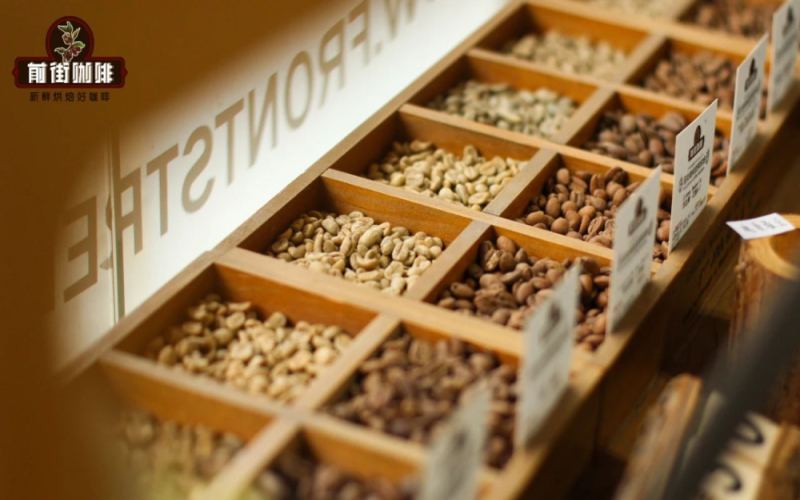
A Complete Guide to Arabica Coffee Bean Varieties: From Flavor Differences to Subspecies Characteristics
Dive deep into how Arabica coffee beans became the soul of specialty coffee—from their fundamental differences from Robusta, to the origins and flavor profiles of classic subspecies such as Typica, Bourbon, and Geisha. This article systematically analyzes the origins, suitable environments, and tasting performances of the world’s major Arabica varieties, complemented by real-world regional examples to help you more accurately grasp the characteristics of each variety and find your perfect coffee experience. [more…]