








Introduction:Freshly roasted single-origin coffee beans require time to "degas" in order to exhibit their optimal flavors. Understanding the entire process from opening the bag, resting, to brewing allows you to grasp each bean’s ideal drinking window and brewing recommendations. This not only enhances your pour over performance but also helps you more deeply appreciate the unique terroir aromas from different regions. This article takes you through a scientific analysis of coffee bean degassing and the resting period, and provides practical advice on storage and pour over parameters.
Freshly roasted single-origin coffee beans release a large amount of carbon dioxide immediately after roasting. Brewing them right away by grinding can cause bubbles in the coffee grounds to interfere with even water penetration, leading to uneven extraction and incomplete aroma release. Therefore, allowing the beans to rest properly helps the internal gases to slowly dissipate and enables the aromatic compounds to be released more smoothly during subsequent brewing, presenting the purest flavor characteristics of that origin.
Each single-origin coffee bean has its own unique "best-by period." Generally speaking,light to medium roasted coffee beans reach their peakof balanced acidity and sweetness along with rich aromas between the 7th and 20th day after roasting. By this time, the internal pore structure of the beans has stabilized, and the ratio of floral, fruity aromas, and oiliness reaches an ideal level, making it easier to extract a clean and layered taste during pour over.
How you store coffee beans after opening the bag is crucial for preserving their flavor. It's important to avoid the four major factors that cause flavor loss: oxygen, light, moisture, and high temperature. It is recommended to continue using the original packaging, which is aresealable bag with a one-way degassing valve,After each use, gently press the bag to expel excess air, ensure the zipper is tightly sealed, and store it in a cool, dry, and dark cabinet to extend the beans’ freshness.
Planning a good coffee consumption rhythm can also help you enjoy your coffee during its flavor peak.For a commonly sized bag of coffee beans, if you brew once a day, it is recommended to finish it within two to three weeks after opening,as this period allows you to fully experience the gradual changes in the beans’ aroma and taste. Avoid grinding too much coffee powder at once and try to brew right after grinding to minimize aroma evaporation and loss.

Take the light-roasted Yirgacheffe Guji Dingding as an example. This classic bean variety from Ethiopia has a more pronounced and focused acidity when freshly roasted. Afterabout 8 to 10 days of resting,the fresh aromas of citrus and white flowers will gradually bloom, accompanied by subtle berry notes and a delicate green tea aftertaste. At this stage, the beans’ degassing stabilizes, making them particularly suitable for pour over brewing, which can deliver a refreshing and crisp taste experience.
For actual pour over brewing, it is recommended to usewater at 90°C,with15 grams of coffee grounds,and a total water volume of225 milliliters,resulting in a roughly1:151:15 brew ratio. The total extraction time should be controlled at around2 minutes.The specific steps can be divided into three pours: first, pour30 grams of water for a 30-second bloom,then circle-pour up to130 milliliters,wait until the water level drops by half, then pour the remaining water up to225 milliliters,which helps fully bring out the balance between its citrus acidity and tea-like undertones.
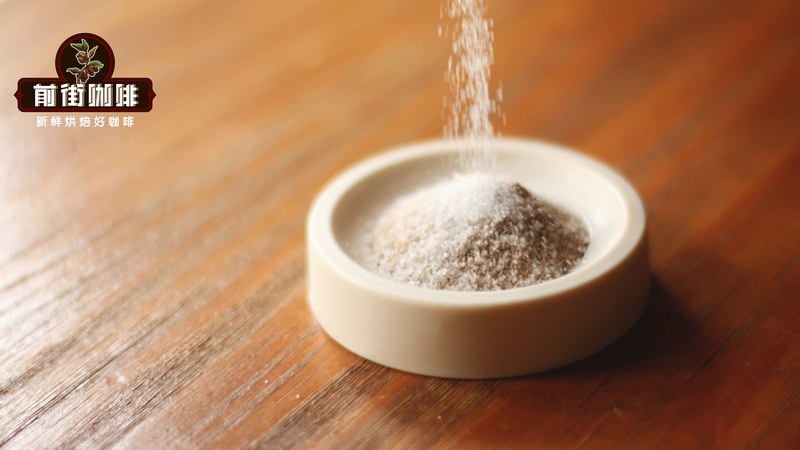
Another classic naturally processed bean — Ethiopia Huaca — requires about7 to 9 days of restingto fully release its intense tropical fruit aromas and ripe strawberry notes. As the degassing slows down, this bean will present a more vibrant sweetness, with a bright entry reminiscent of passion fruit and a honey-like creamy finish, offering a rich and captivating layered profile.
When brewing Huaca, it is recommended to usewater at 91°C,with16 grams of coffee grounds,a total water volume of240 milliliters,and a total extraction time of about2 minutes and 10 seconds.Use a two-pour method: first pour40 grams of water for a 35-second bloom,then pour in a steady stream from the inside out in a circular motion up to240 millilitersuntil the flow stops. This helps highlight its rich berry and tropical fruit sweetness.
Kenya Little Tomato from Kenya requires about10 days of restingto transform its signature cherry tomato and dark plum flavors into a softer, juice-like profile after full degassing. At this point, the brown sugar-like sweetness and bright acidity reach a balance, with a clean and lingering finish — a bean with a three-dimensional and layered flavor.
For brewing, it is recommended to usewater at 89°C,with15 grams of coffee grounds,a total water volume of220 milliliters,and a total time controlled at1 minute and 50 seconds.Use a three-pour method: first, pour35 grams of water for a 30-second bloom,then pour up to120 milliliters,pause briefly, then pour up to220 millilitersbefore removing the filter. This extraction method fully showcases its vibrant sweet-and-sour profile and dark fruit notes, resulting in a smoother and more approachable flavor.
In summary, understanding the ideal drinking period, resting rules, and proper storage and brewing methods for single-origin coffee beans not only improves extraction quality but also allows you to fully experience the evolution of each bean’s aroma — from bright and fresh to rich and mellow — from the moment you open the bag to the very last drop. Savoring this flavor journey is precisely what makes single-origin coffee so captivating.
The above content is compiled by CoffeeHunters, a coffee news website.

