







Introduction:The processing method of coffee beans is a key factor influencing the flavor of a cup of coffee. From traditional methods such as washed, natural, and honey processes, to the enzyme process that has garnered much attention in recent years, each technique has a unique fermentation mechanism and flavor profile. This article delves into the principles, steps, and characteristics of these four major processing methods, and through real-world examples, illustrates how different processing approaches shape the aroma, acidity, and sweetness of coffee—helping you better understand where each cup you enjoy comes from.
The way coffee beans are processed is the core factor that determines the final brewing flavor. Among the various processing techniques, natural, washed, and honey processes are long-established and widely used traditional methods, while the enzyme process is an innovative technique that has emerged in recent years, combining anaerobic fermentation with specific strains of microbes. These processing methods not only affect the clarity, acidity-sweetness balance, but also directly shape the regional characteristics and layered complexity of the coffee.
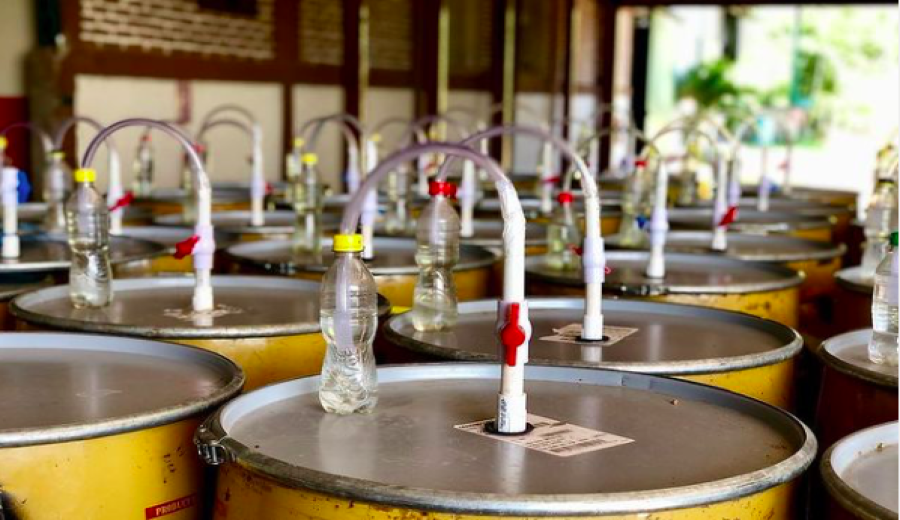
The enzyme process is typically carried out in an anaerobic environment, where oxygen intake is controlled and a specially selected group of enzymes is used to extend the fermentation time and alter the pace of sugar breakdown. This process must be conducted in completely sealed, opaque containers, with strict monitoring of room temperature and time to guide the fermentation toward an ideal sweetness and flavor balance. It’s worth noting that if one overly relies on fermentation to mask the inherent flaws of the coffee beans, rather than improving the variety or cultivation conditions at the source, it may actually reduce the overall quality of the coffee.
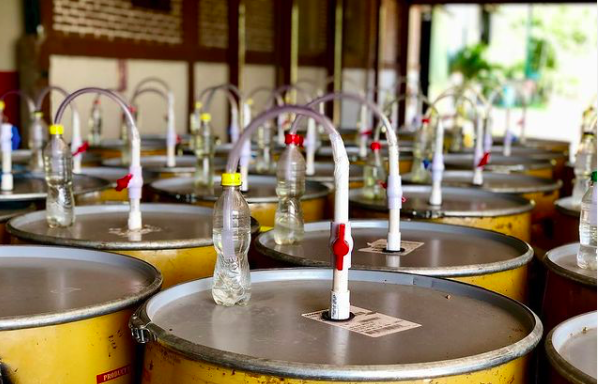
Take the “Rose Valley” from Colombia’s Granja La Esmeralda as an example. Their anaerobic double-enzyme washed process involves injecting two different enzymes in two stages during a single anaerobic fermentation process, further enhancing the layers of aroma and acidity. When brewed, it presents the sweetness of ripe peaches, the elegant fragrance of roses, paired with the acidity and sweetness reminiscent of black grapes, along with the silky texture of creamy toffee. The aftertaste carries the lingering notes of center-filled chocolate, showcasing the deep impact the enzyme process can have on flavor.
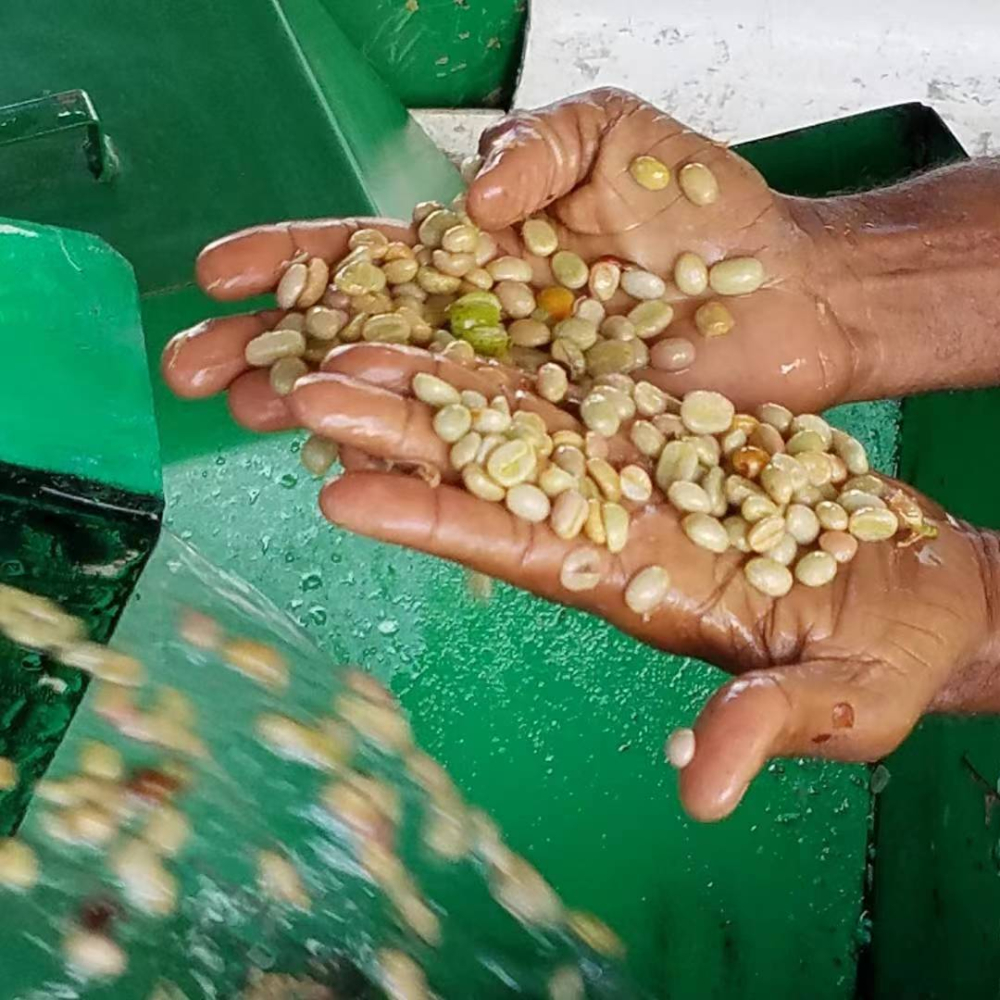
The traditional washed processing method follows clear steps and emphasizes clarity. After harvesting, the coffee cherries need to be delivered to the processing facility within 6 to 12 hours. They are first subjected to flotation to remove unripe or defective beans, then the pulp is removed using a pulper, leaving beans covered in mucilage. These beans are then placed in fermentation tanks for 18 to 36 hours, where natural enzymes break down the mucilage. After washing, the beans are cleaned of surface residues and finally dried on tarps, concrete patios, or raised beds for 5 to 14 days until their moisture content drops to 11%. This method is known for highlighting the coffee’s bright acidity and consistency. Regions such as Ethiopia’s Yirgacheffe are known for using this method to bring out vibrant citrus notes and floral-fruity aromas.
The natural processing method involves drying the whole coffee cherry directly in the sun. Overripe, underripe, or insect-damaged cherries are manually sorted and removed. The drying period usually lasts 3 to 4 weeks, during which the cherries are regularly turned to ensure even dehydration until their moisture content reaches 11%. This method preserves the sugars and flavor compounds within the fruit, often resulting in a brew with a rich mouthfeel and juicy character, and acidity as vibrant as berries. A classic example is Ethiopia’s Sidamo “Hambela” (also referred to as “Huikaio” in certain contexts), which features citrus acidity, berry-like juiciness, and the tea-like notes of lemon black tea, paired with a lasting sweetness—showcasing the unique charm of the natural process.
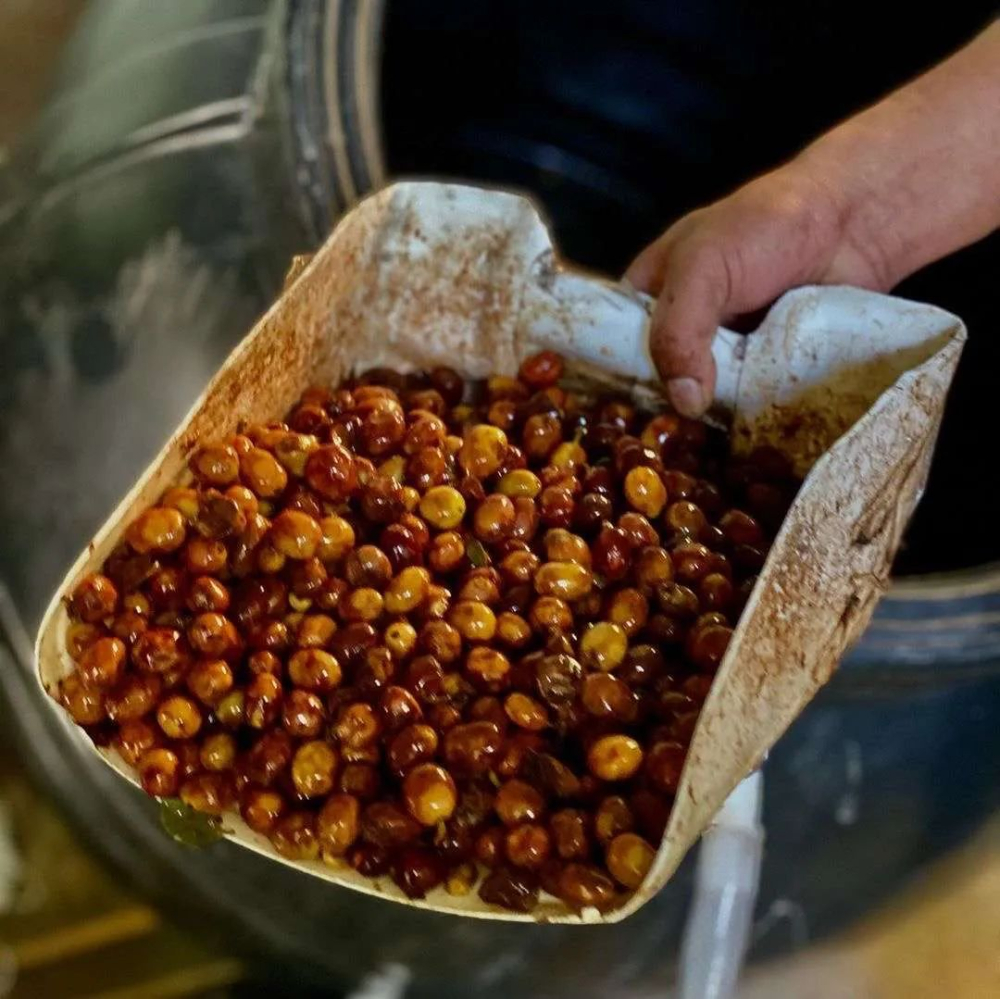
The honey process falls between the natural and washed processes, with the key lying in the degree of mucilage retention. After removing the skin of the coffee cherry, it is categorized into black honey (almost no mucilage removed), red honey (around 80% retained), yellow honey (40–60% retained), and white honey (same ratio but dried thinner). The sugars in the mucilage convert into sweetness during the drying process, but temperature and humidity must be tightly controlled to prevent mold. For instance, black honey processing requires shading to slow down the drying speed, taking over 14 days; yellow honey is typically completed in about 8 days, with more sun exposure. Honey-processed coffee from Tarrazú, Costa Rica, is characterized by citrus acidity, chocolatey sweetness, and caramel aftertaste, exemplifying the balanced flavors of the honey process.

In summary, different processing methods impart unique flavor profiles to coffee beans by regulating the fermentation environment, retaining substances, and controlling drying methods. Whether you’re pursuing the clean acidity of the washed process, the rich sweetness of the natural process, or the layered complexity of the honey and enzyme processes, understanding the principles and details of these techniques will help you more accurately choose coffee beans that match your personal taste preferences and bring out their best potential during brewing.
The above content is compiled by CoffeeHunters, a coffee news website.


