







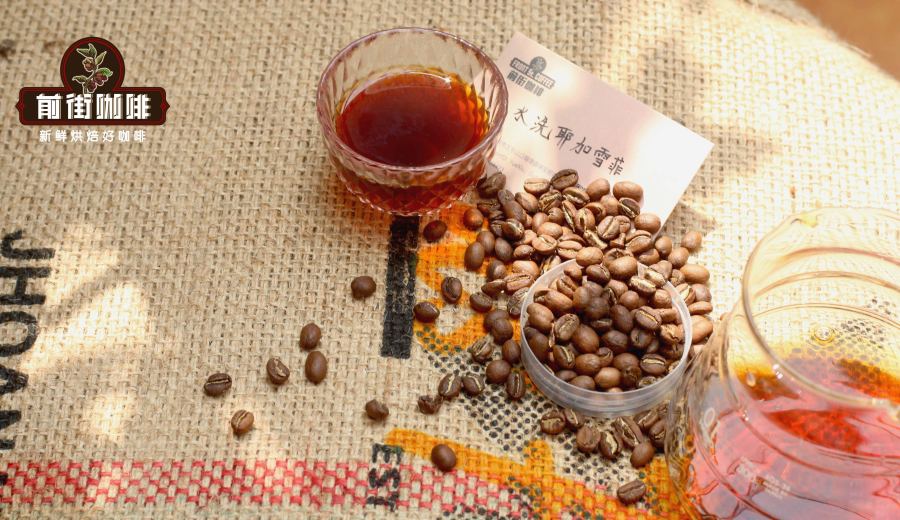
Introduction:Coffee drinkers who enjoy bright acidity in their brews often explore a wide selection of single-origin beans to find flavors that suit their palate. This article takes an in-depth look at classic coffee beans with prominent acidic profiles from regions such as Africa and Central and South America—including Ethiopia Yirgacheffe, Kenya AA, and Tanzania Kilimanjaro—and provides insights on roast levels, cupping characteristics, and pour over recommendations to help you find the most suitable acidic coffee experience based on your personal taste.
When walking into a coffee shop and facing shelves of various single-origin beans, many people often describe their preferences as "more acidic" or "more bitter." However, the acidity and bitterness of coffee are not just simple taste sensations; they are influenced by multiple factors such as varietal genetics, terroir, roast level, and brewing method. Among these, African-origin coffees are renowned for their bright acidity, making them especially suitable for those who enjoy fresh fruity sour notes.
Among the many producing regions, Ethiopia’s Yirgacheffe is considered a representative of acidic coffees. This washed bean from the Sidamo region often exhibits clear lemon and citrus acidity, accompanied by delicate jasmine floral notes. Even novice coffee drinkers can easily recognize its vibrant acidity. For practical pour over brewing, it is recommended to use a medium-light roast and to drop the beans between the end of first crack and the beginning of second crack to preserve the maximum fruit acidity and aroma layers.
In addition, there are two notable Ethiopian specialty beans recently gaining attention in the market: one is the COE#22 from Sidamo Alsie, a natural-process Typica variety with soft acidity and sweet-tart notes reminiscent of strawberries and lychees; the other is the TOH washed group champion from Guji Uraga, using native heirloom varieties with acidity closer to citrus fruits and offering a refreshing tart-sweetness like pomelo tea. For both beans, it is recommended to use a fine stream of water with a temperature of around 90–92°C during pour over to fully showcase their unique fermentation and fruity aromatic qualities.If you want to experience an acidity profile distinctly different from Yirgacheffe, Kenya’s AA beans are an excellent choice. This honey-processed bean from the Thika region, when roasted lightly, reveals vivid acidity akin to black plum and cherry tomatoes, delivering a clean mouthfeel with a juice-like layered profile. For brewing, it is recommended to pre-infuse with 30 grams of water for 30 seconds, then pour in 125 grams of water in small circles with a fine stream, followed by topping up to 225 grams to complete the extraction. This bean’s acidity is clear and vibrant, with a gentle, mellow brown sugar sweetness in the aftertaste—perfect for those who enjoy fruity acidic notes.
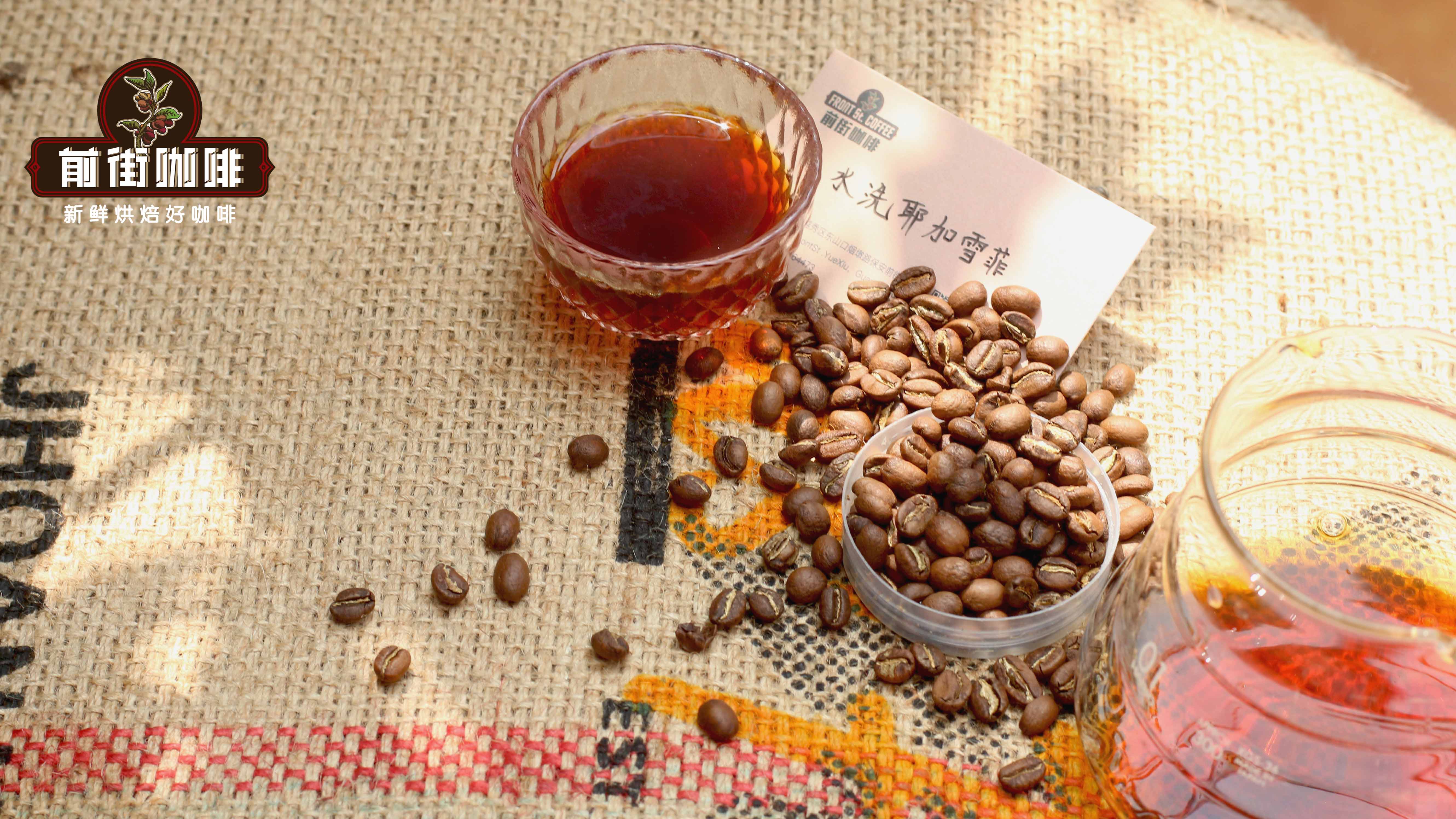
Besides Ethiopia and Kenya, Tanzanian coffee is also worth a try. Though beans from this origin rarely appear on general markets, their acidity holds unique charm. In particular, the Typica variety from the Kilimanjaro mountain area, processed using standard washed methods, exhibits a clean, mineral-like acidity paired with floral and orchard-fresh notes. It is recommended to use a medium roast to balance the acidity and sweetness, and to moderately extend the caramelization reaction during first crack to enhance flavor richness.
It should be noted that this Tanzanian coffee displays citrus, nut, and honey-cream-like flavors when hot, but may develop slight astringency and shift toward a vinegar-like tone as it cools. Therefore, it is recommended to enjoy it while hot to achieve the best balance of acidity and sweetness, as well as optimal aroma expression.
In summary, if you have a particular fondness for the acidic expression in coffee, consider prioritizing beans from African origins such as Ethiopia, Kenya, and Tanzania. These regions not only offer bright acidity, but also each bring unique aromatic and flavor layer profiles. By understanding the flavor characteristics of different origins and mastering suitable roast and pour over parameters, you will be able to more precisely select and brew acidic coffees that match your taste, enjoying a richer coffee experience.
The above content is compiled by CoffeeHunters, a coffee news website.


