







Introduction:SOE (Single Origin Espresso) single-origin espresso beans have become a popular trend in recent years, attracting numerous coffee enthusiasts with their distinctive regional flavor profiles. This article delves into the differences between SOE and regular blended beans, explores the types of SOE beans suitable for espresso, and provides practical extraction parameters and step-by-step recommendations to help readers brew layered, single-origin espresso at home.
In the specialty coffee scene, SOE (Single Origin Espresso) single-origin espresso is gradually standing out, appealing to many coffee lovers who prioritize flavor. As the name suggests, SOE refers to using single-origin coffee beans to make espresso, rather than the traditional blending method. The core purpose of this approach is to highlight the unique flavor characteristics of a specific origin, such as bright acidity, floral and fruity aromas, or rich notes of nuts and chocolate.
The greatest charm of SOE coffee lies in its ability to clearly showcase the flavor profile of a particular region. For example, a naturally processed SOE from Ethiopia’s Yirgacheffe might exhibit jasmine floral notes and a bright citrus acidity, while a Kenyan SOE may present a sweet-tart profile reminiscent of black plums and dark berries. Some cafés prefer a slightly darker roasted SOE, such as Colombian beans with flavors of dark chocolate and caramel, or Brazilian beans with creamy and nutty aromas—ideal for milk-based drinks as they complement the richness of the milk.
Traditional blended coffee emphasizes the balanced and stable flavor profile achieved by combining beans from multiple origins, often used to ensure consistency across every cup. In contrast, SOE takes the opposite approach by striving to highlight the uniqueness of a single origin, thereby placing higher demands on both bean quality and roast profiles. It is not suitable to directly apply lightly roasted beans typically used for pour over, as overly sharp acidity may emerge under the high concentration of espresso extraction. The ideal roast level for SOE usually falls between medium and medium-dark, bringing out depth of flavor while avoiding excessive masking of regional characteristics.
Looking back at history, SOE is not actually a new concept. In the early days of espresso, many cafés used single-origin beans. It wasn’t until later, in pursuit of consistency and cost control, that blends became widely adopted. However, with the rise of specialty coffee culture, more and more consumers are seeking unique flavors and traceability, bringing SOE back into the spotlight. Particularly in coffee competitions, many baristas have created stunning espresso creations through carefully selected single-origin beans and repeatedly fine-tuned extraction parameters, further fueling this trend.
So, what types of coffee beans are suitable for use as SOE? For coffee lovers who prefer bright acidity and fruity, floral notes, medium-light roasted SOEs such as sun-dried Ethiopian beans can be a great choice, often featuring flavors like tropical fruits, berries, and citrus. On the other hand, if you prefer a richer, chocolatey, and nutty profile, you might opt for slightly darker roasted SOEs, such as Brazilian or certain Central American beans, which typically offer creamy, caramel, or dark chocolate undertones and pair especially well with milk.
Regardless of the flavor profile you choose, there are several key elements to pay attention to during extraction.The freshness of the coffee beansis extremely important. It is recommended to use beans roasted within five days to achieve the fullest aroma and flavor. Next,grind size, water temperature, and extraction timemust all be fine-tuned based on the bean’s roast level and processing method. For light-roasted SOEs, which are denser, it is advisable to slightly adjust the grind finer, increase the water temperature, and moderately extend the extraction time to fully release the flavor compounds—but also avoid over-extraction, which can lead to sharp acidity or astringency.
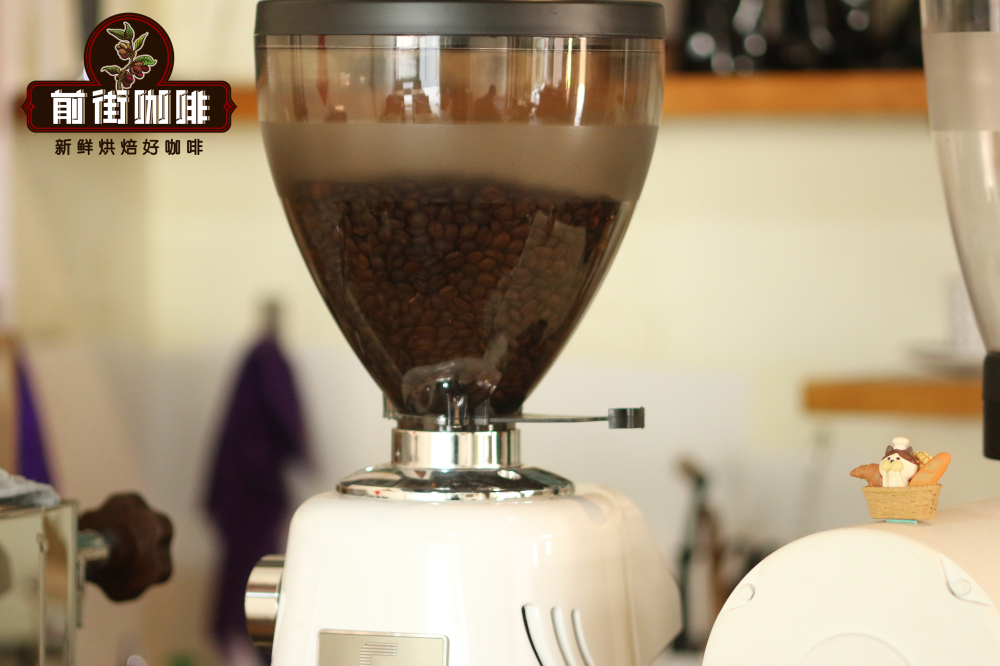
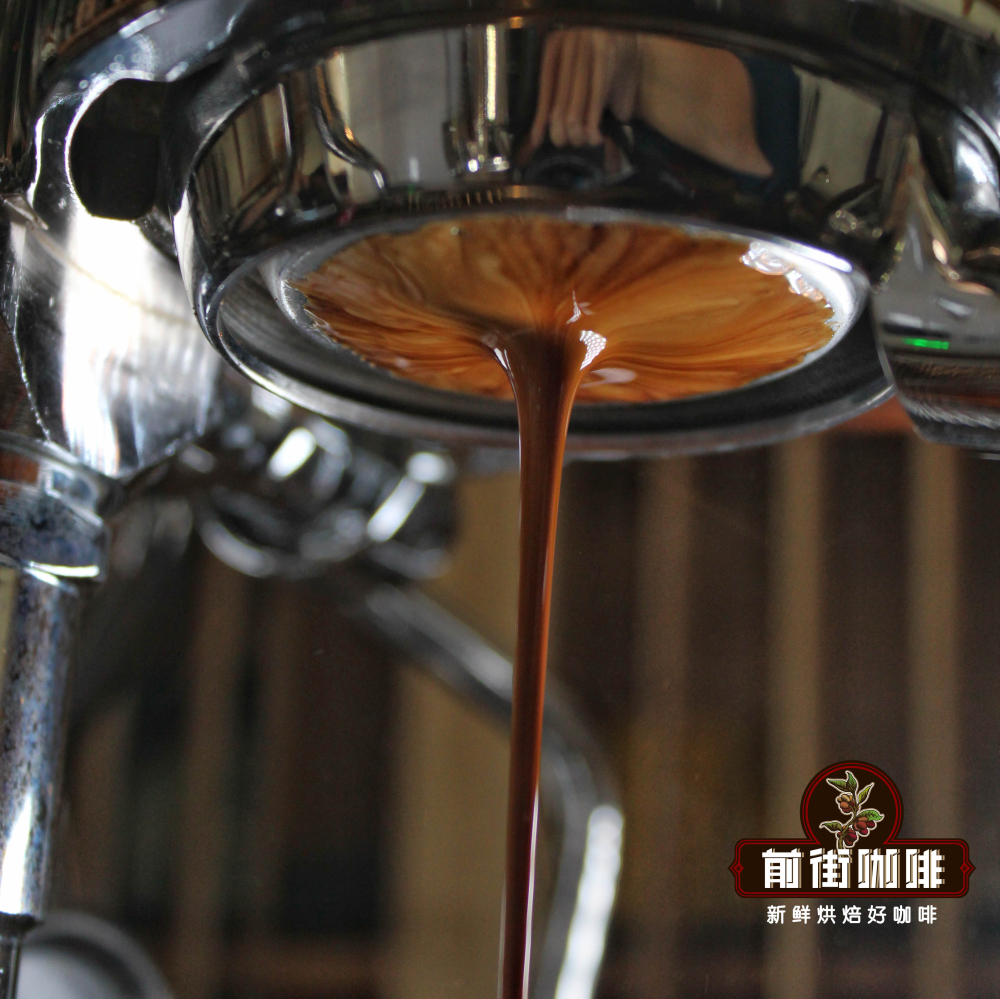
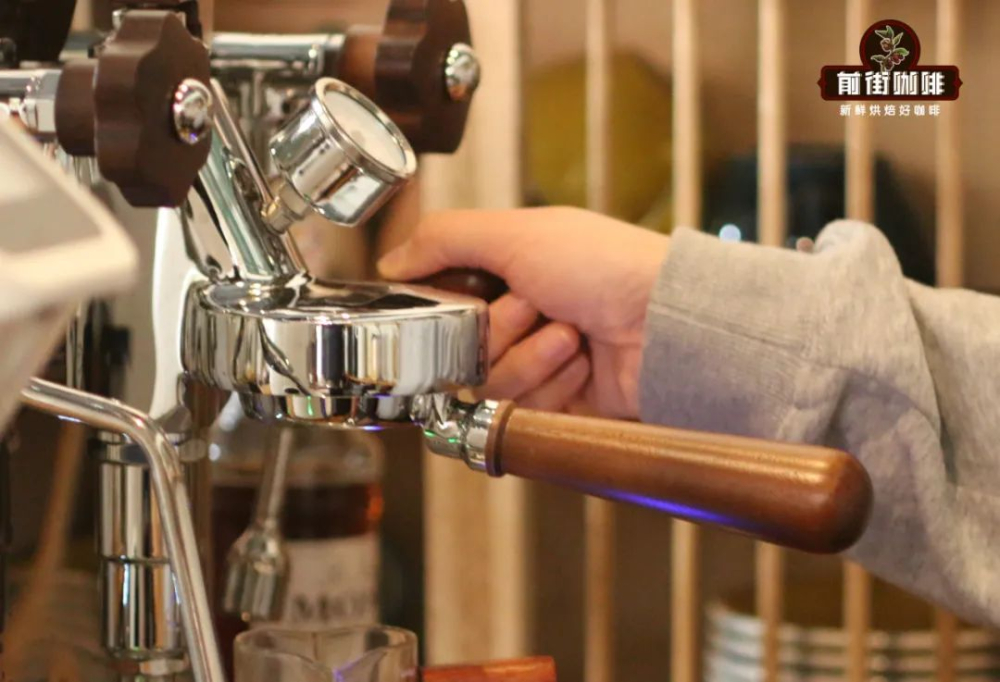
As a practical example, when using a sun-dried Huakui SOE to make espresso, the following extraction parameters are recommended: 20 grams of coffee grounds, aiming for 40 grams of extracted liquid, with a 1:2 coffee-to-water ratio, and an extraction time controlled between 26 to 32 seconds. When using a double basket, ensure the dose is accurate, use a distribution tool to evenly spread the grounds, then apply vertical pressure with a tamper to create a compact and even coffee puck. Before extraction, you may first run water for 1 to 2 seconds to wet the puck and remove any residual coffee grounds, which helps stabilize flow rate and extraction performance.
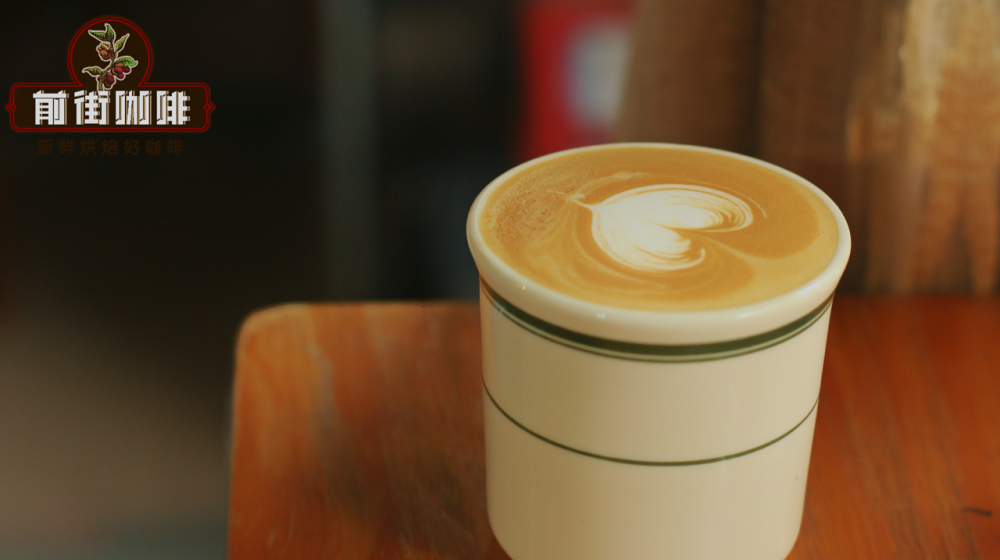
Once extracted, SOE espresso can be used to prepare various coffee beverages, such as lattes, americanos, or flat whites. For a latte, a common coffee-to-milk ratio is 1:5—for example, 40 grams of espresso paired with 200 grams of milk. When steaming milk, it is recommended to maintain a temperature between 55 to 65°C to achieve a smooth and slightly thick microfoam, thereby enhancing the overall drink’s smoothness and flavor complexity. For an iced latte, simply add ice and cold milk first, then pour the extracted espresso over it, and gently stir.
The above content is compiled by CoffeeHunters, a coffee news website.


