







Category: Coffee Knowledge
Analysis of Acidity in Ethiopian Coffee | The Impact of Pour Over Brewing and Roast Levels on Flavor
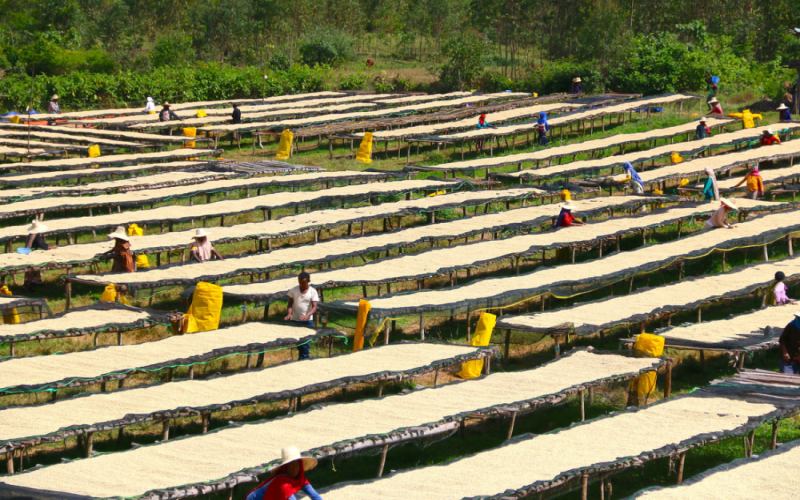
Ethiopian coffee is renowned for its bright acidity, especially beans from regions like Yirgacheffe, which often exhibit a refreshing sourness reminiscent of lemon or citrus. Many beginners mistakenly perceive this acidity as a defect, but it is actually a natural expression of the varietal, growing environment, and processing method. This article delves into the sources of coffee acidity, analyzes how light to medium roasts influence acidity, and provides pour over parameters and techniques to help you achieve a balanced interplay of sweet, sour, and bitter notes—experiencing the layered charm of specialty coffee. [more…]

A Complete Guide to Indonesian Mandheling Coffee: Wet-Hulled Processing and Four Iconic Flavor Profiles
Delve into the unique charm of Sumatran Mandheling coffee from Indonesia, from its traditional wet-hulled processing method to the flavor differences among four renowned bean varieties. This article details the characteristics of Golden Mandheling, Lintong Mandheling, Tiger Mandheling, and Aged Mandheling, while also introducing new flavors from sun-dried processing. It provides roasting profiles, pour over parameters, and cupping flavor descriptions to help you fully master the brewing essentials of Mandheling. [more…]
In-depth Analysis of Indonesian Mandheling Coffee: Flavor, Processing Methods, and Guide to Four Classic Varieties
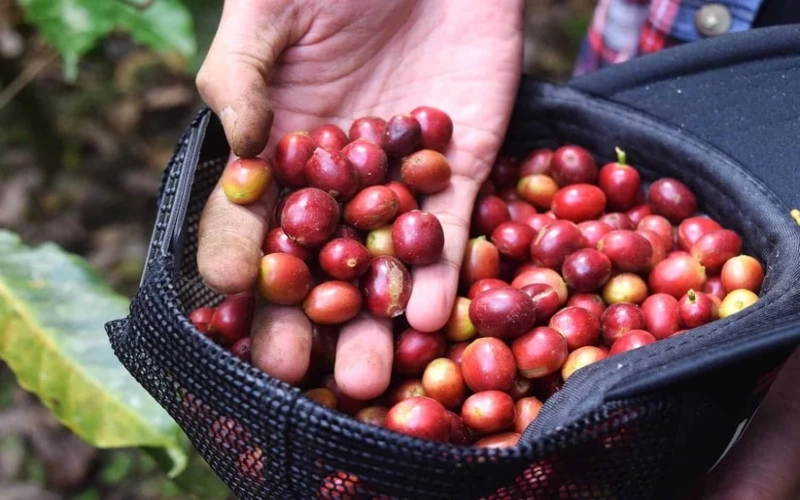
An in-depth exploration of the history of Mandheling coffee from Sumatra, Indonesia, its wet-hulling processing method, and the unique flavor profiles and recommended brewing methods of four classic Mandheling types: Lintong, Golden, Tiger, and Aged. This article will help you understand this specialty single-origin bean with its prominent dark roast flavors, full body, and sweet notes, and master its optimal extraction parameters. [more…]
The Ultimate Guide to Monsooned Malabar Coffee: Origins, Processing Method & Pour Over Flavor Profile
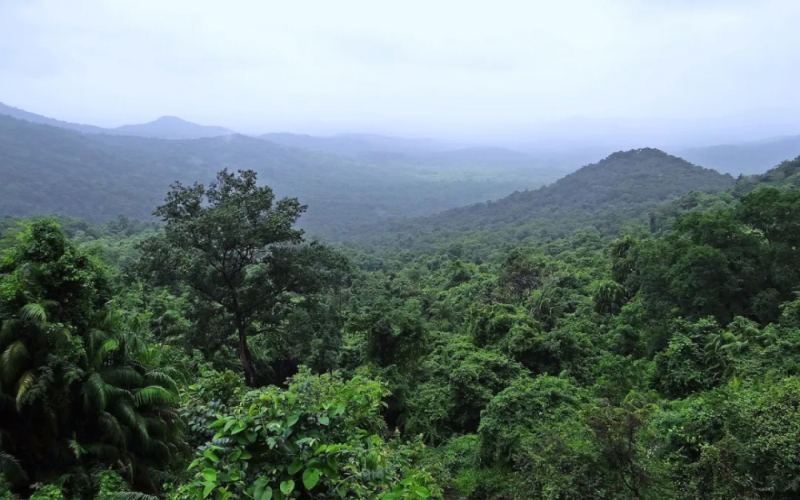
Did you know India has a truly unique coffee processing method? Monsooned Malabar coffee, also known as monsoon coffee, is a type of coffee bean that develops a distinctive flavor through prolonged exposure to oceanic monsoon winds. It doesn’t rely on artificial fermentation or special roasting techniques. Instead, it depends on the naturally high-humidity environment of the Indian southwest monsoon to let the beans naturally expand, change color, and transform in flavor. This article will delve into the regional background, processing details, variety characteristics, and how to brew it with different equipment to bring out the best flavor. [more…]

Indonesia PWN Golden Mandheling Pour Over Tutorial: Flavor Profile & Professional Brewing Techniques
Want to master the pour over technique for PWN Golden Mandheling? Learn everything from the origin background to hands-on brewing in one go. This article dives deep into the flavor characteristics of this classic Mandheling from Sumatra, explains how the wet-hulled process shapes its unique earthy and nutty profile, and provides comprehensive recommendations on water temperature, grind size, brew ratio, and pulse pouring to help you scientifically extract a rich and balanced cup. [more…]
The Complete Guide to Indian Monsoon Coffee: Weathering Process, Flavor Profile & Brewing Tips
Monsoon coffee is a uniquely processed coffee originating from southern India, where beans are naturally aged by prolonged exposure to the southwest monsoon winds. This results in a distinctive flavor profile with low acidity and a rich body. This guide delves into its historical origins, detailed processing steps, green bean transformation mechanisms, and offers practical roasting profiles and pour over parameters to help you fully master this classic Asian coffee—golden-hued and notably low in acidity. [more…]
Complete Guide to India’s Five Major Coffee Varieties and Monsoon Processing: Flavor Profiles and Brewing Recommendations
India is the world’s fifth-largest coffee producer, boasting a long-standing coffee culture. Its unique geographical environment and processing techniques give rise to beans with distinctive flavor profiles. This article delves into the characteristics of India’s five major coffee varieties, analyzes the unique production process of Malabar monsooned coffee, and shares professional roasting and pour over parameters to help you fully master the brewing essentials and flavor profiles of Indian coffee. [more…]

Analysis of Coffee Flavors from Indonesia’s Two Classic Regions: Pour Over Comparison and Brewing Recommendations for West Java vs. Sumatra Mandheling
As a globally renowned coffee origin, Indonesia is home to two distinctly unique coffees: Sumatra Mandheling and West Java. This article delves into the historical background, growing environments, varieties, and processing methods of these two regions, helping you understand their notable flavor differences. It also provides practical pour over parameters and step-by-step brewing suggestions to help you more precisely extract each bean’s unique character—making it an essential beginner’s guide for those interested in exploring Southeast Asian coffee flavors. [more…]
Analysis of the Differences Between Washed and Natural Coffee Processing Methods | 5 Highly Rated Washed Beans Recommended
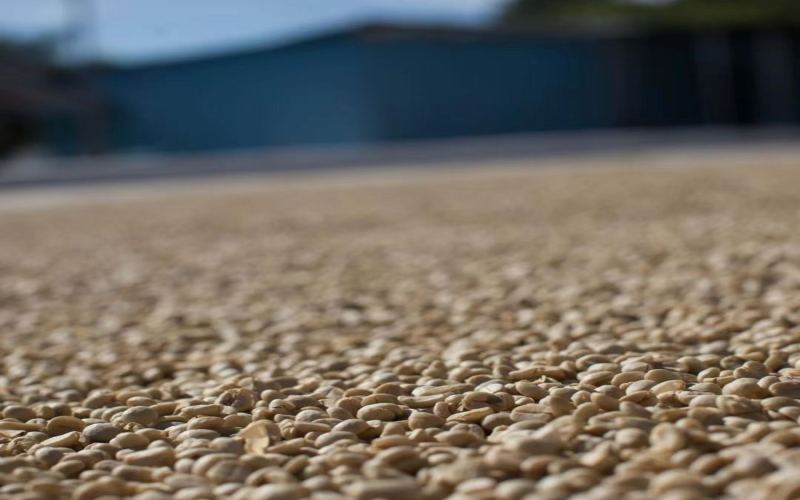
Understand the processing principles and flavor characteristics of the two major coffee processing methods—washed and natural—to help you choose the right beans based on your taste preferences. This article details the complete steps of the washed process, compares its pros and cons, and features five meticulously selected washed coffee beans from Ethiopia, Panama, Kenya, Rwanda, and Jamaica, perfect for pour over enthusiasts to explore in depth. [more…]
A Complete Guide to Bourbon Coffee Beans: Flavor Profiles, Regional Distribution, and Variety Evolution
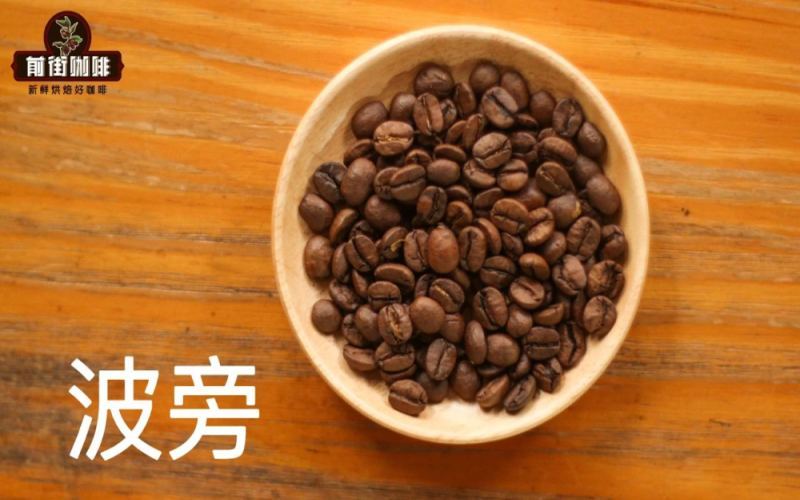
As a classic variety with a long history in the Arabica family, Bourbon coffee beans are renowned for their distinctive sweetness and diverse flavor profiles. This article delves into the origins of Bourbon, its relationship with Typica, its major global growing regions, as well as the characteristics of rare varieties such as Red Bourbon, Yellow Bourbon, Pink Bourbon, and Slender Bourbon. It helps readers comprehensively understand the essential knowledge about this specialty coffee and learn how to choose the right Bourbon variety based on flavor preferences. [more…]
Comparison of Flavors: Colombian Hua Yue Ye vs. Rose Valley | How to Brew Anaerobically Processed Coffee Beans?
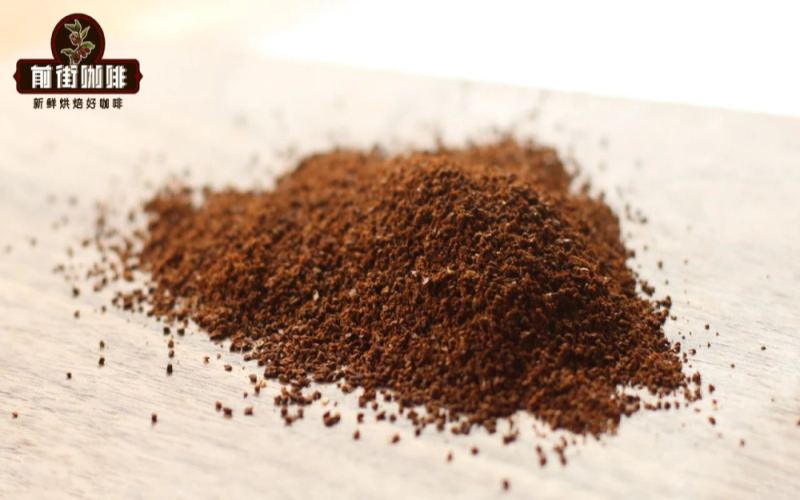
This article provides an in-depth analysis of two popular anaerobically processed coffee beans from Colombia — Hua Yue Ye and Rose Valley. It breaks down their variety characteristics, processing methods, and flavor profiles, while also highlighting the differences compared to traditional washed beans. Practical pour over recommendations and parameters are included to help coffee enthusiasts better master the brewing techniques and unique qualities of high-altitude Colombian beans. [more…]
An In-Depth Analysis of Kenya AA & PB Beans | Pour Over Parameters & Flavor Comparison Guide
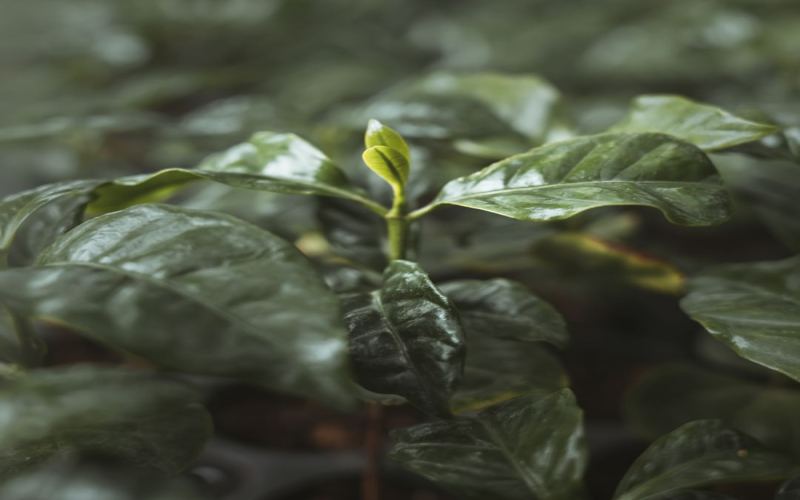
Kenyan coffee is renowned for its bright acidity and rich fruitiness, with AA and PB grade beans being top choices among many pour over enthusiasts. This article delves into the development background, regional characteristics, and grading system of Kenyan coffee, and provides a detailed comparison between two classic bean varieties—Assalyia AA TOP and Thithi PB. It offers practical pour over brewing parameters and flavor notes to help you fully grasp the essence of Kenyan coffee from cultivation to cup. [more…]
A Head-to-Head of Washed and Natural Yirgacheffe: Understand the Flavor Differences from Processing to Brewing
Even within Yirgacheffe, the washed and natural processing methods deliver remarkably different coffee experiences. This article takes coffee beans from the same origin and variety as examples, diving deep into how the two processing methods differ in dry aroma, mouthfeel, and acid-sweet balance. It also provides precise pour over parameters and practical brewing advice, helping you fully grasp the flavor profile from aroma to taste—whether you're a beginner or a seasoned enthusiast, you'll find your own flavor key. [more…]
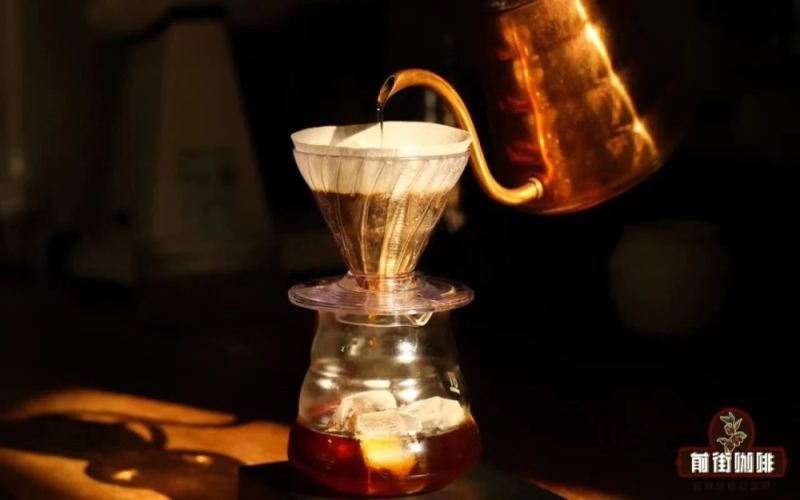
How to Adjust Grind Size for Pour Over Coffee? A Complete Guide from Coarseness Comparison to Flavor Analysis
The grind size of pour over coffee is one of the key factors that influence extraction efficiency and flavor expression. The right grind size allows water and coffee grounds to interact fully, extracting the optimal aroma and taste. This article details how different grind sizes affect extraction — including how particle size changes the surface area between water and coffee, extraction rate, and final flavor performance — and provides a practical comparison chart to help you adjust to the most suitable grind size based on the roast level of your coffee beans and the equipment you’re using. [more…]
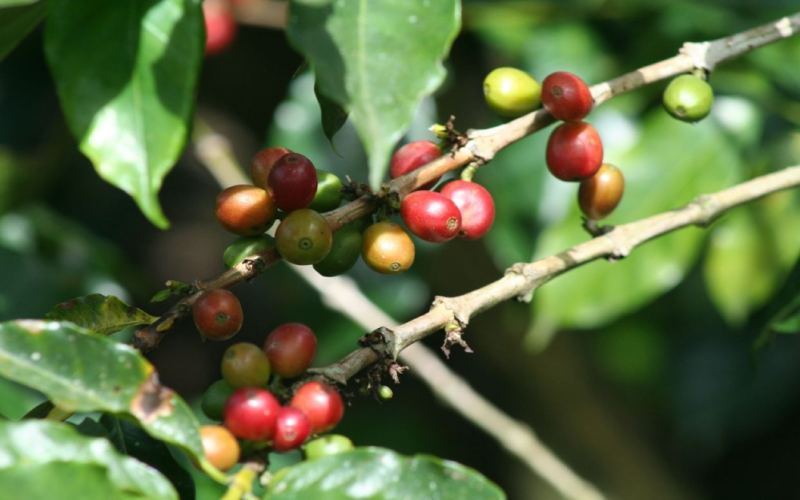
How to choose between sun-dried and washed coffee beans? 5 pour over sun-dried bean recommendations and flavor analysis
Sun-dried and washed are the two most mainstream processing methods for coffee beans. The difference lies in the fermentation method and drying process, resulting in distinctly different aroma profiles and taste experiences. This article delves into the technical details and flavor characteristics of both methods, and carefully selects 5 high-quality sun-dried beans from Ethiopia, Panama, Brazil, and Yunnan, China, providing information on altitude, variety, and specific flavor descriptions to help pour over enthusiasts choose the right beans based on personal preference. [more…]

Panama Finca Jade Diamond Mountain Coffee Tasting: A Complete Guide to Caturra & Catuai Varieties and Natural Processing
Finca Jade is not only known for its Geisha, but its Diamond Mountain series primarily features the Caturra and Catuai varieties, showcasing a unique tropical character through expertly executed natural processing. This article provides an in-depth analysis of the origin of this high-altitude Panamanian coffee, including the terroir of the Boquete region, details of the processing method, and offers professional roasting profiles, cupping data, and pour over recommendations—helping you fully understand the potential of this specialty bean. [more…]
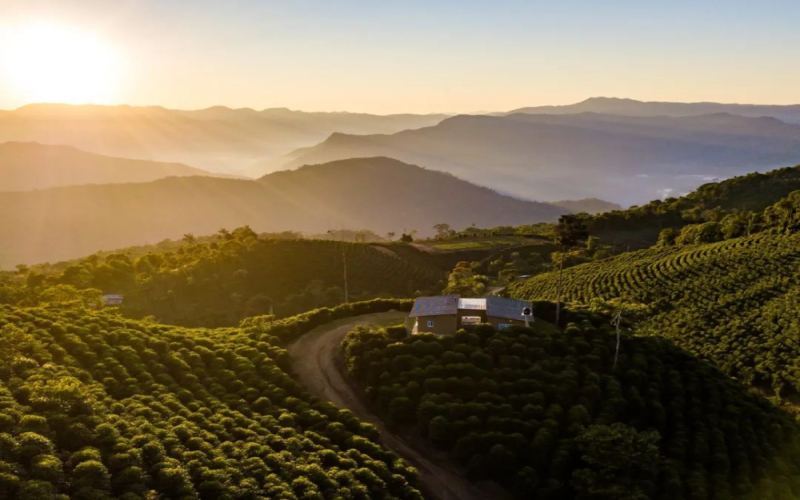
Bolivia Caturra Coffee Beans Flavor Profile: La Paz Region & Cocoa Natural Process for Pour Over Beginners
These Caturra coffee beans from the Arabistas Estate in the Caranavi region of La Paz, Bolivia, showcase rich fruity aromas and bold sweetness through the cocoa natural processing method. This article delves into how the region’s altitude, varietal characteristics, and processing techniques shape its unique flavor profile, and provides professional roasting recommendations, cupping notes, and practical pour over parameters to help you fully experience the potential of this highland specialty bean. [more…]
Analysis of the Differences Between Aricha and Idido Washing Stations in Yirgacheffe: A Comparison of Red Honey and Natural Flavors with Roasting Recommendations
The Aricha and Idido washing stations in the Yirgacheffe region, although differing in name, both belong to the micro-region of Wush Wush and are renowned for their premium washed processing and specialty methods. This article delves into their historical backgrounds, processing techniques, and quality consistency, while providing a detailed comparison of the red honey and natural processing methods. It also includes actual roasting profiles and flavor profiles to help you better understand the brewing potential of these two classic Yirgacheffe coffees. [more…]
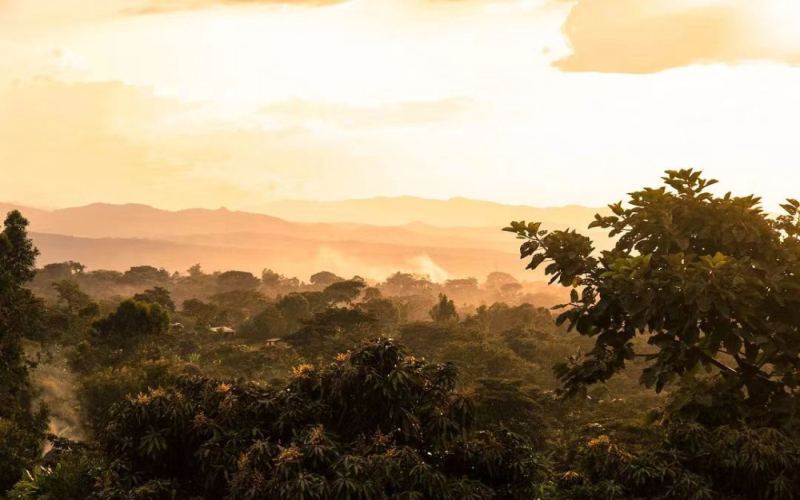
A Complete Guide to Ethiopian Coffee Bean Grading from G1 to G9 | Differences in Quality and Flavor Between Washed and Natural Processed Beans
Dive deep into Ethiopia’s unique coffee bean grading system, exploring the scoring criteria from G1 to G9, how washed and natural processing affects grade and flavor, and how the Red Cherry Project enhances quality. This article takes you through a professional understanding of processing characteristics in renowned regions like Yirgacheffe, and analyzes the actual drinking experience behind cupping data. [more…]
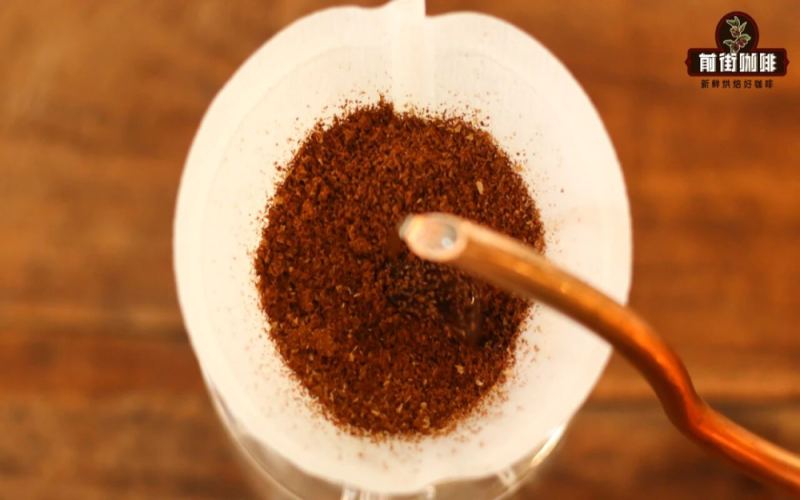
Why Do African Coffee Beans Taste Acidic? A Comprehensive Analysis of Coffee Acidity from Flavor to Brewing
Many beginner coffee drinkers, when tasting single-origin coffee for the first time, often suspect it has gone bad due to its pronounced acidity. In fact, acidity is not a defect but one of the important flavor characteristics of specialty coffee. This article delves into the sources of coffee acidity, teaches you how to distinguish good acidity from bad, and explains how factors such as roast level, water temperature, and grind size affect the expression of acidity. It also introduces several African coffee bean varieties renowned for their fruity acidity, helping you develop a correct understanding of coffee acidity. [more…]