







Introduction:Want to understand the difference between espresso blends and single-origin espressos (SOE), and the unique Americano flavors each brings out? This article dives deep into the three key advantages of blended coffee: cost control, flavor consistency, and creative character, while also exploring the distinct traits of SOEs. It also provides practical extraction parameter suggestions—including ratios for espresso, hot latte, and Americano—to help you make the best choice based on your taste preferences.
In the world of specialty coffee, espresso blends and single-origin espressos (SOEs) have long been a hot topic of debate among coffee enthusiasts. Which type of beans should you choose to brew the ideal Americano? In truth, both types of beans are designed with specific purposes and characteristics in mind, and it’s not easy to simply declare one superior to the other.
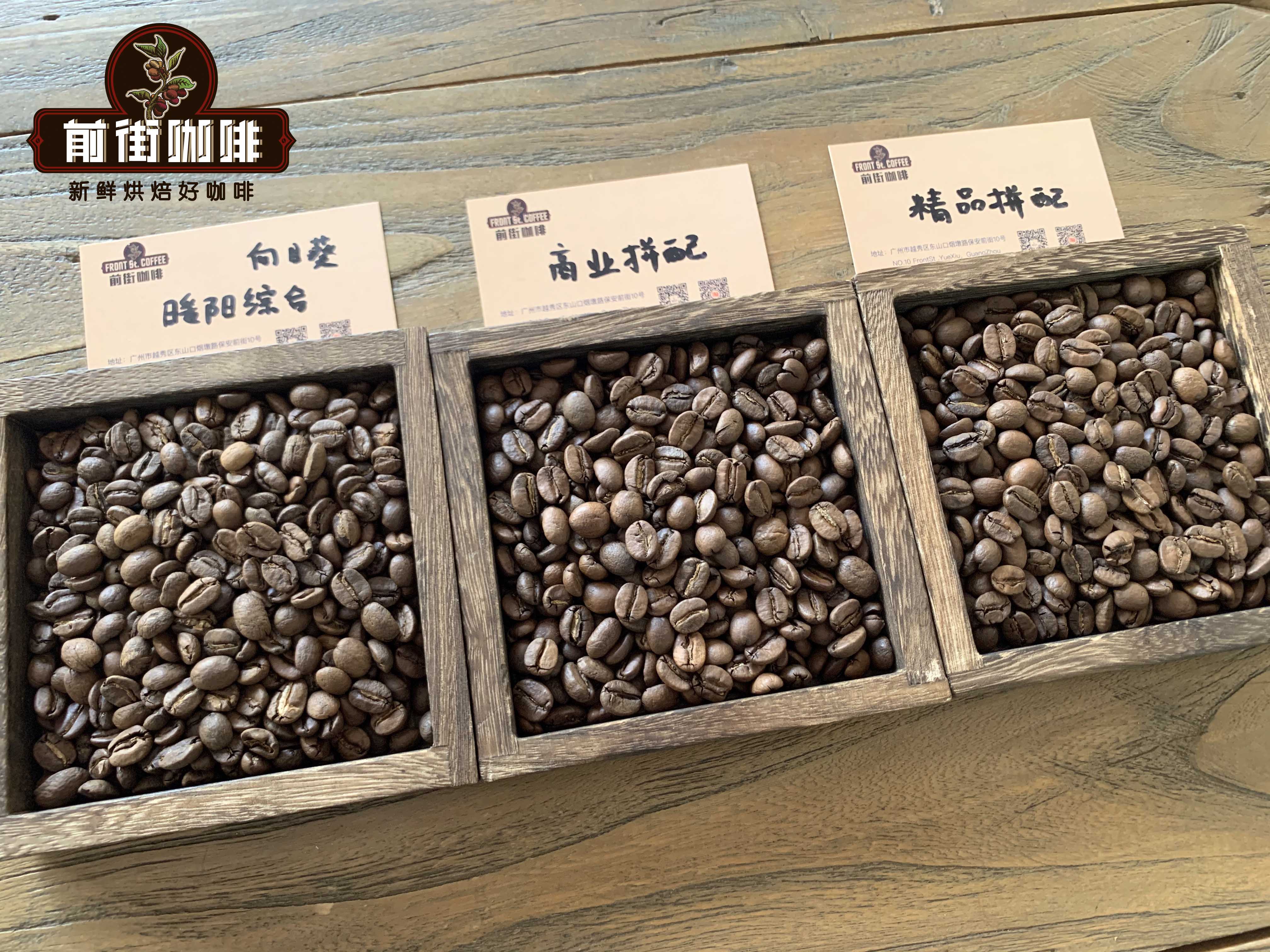
Blended coffee, as the name suggests, is made by combining two or more single-origin beans from different regions or processed using different methods, according to a specific ratio. This blending is not random but is meticulously crafted by professional roasters with the goal of leveraging the strengths of each bean while balancing the overall flavor profile.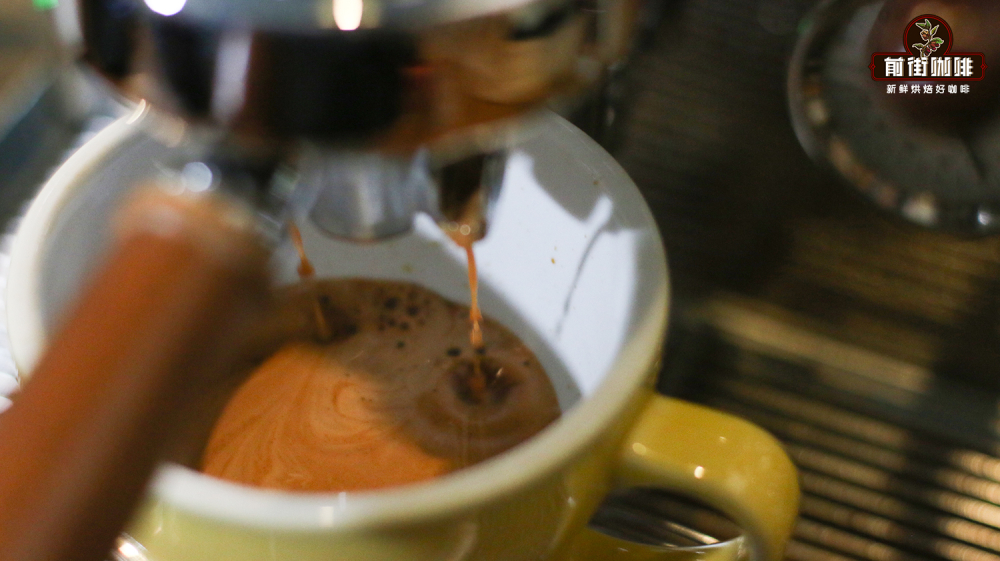
Generally speaking, blended coffee serves three main purposes: first, by mixing beans with different characteristics, it effectively reduces procurement costs while maintaining product value; second, it ensures relatively stable coffee flavor across different harvest seasons, minimizing the impact of fluctuations in regional yields; third, through clever combinations, it creates complex layers and unique tones that are difficult for single-origin beans to achieve on their own.
When evaluating the quality of a blend, one shouldn’t focus solely on individual flavor notes but should consider its design intent and pricing strategy. For example, some blends are specifically created to reduce costs, using relatively basic-grade beans, and thus shouldn’t be directly compared in flavor depth with higher-priced SOEs. On the other hand, if a blend is designed to showcase creativity and balance with carefully selected beans, its performance may even surpass some SOEs.

SOE, or Single Origin Espresso, refers to espresso made using beans from a single origin and a single processing method. This type of coffee can more directly reflect the unique terroir of its region of origin, such as bright acidity, distinctive sweetness, or a solid body. For drinkers who prefer pure and clear flavors, SOEs often hit the mark.
However, SOEs also have their limitations. Since they rely solely on the characteristics of beans from a single origin, their flavor stability across different harvest seasons may not be as consistent as that of carefully blended coffees, and they may also fall slightly short when it comes to achieving ultimate balance and complexity.
For example, one coffee brand once launched a blend tailored for fruit-flavor lovers—Strawberry Candy espresso. This blend consists of beans from Ethiopia, Colombia, and Costa Rica, roasted to a medium level, and when brewed, it releases delicate aromas of rose, citrus, grape, and dried blueberry. When used to make an Americano, its flavor is fresh and sweet, reminiscent of fruit gummies, with a lingering aftertaste—a typical example of creative blending.
The formulation of a blend also requires careful consideration. Typically, it’s recommended to use 2 to 4 single-origin beans; too many varieties can make the overall flavor overly complex and hinder the expression of distinct characteristics. Additionally, the choice of roast level is crucial—for instance, medium-dark roasts can bring out richer caramelization reactions, helping to form a dense crema and full-bodied mouthfeel, making them suitable for milk-based drinks.

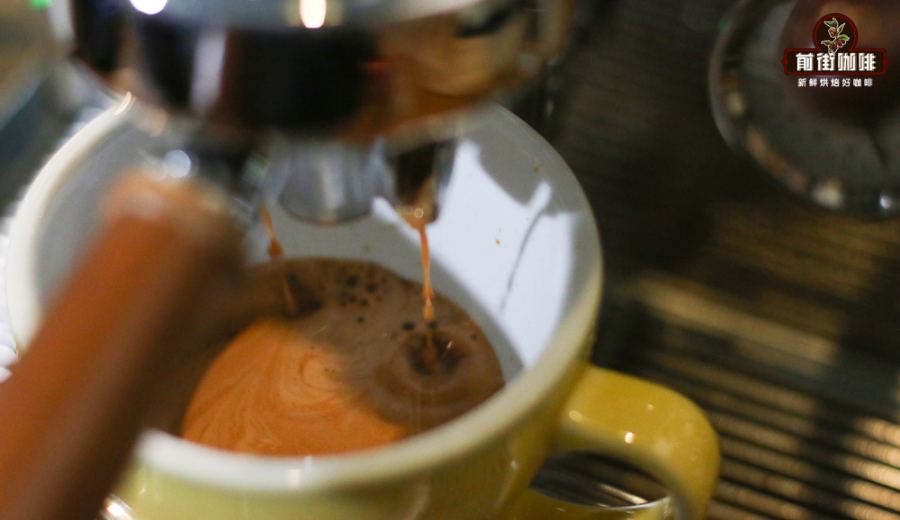
In actual drinking, the vast majority of consumers don’t drink espresso straight but use it as a base, mixed with milk or hot water to make lattes or Americanos. Taking classic espresso extraction as an example, it’s recommended to use about 20 grams of coffee grounds to extract 40 grams of espresso within 26 seconds—this ratio achieves a rich and balanced taste.
As for hot lattes, you can mix 40 grams of espresso with 240 grams of steamed milk to create a smooth and aromatic milk coffee; if you prefer a purer coffee experience, a common ratio for hot Americanos is 40 grams of espresso mixed with 200 grams of hot water—refreshing and not overly heavy, perfect for everyday enjoyment.
In summary, both blended coffee and SOEs have their own charm and suitable scenarios. If you’re after stable flavors, rich layers, and diverse tones, a well-designed blend is the ideal choice; if you appreciate the pure characteristics and clear flavor expression of a single origin, then SOEs can meet your needs. Whichever you choose, mastering the correct extraction parameters will allow you to enjoy a coffee experience that’s closer to ideal.
The above content is compiled by CoffeeHunters, a coffee news website.


