







Introduction:Gain an in-depth understanding of the definition and regional characteristics of single-origin coffee beans, and learn how to choose the beans that best suit your flavor preferences. This article features representative beans from Asia, Africa, and Latin America, providing detailed introductions to each bean’s origin, altitude, variety, processing method, and unique flavor profile. Along with practical guidance, it helps beginners establish a clear approach to selecting beans and enjoy the layered pleasures of pour over coffee.
As specialty coffee culture becomes increasingly popular, more and more coffee enthusiasts are beginning to appreciate the charm of single-origin coffee. Single-origin coffee beans refer to beans sourced from a single origin, typically without added flavors, presenting the unique flavor characteristics of that region in the purest way possible. Due to differences in growing conditions and processing methods, these coffees often showcase highly distinctive regional traits, making them an ideal starting point for pour over lovers exploring the world of coffee.
Among the many single-origin coffee beans, they can generally be divided into three major categories based on regional geography: Asia, Africa, and Latin America. Each region, influenced by climate, soil, altitude, and processing methods, produces coffee with distinctly different personalities. For example, beans from Asian regions are often full-bodied, low in acidity, and exhibit spicy or herbal notes; African beans are known for their bright acidity, citrusy fruitiness, and floral profiles; while Latin American coffees often express nutty, chocolatey, and well-balanced acidity-sweetness structures. Understanding these basic distinctions can help you more accurately select coffee beans that match your taste.

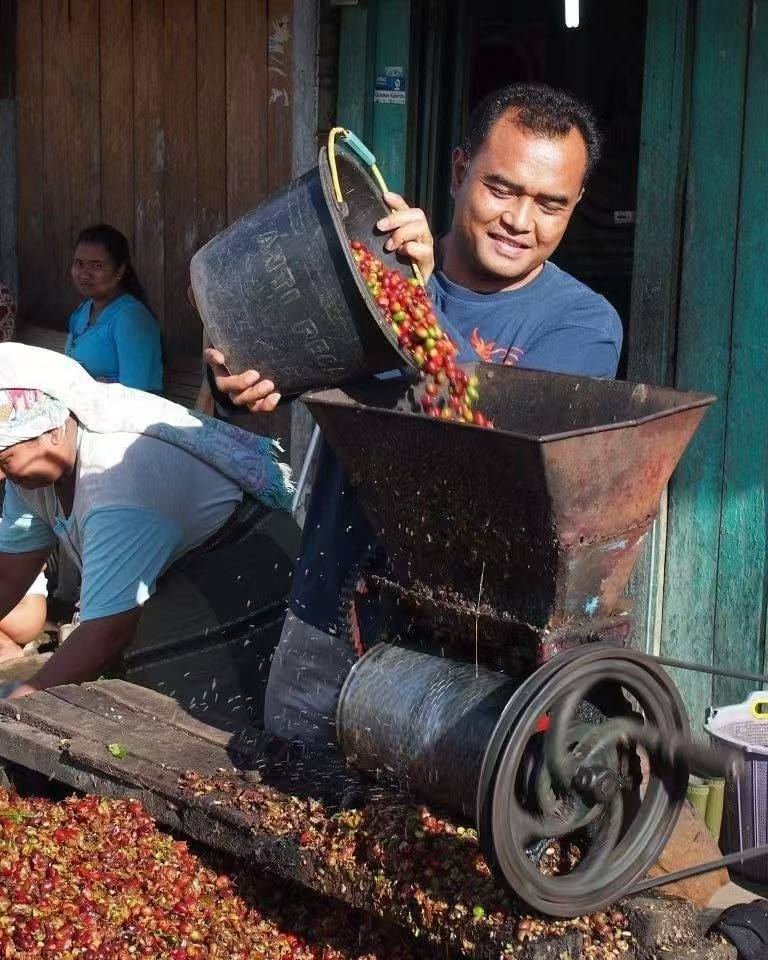
First, let’s look at the Asian region, where coffees are generally rich and full-bodied in flavor, often accompanied by unique herbal or spicy aromas. Indonesia’s Sumatra Mandheling is one such representative, and its unique “wet-hulled processing method” gives this coffee a low-acidity, full-bodied profile with earthy and woody notes. The wet-hulling process was developed to adapt to Indonesia’s rainy climate, ensuring stable green bean quality even when full sun drying isn’t possible, resulting in Mandheling’s distinctive flavor profile.
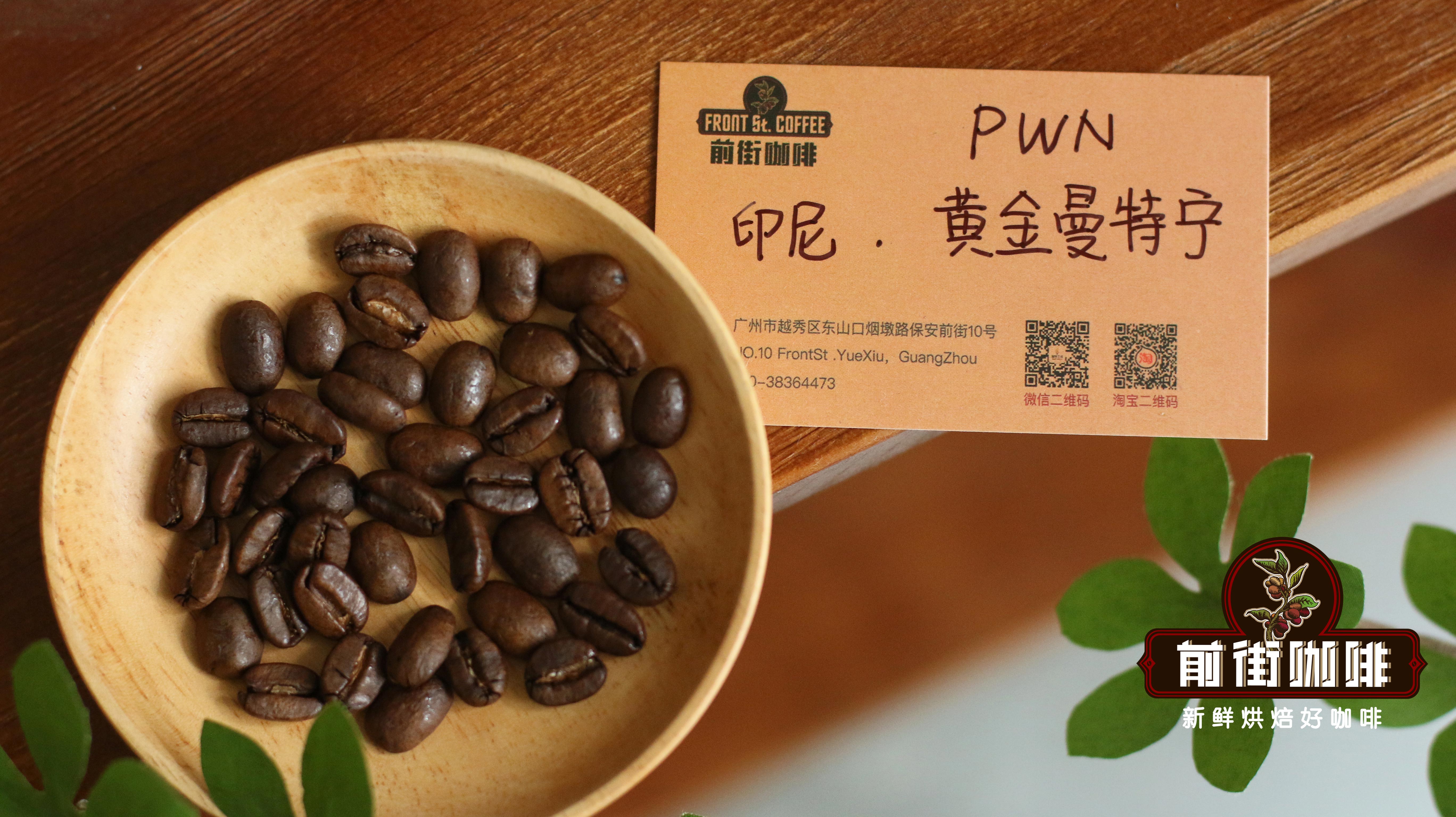
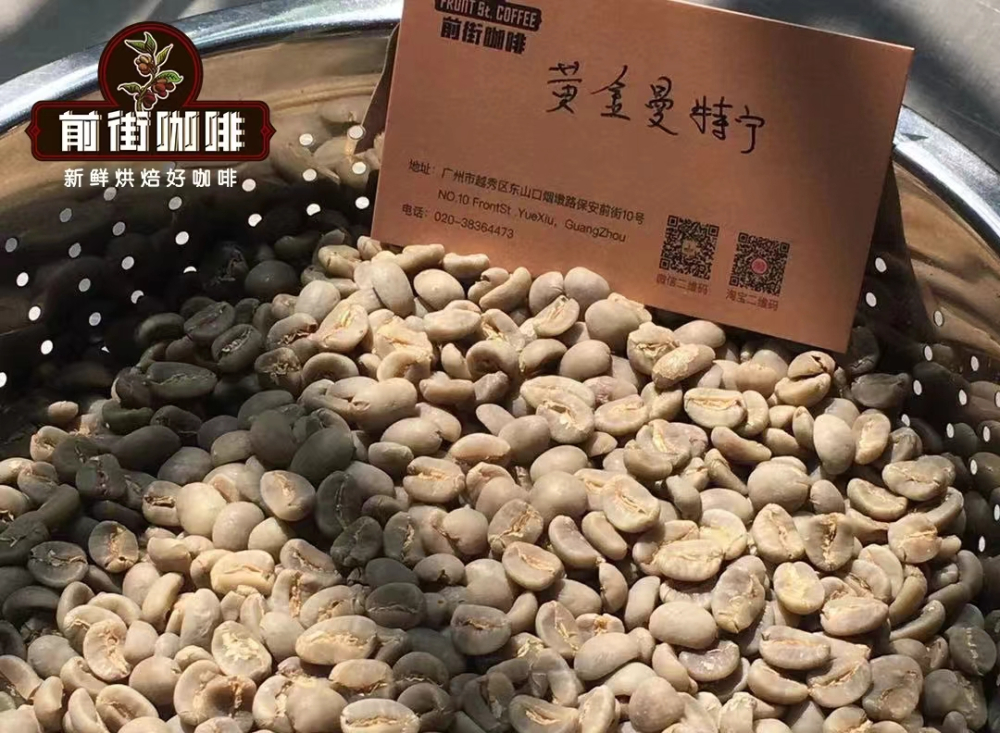
Indonesia’s PWN Golden Mandheling, sourced from Gayo Mountain in Aceh, Sumatra, at an altitude of approximately 1100–1600 meters, is processed using the Ateng variety and the wet-hulled method. This coffee often presents tasting notes of toasted bread, nuts, pine, and caramel in cupping, and due to strict selection, it has an extremely low defect rate, resulting in a cleaner and more full-bodied taste. Other Indonesian coffees such as Lintong Mandheling, Tiger Mandheling, aged Mandheling, and sun-dried Mandheling also each have their own unique characteristics, offering a diverse range of flavors from low-acid richness to tropical fruitiness.
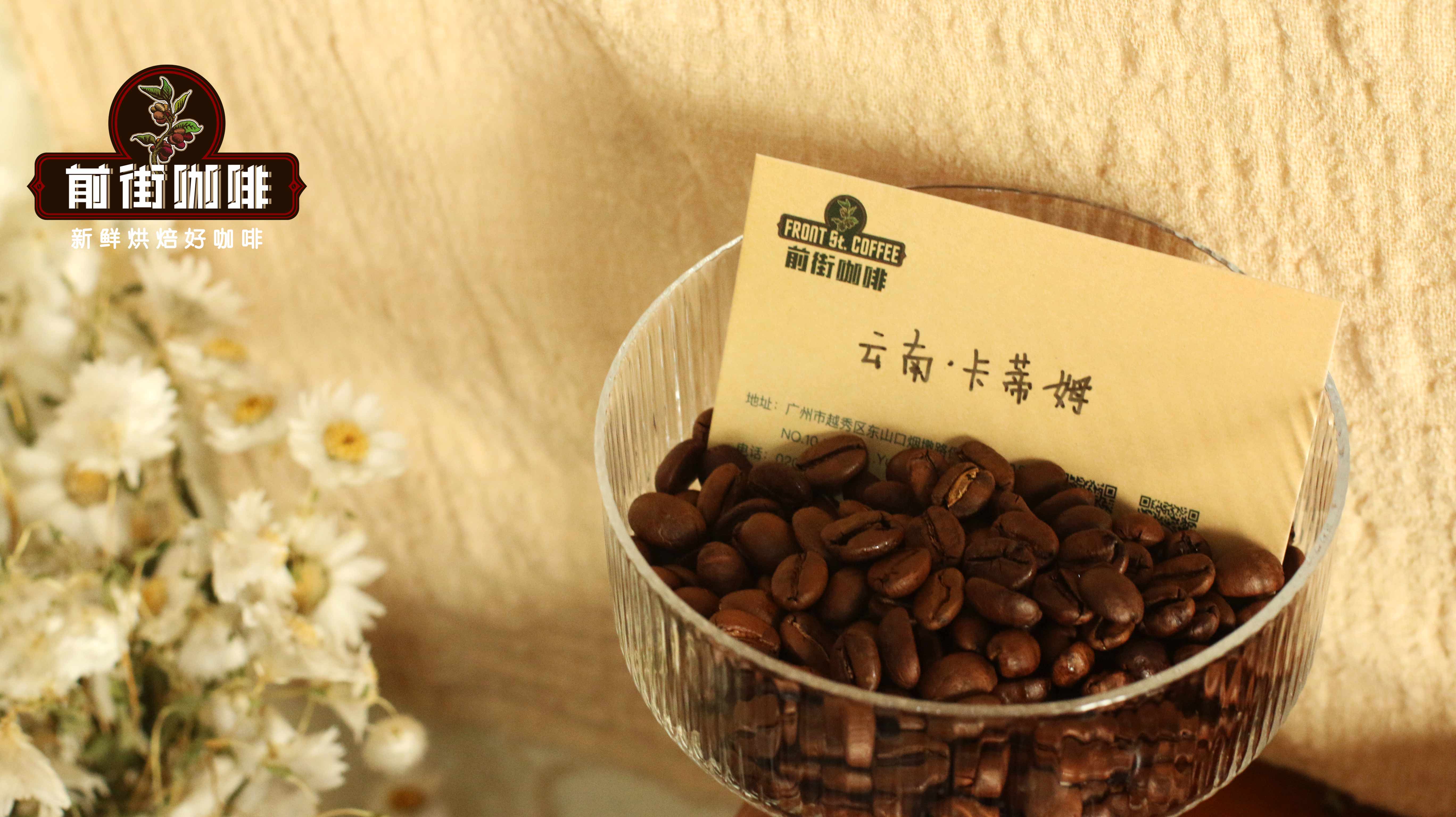
Beyond Indonesia, coffee from China’s Yunnan region is also gradually making its mark in the specialty market. The Typica and Catimor varieties grown there showcase either gentle fruit acids with floral and fruity aromas, or a solid mouthfeel with caramel and chocolate undertones. Papua New Guinea’s Little Blue Mountain coffee, due to its historical and climatic background, is considered a region with flavors close to those of Jamaica Blue Mountain—full-bodied yet with a refreshing acidity, and is highly favored by drinkers who enjoy balanced profiles.
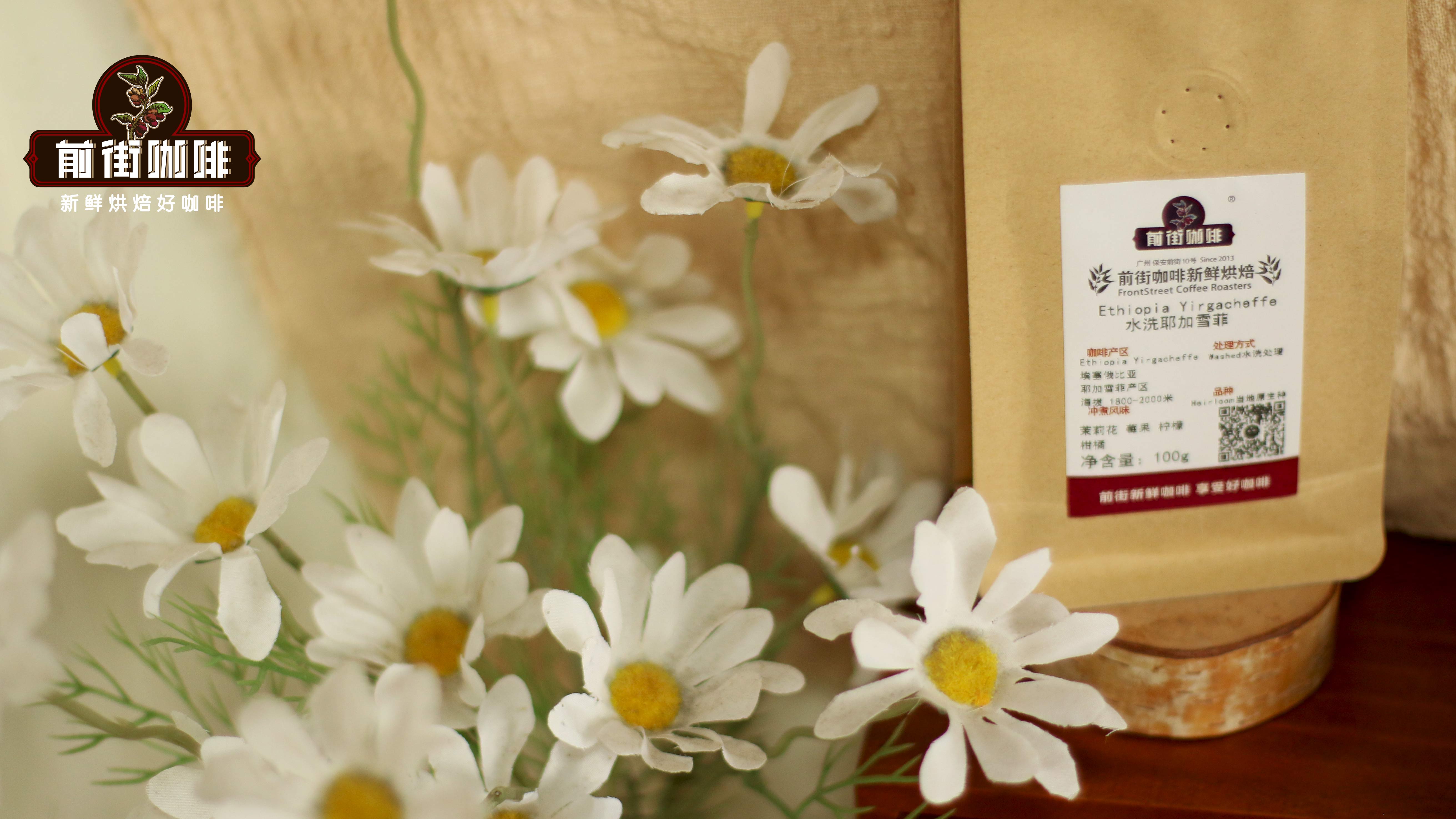
Turning to the African region, known as the birthplace of coffee, it is also home to many single-origin coffees with distinct flavors and bright acidity. Ethiopia’s Yirgacheffe and Sidamo are often the first choices for many coffee beginners starting their pour over journey. Yirgacheffe primarily uses native coffee varieties, commonly processed via washed or natural methods—the former showcasing intense berry, lemon, and fermented wine notes, while the latter presents softer berry and tea-like aromas. Sidamo’s Huikaio is renowned for its strawberry, honey, and floral tea notes, and is an outstanding representative at the competition level.
Kenyan coffee is known for its vibrant acidity and layered complexity, commonly using the SL28 and SL34 varieties. With a 72-hour long fermentation washed process, it imparts bright fruit acids reminiscent of cherry tomatoes, black plums, and red plums, delivering a full-bodied taste with a long-lasting aftertaste.

As for the Latin American region, coffees from this area typically exhibit the best balance, blending notes of nuts, chocolate, caramel, and moderate acidity, making them ideal for drinkers who prefer a stable flavor profile. Brazil’s Yellow Bourbon is well-known for its sweetness and nutty character, and the semi-washed process at Queen’s Estate brings out peanut, butter, and fermented fruit notes, making it a common base choice in many blends.
Costa Rica’s Musician Series, such as Mozart, Bach, and Beethoven, showcase a rich array of berry, raisin, and wine-like notes through honey and washed processes, with each having its own unique aromatic narrative and flavor structure. Colombia is also known for its special fermentation processes, such as the rum barrel fermentation at Santa Helena Estate, the anaerobic sun-dried process of Huayu Ye, and the dual-enzyme washed process of Rose Valley, all of which impart layers of wine, berry, and tropical fruit flavors.
In summary, the charm of single-origin coffee lies in its ability to authentically reflect the terroir and processing techniques of its origin, with each bean serving as a unique vessel of flavor. Whether you’re a beginner just starting with pour over or an experienced coffee enthusiast, understanding the flavor characteristics and processing methods of each region allows you to choose the beans that best suit your palate with confidence, and enjoy the surprise and depth of every brew.
The above content is compiled by CoffeeHunters, a coffee news website.


