







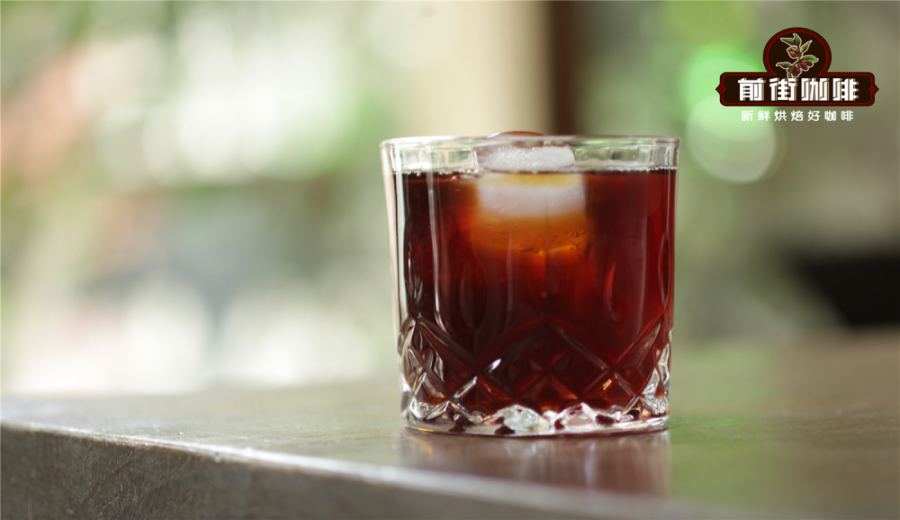
Introduction:Both cold drip and cold brew belong to low-temperature extraction methods, but they differ greatly in technique, time required, and flavor profile. This article dives deep into the brewing principles of both, including key parameters (such as grind size, coffee-to-water ratio, and drip rate). Using a light-roast washed Yirgacheffe as an example, we’ll guide you through an intuitive comparison of the wine-like freshness of cold drip and the fruity richness of cold brew, helping you choose the cold coffee method that best suits your taste preferences.
Many coffee enthusiasts, when first exploring cold coffee, often wonder what exactly sets cold drip apart from cold brew. Although both methods avoid high-temperature extraction, their processes and timeframes result in distinctly different flavor profiles. Cold drip involves slow filtration of ice water through coffee grounds, often taking several hours, yielding a crystal-clear liquid reminiscent of spring water with a unique fermented wine-like character. Cold brew, on the other hand, relies on prolonged soaking in cold water with a relatively simple process, resulting in a richer, fuller mouthfeel that perfectly preserves the bean’s inherent fruit notes and sweetness. If you’re unsure which cold coffee to try, the detailed breakdown below will offer practical guidance.
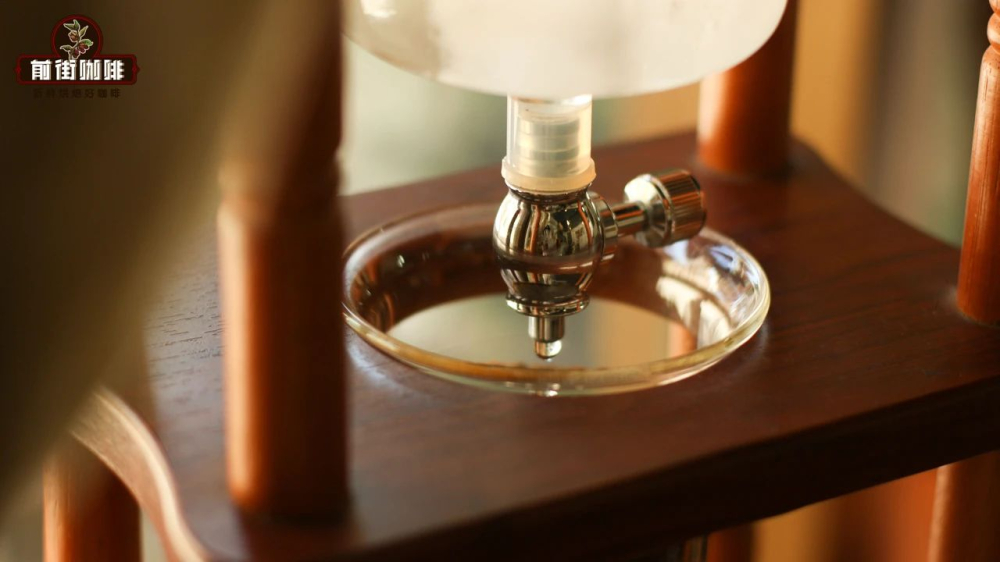
The core of cold drip lies in “drip filtration”—ice water slowly seeps drop by drop through the coffee grounds, gradually extracting flavor compounds. This process is not only time-consuming (typically around 6 hours), but also requires specialized equipment to control the drip rate and ensure stability. In practice, it’s recommended to use 60 grams of coffee grounds (with a grind size slightly finer than pour over, about 85% passing through a #20 sieve), and to precisely adjust the drip rate to 7 drops per 10 seconds. This setup yields approximately 600 milliliters of coffee. It’s worth noting that while the coffee is drinkable right after dripping, refrigerating it for 12 hours enhances balance in flavor, making the wine-like notes and refreshing qualities more pronounced.
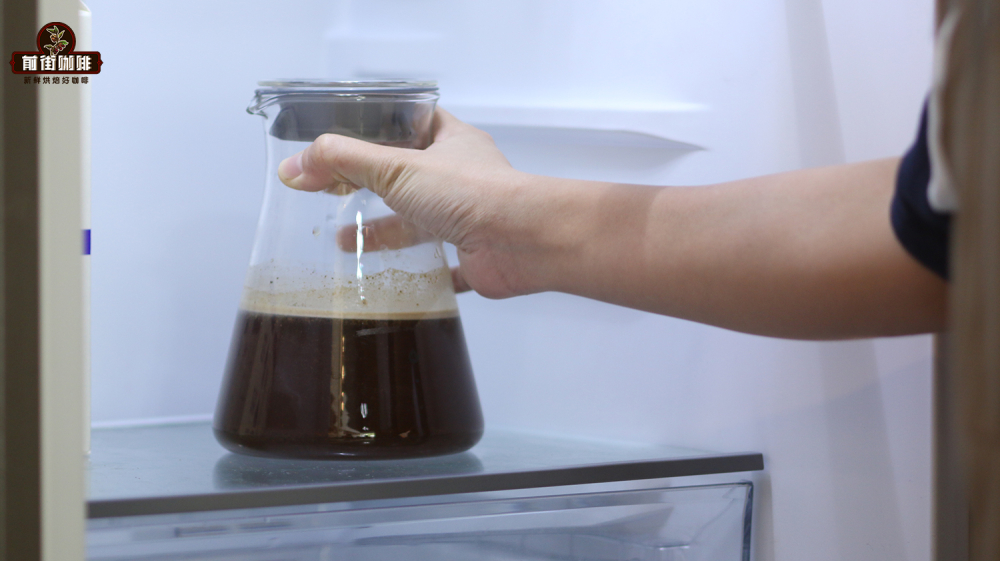
Cold brew coffee (also known as cold steeped coffee) operates on the principle of “immersion extraction”—allowing cold water to remain in contact with coffee grounds for an extended period to slowly release flavors. A recommended coffee-to-water ratio is 1:12 (for example, 50 grams of coffee to 600 milliliters of water), with a similar grind size—around 85% passing through a #20 sieve—for improved extraction efficiency. To prepare, place the coffee grounds in a sealed container, pour in cold water, shake well to mix, then refrigerate and steep for 12 hours. Afterward, filter out the grounds using paper or a fine mesh sieve, and it’s advisable to let the filtered coffee sit in the refrigerator for another 4 hours to achieve a smoother, rounder mouthfeel.

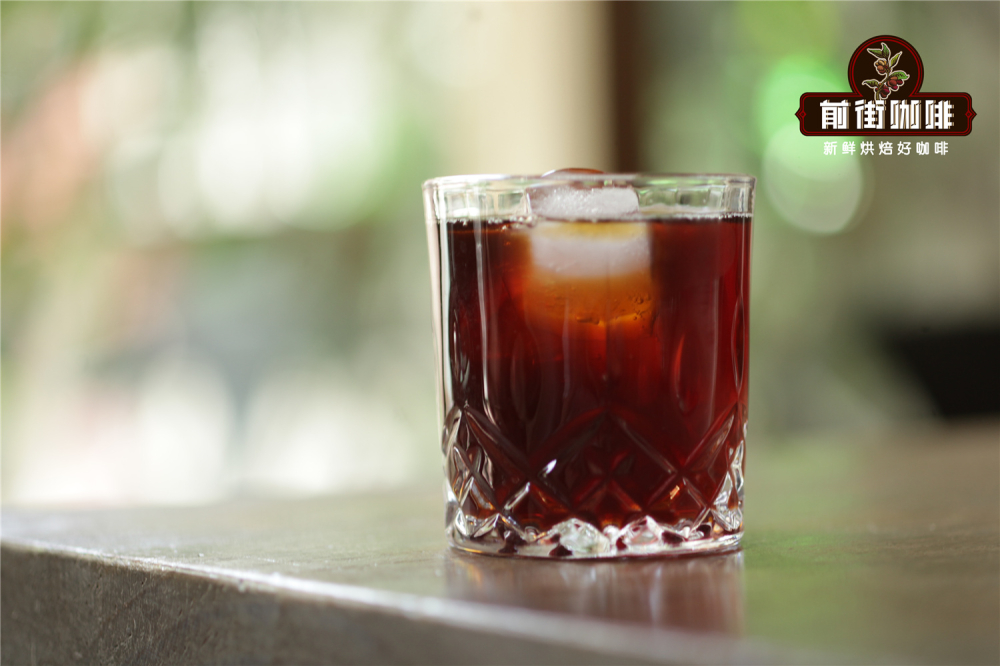
Visually and flavor-wise, the differences between cold drip and cold brew are immediately apparent. Cold drip, due to minimal sediment during filtration, usually presents as a clear, translucent amber color. It tastes clean and refreshing, with pronounced fermentation notes and a subtle wine-like aroma, reminiscent of lightly fermented wine. Cold brew, owing to the long steeping time, tends to be darker and slightly cloudy, offering a richer, more robust flavor, especially effective at highlighting the fruit and sweetness of the beans (such as berry or citrus notes), with a more restrained fermentation presence.

Taking a light-roast washed Yirgacheffe as an example, its bright acidity and floral-fruity characteristics shine differently under each method: the cold drip version delivers a clean and refreshing mouthfeel, with intense fermentation notes and a wine-like quality, and a faint hint of tart berry sweetness in the aftertaste. The cold brew version, however, offers a fuller and more balanced body, with fruit sweetness (like lemon and passionfruit) standing out more prominently, a less noticeable fermentation effect, and an overall flavor that stays closer to the bean’s original traits.
In summary, if you prefer a refreshing, wine-like cold coffee and don’t mind the longer preparation time or need for specialized equipment, cold drip is a great choice. If you’d rather have a simpler process and enjoy rich fruitiness in your daily routine, cold brew is more suitable. Either way, mastering key parameters (like grind size, coffee-to-water ratio, and time) can further enhance the flavor profile, making cold coffee an excellent companion for summer or everyday enjoyment.
The above content is compiled by CoffeeHunters, a coffee news website.


