







Category: Coffee Knowledge

In-depth Analysis of Bolivia Alpaca Estate Java Beans: A Complete Guide to High-Altitude Pour Over and Cocoa Sun-Dried Processing
Delve into the Java coffee beans grown at Alpaca Estate in Bolivia’s La Paz region. Explore everything from the high-altitude environment and unique varietal lineage to the distinctive craftsmanship of cocoa sun-dried processing, and analyze the resulting flavor profile of pineapple, berries, and caramel. This article also breaks down the key extraction points for light roast pour over brewing, compares differences with other well-known producing regions, and helps coffee enthusiasts grasp the flavor logic of this niche specialty bean. [more…]

No golden crema in your pour over? A complete guide to filter materials and brewing techniques
Many coffee enthusiasts wonder why their pour over coffee seems to lack that rich crema. The key lies in the choice of filter material and brewing method. This article delves into the science behind coffee crema formation, compares the differences in crema expression between espresso and pour over, and explores how coffee bean variety and roast level affect crema. It also provides a detailed breakdown of the characteristics of paper filters, metal filters, and cloth filters, helping you adjust your equipment according to your preferences to optimize the taste and flavor profile of your pour over coffee. [more…]
Bolivia Java vs Panama Geisha: A Comprehensive Comparison of Pour Over Coffee Bean Flavors and Roasting Parameters
This article provides an in-depth analysis of the similarities and differences between Bolivia Java, a specialty coffee bean from Bolivia, and Geisha from Jensen Estate in Panama. We examine their varietal origins, green bean appearance, roasting techniques, flavor profiles, and pour over brewing parameters. Whether you're new to specialty coffee or a seasoned enthusiast seeking inspiration for your next beans, this practical comparison will help you better understand the characteristics and potential of these two coffees. [more…]

In-depth Analysis of Bolivia's Specialty Coffee Regions: From High-Altitude Flavors to Unique Processing of Java Varieties
Although not a mainstream coffee-producing country, Bolivia’s high-altitude environment gives rise to coffees known for their sweet, full-bodied profiles and gentle acidity. This article delves into Bolivia’s major coffee regions, development history, and challenges, focusing on how the Rodríguez family has leveraged variety selection and innovative processing methods—such as cocoa honey processing—to create Java variety coffees with Geisha-like flavors. Join us on a journey from origin to cup to fully understand this landlocked South American nation’s coffee potential. [more…]

Complete Guide to Yirgacheffe Wolkait Washed Beans: Exploring Ethiopian G1 Grade, Processing Methods & Pour Over Parameters
An in-depth exploration of the G1 washed coffee beans produced by the Wolkait Cooperative in Yirgacheffe, Ethiopia. From the regional geography and characteristics of the native variety to the ECX nine-grade classification system, we fully analyze the source of its bright floral notes and citrusy tones. By testing three different pour over water temperatures, we help you find the extraction method that best balances fruit acidity and tea-like mouthfeel—offering practical guidance for both beginners and advanced enthusiasts. [more…]
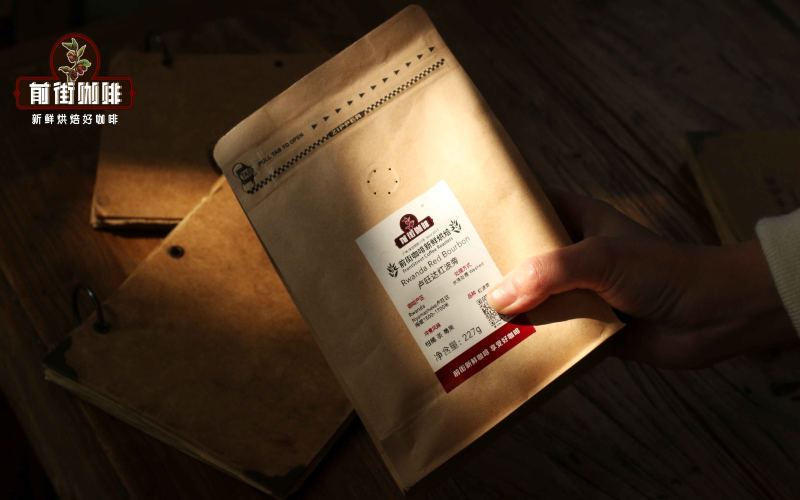
In-depth Analysis of Rwandan Specialty Coffee: From Washed Bourbon to COE Competitions and Brewing Recommendations
Rwanda, an emerging specialty coffee origin in Central Africa, produces uniquely flavorful beans thanks to its high altitude and washed processing techniques. This article delves into the country’s growing environment, the evolution of processing methods, the characteristics of its renowned regions, and explores its achievements in the COE competition as well as the origins of Starbucks’ Blue Bourbon. It also provides practical brewing parameters, cupping flavor profiles, and roasting recommendations for Rwanda’s Gitesi washed Bourbon and Nyanza washed beans, helping you master these nuanced African specialty coffees. [more…]
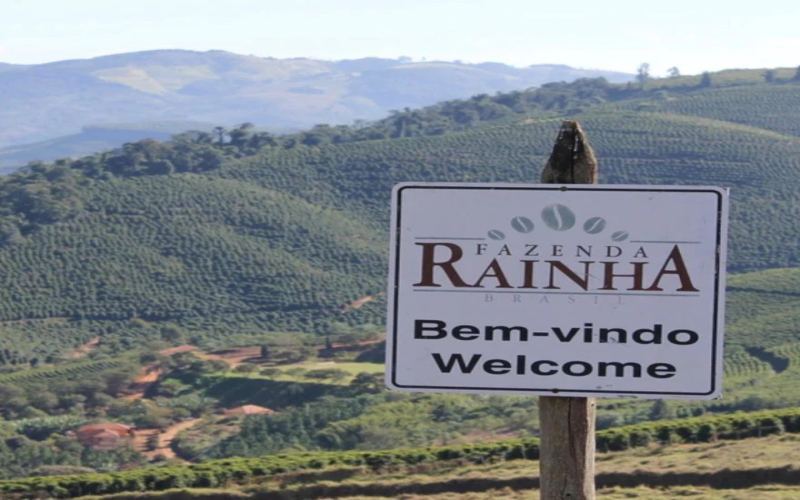
Unveiling the Flavor Profile of Brazilian Queen Estate Yellow Bourbon & Complete Pour Over Parameter Guide
Facing climate challenges, Brazilian coffee production has seen fluctuating yields. Yet, the Yellow Bourbon from Queen Estate continues to win hearts with its low acidity, rich body, and distinctive sugarcane-like sweetness. This article provides an in-depth analysis of the current state of Brazil’s Mogiana region, the genetic advantages of the Yellow Bourbon variety, the essence of the honey processing method, and shares professional roasting profiles and step extraction techniques — unlocking the flavor code and brewing secrets of this classic bean. [more…]

Honey Process vs. Natural Process Coffee Beans: A Complete Analysis of Differences, Flavors, and Roasting Tests
Honey processing and natural processing are two common specialty coffee bean processing methods, which show significant differences in flavor profiles and each have their own loyal enthusiasts. This article will delve into the origins and steps of honey processing, compare the differences between yellow honey, red honey, and black honey, and contrast them with the traditional natural processing method. Through actual roasting and pour over parameters, it will guide you to grasp the key characteristics of these two processing methods and provide purchasing recommendations. [more…]
How to Choose an Italian Blend Coffee Bean? Yunnan Flavor & 4 Practical Blends Recommended
Italian-style coffee is mostly made with blended beans, but do you know why blends have become the mainstream? This article delves into the origins of Italian blends, their blending purposes, the differences between fresh and roasted blends, and introduces you to the flavors and use cases of four practical blend beans. We especially highlight the high-cost-performance “Black Cocoa Blend” based on Yunnan beans, suitable for moka pots and beginners, helping you find the right Italian coffee bean choice. [more…]
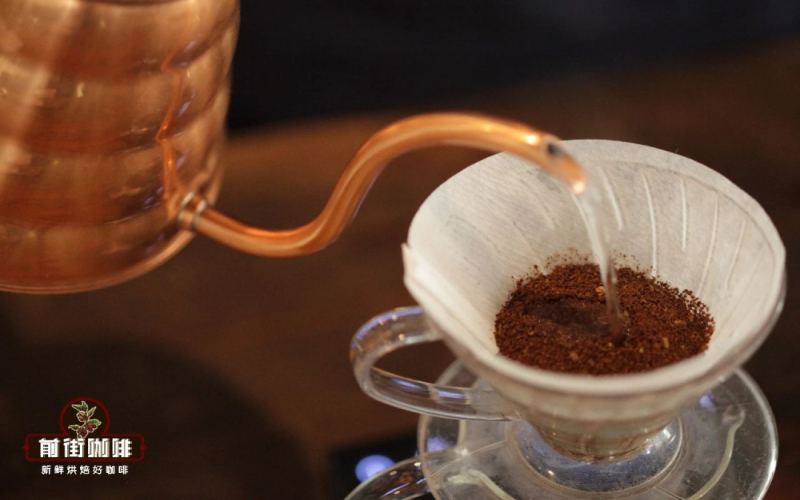
A Comprehensive Guide to Single-Origin Coffee Flavors Across Global Regions: An Entry-Level Guide to Brewing and Tasting from Africa to the Americas
In the world of specialty coffee, single-origin coffee is highly regarded for its unique regional flavors and delicate nuances. This article provides an in-depth analysis of classic coffee beans from major producing regions such as Africa, the Americas, and Asia—from the citrusy floral notes of Ethiopia to the berry and caramel tones of Costa Rica. It details the flavor profiles, common processing methods, and pour-over brewing recommendations for each region, while also revealing how professional roasters adjust cupping profiles and roasting curves. Take your understanding of single-origin coffee to the next level, from bean selection to brewing. [more…]
Why Do Chinese People Prefer Milk Tea? Analyzing Caffeine Metabolism and Tea-Drinking Cultural Habits
Milk tea has become extremely popular among young people in China, even surpassing coffee as the most favored daily beverage. This trend is not just about taste preferences but also involves a complex interplay of genetics, metabolic capacity, tea-drinking culture, and workplace habits. This article delves into the multiple reasons why Chinese people lean toward milk tea over coffee, and explores the potential health risks of excessive caffeine intake, helping readers make more informed choices when selecting their energy-boosting drinks. [more…]
How to Choose a Pour Over Dripper? How Four Key Design Elements Influence Extraction and Flavor
Although drippers may seem simple, they play a crucial role in determining the flavor and extraction efficiency of pour over coffee. From material, flow rate design, shape and structure to functional innovations, every detail can alter the final outcome of your coffee. This article delves into the four core elements of drippers, helping you understand how they affect water temperature retention, extraction time, and coffee complexity—so you can find the dripper that best suits your style. [more…]

Are espresso blends suitable for pour over? A complete guide to flavor analysis and brewing techniques
Many coffee enthusiasts wonder whether espresso blends, which are specifically designed for espresso, can be used for pour over. This article provides an in-depth analysis of the core differences between espresso blends and single-origin beans, explores their suitability for pour over, and offers practical parameters for grind size, water temperature, and brewing time based on actual tests. It also analyzes the flavor characteristics of different blends to help readers adjust their brewing strategies according to taste preferences. Whether you're a beginner or an advanced coffee lover, you'll find useful guidance here. [more…]
Flavor Profile of Ethiopia Uraga Washed Champion Beans | Characteristics of the TOH Champion Batch & Pour Over Recommendations
This article provides an in-depth analysis of the 2020 East African Harvest (TOH) champion washed coffee beans from Ethiopia’s Uraga region. Covering the geographical location and historical background of the producing area, the processing methods and cupping flavor characteristics of the champion beans, as well as a horizontal comparison with the renowned Gedeb G1 Cooperative in Yirgacheffe, it helps coffee enthusiasts understand this uniquely flavored, championship-level washed coffee and offers practical pour over brewing suggestions. [more…]

A Complete Guide to Italian Blended Coffee Beans | 2026 Commercial Bean Buying Guide & Flavor Recommendations
Have you ever wondered why most cafés use blended beans for their espresso? Italian blended coffee beans achieve a more balanced and stable extraction by skillfully combining beans from different regions and varieties, delivering outstanding flavors whether in milk-based drinks or Americanos. This article delves into the definition and purpose of Italian blends, and recommends several practical commercial blends covering rich, fruity, and nutty flavor profiles to help café owners and home coffee enthusiasts choose the most suitable beans. [more…]
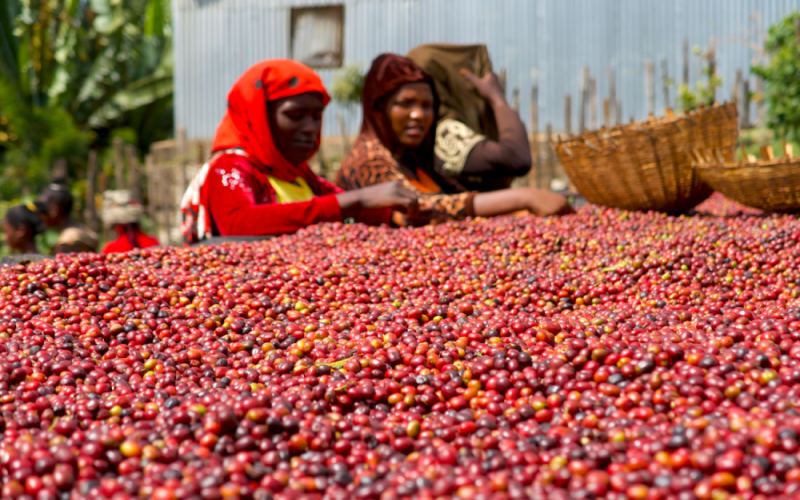
How to Choose Between Red, Yellow, and Pink Bourbon Coffee Beans? A Complete Guide to Flavor Profiles and Pour Over Parameters
As an important branch of the traditional Arabica varieties, the three mutations of Bourbon coffee—red, yellow, and pink—have garnered significant attention in the specialty coffee community. This article delves into their genetic origins, visual identification characteristics, typical flavor profiles, and offers practical roasting and pour over parameter recommendations to help coffee enthusiasts select the most suitable Bourbon variety based on their taste preferences. [more…]
In-depth Analysis of Three Major Coffee Varieties from Panama's Elida Estate: Flavor Profiles, Processing Methods, and Brewing Recommendations
Located in the high-altitude Boquete region of Panama, Elida Estate is renowned for its three classic coffee varieties: Geisha, Typica, and Catuai. This article delves into the regional background, varietal characteristics, the impact of different processing methods, as well as the flavor differences between natural and anaerobic slow cold-dried processes. It also provides professional roasting profiles and pour over brewing suggestions to help you understand the unique personality of each bean and find the one that best suits your taste. [more…]
Flavor Profile of Panama Elida Geisha & Typica | Guide to High-Altitude Cultivation and Processing Techniques in Boquete
The Boquete region of Panama is not solely dominated by Hacienda Esmeralda—Hacienda Elida is also renowned for its high-altitude cultivation and unique processing methods. Nestled at an elevation of 1,850 meters, this estate focuses on cultivating Geisha and Typica varieties, employing anaerobic fermentation and slow low-temperature sun-drying techniques, earning numerous accolades in the Best of Panama (BOP) competitions. This article delves into its terroir conditions, varietal characteristics, processing details, and provides professional roasting and pour-over parameters to help you fully grasp the essence of these two premium coffee beans. [more…]

A Comprehensive Guide to Guatemala Antigua Fleur de Sel Coffee: Flavor, Processing, and Pour Over Parameters All in One
The Laminita Fleur de Sel coffee from the Antigua region of Guatemala is renowned for its delicate floral notes and balanced acidity and sweetness. How does this high-altitude washed coffee bean develop its unique flavor profile through planting, harvesting, and processing? This article delves into the details of its growing environment, varietal composition, washed processing method, and roasting profile, and also provides practical pour over parameters and flavor guidance, allowing you to fully master everything from bean selection to brewing. [more…]
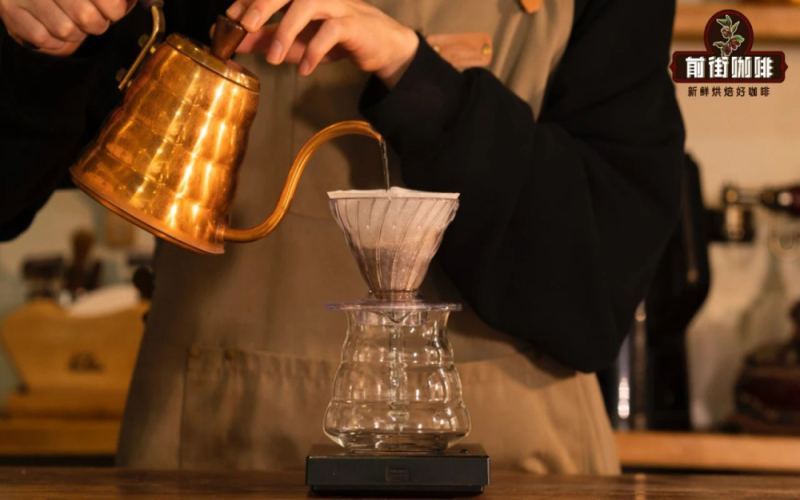
Pour Over Coffee: Water Flow & Circling Techniques – How to Brew Fruit-Forward Beans for Optimal Flavor?
The flavor of pour over coffee is actually greatly influenced by water flow rate and swirling speed. Many coffee enthusiasts often overlook these two details, but they directly affect extraction efficiency and taste balance. This article conducts a controlled variable experiment, comparing two extreme methods—slow swirling with low water flow and fast swirling with high water flow—to analyze how they alter coffee concentration, aroma, and aftertaste. It also provides practical pour over parameter suggestions to help you precisely adjust for your ideal fruit-forward expression. [more…]