








Introduction:Both cold drip and cold brew are types of coffee brewed at low temperatures, but they differ significantly in historical origins, equipment design, brewing procedures, and final flavor profiles. This article delves into the core differences between the two, from the layered dripping of the cold drip setup to the static steeping of cold brew. It details grind-to-water ratios, extraction times, optimal methods for flavor presentation, and offers practical blend suggestions to help coffee enthusiasts choose based on their taste preferences.
Both cold drip and cold brew coffee have become popular choices for cold coffee in recent years. Both are characterized by the slow release of coffee flavors in a low-temperature environment. However, they vary considerably in brewing methods, historical backgrounds, and the resulting taste profiles. Whether you're a beginner just stepping into the world of coffee or an experienced enthusiast who has tried various brewing techniques, understanding the essential differences between these two methods can help you more accurately select the cold brew style that best suits your palate.
When it comes to the origins of cold drip coffee, although the name includes the word "Dutch," its connection to the Netherlands is actually quite limited. The true technical prototype originates from local brewing methods in Indonesia, which were later refined and promoted by baristas in Kyoto, Japan, eventually forming the cold drip system we know today. It is said that the owner of a Kyoto café, while reading coffee-related literature, became interested in the brewing method used by locals during the Dutch colonial period in Indonesia. With the help of chemistry faculty and students from a local university and experts in medical equipment, he developed an early version of cold drip equipment. This evolved into the layered dripping extraction process, which is why it is referred to as "Kyoto coffee" in Japan. Later, this technique spread to Europe and America, but because Westerners were unfamiliar with its background, it was named after the city of origin—referred to as Kyoto or Japanese Iced Drip.
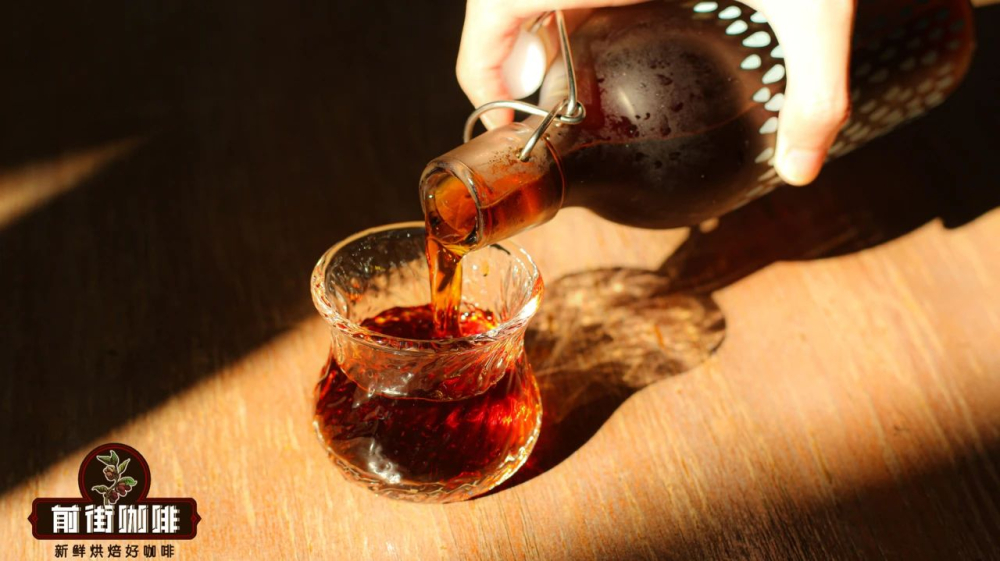
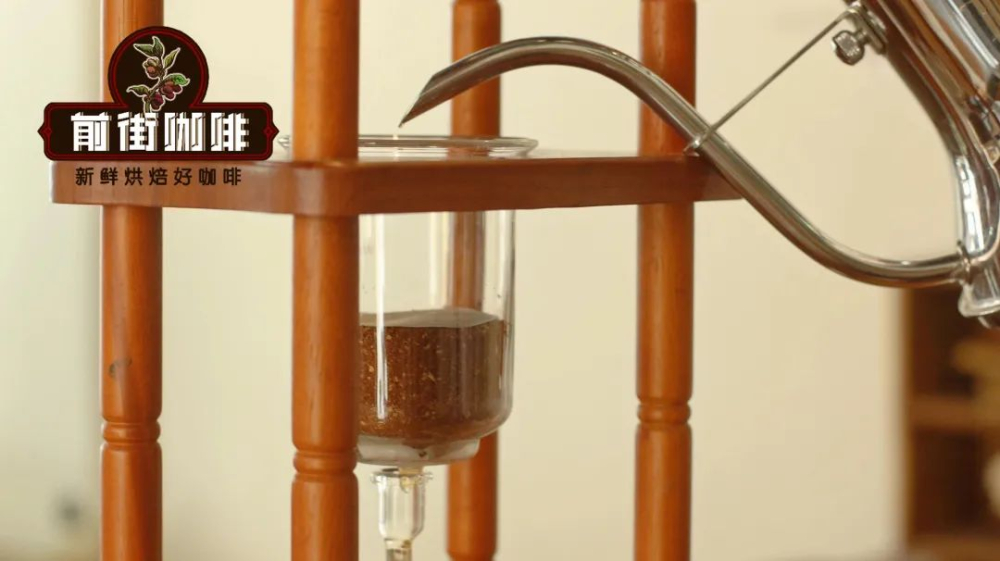
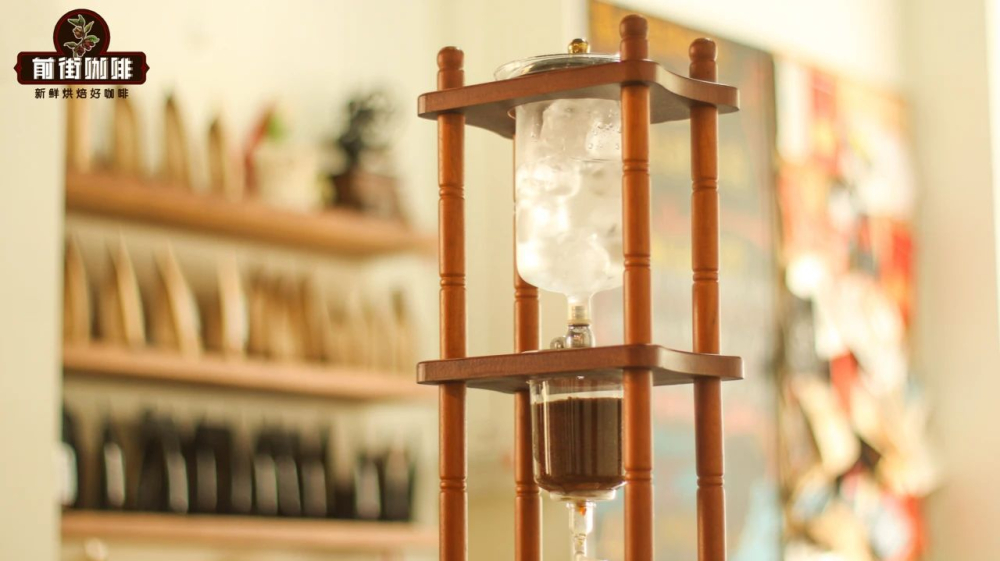
In terms of brewing methods, the biggest difference between cold drip and cold brew lies in the extraction principle and time. Cold drip coffee mainly utilizes ice water that drips drop by drop through ground coffee, extracting coffee compounds slowly through gravity and time. The generally recommended dripping time is 6 to 8 hours. During this process, ice water slowly drips from the upper water container into the middle container holding the coffee grounds, then filters down into the lower collection container. This method relies on low temperatures and slow extraction, effectively reducing the risk of over-extraction while highlighting the delicate flavors and acidity in the coffee.
In contrast, cold brew coffee involves mixing coarsely ground coffee with cold or ice water, then allowing the entire mixture to steep in a low-temperature environment (usually a refrigerator) for 12 to 24 hours. Through prolonged cold immersion, the coffee flavors are gradually released. This method has a lower barrier to entry—only a sealed container, an appropriate amount of coffee grounds, and ice water are needed. After stirring evenly, you simply let it sit. No special equipment is required during the process, making it the most commonly chosen cold brew method for home users.
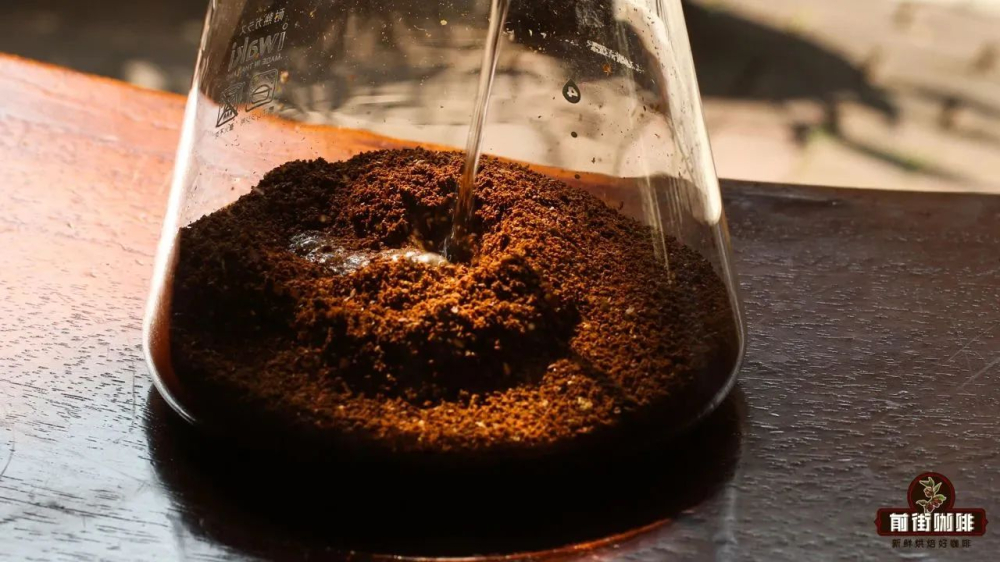
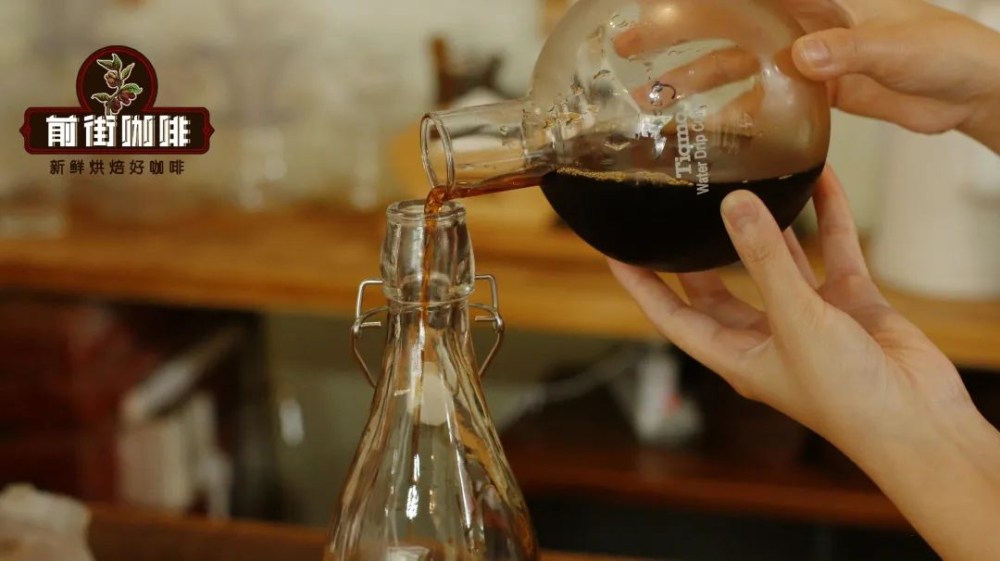
If you’d like to try making cold drip coffee yourself, the recommended grind-to-water ratio is 1:10—that is, 60 grams of coffee grounds to 600 milliliters of ice water. First, place a round filter paper at the bottom of the powder chamber and slightly wet it with water to make it adhere tightly to the walls. Then add 60 grams of coffee grounds with a coarseness similar to coarse sugar, gently shake to level the surface, and optionally use a tamper to help compress the grounds so the layer is evenly distributed. Next, cover with another filter paper—this layer prevents the water droplets from impacting and causing the coffee bed to sink over time, which could affect extraction uniformity. Before starting the drip, it’s recommended to pre-soak with ice water, similar to the blooming step in pour over, which helps the coffee grounds fully expand and improves the stability and consistency of subsequent extraction. The dripping speed is advised to be adjusted to about 7 drops per 10 seconds, letting the ice water slowly seep through the coffee grounds. Finally, pour the extracted coffee liquid into a sealed bottle, and it’s recommended to refrigerate it overnight to allow the flavors to meld further, resulting in a smoother mouthfeel.
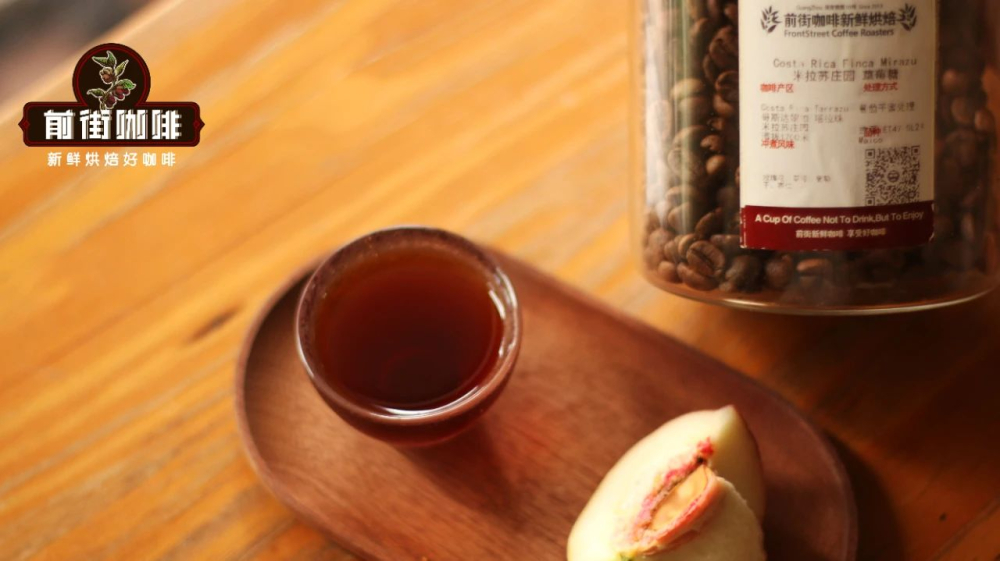
Regarding the caffeine content of cold drip coffee, many people mistakenly believe that because it uses cold water for extraction, less caffeine is released. However, in reality, although cold water does reduce the rate of caffeine dissolution, caffeine continues to be released and accumulate over the long extraction period. Therefore, the overall caffeine content may not be as low as imagined—in fact, some studies indicate that under certain conditions, cold drip coffee may have relatively high total caffeine levels. Due to the many influencing factors—including coffee bean variety, drip speed, and total extraction time—consumers who are sensitive to caffeine are advised to opt for decaffeinated coffee.
When selecting coffee beans suitable for cold drip, using beans from a single origin or processing method may sometimes fail to fully showcase their potential flavor layers. Therefore, many coffee enthusiasts choose to blend two different types of beans to enhance specific aroma or taste characteristics. For example, blending 30 grams of Honduran Sherry with 30 grams of Costa Rican Beethoven—where the former is fermented in wine barrels, offering rich whiskey aromas and a vanilla cream-like finish, while the latter excels with bright citrus acidity and berry juice-like notes; or combining 20 grams of Honduran Lychee Orchid with 40 grams of Ethiopian Yirgacheffe Guji Dingding, which can bring out a subtle brandy-like aroma and soft plum acidity, paired with honey and oolong tea-like sweetness. These are all excellent choices for cold drip, showcasing a rich and layered cold brew flavor.
As for cold brew coffee preparation, it’s recommended to use 50 grams of coffee grounds with 400 milliliters of cold water and 200 grams of ice (totaling approximately 600 grams of ice water mixture). The coffee grounds have a water absorption rate of about twice their original weight. Mix all the ingredients evenly, seal them, and refrigerate for 24 hours. Afterward, filter out the coffee grounds, then let the filtered coffee liquid sit in the refrigerator for about 2 hours before serving. Cold brew coffee typically has a fuller mouthfeel, with a relatively concentrated flavor profile. Its fruit sweetness is pronounced, and it lacks the intense fermentation notes found in cold drip. Overall, it presents a smoother and more rounded taste.
If you compare cold drip and cold brew made from the same coffee beans (for example, Huakui), you can clearly observe the differences in appearance and flavor: cold drip coffee has a clear and transparent liquid, with a refreshing and clean flavor, featuring strong fermentation aromas and subtle wine-like notes, along with a balanced sweet-tartness of berries. On the other hand, cold brew coffee appears slightly hazy in texture, possibly with a thin layer of oils on the surface. Its mouthfeel is richer and more uniform, with prominent fruit sweetness, but the fermentation sensation is relatively restrained. These differences can help you choose the most suitable cold-brewed coffee method based on the occasion and personal preference.

The above content is compiled by CoffeeHunters, a coffee news website.


