







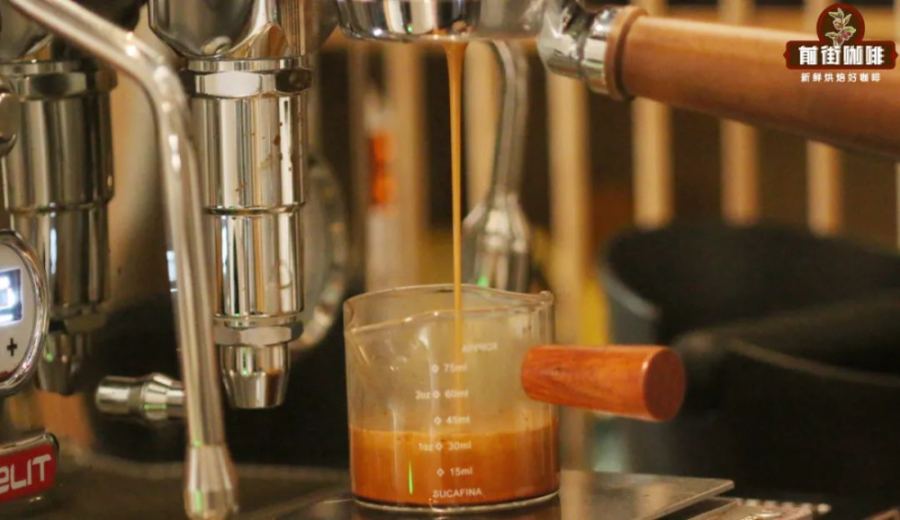
Introduction:Single-origin espresso (SOE) and traditional Italian espresso blends each have their own unique characteristics in terms of flavor, roast profile, and extraction performance. This article delves into the core differences between the two, exploring flavor profiles ranging from bright fruity notes to rich, low-acid profiles. It also recommends practical bean options including sun-dried red cherry, Brazilian yellow Bourbon, and Indonesian Mandheling, while discussing whether high-quality SOE is suitable for pour over brewing. This guide helps coffee enthusiasts make more precise choices based on their taste preferences.
Single-origin espresso (SOE, or Single Origin Espresso) refers to espresso made exclusively from coffee beans sourced from a single origin or region. Its most distinctive feature is the ability to highlight the unique flavor characteristics of that particular origin. Compared to traditional Italian espresso blends, SOE emphasizes the individual expression of a "single origin" rather than the balanced complexity of multiple beans. The rise of this style is closely tied to the development of global specialty coffee, with an increasing number of consumers hoping to taste distinct origin flavors in a single shot of espresso.
The concept of SOE is relative to that of Italian espresso blends (Blend). Blended coffees typically combine beans from different origins and processing methods, aiming to achieve a balanced and stable flavor profile—especially suitable for mass production and everyday drinking. In contrast, SOE places greater emphasis on showcasing the "origin flavors," allowing consumers to more directly experience the unique characteristics of coffee from a specific origin or farm. For example, an Ethiopian Yirgacheffe SOE might exhibit bright citrus and floral notes, while a Sumatran Mandheling could present rich spice and earthy tones.
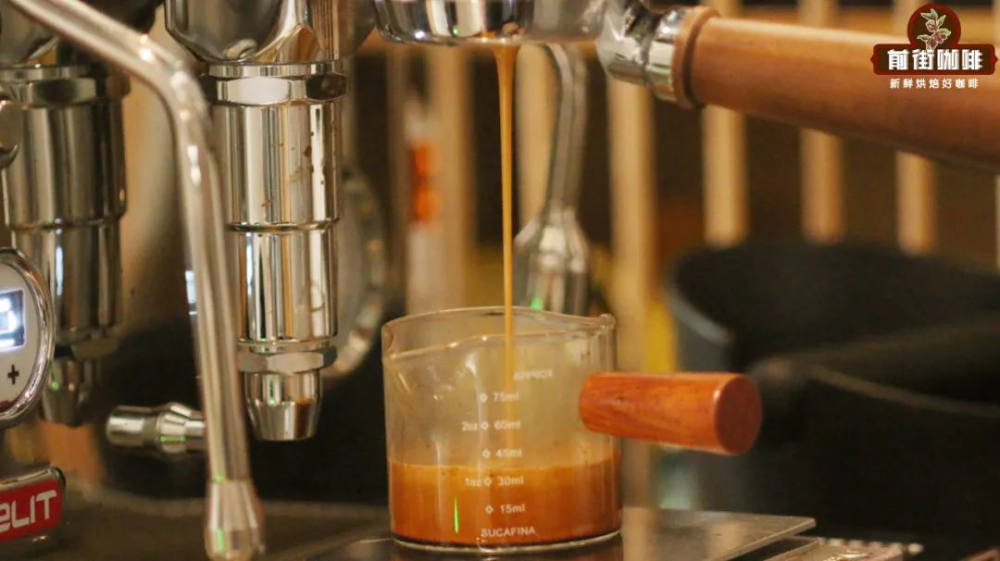
The advantage of choosing SOE lies in its clear and layered flavors, much like tasting a single-origin wine or pour over coffee, where the unique characteristics brought by the soil, altitude, and processing method of that region can be distinctly identified. Common origins used for SOE include Ethiopia, Kenya, Colombia, and Brazil—regions where favorable climate conditions and mature processing techniques often produce beans with high recognizability. For instance, sun-dried Yirgacheffe often carries berry and honey aromas, while Brazilian yellow Bourbon is known for its rich nutty profile and low acidity.
However, the challenges of SOE should not be overlooked. Since only beans from a single origin are used, any flavor defects may be magnified, especially under the high-pressure extraction environment of espresso. Roasters need to precisely control the roast level; over-roasting can mask origin characteristics, while under-roasting may result in sharp acidity and an unbalanced mouthfeel. Additionally, variables such as bean freshness, grind size, and extraction time can all directly affect the final flavor, thus placing relatively higher demands on roasting and extraction techniques.
In terms of flavor profiles, SOE can generally be divided into three main directions: bright and sweet, nutty and balanced, and rich and low-acid. For those who enjoy bright fruitiness and floral notes, the sun-dried red cherry from Aletaland Estate in Yirgacheffe is recommended. Grown at altitudes of 1700-2200 meters and processed with fully red cherries using the sun-dried method, it retains a rich berry sweetness and citrus character, making it an ideal choice for SOE. This bean is processed stably, effectively reducing common defects associated with sun-drying, and delivers clean, layered tropical fruit flavors.
If you prefer a rich and stable profile with caramel-like sweetness, the yellow Bourbon from Fazenda Rainha in Brazil is a great option. Produced in the Mogiana region at altitudes of 1400-1900 meters, this bean features a semi-washed process that highlights gentle cane sugar and nutty tones, suitable for consumers seeking balanced flavors. It performs consistently in extraction and works well as an everyday SOE or when paired with milk drinks, offering a warm creamy aroma and chocolatey finish.
For those who dislike acidity and prefer a deep, mellow flavor, the Indonesian Sumatran PWN Golden Mandheling is a classic recommendation. Processed using the wet-hulled method and undergoing three manual and one mechanical selections to ensure bean uniformity, it releases rich notes of spice, caramel, and dark chocolate after medium-dark roasting. With a full body, thick crema, and long aftertaste, it’s perfect for coffee lovers who enjoy low-acid, bold flavors. This bean is also suitable for brewing with tools like the moka pot or AeroPress, fully showcasing its intense regional characteristics.
Regarding whether SOE can be used for pour over brewing, the answer is yes. As long as you choose a high-quality SOE bean and adjust the extraction parameters appropriately—such as the coffee-to-water ratio (recommended 1:15 to 1:16), water temperature (around 90-93°C), and grind size (medium-fine)—you can highlight the unique flavor layers of that origin. Pour over brewing extracts the delicate flavors of coffee more gently compared to the high-pressure extraction of espresso, better emphasizing its fruit, floral, or nutty characteristics. It’s ideal for coffee enthusiasts looking to deeply explore single-origin flavors.
In summary, SOE and espresso blends each have their strengths. SOE emphasizes the uniqueness and clarity of origin flavors, making it suitable for consumers seeking a personalized coffee experience; whereas blends focus on overall balance and stability, making them ideal for everyday drinking or commercial use. Regardless of which type you choose, understanding its characteristics, roast level, and suitable brewing methods will allow you to enjoy a richer coffee experience. If you’re interested in further exploring the flavors of pour over or espresso, try SOEs from different origins to map out your own coffee flavor journey.
The above content is compiled by CoffeeHunters, a coffee news website.


