







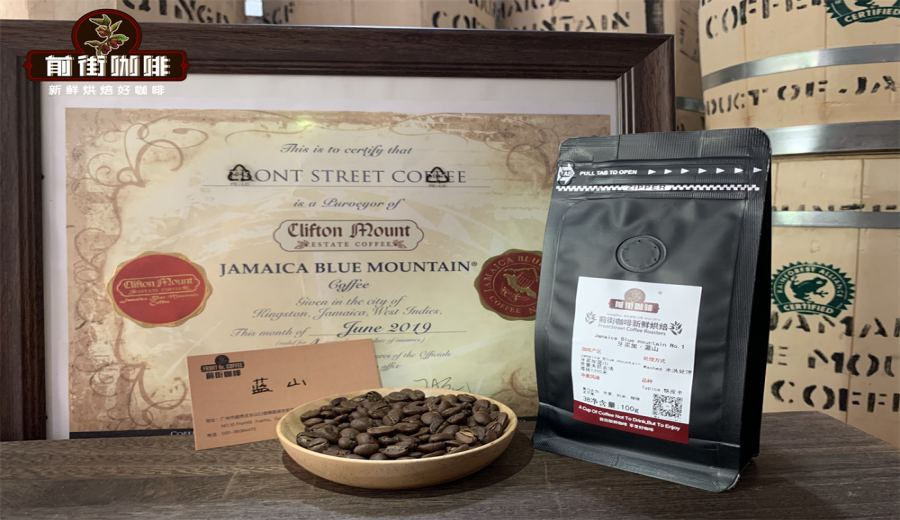
Introduction:Jamaica Blue Mountain coffee is renowned for its high price and delicate flavor, but do you know which variety it belongs to? What’s the difference between washed and natural processing methods? This article delves into the origin regulations and varietal background of Blue Mountain coffee, provides a detailed comparison of the flavor profiles of the two processing methods, and even offers practical three-stage pour over parameters so you can brew a balanced and rich Blue Mountain cup at home.
For a long time, Jamaica Blue Mountain coffee has been hailed as a top-tier delicacy in the coffee world—not only for its high price but also for its exquisite flavor. However, many coffee enthusiasts still have only a vague understanding of its varietal background, growing conditions, and the flavor differences brought about by different processing methods. This article will start with the growing environment and varietal origins of Blue Mountain coffee, then take an in-depth look at the characteristics of both washed and natural processing methods, giving you a comprehensive understanding of the multifaceted nature of this world-renowned coffee.
The reason Jamaica Blue Mountain coffee is so expensive mainly lies in its scarce production and strict origin restrictions. The country’s annual coffee output is only about 1,200 to 2,400 metric tons, of which only 40%, or roughly 300 to 600 metric tons, meet Blue Mountain standards. Furthermore, prior to 2009, Japan held up to 80% of the priority purchasing rights for Blue Mountain coffee beans. Although this privilege was abolished in 2009, subsequent natural disasters such as pests, typhoons, and leaf rust led to further declines in production. The supply-demand imbalance has kept prices high.
What enables Blue Mountain coffee to stand out in the global market is its unique flavor profile. Brewed Blue Mountain coffee typically exhibits exceptional cleanliness, a full body, and a well-balanced acidity, sweetness, and bitterness—precisely why it’s so beloved. According to Jamaican official standards, only coffee beans grown at altitudes between 1,000 and 1,700 meters in the Blue Mountains can be called authentic Blue Mountain coffee. The commonly seen Blue Mountain No. 1 on the market comes from this altitude range and is of the traditional Typica variety.
Interestingly, although Blue Mountain coffee is primarily Typica, in recent years the Clifton Estate has started introducing the Geisha variety. Therefore, if you see Geisha coffee labeled as from the Blue Mountain region, it is also considered authentic Jamaican Blue Mountain coffee. These Geisha beans also adhere to strict origin and altitude regulations, showcasing different flavor potentials.
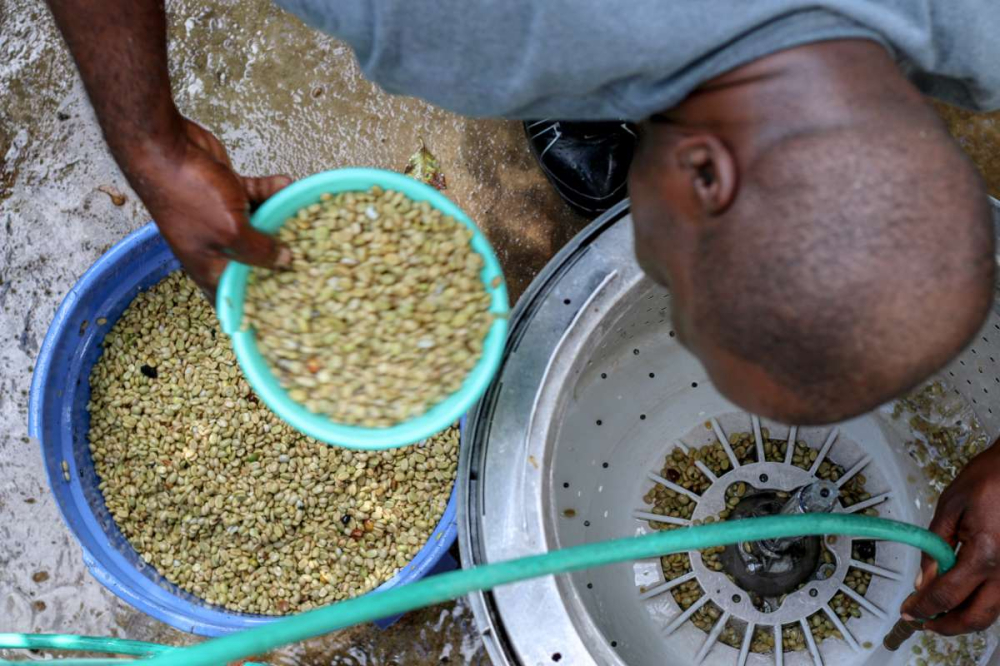
In terms of processing methods, Blue Mountain coffee mainly uses washed and natural (sun-dried) methods. For example, the washed process involves removing the fruit skin and pulp, then allowing the beans to ferment for 12 to 18 hours, followed by using water flow and friction between beans to remove residual mucilage. Finally, the beans are washed in water tanks until their surface is smooth. The washed beans are still covered by the parchment layer, with a moisture content of around 50%, and need to be sun-dried for a long time until the moisture content drops to 12% to 14% to be considered complete. This process also involves strict screening and grading before storage and export. Notably, the export packaging of Blue Mountain coffee mostly uses wooden barrels and is printed with the Rainforest Alliance certification mark. The Clifton Estate is the only local farm to have received this certification.
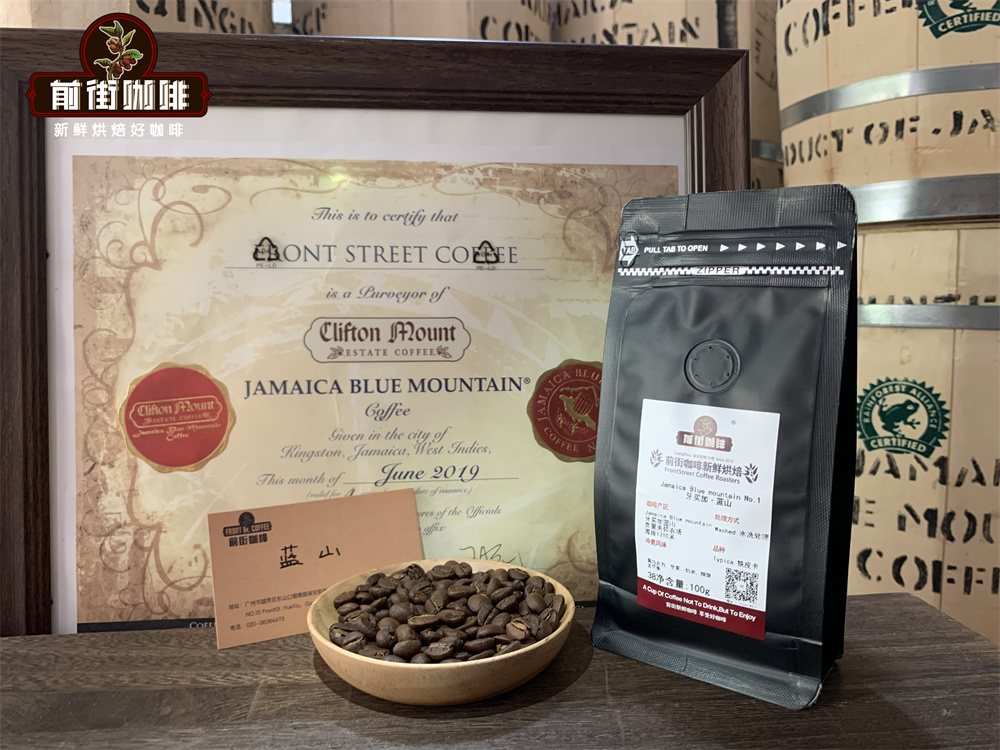
In terms of flavor, washed Blue Mountain coffee typically presents clean, bright, and full-bodied characteristics, with a well-balanced acidity, sweetness, and bitterness—suitable for those who prefer a crisp structure. The natural (sun-dried) processing method has also gained increasing attention in recent years. This method skips the washed fermentation step and instead dries the coffee cherries directly under the sun, bringing out richer fruitiness and sweetness. Sun-dried Blue Mountain coffee often has a brown sugar-like sweetness and berry acidity, with nutty and cocoa layers emerging in the mid-to-late finish. The mouthfeel is silky smooth, and the aftertaste may even carry the warm aroma of walnuts.
If you want to brew high-quality Blue Mountain coffee at home, it’s recommended to choose freshly roasted beans, with the optimal flavor window being 4 to 7 days post-roast. This brand ships its Blue Mountain beans within 5 days of roasting to ensure consumers receive them at the peak of flavor. When brewing with pour over, it’s recommended to use a 1:15 coffee-to-water ratio, a grind size of 75% through a 20-number standard sieve, water temperature around 88°C, and a slower-flowing device such as a KONO filter to fully showcase the richness and balance of Blue Mountain coffee.
In our actual test, we used Typica variety Blue Mountain coffee from the Clifton Estate, comparing brews from both washed and natural processing methods. Both beans came from an altitude of 1,310 meters, were medium roasted, and met the CIB NO.1 specification: 17+ mesh, less than 3% defect rate, and around 13% moisture content. Observations showed that the natural beans had more intact silver skins, while the washed beans still retained some light yellowish silver skins along the center cut.
It’s recommended to use the three-stage pouring method for pour over: first, pour 30 grams of water for blooming for about 30 seconds to help the coffee grounds degas; then pour 125 grams of water in small streams in a circular motion from the center outward, taking about 1 minute in total; finally, pour 225 grams of water, stopping when the total water reaches 225 grams, taking about 2 minutes in total. Once the coffee liquid has completely dripped through, gently shake the server to even out the concentration, and enjoy a cup of Blue Mountain coffee with distinct flavor layers.
In summary, whether washed or naturally processed, Jamaica Blue Mountain coffee showcases the delicate and balanced characteristics unique to this region. The washed version excels in clean brightness, making it ideal for those seeking a refreshing taste; the natural version shines with sweet fruitiness and rich layers, appealing to coffee lovers who enjoy complex flavors. By understanding the differences in processing methods and mastering the correct pour over techniques, you can also easily enjoy the unique charm of this world-class coffee at home.
The above content is compiled by CoffeeHunters, a coffee news website.


