







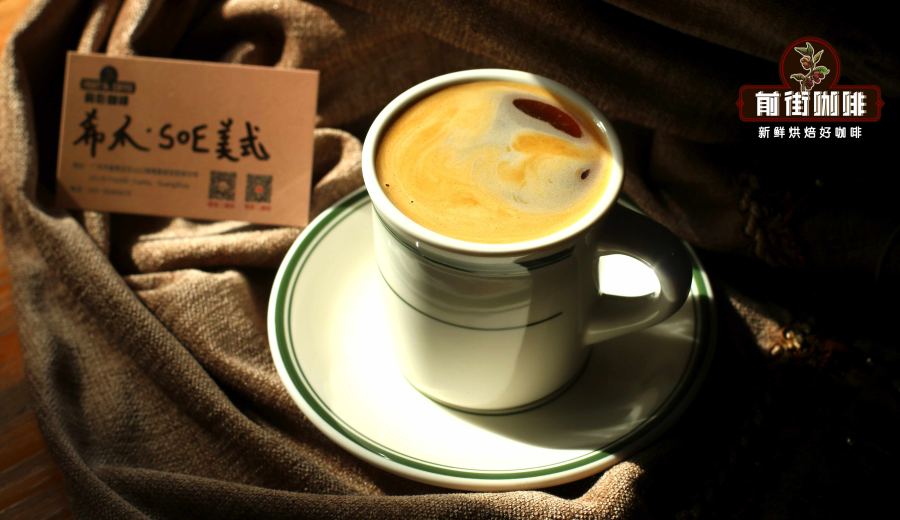
Introduction:When you walk into a specialty coffee shop, SOE (Single Origin Espresso) might be the first recommendation—but how does it differ from traditional espresso blends? Does an Americano made with single-origin beans always taste overly acidic? And can the popular Hua Kui bean handle both Americano and latte extractions well? This article delves into the definition, pros and cons, suitable scenarios, and extraction parameters of SOE, as well as explores which single-origin beans are ideal for making SOE coffee, helping you find the choice that suits your taste.
In today’s era where specialty coffee is becoming mainstream, the term SOE (Single Origin Espresso) is increasingly seen on café menus. However, many coffee enthusiasts remain only vaguely familiar with it—unsure how it differs from traditional espresso blends or whether it’s suitable for everyday drinking or home brewing. Is SOE really more delicious than blend beans? Does an Americano made with single-origin beans inevitably taste sour and harsh? Can the Hua Kui bean, highly praised by pour-over enthusiasts, be used to produce excellent SOE Americanos and lattes? Let’s start with the basics and answer these questions one by one.
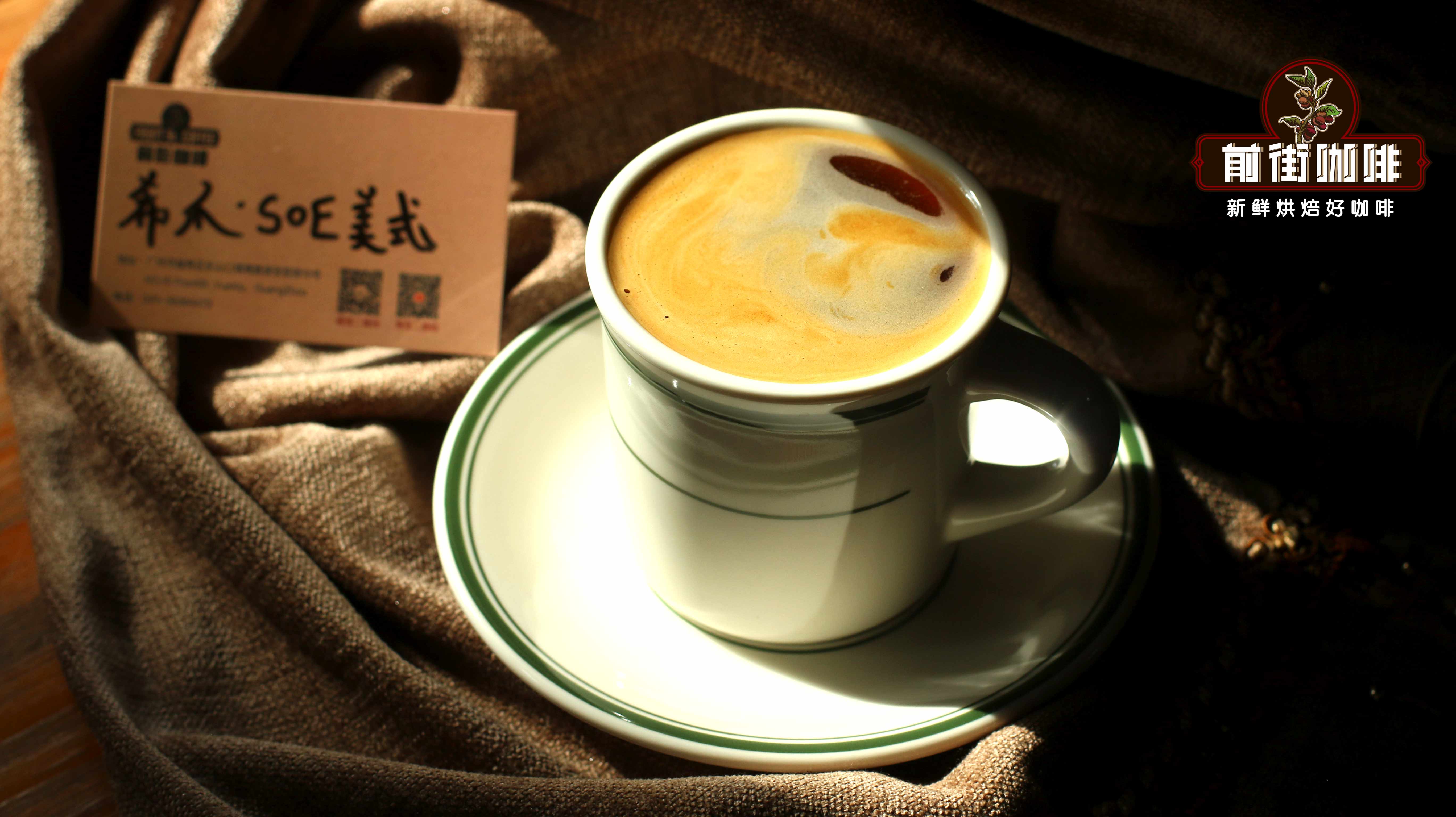
When you visit a coffee shop that emphasizes flavor, you might be asked by the barista: “Would you like to try our SOE?” But many customers, hearing the term for the first time, often feel puzzled—what is SOE? Is it really tastier than regular espresso? In fact, SOE refers to espresso made from single-origin coffee beans, as opposed to traditional espresso blends that combine beans from multiple countries and varieties. This approach highlights the characteristics of the origin and the expression of a single variety, allowing each cup of coffee to showcase distinct regional flavors and personality.
Looking back at history, as early as the 2007 World Barista Championship (WBC), there were contestants who received praise for espresso made with single-origin beans. Since then, SOE has gradually gained popularity in the international market. However, in Taiwan and mainland China, this trend has only emerged in recent years, due to factors such as the pace of specialty coffee culture adoption and the ongoing cultivation of consumer acceptance of single-origin flavors. Nowadays, more and more coffee shops are choosing to offer SOE products—not only to highlight origin characteristics but also to attract customers seeking unique flavor experiences.
So, does espresso made with single-origin beans necessarily outperform blends? The answer is not absolute. Blends are usually composed of beans from different origins, with roast levels typically ranging from medium to medium-dark. This design allows the characteristics of different beans to complement each other, resulting in a rich and stable flavor profile—especially suitable as a base for Americano or latte, offering high cost-performance and consistency. If you prefer a stable and smooth everyday coffee,you may consider classic espresso blends, such as the commonly available medium-dark roasted blended beans, which generally deliver balanced flavor and suit various brewing methods.
In contrast, SOE emphasizes the flavor characteristics of a single origin, thus placing higher demands on bean selection, roast level, and extraction techniques. Without the balancing effect of other beans, the strengths and weaknesses of single-origin beans are more directly reflected in the cup. Over-roasting can easily mask the delicate flavors, while under-roasting may result in excessive high acidity during extraction, leading to an imbalanced overall flavor or what’s known as “sour water.” Therefore, selecting and processing SOE coffee beans requires more careful judgment and skill.
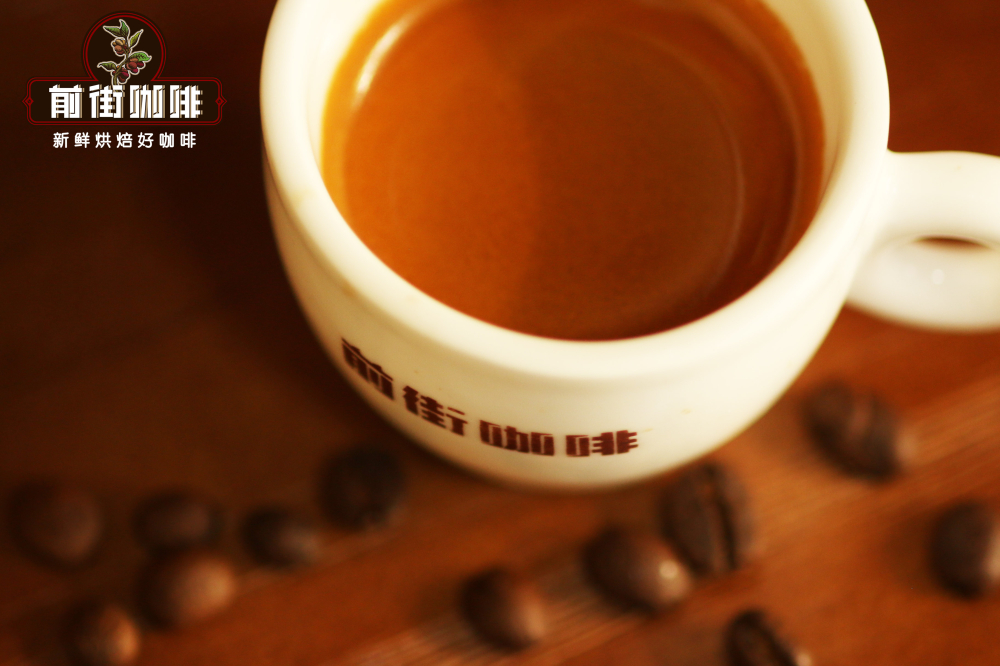
If you want to try making SOE with single-origin beans, it’s recommended to prioritize beans with distinct and layered flavor profiles. Such beans can release rich fruity, floral, or sweet aromas after extraction, making the espresso more recognizable and memorable. Additionally, lightly roasted single-origin beans tend to produce thin or overly acidic flavors under pressure extraction, soit’s advised to keep the roast level at least medium or above, which helps improve extraction stability and flavor integrity.
For example, a medium-roasted “Costa Rica Mozart SOE coffee bean” can, when brewed as SOE, showcase pronounced dried fruit, pineapple, raisin sweetness, along with soft red floral and berry acidity—suitable for drinkers who enjoy fruity highlights. For those who prefer a richer style, a medium-dark roasted “Brazilian Queen Estate SOE coffee bean” offers flavors dominated by roasted nuts, caramel, and dark chocolate, with a round aftertaste—ideal as a base for lattes or bold Americanos. If you favor bright acidity, the “Natural Hua Kui SOE coffee bean,” a representative of African beans, delivers vibrant notes of orange blossom, berries, and citrus, with a balanced sweet and sour profile—especially suitable for making small-sized SOE Americanos or flat whites.
So, if you want to make a refreshing SOE Americano at home or in your shop, how should you go about it? Compared to the traditional rich and bitter Americano, SOE Americanos often feature more fruity notes and a lighter acidity. When selecting beans, it’s recommended to choose those with bold and layered flavors. For instance, the “Xi Zha” bean, when used for SOE Americano, can express flavors of grape, passionfruit, apricot, and delicate floral notes—vibrant and multi-dimensional.
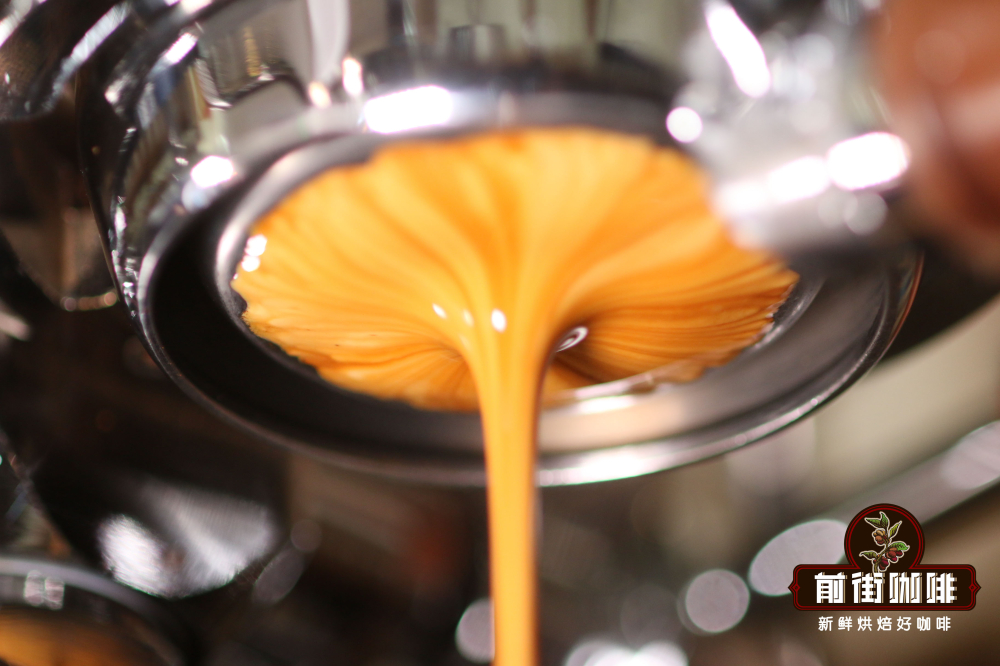
In practice, it’s recommended to use a 1:1.5brew ratio, that is, using20 grams of coffee grounds to extract 30 grams of espresso , with an extraction time controlled within30 to 35 seconds. Then, add approximately 105 milliliters of warm or cold waterat a 1:3.5 ratio,
The above content is compiled by CoffeeHunters, a coffee news website.


