







Introduction:Want to delve deeper into the unique charm of Guatemalan coffee? This article provides a detailed exploration of the essence of this Central American coffee kingdom — from the flavor differences across eight major producing regions, altitude and hardness grading standards, to the impact of washed and natural processing methods on flavor. It also includes practical brewing parameters and variety characteristics to help you master the essence of Guatemalan coffee from bean selection to brewing.
Among the many Latin American coffee-producing countries, Guatemala stands out with its uniquely advantageous volcanic soil and diverse microclimates, producing coffee beans with rich flavor layers and bright acidity, especially notable for their distinctive smoky finish — hence earning the title "smoky coffee." This article will take you on an in-depth journey through Guatemala’s eight coffee-producing regions, analyzing the unique personalities of each — from the classic flavors of Antigua to the spicy notes of Nuevo Oriente. It also introduces the country’s coffee grading system, how washed and natural processing methods shape the final coffee flavor, supplements details on the four main varieties, and finally offers practical roasting and pour-over recommendations to help you fully grasp the allure of Guatemalan coffee from region to cup.
Guatemala’s coffee cultivation history dates back to the mid-18th century, with local farmers already planting and tasting coffee as early as 1747. In 1750, Father Jesuit officially introduced coffee trees, and by 1845, with the establishment of official promotional institutions, coffee gradually rose to become an important cash crop. With strong government support, by 1880, coffee exports accounted for 90% of total exports. However, the expansion of the industry also involved the expropriation of indigenous lands, which is why today’s main producing areas are concentrated in the southern volcanic zone, contributing to the unique status of Guatemalan coffee in the specialty market today.
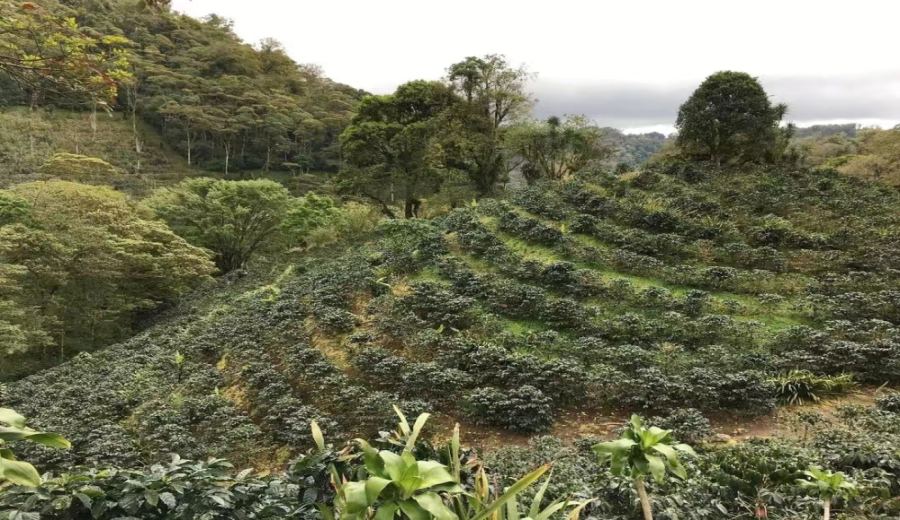
Currently, Guatemala is divided into eight coffee-producing regions, each with distinct terrain, altitude, and climate conditions that give rise to uniquely flavored coffees. Foremost among them is the Antigua region, surrounding this historic old capital, known for its mineral-rich volcanic soil. The Bourbon variety grown here often features a classic flavor profile of balanced sweet and acidic notes. Although the price is relatively high, the quality is exceptional.Altitude: approximately 1500–1700 meters, making it a benchmark for many coffee enthusiasts.
The Acatenango Valley lies adjacent to Antigua, featuring rugged terrain. The volcanic valley helps retain moisture, and the significant day-night temperature variation results in coffee with high sweetness and delicate fruit acidity,altitude range: 1300–2900 meters, with flavors loved by many coffee fans. The Cobán Rainforest region, shrouded in clouds year-round with abundant rainfall and limestone-rich soil, can showcase captivating chocolate and tropical fruit notes when processed well, at an altitude of about 1300–1500 meters.
The San Marcos Volcano region, due to unstable rainfall, experiences greater fluctuations in coffee quality, but when processed properly, it can still exhibit a unique balance of sweet and acidic notes along with pronounced aroma. The Atitlán Lake region boasts one of the highest growing altitudes in Guatemala,with some areas reaching 1950 meters. Its fertile soil and lakeside microclimate give the coffee a rich, velvety mouthfeel, with an altitude range of 1500–1750 meters.
The Viejo Volcán plateau is the region with the highest average altitude in the country, with some areas reaching2000 meters. The dry, hot winds from Mexico allow coffee to thrive at high altitudes, producing coffee with bright acidity and delicate floral notes, at an altitude of 1500–2000 meters. The Fraijanes Plateau features volcanic terrain with soil containing unique pumice components, yielding coffee with balanced flavor and distinctive aroma, at an altitude of 1400–1800 meters. Finally, the Nuevo Oriente region, near Honduras, has a warmer climate and produces coffee with chocolate and spice notes, at an altitude of 1200–1700 meters.
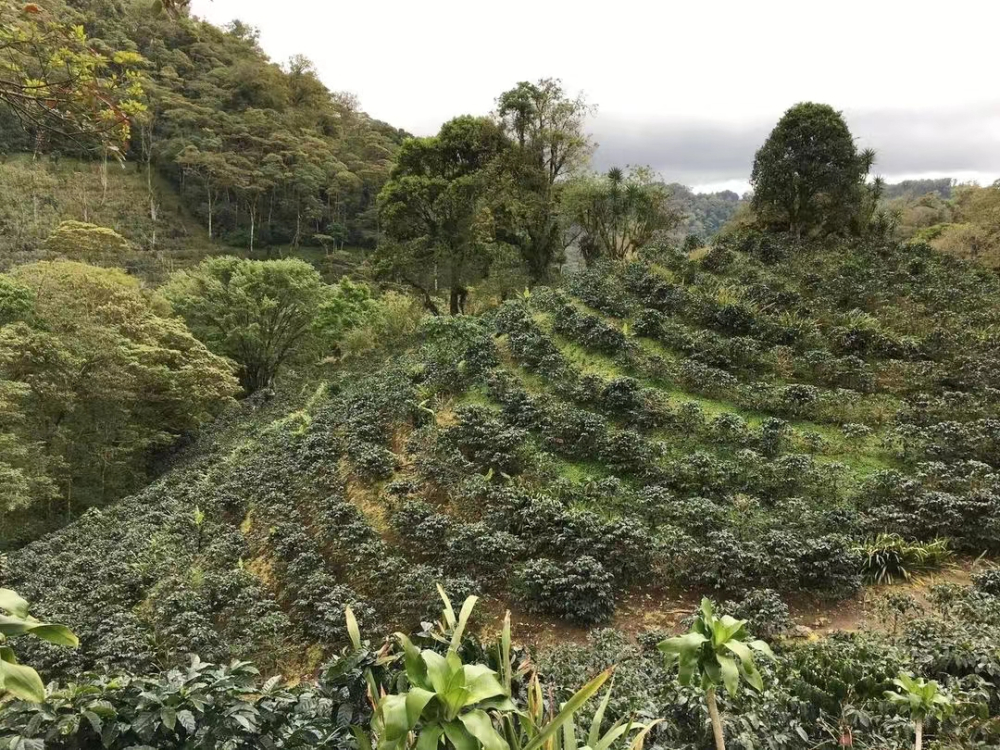
Guatemala’s coffee-growing environment is exceptionally blessed — bordered by Mexico to the north and Honduras and El Salvador to the south — with diverse terrains including tropical rainforests, volcanic geology, and highland valleys, along with pronounced microclimates that are highly suitable for Arabica varieties. The country experiences distinct wet and dry seasons: the rainy season runs from May to October, and the dry season from November to April of the following year. The central highland areas,at 1300–1800 meters, maintain stable temperatures year-round, making it an ideal cultivation zone for specialty coffee.
Guatemala’s coffee grading system is primarily based on altitude and bean hardness — the higher the altitude, the greater the bean density, and usually the richer the flavor.SHB (Strictly Hard Bean)is grown at 1500–1700 meters;HB (Hard Bean)at 1350–1500 meters;SH (Semi-Hard Bean)at 1200–1350 meters;Extra Prime at 1000–1200 meters;Prime at 850–1000 meters;Good Washed at 700–850 meters — listed from highest to lowest quality.
In terms of processing methods, Guatemala mainly uses washed processing, with only a few employing natural (sun-dried) methods. Washed processing highlights the original flavor characteristics of the coffee and is the best starting point for understanding regional flavors.The processing steps include: removing impurities and floaters after harvest → using a pulper to remove skin and pulp → fermenting in tanks to remove mucilage (approximately 16–36 hours) → finally washing and drying to reach 12% moisture content. Natural processing, on the other hand, involves directly sun-drying ripe cherries, reducing moisture from 70% down to 10–12%, with frequent turning required throughout, followed by hulling to complete the process. This can add extra aroma and fermentation character to the coffee.
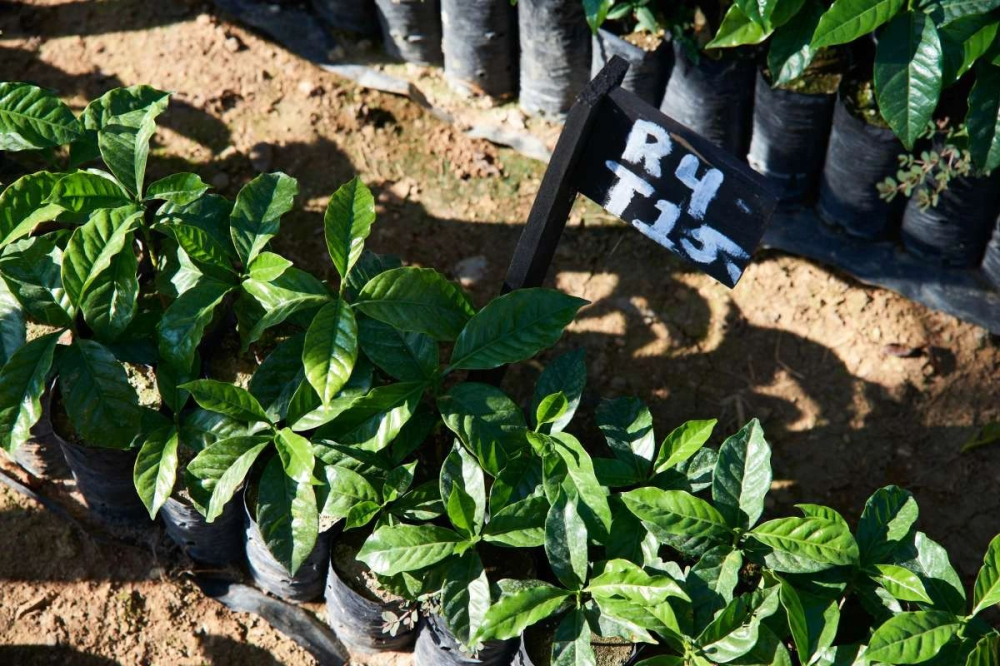
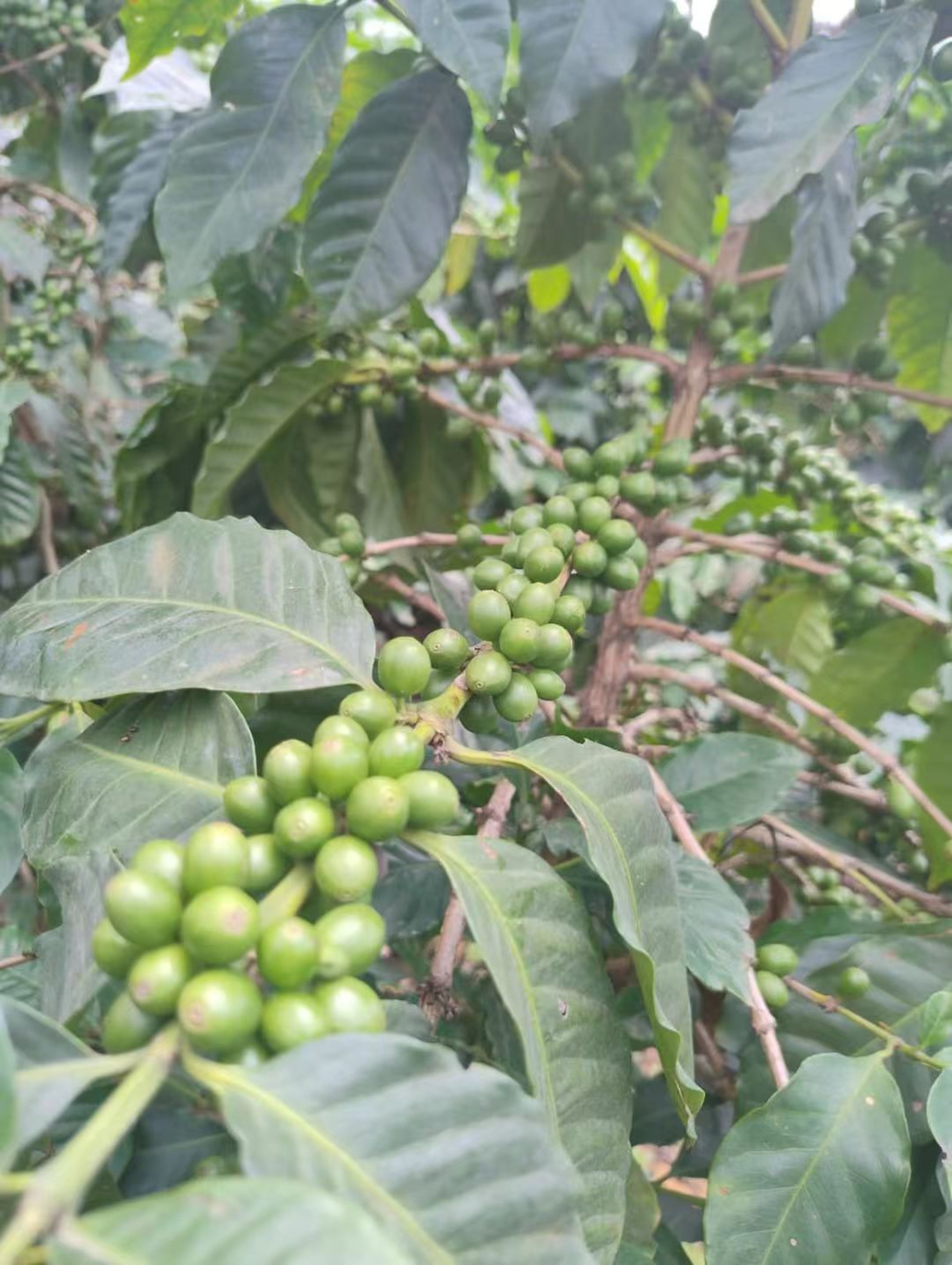
Guatemala mainly cultivates four major varieties: Bourbon, Typica, Caturra, and Catuaí. The Bourbon variety ripens to a wine-red color with a rounder bean shape, often exhibiting elegant aromas and bright acidity when grown at high altitudes. Typica is recognized as a premium variety, but it has low yield and is susceptible to rust disease, with robust plants that do not tolerate strong sunlight. Caturra is a natural mutation of Bourbon, with a shorter tree stature but higher yield, widely planted in Central and South America. Catuaí is a hybrid of Caturra and Mundo Novo, possessing good resistance to adverse conditions and notable acidity, commonly found in both red and yellow fruit types.
Finally, for the everyday drinking beans from Guatemala’s Huehuetenango region, medium roasting is recommended to preserve bright acidity while enhancing overall balance. During roasting, load the beans at 200°C with fan setting 3, adjust heat and airflow after 30 seconds, carefully observing bean color and aroma changes, continue roasting for one minute and thirty seconds post-first crack, dropping the beans at around 195.3°C. For pour-over brewing, use a V60 filter cone,with 15 grams of coffee, a 1:15 coffee-to-water ratio, water temperature at 90°C, and grind size approximately EK43s setting 10. Employ a pulsed pouring method — 30 grams of water for a 30-second bloom — with a total extraction time of about two minutes, highlighting an excellent balance of floral notes, citrus acidity, and a subtle smoky finish.
The above content is compiled by CoffeeHunters, a coffee news website.


