







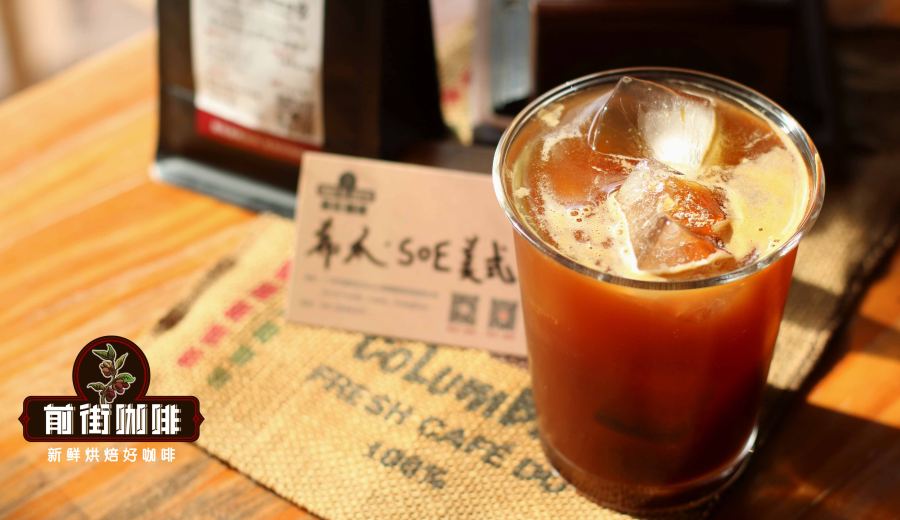
Introduction:In recent years, SOE (Single Origin Espresso, single-origin espresso) has become a trend in the specialty coffee scene. However, compared to common blended espresso, the extraction and adjustment of SOE require more technical finesse. This article delves into the differences between SOE and blended beans, explores whether light-roasted SOE is inevitably sour, and provides practical adjustment suggestions and reference data for common extraction issues such as sourness, short aftertaste, and flat or unpleasant flavors — helping you easily unlock the flavor potential of SOE.
Walking into modern cafés, you may increasingly see the term “SOE” on menus. It stands for Single Origin Espresso, which refers to espresso made from coffee beans sourced from a single origin. Compared to traditional blends that emphasize flavor balance and stability, SOE focuses more on showcasing the unique characteristics of a specific region, processing method, or even estate. However, precisely because espresso amplifies all flavor characteristics—both the good and the bad—it places higher demands on roasting, grinding, and extraction techniques.
This article will help readers clarify the basic concept of SOE, understand how it differs from blends in flavor expression and stability, and further explore whether light-roasted SOE necessarily carries sharp acidity. It also discusses how to design an appropriate extraction strategy based on the final brewing method (such as drinking straight, adding milk, or diluting into Americano), as well as how to improve common extraction issues like sourness, short aftertaste, and thin or unpleasant flavors by adjusting grind size, extraction time, and yield. Practical and reference-worthy parameters are also provided.
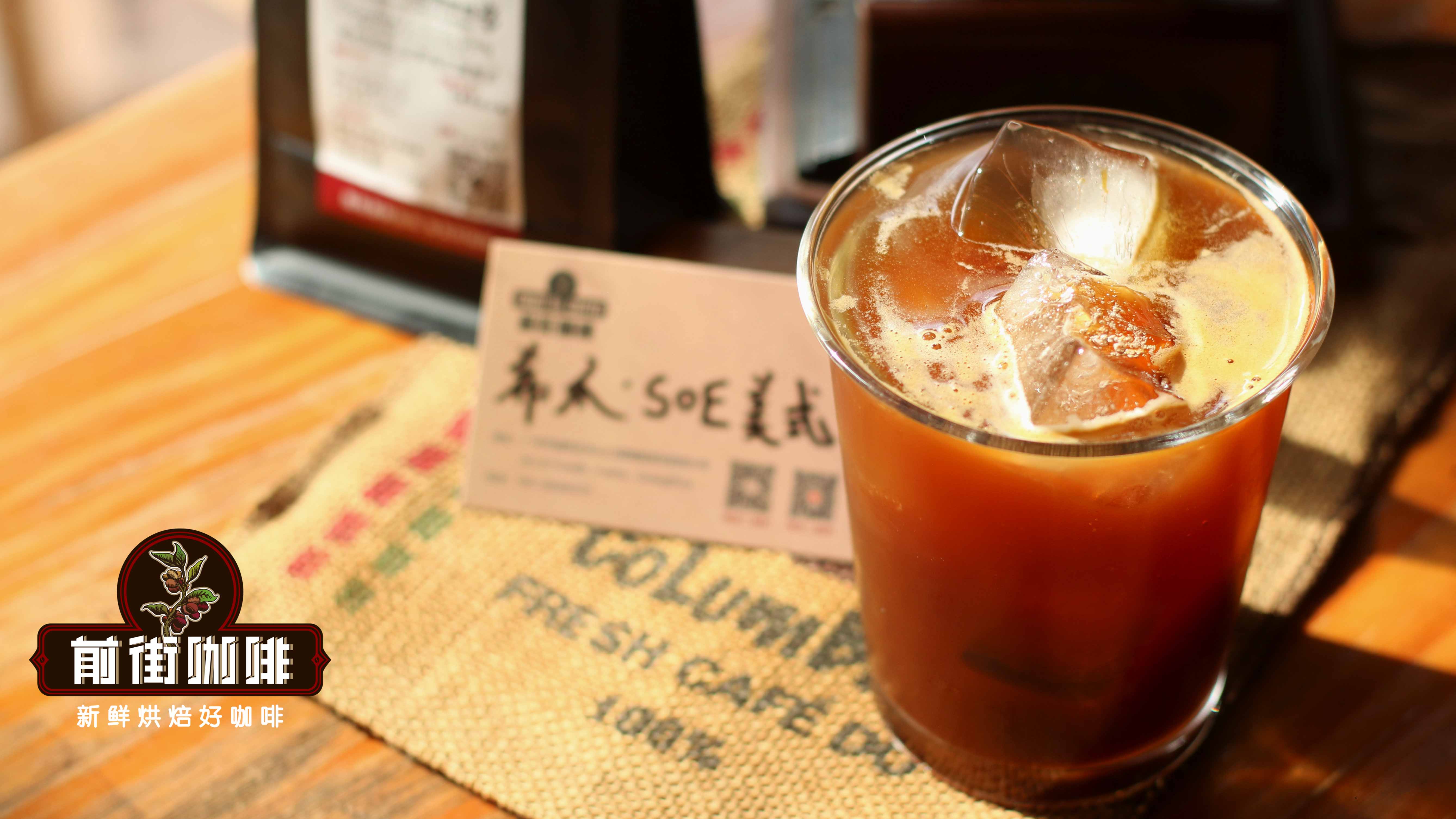
What is SOE? Simply put, it’s espresso made from coffee beans of a single origin, roasted to a suitable degree using an espresso machine. This definition does not restrict the coffee variety, roast level, or final use—emphasizing solely that the beans come from “the same origin.” However, this does not mean SOE is necessarily superior to blends, nor does it guarantee that every SOE offers outstanding flavor. In fact, because the flavor profile of a single origin is usually more distinct, any flaws can become more pronounced if the roast or extraction isn’t ideal. Moreover, blends, by combining beans from multiple sources, typically offer better flavor consistency and stability.
As the overall quality of global specialty coffee beans improves, more and more cafés are incorporating SOE into their menus as a medium to showcase regional characteristics and the roaster’s skill. To let consumers experience the difference between SOE and regular blends, many shops opt for a lighter roast to highlight brighter acidity and fruity notes, rather than the intense roasted and bitter profiles commonly associated with traditional espresso.
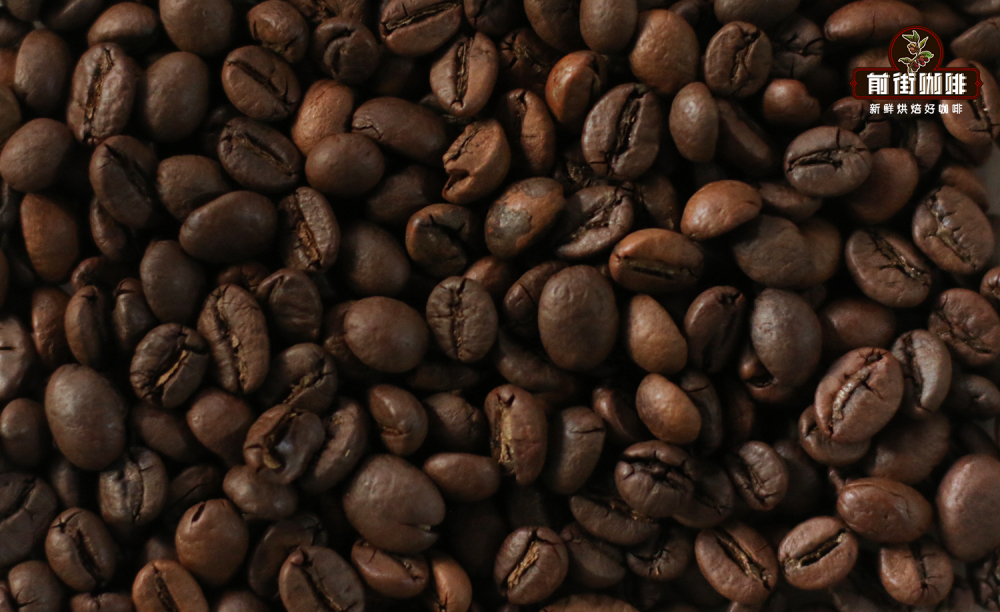
Many believe that light-roasted beans are unsuitable for making espresso because they tend to produce sharp acidity, leading to unbalanced flavors that are hard to enjoy. This observation is indeed grounded in reality, as light-roast beans inherently possess more vibrant acidity, and the high-extraction intensity of espresso amplifies these traits. Additionally, many baristas apply the standard extraction parameters for dark roasts when using light-roast beans without adjusting for their unique characteristics, naturally resulting in less-than-ideal outcomes. Therefore, extracting balanced and enjoyable espresso from light-roast SOE hinges on clear goals and flexible adjustments.
First, it’s recommended to clarify the intended use of the espresso before brewing: Do you plan to drink it straight, dilute it with hot water into an Americano, or pair it with milk for a latte or cappuccino? The brewing method directly influences your approach to designing the extraction’s flavor direction. For instance, if you intend to enjoy it directly, aim for a smoother extraction that emphasizes sweetness and balance; for Americanos, ensure the flavor layers are richer; and as a base for milk-based drinks, aim for a fuller body and more pronounced coffee character that remains evident even after milk is added.
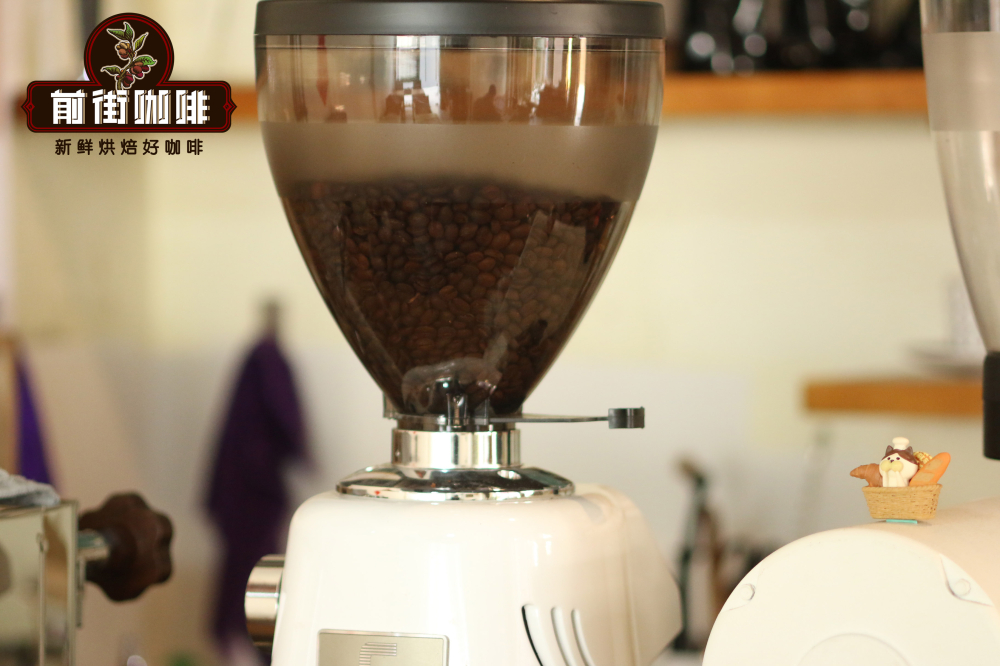
In practice, it’s advisable to start with standard extraction reference values: a brew ratio of 1:2, with total extraction time controlled between 25 and 30 seconds. These parameters help you initially determine the appropriate grind size, followed by fine-tuning based on actual flavor performance. Note that due to density differences between light and medium-dark roasted beans, the same weight of light-roast coffee grounds typically occupies a smaller volume. Therefore, you may need to adjust the total dose slightly according to your portafilter basket capacity. For example, some shops adjust the grind setting from the usual 2.1 to 1.6 when handling light-roast SOE to achieve a more moderate flow rate and extraction efficiency.
After completing your first extraction using the basic parameters, if the flavor doesn’t meet expectations, you can then make targeted adjustments based on the specific issue. Common problems include overly sour shots or short aftertaste, often related to under-extraction. First, observe the time it takes for the first drop of coffee to appear: if it’s between 4 to 5 seconds, consider slightly fining the grind; if it’s between 7 to 8 seconds, the flow rate is likely acceptable and no major adjustment is needed. You can also try increasing the total yield—for example, extracting an additional 10 to 15 grams of coffee—to boost overall extraction yield, making the acidity rounder while enhancing sweetness. This method is especially suitable for direct consumption or making Americanos.
If you plan to use the SOE for milk-based drinks but find the coffee flavor insufficiently prominent, consider adjusting the grind finer to enhance extraction efficiency, without strictly adhering to the standard time range. Sometimes, even if the extraction time exceeds 30 seconds, as long as the final flavor is harmonious and the milk drink performs well overall, it can still be considered successful. Conversely, if the milk drink shows noticeable sour or astringent notes, prioritize extending the extraction time or increasing the yield to improve overall balance.
Another common issue is unpleasant off-flavors in the coffee, such as grassy, almond-like, or overly harsh burnt bitterness. In such cases, the “segmented testing method” is recommended: divide the target yield into three parts—early, middle, and late—each around 13 grams—and taste them separately. If the problem is concentrated in the late segment, consider reducing the total yield; if off-flavors appear in the early or middle segments, re-evaluate the grind setting and, if necessary, coarsen the grind to reduce over-extraction risks.
Finally, if you find the extracted coffee lacks depth and complexity, this is usually related to an ill-matched grind size. Many coffee enthusiasts mistakenly assume that all espresso beans can be ground at the same setting. In reality, light and dark roasts differ significantly in density and moisture content, requiring distinctly different grind sizes. So, if your SOE tastes too thin or flat, start by checking the grind setting and fine-tune to find the optimal fineness for that particular bean—avoid simply applying parameters from other beans.
The above content is compiled by CoffeeHunters, a coffee news website.


