







Category: Coffee Knowledge
A Comprehensive Guide to the Four Major Coffee Processing Methods: Exploring Flavor Differences and Practical Tips for Natural, Washed, Honey, and Pulped Natural
The flavor of coffee isn’t solely attributed to its origin and altitude—the processing method is also a key factor that shapes the character of a cup. This article delves into the steps, characteristics, and flavor profiles of four common processing methods: natural, washed, honey, and pulped natural. It helps you understand the diverse world of coffee through these processes and provides practical brewing references, so you can better choose and brew your ideal coffee. [more…]
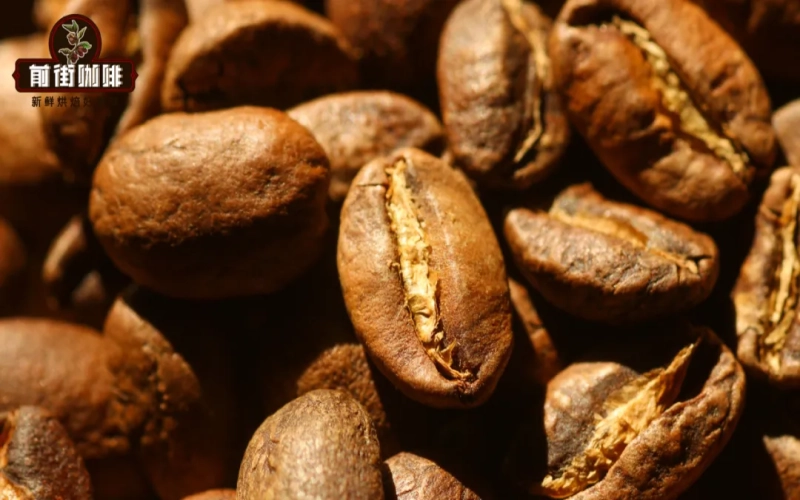
How to choose between Geisha and Emerald Green Label? Understand everything from variety origins to brewing flavors in one go
Many coffee enthusiasts’ first thought when hearing “Geisha” is Panama’s Hacienda Esmeralda, but actually, the Geisha variety originally comes from Gesha Village in Ethiopia. This article provides an in-depth comparison of the Green Label Geisha coffees from Gesha Village and Hacienda Esmeralda, analyzing in detail their terroir background, grading systems, processing methods, as well as their performance in pour over brewing and cupping. It breaks down the aroma profiles, acidity-sweetness balance, and aftertaste characteristics of both, and also includes practical brewing parameters and flavor identification tips to help you more accurately select the Geisha coffee that suits your taste. [more…]
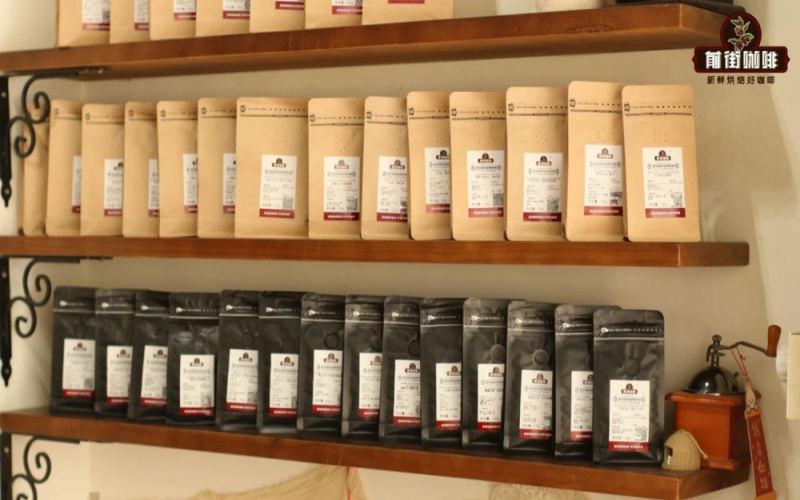
Analysis of Indonesian Mandheling Coffee Bean Grades, Regions, and Five Flavor Profiles | Pour Over Parameters and Feature Comparisons
Indonesian Mandheling coffee is renowned for its rich herbal aroma and distinctive regional flavors, making it a classic favorite among many coffee enthusiasts. This article delves into the grading system of Mandheling, the characteristics of its main producing regions, and the commonly used wet-hulled processing method. It also focuses on five popular Mandheling offerings from a well-known coffee brand—including Golden, Lintong, Aged, Tiger, and Natural Sun-Dried variants—providing detailed flavor profiles, roasting recommendations, and pour over brewing parameters to help you find the Mandheling that best suits your personal taste. [more…]

A Comprehensive Guide to Tanzanian Coffee Regions: Flavor Differences Between Kilimanjaro and the South, Plus Pour Over Recommendations
Tanzanian coffee is renowned for its two major producing regions: Mount Kilimanjaro and the southern highlands, each showcasing distinct flavor profiles. This article delves into the varieties, processing methods, and roasting strategies of both areas, and provides professional three-stage pour over parameters to help coffee enthusiasts choose the right Tanzanian beans based on their taste preferences while mastering key extraction essentials. [more…]
Complete Guide to Ethiopian Yirgacheffe Sun-Dried Red Cherry Beans: Flavor, Origin, Roasting & Pour Over Parameters
Yirgacheffe is not only famous for its washed beans; its sun-dried Red Cherry beans also showcase rich and complex berry and wine-like flavors. This article provides an in-depth analysis of these sun-dried Red Cherry coffee beans from the Allure Farm at an altitude of 2,300 meters, introducing the story behind the Red Cherry Project, the green bean processing workflow, as well as detailed roasting profiles, cupping performance, and pour over recommendations—allowing you to fully grasp this popular Ethiopian specialty bean from origin to cup. [more…]

A Full Breakdown of the Differences Between Cold Drip and Iced Pour Over Coffee: The Flavor Secrets of Low-Temperature Slow Extraction vs High-Temperature Quick Extraction
Although both cold drip and iced pour over belong to the category of iced coffee, they differ greatly in extraction temperature, time, and flavor presentation. This article delves into the fundamental differences between the two brewing methods, helping you understand the key distinctions between slow extraction with cold water and high-temperature extraction followed by chilling. It also includes a practical comparison of how each method affects the flavor of the same coffee beans, providing useful parameters such as coffee-to-water ratio, water temperature, and brew time to help you find your ideal iced coffee choice. [more…]

Iced Pour Over Coffee: A World of Difference in Flavor Profiles – A Guide to Pre-Chilling vs. Post-Brewing Ice Addition Techniques
On hot summer days, iced pour over has become the go-to choice for many coffee enthusiasts. However, even within iced pour over brewing, the two methods—adding ice "before brewing" versus "after brewing"—can yield dramatically different flavor experiences. This article provides an in-depth comparative analysis through practical testing, exploring the differences between the two techniques in terms of brewing parameters and flavor profiles. It also offers practical recommendations on coffee-to-water ratio, water temperature, grind size, and pouring techniques to help you master the key skills and brew a cup of iced pour over with distinct layers and enticing fruity aromas. [more…]

What’s the difference between Ethiopian COE auction lots and same-batch beans? A hands-on analysis of Yirgacheffe Worka washed coffee
Specialty coffee enthusiasts often confuse auction lot beans with same-batch coffee beans, but in reality, the two differ significantly in quality, scarcity, and flavor performance. This article takes the Yirgacheffe Worka washed coffee from the same batch as Ethiopia COE #26 as an example, delving into the auction mechanism, the definition of same-batch beans, and sharing a complete hands-on process from roast curve to pour over parameters—helping you understand why, even with the same origin and processing method, it’s hard to replicate the unique matcha-like aroma of auction lot beans. [more…]
A Beginner’s Guide to Specialty Single-Origin Coffee: Exploring Regional Flavors, Processing Methods, and Bean Varieties
Want to explore the charm of specialty single-origin coffee? This article will take you on an in-depth journey into the core concepts of single-origin coffee — from its definition, regional flavors, and mainstream processing methods, to the flavor profiles and common bean varieties of representative producing regions across three continents. With detailed parameters and flavor descriptions, it helps you find the coffee beans that best suit your taste, and master the key points of selection and brewing. [more…]
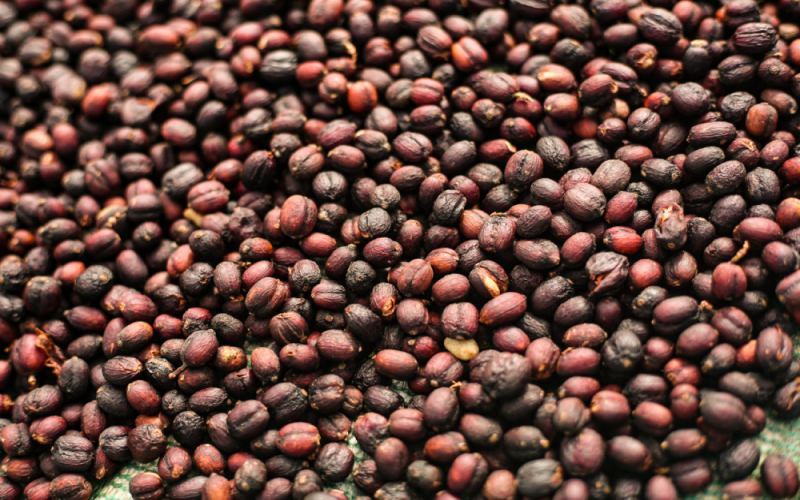
The Ultimate Guide to Natural Processing: From Traditional to Refined, Flavor Profiles of Five Pour Over Natural Beans
Delve into the traditional and refined techniques of coffee bean natural processing, and explore their profound impact on flavor. This article details the differences in steps between natural and refined natural processing, analyzes their performance variations in aroma, sweetness, and acidity, and recommends five highly praised natural-flavored pour over coffee beans. These include information on origin, altitude, variety, and nuanced flavor profiles to help you find your own natural coffee experience. [more…]
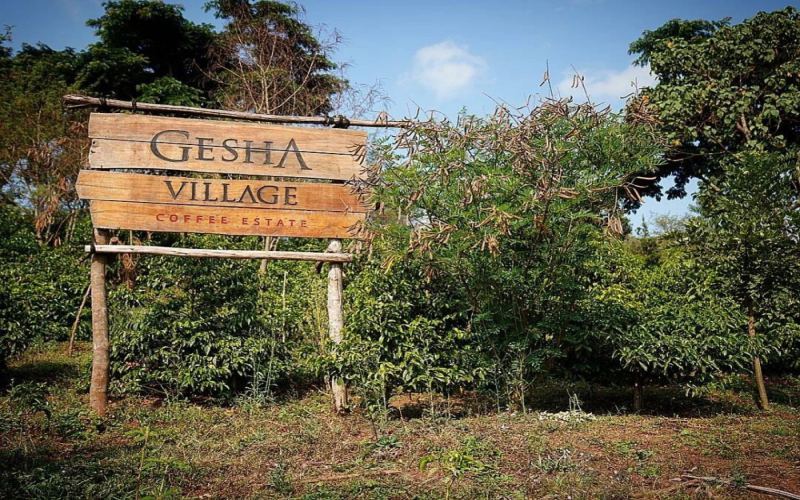
Analysis of the Five Grades of Ethiopian Gesha Village Coffee: How to Choose Between Auction, Gold, Red, Green, and Chaka
Coffee from Ethiopia’s Gesha Village enjoys an outstanding reputation in the specialty coffee world, with its rigorous grading system encompassing multiple tiers including Auction, Gold, Red, Green, and Chaka. This article provides an in-depth analysis of the origin, proportion, flavor characteristics, and target audience of each grade. Through actual cupping sessions and pour over brewing processes, it helps you understand the unique personality of each bean and the optimal extraction methods. Whether you’re a beginner or an advanced coffee enthusiast, you’ll be able to find the right Gesha choice for you. [more…]

Colombia Rose Valley Coffee Beans Pour Over Tutorial: A Complete Guide to Anaerobic Enzymatic Washed & Natural Processing
Want to understand how anaerobic processing changes coffee flavors? This article provides an in-depth analysis of the differences between anaerobic enzymatic washed, anaerobic natural, and anaerobic washed processes. Using Colombia Rose Valley coffee beans as an example, it takes you through green bean processing methods, roast curve selection, and professional pour over parameter settings to help you master the brewing techniques for specialty processed beans—experiencing unique flavor profiles of strawberry jam, wine notes, and berry layers. [more…]
A Complete Guide to Coffee Bean Processing Methods: How Sun-Drying, Washed, and Honey Processes Affect Flavor?
The processing method of green coffee beans is key to defining the flavor profile of a cup of coffee. This article provides an in-depth analysis of the procedural differences, technical details, and flavor characteristics of the three classic methods—sun-dried, washed, and honey processing—and also includes practical information on extended methods such as semi-washed and natural washed, helping coffee enthusiasts understand how different processing methods shape acidity, sweetness, and body, and guiding them toward choices that suit their personal taste preferences. [more…]
An Introduction to Costa Rica Honey Processing: From Yellow Honey to Black Honey, Flavor Analysis & Pour Over Recommendations
Honey processing is a hallmark technique of Costa Rican coffee, where varying levels of fruit mucilage are retained to create distinctive sweetness and complex aromas. This article delves into the steps of honey processing, the grading logic behind yellow, red, and black honey, and compares key differences with washed and natural processes. It also presents the flavor profiles of each method through actual cupping sessions and offers pour over parameter suggestions to help you find your perfect coffee beans. [more…]
Complete Guide to Indonesian Mandheling Grading: From Hand-Picking Golden Mandheling to Flavor Extraction in Practice
Delve into the complex grading system of Indonesian Mandheling coffee, from varietal evolution caused by leaf rust, to G1 to G6 defect rate grading, 17/18 mesh particle screening, and the unique triple hand-picking standard of Golden Mandheling. This article details the packaging information, roasting recommendations, and KONO filter brewing techniques for top beans from PWN Company, helping you master the flavor essence and brewing essentials of this classic Sumatran bean. [more…]
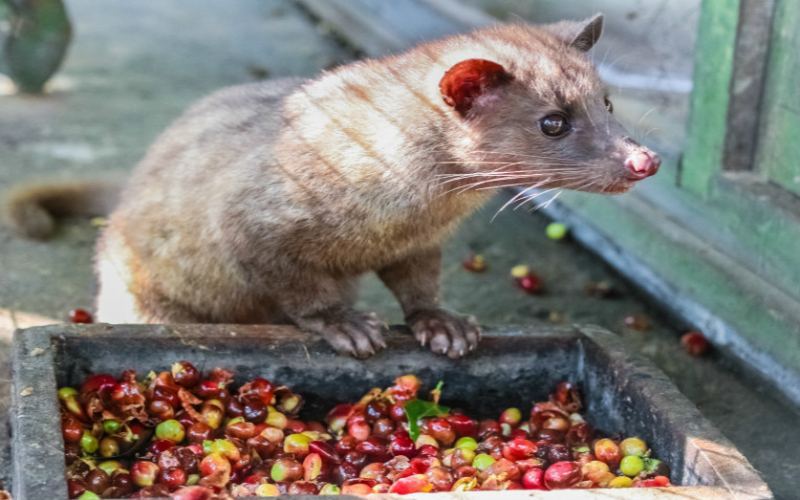
The Truth About Indonesian Civet Coffee: Risks of Cheap Kopi Luwak & Recommended Alternatives
Indonesian civet coffee, commonly known as kopi luwak or cat poop coffee, is famed for its unique syrupy body and refreshing minty aftertaste. However, it remains highly controversial due to its mysterious origins and exorbitant price. This article uncovers its rare background and flavor profile, explores the ethical issues surrounding farmed civets, analyzes the true nature of cheap imitations on the market, and recommends several high-quality and humane alternative coffee beans. It helps readers enjoy a delicious cup while making more responsible choices. [more…]

Jamaica Blue Mountain Pour Over Guide: 88°C Water Temperature & Three-Stage Extraction to Unlock Legendary Flavors
Jamaica Blue Mountain coffee is world-renowned for its balanced acidity, sweetness, bitterness, and rich body. However, to fully showcase its classic profile, it's essential to master precise variables such as water temperature, filter choice, and pouring rhythm. This guide delves into the key pour over parameters for medium-dark roasted Blue Mountain No.1, including an 88°C water temperature, Kono filter, and a 1:15 coffee-to-water ratio. We’ll also break down the bloom and three-stage pouring technique step-by-step, while comparing it with Blue Mountain Geisha to help you grasp the brewing essentials and flavor potential of this legendary bean. [more…]

A Must-Read for Brewing Espresso at Home: Differences Between Blends and Single-Origin Beans, Optimal Extraction Parameters & Flavor Analysis
To successfully brew a flavorful cup of espresso at home, choosing the right coffee beans is the crucial first step. Commonly available espresso beans on the market can be divided into two main categories: blends and single-origin beans. They each have their own unique characteristics in terms of flavor profile, stability, and suitability for different scenarios. This article provides an in-depth analysis of the differences between the two, explores the sources of stability in blend beans, introduces the actual flavor profiles of several classic blends and single-origin beans, and also offers detailed recommendations for extraction parameters to help you adjust to the most suitable [more…]

From TOH Champion to Hua Kui 8.0: The Naming Origin of Ethiopian Hua Kui Coffee and Flavor Analysis of Each Generation
How did Hua Kui coffee evolve from the 2017 TOH champion beans to today’s Hua Kui 8.0? This article delves into the Japanese cultural origins behind the name Hua Kui, traces its connection to Geisha coffee (also known as Artisan coffee), and provides a detailed account of the production regions, varieties, processing methods, and flavor evolution of each version from Hua Kui 2.0 to 8.0. It also offers professional roasting and pour over parameter recommendations to help coffee enthusiasts fully understand this popular Ethiopian bean. [more…]

How is anaerobic enzymatic washed coffee made? Variety analysis of Caturra + Rose Valley flavor profile
The anaerobic enzymatic washed processing method has sparked heated discussion in the specialty coffee community. How exactly does controlling the fermentation environment bring out the bright, juice-like flavors in coffee? This article delves into the principles of double anaerobic fermentation, introduces the actual practices at Colombia’s Granja La Esperanza estate, and combines the characteristics of the Caturra variety to guide you through the full spectrum—from processing and roasting to pour over parameters—for mastering the essence of Rose Valley coffee flavors. [more…]