







Introduction:Kenyan coffee is globally renowned for its bright fruity acidity and clean flavor profile, with the unique K72 washed processing method and classic SL28 and SL34 varieties being the key factors. This article delves into the details of the 72-hour cyclic fermentation technique, explores the influence of high-altitude growing environments on flavor, compares the characteristics of SL series varieties, and provides background on the improved Ruiru11 and Batian varieties. It also outlines Kenya’s coffee grading system and offers practical roasting and pour-over parameters to help you understand the origin of the tomato-like acidity and brewing tips.
The reason Kenyan coffee holds a place in the global specialty market lies in its signature bright fruity acidity and clean flavor, which is inseparable from the perfect combination of the K72 washed processing method and the SL28 and SL34 varieties. This article will take you through a comprehensive exploration of the unique charm of Kenyan coffee, from processing techniques and varietal origins to practical brewing applications.
The Intricate Process of K72 Washed Processing
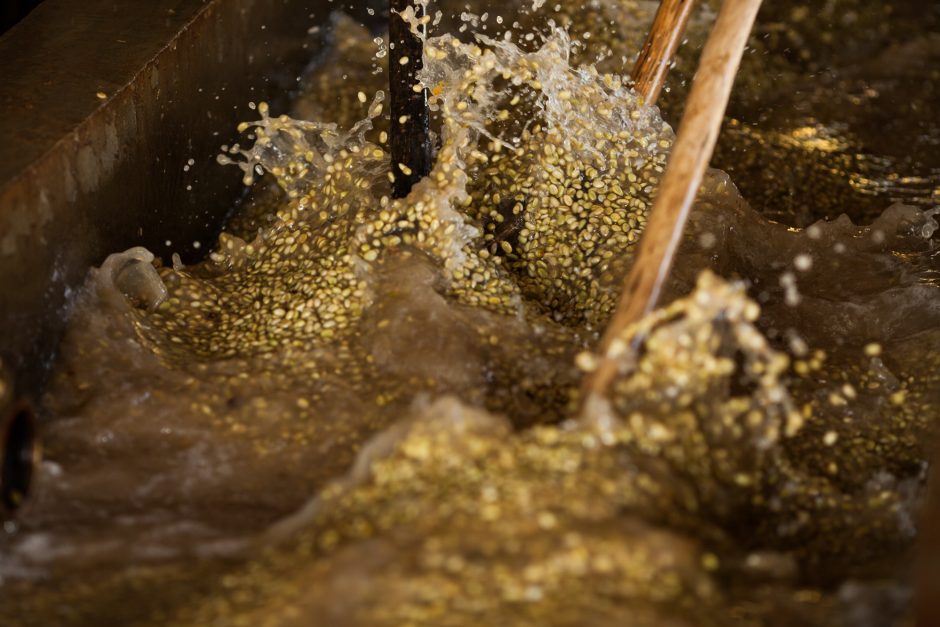
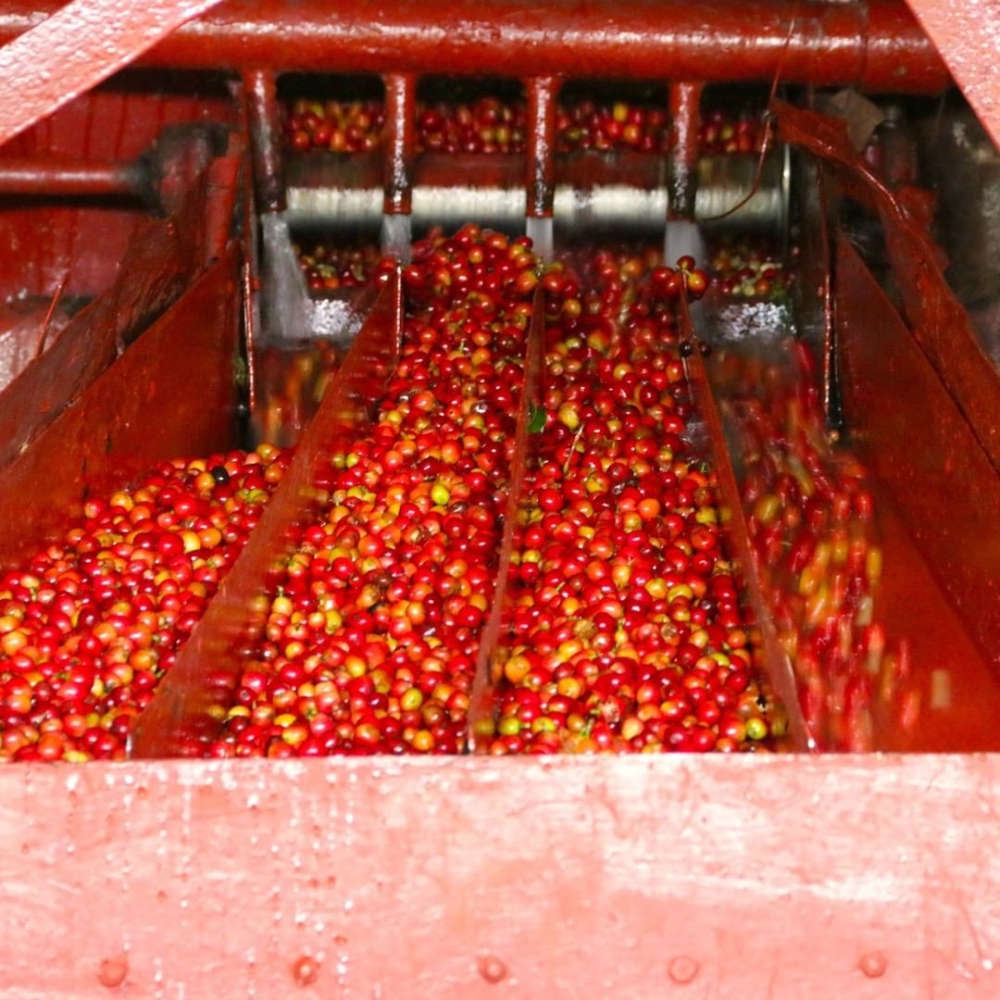
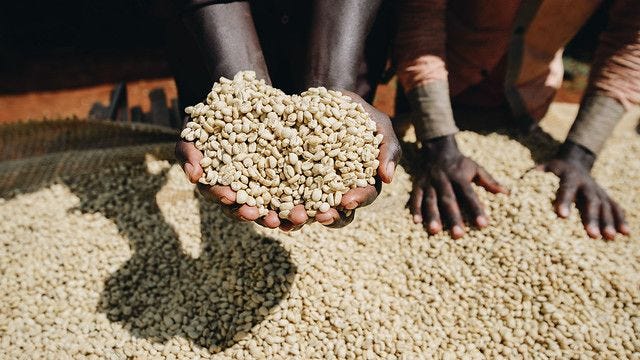
Kenya’s K72 washed processing method is an upgrade to traditional washing, with its core being “cyclic fermentation” — the processing procedure begins on the day of harvest, utilizing three 24-hour fermentation cycles (totaling 72 hours) to gradually remove the mucilage and deepen the flavor. In the first fermentation round, high-density ripe berries are selected, the skins are removed, and they are soaked and fermented for 24 hours. During this stage, the natural sugars and alcohol compounds in the mucilage lay the foundation for sweetness, removing about 80%-90% of the mucilage. The second fermentation round is extended to 24-48 hours, increasing the protein and amino acid content, which imparts a more complex layered acidity. After each fermentation, the beans are rinsed with clean river water, and finally, the beans are moved to elevated drying racks for sun drying (usually 5-10 days). The low-temperature, long-duration fermentation combined with air-drying dehydration results in a brighter, fuller, and cleaner flavor profile.
The Advantages of Highland Cultivation in Kenya
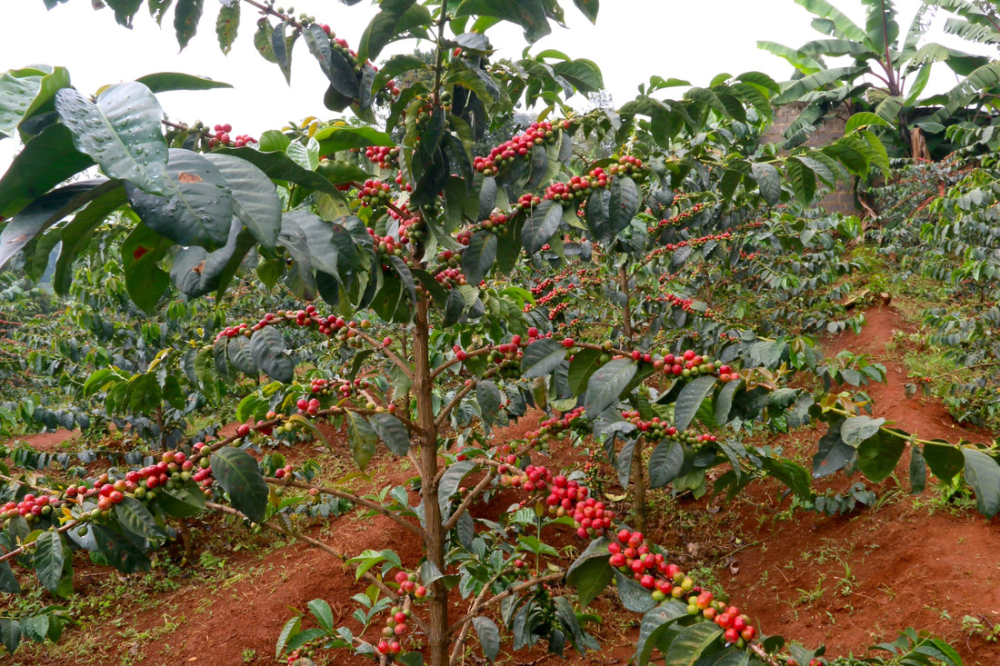
The primary determinant of coffee flavor is the terroir. Kenya is located in East Africa, with the equator running through its central region. The country features many highlands, with an average elevation of 1,500 meters, and Mount Kenya (elevation 5,199 meters) in its central region is the second highest peak in Africa. Coffee is mainly grown in the volcanic soil areas surrounding Nairobi, the capital, and the Mount Kenya region, at altitudes of 1,600-2,100 meters — at this height, the lower temperatures slow down the growth of coffee cherries, which is beneficial for the accumulation of aromatic compounds, making the acidity more pronounced and the beans harder. It’s important to note that Arabica varieties are highly sensitive to altitude; the higher the altitude, the better the flavor potential generally is, which is the innate condition behind the outstanding acidity of Kenyan coffee.
Characteristics of SL28, SL34, and Other Varieties
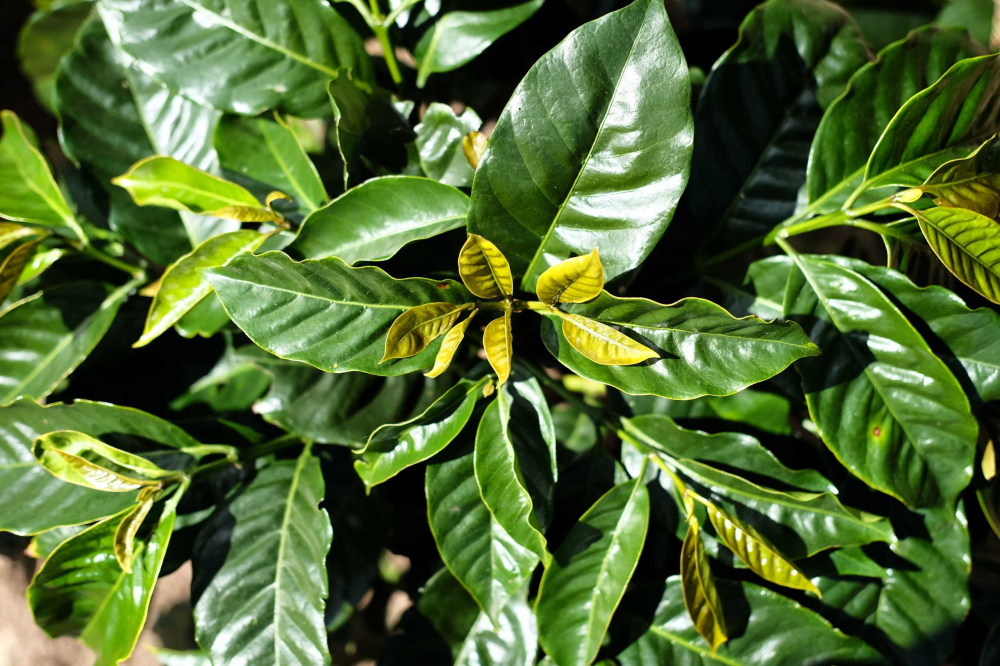
The mainstream SL28, SL34, Ruiru11, and Batian varieties grown in Kenya were all developed by the Kenya Coffee Research Institute (CRI). The SL series (an abbreviation for Scott Laboratories) originated in the 1930s when the CRI was commissioned by the government to cultivate commercial varieties suited to Kenya’s terroir. SL28 is a cross between Mocha and Yemeni Typica, with copper-colored leaves and a bean-like appearance. Its flavors are dominated by citrus and black plum, with a balanced and layered sweetness and acidity, making it the core contributor to the pleasant acidity of Kenyan coffee. SL34 has more Bourbon and Typica lineage, with flavors similar to SL28 but a richer, cleaner mouthfeel and stronger adaptability (such as resistance to sudden rain). Ruiru11, introduced in the 1980s as a disease-resistant variety (with resistance to CBD, coffee leaf rust), has high yields but relatively mild flavor expression. Batian, released in 2010, is the latest variety, genetically tracing back to SL28 and SL34 while eliminating undesirable Robusta genes, showing a significant improvement in cup quality.
Kenya’s Coffee Grading System
Kenya grades its coffee based on bean size, shape, and cupping results, from highest to lowest: AA/AA+, AB, PB, C, E, TT, T. AA grade (17-18 mesh) and AB grade (15-16 mesh, making up the majority of production) are the mainstay of specialty beans, with AA+ being AA-grade beans that score particularly well in cupping. PB (peaberry), due to its unique shape (single seed per fruit), is classified separately, though not directly related to flavor. It’s worth noting that in addition to physical screening, some exporters may also use unofficial but common cupping grade labels such as TOP, PLUS (+), and FAQ to further distinguish high-quality batches.
Practical Brewing Reference: Assalia and Saxony PB
Take Kenya’s Assalia (SL28/SL34, AA+ grade) as an example: its roast is light (Yangjia 800N semi-direct fire, 160°C charge → 193.8°C drop), with flavors of pears, black plum, brown sugar, and cherry tomatoes. For pour-over, it is recommended to use a Hario V60, with a water temperature of 90°C, a 15g coffee to 1:15 coffee-to-water ratio, medium-fine grind (80% through a #20 sieve), 30g water bloom for 30 seconds, then small circular pours to 125g, followed by pouring to 225g, with a total extraction time of 2 minutes. This highlights the bright acidity and juicy mouthfeel. Another option, Saxony PB (SL28/SL24/Ruiru, 1,680m altitude), emphasizes extending the Maillard reaction during roasting (prolonging at 166°C) and development after first crack (reducing heat to 50% at 188°C), resulting in a richer flavor profile (cherry tomato, almond, honey). Either a V60 or a brew-in-cup method works — the former brings out more floral notes, while the latter highlights a juicier profile.
The above content is compiled by CoffeeHunters, a coffee news website.


