







Introduction:Mandheling coffee from Sumatra, Indonesia, is renowned for its unique herbal and spicy flavor profile and rich, full-bodied taste. This article delves into the core terroir of its main producing regions, the key steps and principles behind the wet hulling processing method, and introduces Indonesia’s coffee grading system. It also provides a detailed overview of four representative Mandheling coffees—PWN Golden Mandheling, Lintong Mandheling, Tiger Mandheling, and Aged Mandheling—highlighting their regional characteristics and cupping flavor profiles. Finally, it offers expert-level pour over parameters and techniques to help you fully appreciate the charm of this classic Southeast Asian coffee.
Mandheling coffee is one of the most iconic items in Asia’s specialty coffee landscape. Its intense herbal and spicy base notes paired with a solid, rich body leave a lasting impression on coffee enthusiasts worldwide. Originating from Sumatra, Indonesia, this coffee not only carries distinctive regional terroir but also owes its unique aromatic profile to the special wet hulling process. This article will break down the mysteries of Mandheling step by step, starting with basic factors such as producing regions, the origin of its name, processing techniques, and grading standards. It then focuses on four commonly available classic varieties, analyzing their origin details and cupping performance, and finally shares practical pour over recommendations to guide you through a comprehensive understanding of this classic coffee.
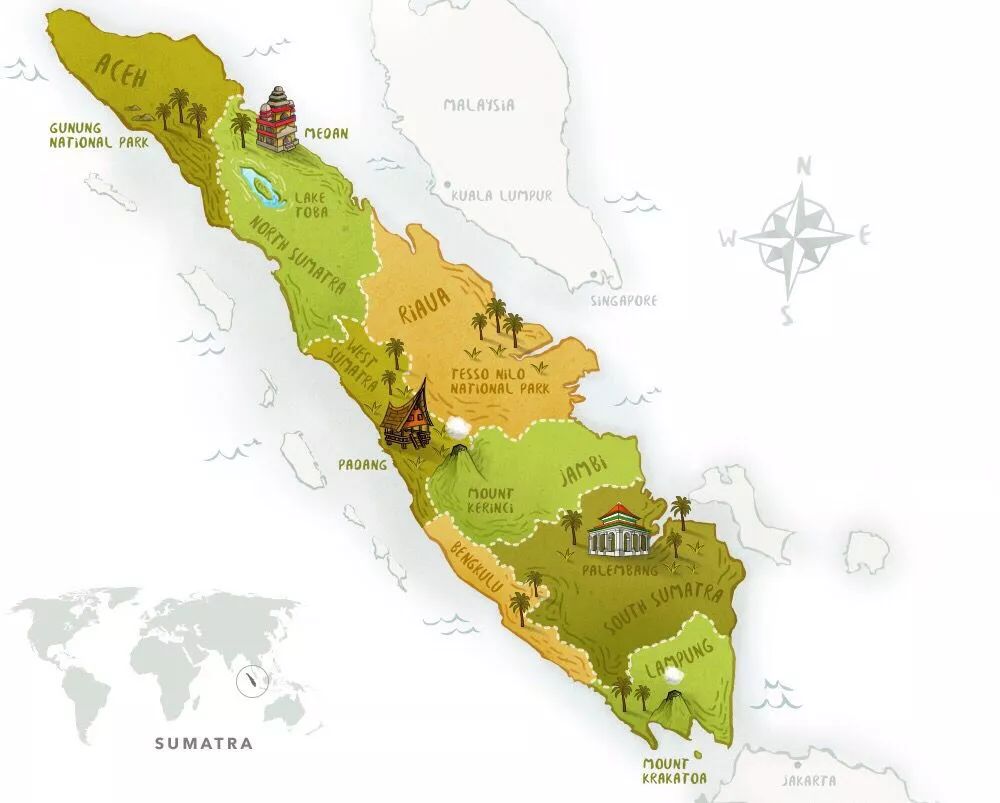
As the home of the island of Sumatra, Indonesia is one of the few tropical countries in the world with the conditions suitable for growing high-altitude Arabica coffee. Sumatra is not only the largest island in Indonesia but also enjoys a stable tropical rainforest climate near the equator, with high temperatures, humidity, and abundant rainfall throughout the year—providing an ideal environment for coffee trees. However, due to the overall altitude distribution, there are limited areas in Indonesia suitable for cultivating high-quality Arabica. Only about a quarter of the coffee grown is Arabica, while the rest is mostly Robusta, which thrives at lower altitudes. Sumatra happens to be the highest-altitude region in the country, making it the primary origin of Mandheling.
The origin of the name "Mandheling" is actually rooted in an interesting misunderstanding. It is said that after World War II, Japanese soldiers stationed in Indonesia returned home and longed for the local coffee, so they sought high-quality beans through traders. The locals misunderstood the inquiry as a question about their place of origin and answered "Mandailing," which the Japanese misheard as "Mandehling"—eventually evolving into the widely known "Mandheling" today. This historically accidental name has now become synonymous with high-altitude Arabica coffee from Sumatra.
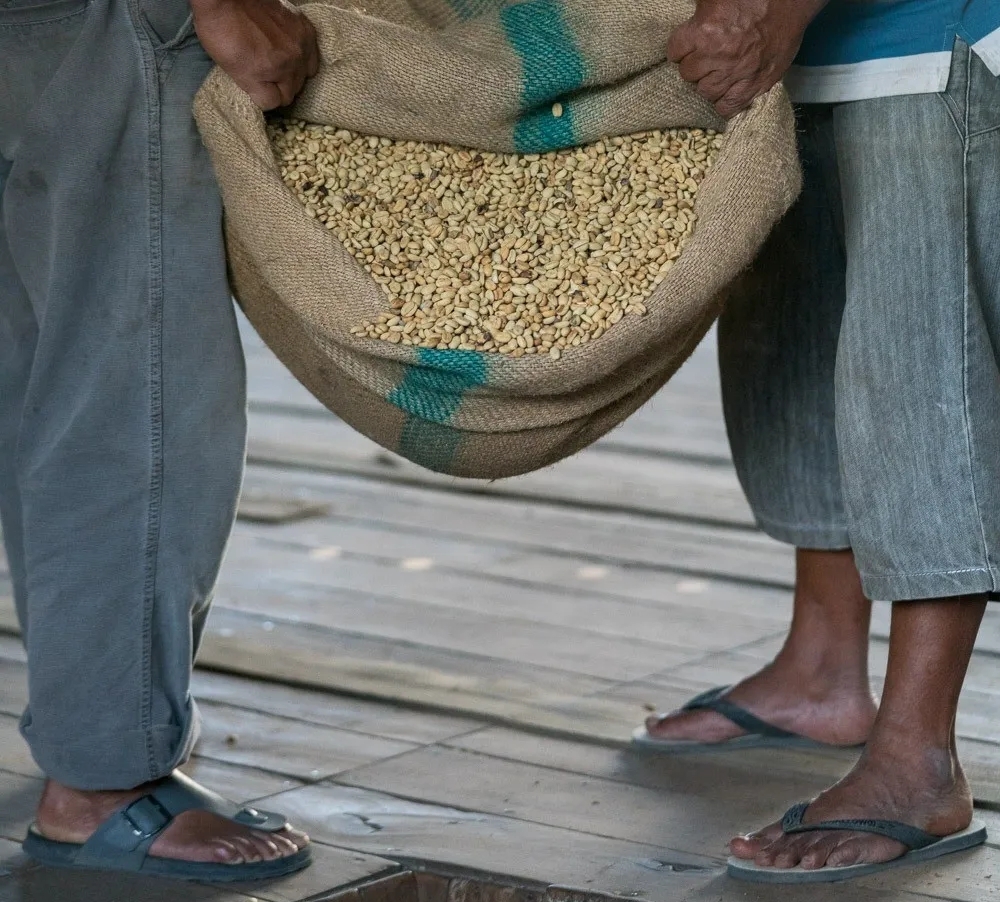
The distinct flavor character of Mandheling is largely due to Indonesia’s unique "wet hulling" processing method. In this technique, after the coffee cherries are depulped and the fruit flesh is removed, the mucilage and parchment are scraped off while the beans are still in a semi-dry state, and drying continues until the target moisture content is reached. Because the beans are moist and semi-hard during processing, the scraping can create compression that leads to cracks resembling hoof prints. This appearance, nicknamed "hoof beans" by the industry, is a normal phenomenon rather than a defect.
The origins of wet hulling are closely tied to Indonesia’s climate and economic conditions. Frequent rainfall and typhoons make it difficult to achieve the consecutive sunny days required for sun drying, and in the past, the high equipment and maintenance costs of the washed process were not easily affordable. This led farmers to develop a processing method adapted to the local environment. Even though some farms now use the washed method, wet hulling is still preserved and continuously refined due to the unique "earthy, herbal, and spicy" aromatic profile it imparts to Mandheling.
The standard wet hulling process consists of two stages: first, the coffee is depulped using a wooden pulper, then undergoes about three hours of fermentation before initial sun drying to reduce the moisture content to a semi-dry state of 30%–50%. Next, the mucilage and parchment are removed, and drying continues until the final moisture content of 12%–13% is achieved, with the latter stage of drying taking 2–4 days. There is also an “aged wet hulling” method, where regular wet-hulled beans are stored in a cool, ventilated warehouse for 2–3 years, periodically turned to prevent mold. During this time, acidity gradually transforms into sweetness, the color darkens, and the beans eventually take on a yellowish-brown or dark brown hue, with flavors becoming rounder.
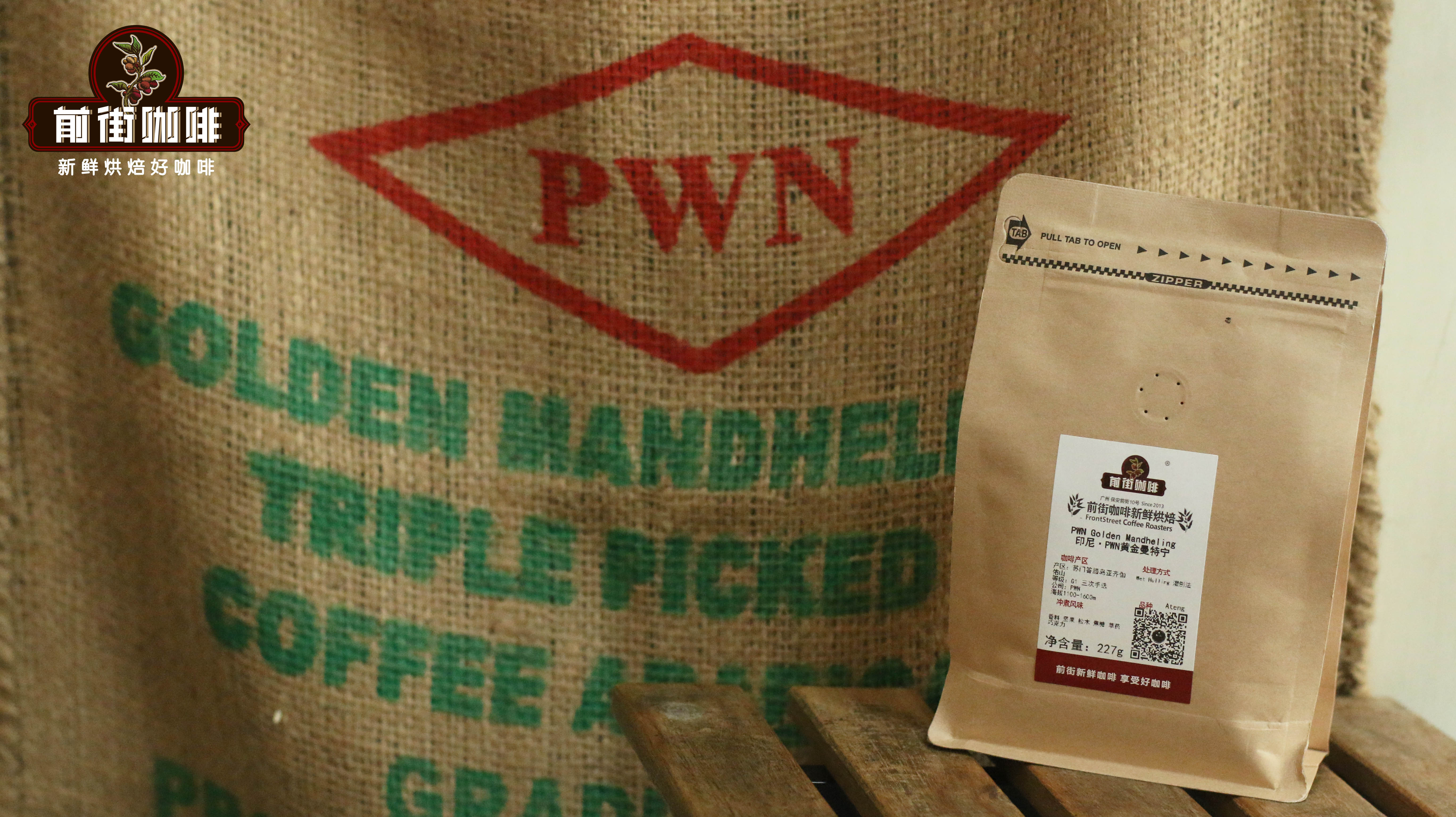
Indonesia’s coffee grading system is mainly based on the number of defects and bean size. Generally, qualified coffee beans must be free of live insects, mold, and have a moisture content not exceeding 12.5%, with an impurity rate below 0.5%. Based on a 300-gram sample, the fewer the defects, the higher the grade: G1 (fewer than 11 defects) is the highest grade, typically requiring plump, uniformly sized beans that have undergone strict screening; G2 (12–25 defects), G3 (26–44 defects) follow in descending order, down to G6 (151–225 defects) as entry level. Notably, the common PWN Golden Mandheling falls under the G1 grade, with fewer than 3 defects in a 300-gram sample, a darker green bean color, regular shape, clean taste without off-flavors, and showcasing the pure flavors of high-end Mandheling.
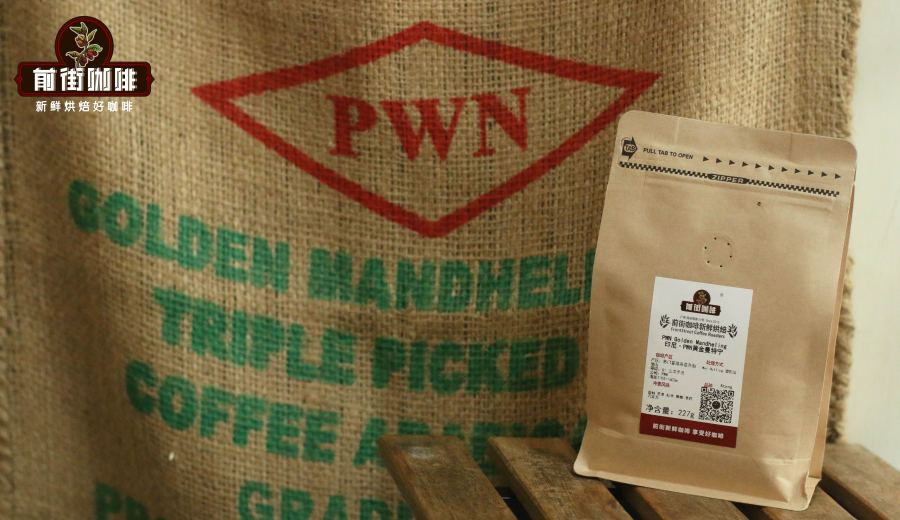
Next, let’s focus on four representative Mandheling coffees. First is PWN Golden Mandheling, sourced from Gayo Mountain, Aceh, Sumatra, at an altitude of 1100–1600 meters, with the Ateng variety processed via wet hulling. The latest batch comes from Gayo Mountain; compared to previous versions from Lake Tawar, it features more pronounced baked toast notes, a rich and layered mouthfeel, and aromas of nuts, pine wood, and caramel upon entry, with a long-lasting finish—making it a classic choice among high-end Mandheling.
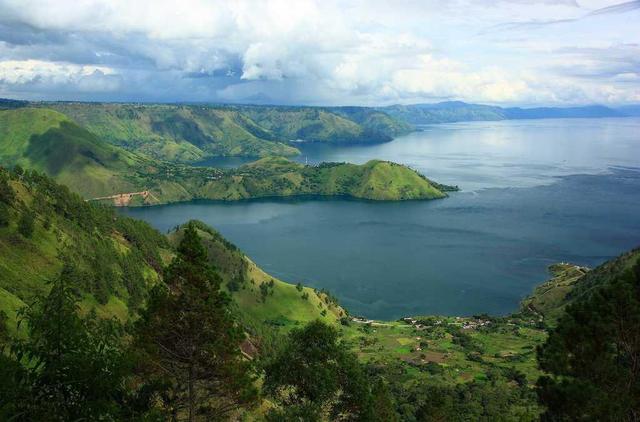
The second is Lintong Mandheling, from the Lintong mountainous area in central-northern Sumatra, near Lake Toba, at an altitude of 1100–1600 meters, with varieties including Typica and Catimor, also processed using wet hulling. As an entry-level everyday bean, it is characterized by low acidity and high body, with cupping notes of baked toast, nuts, caramel, and herbs in harmonious balance—suitable for daily drinking.
The third is Tiger Mandheling, from Tiger Estate in Sumatra, at an altitude of 1500 meters, with varieties mainly consisting of Catimor and Typica, and only beans of 17+ screen size and below 4% defect rate can bear the name. Catimor brings citrus notes, while Typica adds sweet aftertaste, resulting in an overall balanced and clean mouthfeel. The aroma blends pine wood and spices, with clear layers of cream and dark chocolate.
Finally, there’s Aged Mandheling, which undergoes 2–3 years of warehouse aging with strict control of a cool, ventilated environment to prevent mold. This coffee sees a significant reduction in acidity, a deeper color, and flavors transitioning to a mellow combination of aged pu’er, caramel, and herbs. It delivers a rich sweetness on the palate, with a mature, well-rounded body—making it an excellent choice for experiencing the temporal flavor transformation of Mandheling.
For brewing, it is recommended to use the Kono filter universally, with a 1:15 coffee-to-water ratio (15 grams of coffee), water temperature at 88°C, and grind size adjusted to 70–75% passing through a standard 20-mesh sieve. Use a staged extraction method: start with a 30-second bloom using 30 grams of water, then pour in a small circular motion up to 125 grams for the first pour, wait until the water level drops and is about to expose the coffee bed before pouring again up to 225 grams, and remove the filter just before the water level drops again. With these parameters, Golden Mandheling shows a multi-layered, rich body with prominent nut and caramel aromas; Lintong Mandheling highlights herbal and dark chocolate notes with a noticeable aftertaste; Tiger Mandheling balances cream, dark chocolate, and nut tones harmoniously; Aged Mandheling presents a base of woody, malty, and caramel aromas with delicate sweetness and soft acidity.
The above content is compiled by CoffeeHunters, a coffee news website.


