







Category: Coffee Knowledge
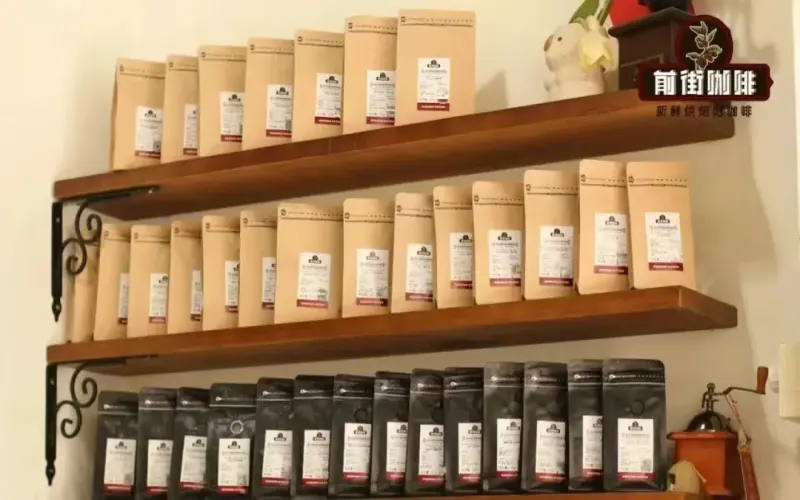
Analysis of Resting Period Differences Between Pour Over and Espresso Beans | Essential Beginner’s Guide to Degassing
Freshly roasted coffee beans are full of carbon dioxide, and brewing them directly can negatively impact flavor and stability. This article delves into the differences in resting periods between pour over and espresso beans, explains why freshly roasted beans need time to degas, and provides recommended resting durations for different roast levels, as well as how brewing methods affect degassing. Additionally, it shares tips—such as pre-grinding and adjusting water temperature—for improving extraction if you want to enjoy freshly roasted beans right away, helping coffee enthusiasts achieve the best possible flavor. [more…]
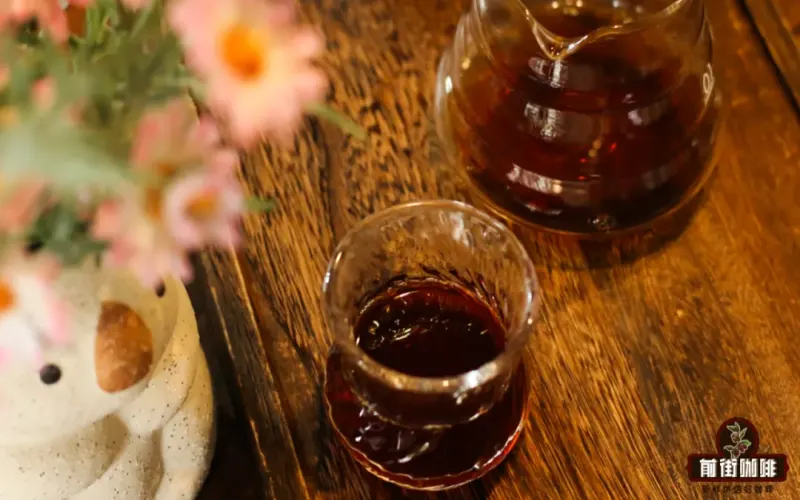
Exploring Coffee Flavor Wheels and Bean Varieties Through the Connection Between Tea and Floral Aromas | Brewing Guide
Have you ever noticed that when sipping coffee, the aroma of green or black tea is often accompanied by an elegant floral note? This is not a coincidence but rather a reflection of the high degree of similarity in aromatic molecules between tea and floral scents. This article delves into the science of aromas in both coffee and tea, combined with an analysis of the new flavor wheel, to help you understand why tea aromas are frequently paired with floral notes. It also introduces common aromatic compounds such as cis-jasmone and β-ionone. At the end, we’ll recommend several high-altitude single-origin coffees that are known to exhibit prominent tea and floral characteristics. [more…]

Cold Brew Coffee Making Guide: Key Parameters for Coffee-to-Water Ratio, Grind Size, and Bean Selection
Brewing cold brew coffee at home requires mastering the correct coffee-to-water ratio, grind size, and steeping time to extract a well-balanced and complex cup. This guide delves into the key aspects of making cold brew—from bean selection tips to specific parameters—and provides practical steps along with a curated selection of beans, helping you easily craft a rich yet refined iced drip-style coffee. [more…]
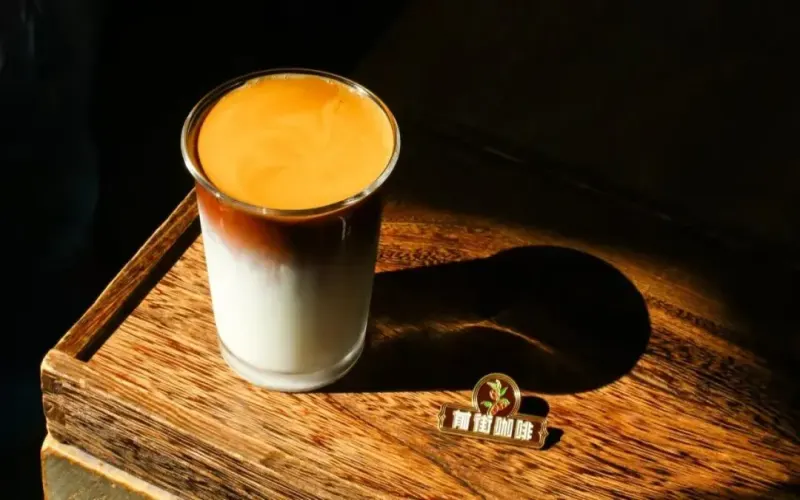
What to do if your Dirty coffee has poor layering? A guide to adjustment techniques and bean recommendations
Do you often find that the espresso and milk in your Dirty coffee blend together, resulting in blurry layers and a flat taste? This practical guide, tailored for coffee enthusiasts, delves into the three key factors affecting Dirty layering: pouring height, milk temperature, and espresso extraction conditions. It provides specific operational tips and recommends medium-to-dark roasted beans ideal for making Dirty coffee, helping you easily achieve a Dirty coffee with distinct layers and balanced flavors. [more…]
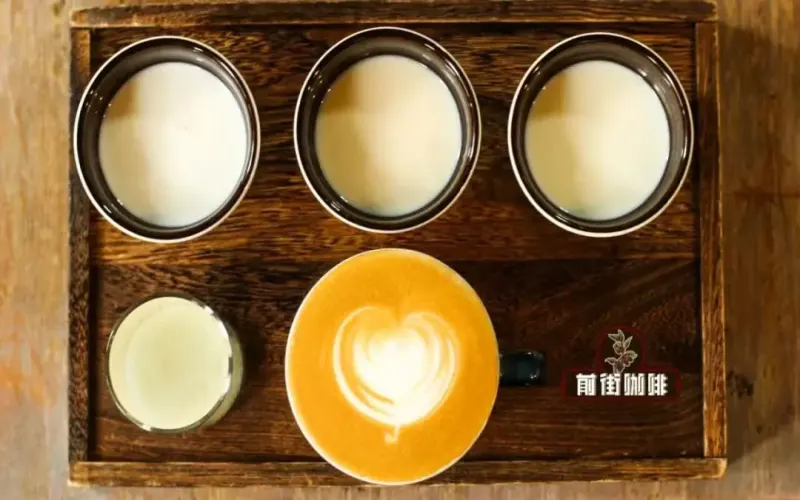
Secrets to Elevating Milk Coffee Flavor: Milk Blending Strategies and Dirty Contrast Taste Adjustment Guide
In the specialty coffee field, the selection and pairing of milk have become crucial factors influencing the flavor of milk coffee. This article delves into two mainstream approaches to milk blending—quality enhancement & flavor boosting, and innovative flavor creation—and provides practical blending ratios and espresso extraction parameters. Through specific case studies, readers will learn how to enhance the contrast taste of Dirty coffee through milk blending, as well as how to adjust the richness and layering of milk coffee according to their preferences. [more…]

Is your pour-over coffee from drip bags too light? A complete guide to water temperature, coffee-to-water ratio, and pour-over techniques
Have you ever wondered why the same drip bag coffee can yield rich, fruity notes for others, yet taste bland and watery for you? The secret often lies in the details: water temperature control, coffee-to-water ratio, and pouring technique. This article will take you through how adjusting these three key elements can improve your drip bag extraction, making every cup rich in layers and flavor. Whether you're a beginner or already have some experience, these practical tips will help you master the art of pour-over drip bags more precisely. [more…]
Complete Guide to Making Milk-Washed Latte: A Professional Introduction from Ingredient Ratios to Flavor Adjustment
Milk washing (Milk Wash) is a technique that creates a clear emulsion by reacting acidic components with milk, widely used in creative specialty coffee beverages. This article will delve into the principles behind making a milk-washed latte, including material selection, step-by-step process, and practical recipes. It also explores how to enhance the final flavor's complexity and balance by adjusting the type of coffee bean, ratio, and steeping time. It’s an essential professional guide for coffee enthusiasts looking to experiment with milk-washing techniques. [more…]
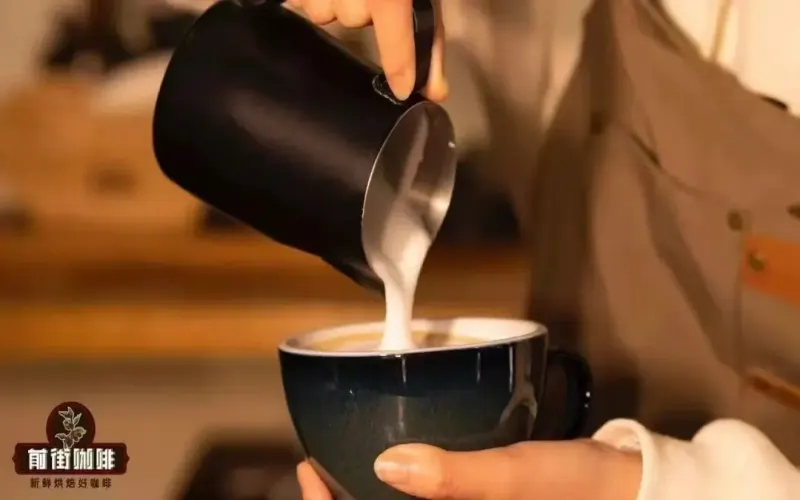
Latte Art Techniques: A Breakdown of the Three Steps in Milk Frothing—Foaming, Stretching, and Pouring—and How They Affect Pattern Thickness
To pour beautiful latte art patterns such as layered hearts, leaves, or swans, the texture and thickness of your milk foam are key. This article starts with the fundamentals of steam frothing, then dives deep into the three core stages of milk frothing: foaming, stretching, and pouring (also referred to as texturing and integrating). It also offers practical advice on the ideal milk foam thickness for different latte art designs. Additionally, it covers steam wand handling techniques, how to form a proper whirlpool, and how to fix common layer separation issues—helping you consistently produce fine, glossy, and pourable milk foam. [more…]
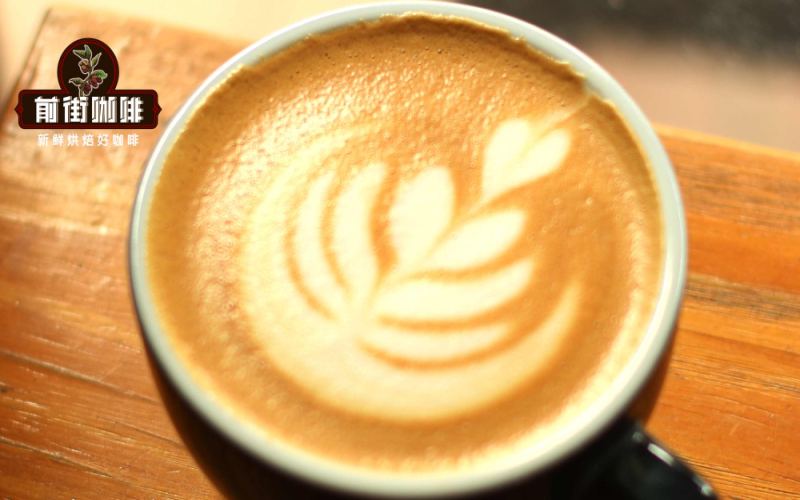
Espresso Latte Art for Beginners: A Complete Guide from Milk Frothing to Pouring Techniques
Want to create beautiful and smooth latte art at home but often encounter issues like blurry patterns, broken lines, or uneven milk foam? In fact, the key to successful latte art lies in mastering the crema thickness of espresso and the fineness of milk foam. This article will provide an in-depth breakdown of every detail — from coffee bean selection, crema condition, milk frothing techniques, pouring rhythm, to pattern creation — helping you gradually improve your latte art skills and achieve the silky, professional-style poured designs. [more…]

Pour Over and Espresso Basics: How to Allocate Your Budget Between Coffee Beans and Equipment?
Wondering whether to prioritize equipment when getting started with pour over or espresso? In truth, both coffee beans and brewing tools play vital roles—but with a limited budget, allocating your funds wisely yields the best results. This article delves into the optimal investment strategy for beginners in both pour over and espresso, offering comprehensive advice on choosing grinders and coffee machines, as well as selecting fresh beans that suit your taste, so you can spend your money where it matters most. [more…]
A Complete Guide to Pour Over & Cold Brew with Dark Roast Italian Blend Beans | Grind Size, Water Temperature, Parameters & Flavor Analysis
Many coffee enthusiasts wonder whether Italian blend beans are suitable for pour over or cold brew—and the answer is yes, but extraction parameters need to be adjusted. This article delves into the key techniques for using dark roast coffee beans in pour over and cold brew applications, including practical settings such as grind size, water temperature, and coffee-to-water ratio. It also shares how to avoid the risk of over-extraction, helping you uncover the multifaceted flavor potential of Italian blend beans. [more…]

Espresso Beginner’s Guide: A Comprehensive Breakdown of Home Extraction Techniques and Machine Selection
Want to make professional-grade espresso at home but don’t know where to start? This article explains the core principles of espresso, key considerations when choosing a home machine, and precise extraction parameters. From dose ratios to TDS measurement, it takes you through the critical steps from beans to cup and debunks common operational misconceptions. [more…]
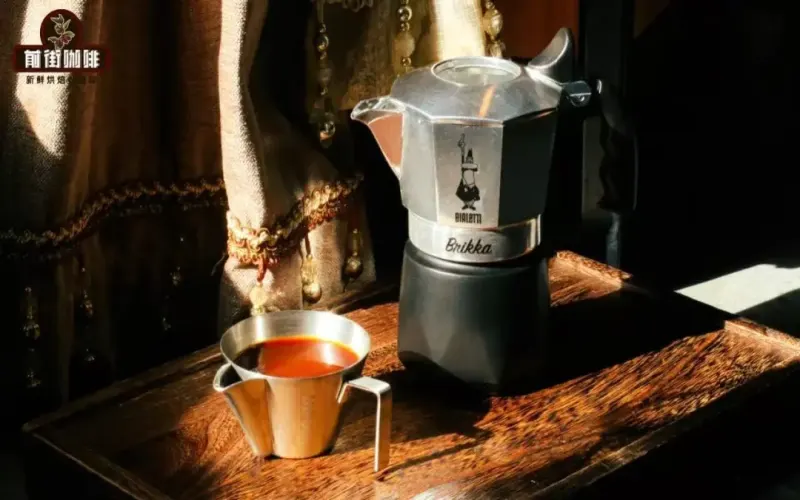
Secrets to Brewing Moka Pot Espresso-Style Coffee: Key Adjustment Techniques from Crema to Concentration
Do you find that the coffee you brew with your moka pot always lacks richness and that captivating layer of Crema? In fact, by mastering extraction parameters, adjusting the coffee-to-water ratio, and fine-tuning heat control, your moka pot can produce coffee with flavors close to traditional espresso. This article will delve into how to enhance coffee concentration and Crema performance through precise liquid weight control, selecting the right coffee beans, and optimizing the brewing process—guiding you step-by-step to make aromatic, richly cremed moka pot coffee. [more…]
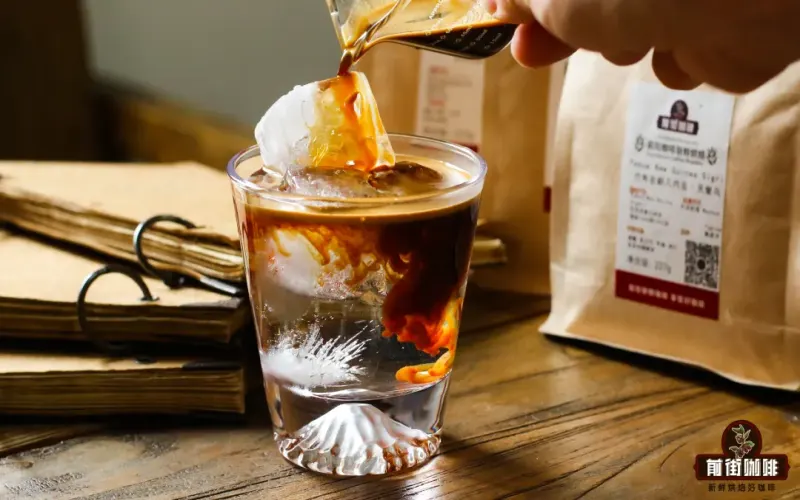
Secrets to Making Coconut Americano: A Guide to Coffee Bean and Coconut Water Pairing & Extraction Ratios
Struggling to brew a fragrant and well-balanced coconut americano at home, but the flavor just isn’t right? The key lies in selecting the right coffee beans, choosing quality coconut water, and getting the extraction and mixing ratios just right. This article dives deep into how to pick the perfect coconut water and coffee beans, adjust the optimal espresso extraction parameters, and offers practical recommendations for coffee-to-water ratios and mixing proportions—so you can easily create a smooth and layered coconut americano. [more…]
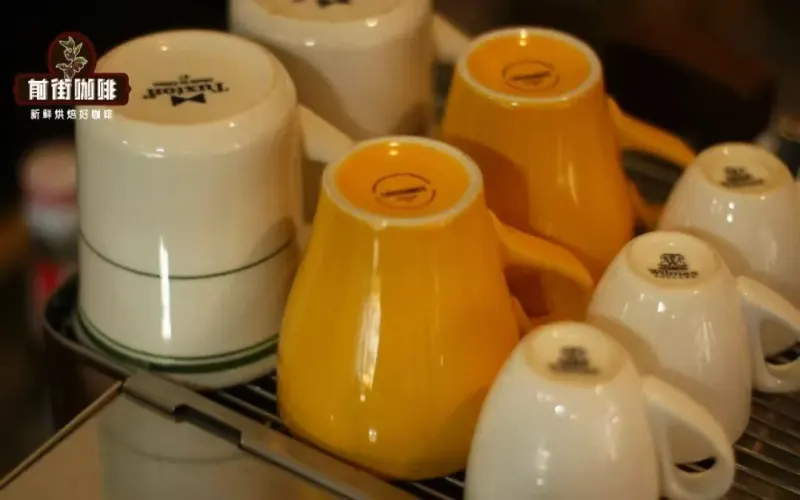
Practical Test on Preheating Cups and Pots for Pour Over Coffee: How Temperature Control Affects Flavor and Mouthfeel
Many pour over coffee enthusiasts often wonder: Should you preheat the coffee cup and brewing equipment before brewing? Temperature changes not only affect how quickly the coffee cools down but also alter how your taste buds perceive the flavors. This article analyzes the differences between preheated and non-preheated cups and pots through practical testing. Using a bright and fruity Xi Zha bean as an example, we explore how different temperatures influence the aroma and flavor layers of the coffee—helping you find the brewing method that works best for you. [more…]

How to Choose Between Light Roast and Dark Roast Coffee Beans? A Complete Guide to Flavor Analysis and Pour Over Brewing Parameters
The same coffee beans can exhibit completely different flavor profiles when light roasted or dark roasted. This article delves into how roast levels influence the balance of acidity and sweetness, body, and bean density through Maillard and caramelization reactions, and provides practical pour over and brewing parameter suggestions for different roast degrees. Whether you’re chasing bright fruity acidity or rich caramel notes, you’ll find the ideal roast choice and brewing techniques here. [more…]
Espresso Grind-to-Water Ratio & Blended Bean Guide | Flavor Differences Between SOE and Blends, and Extraction Parameters
Explore the mysteries of espresso blending and key extraction techniques, from grind-to-water ratio settings to comparisons between single-origin beans (SOE) and blends. Analyze flavor balance methods. This article details blending principles, common purposes, and practical formula ratios, providing essential roasting and extraction parameters for beginners. Understand why most commercial espressos use blends, and learn how to judge flavor quality. [more…]
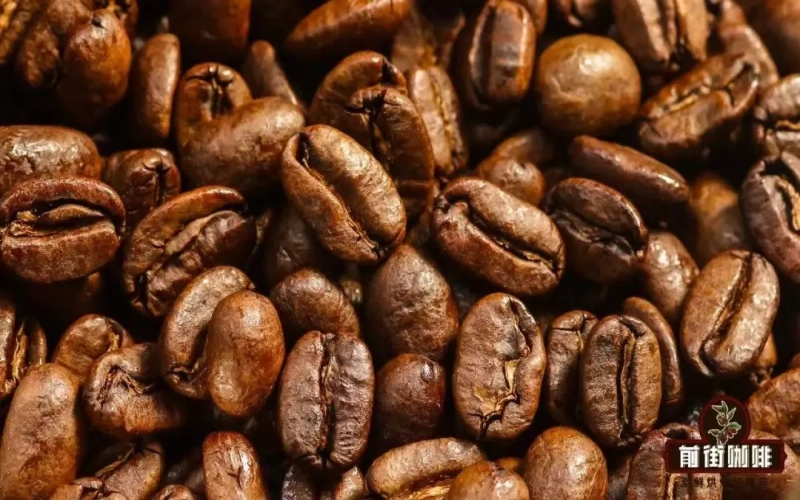
No crema in your pour over coffee? Filter selection and parameter adjustments for richer brews
Do you often find your pour over coffee clear and lacking that enticing layer of glossy crema? In fact, it’s related to the type of filter paper you’re using. This article takes an in-depth look at how different filtration materials—such as paper filters, non-woven fabric filters, and flannel filters—affect coffee crema, and provides practical advice on grind size and water temperature adjustments. Learn how you can brew pour over coffee at home with rich aroma and a full-bodied taste. [more…]
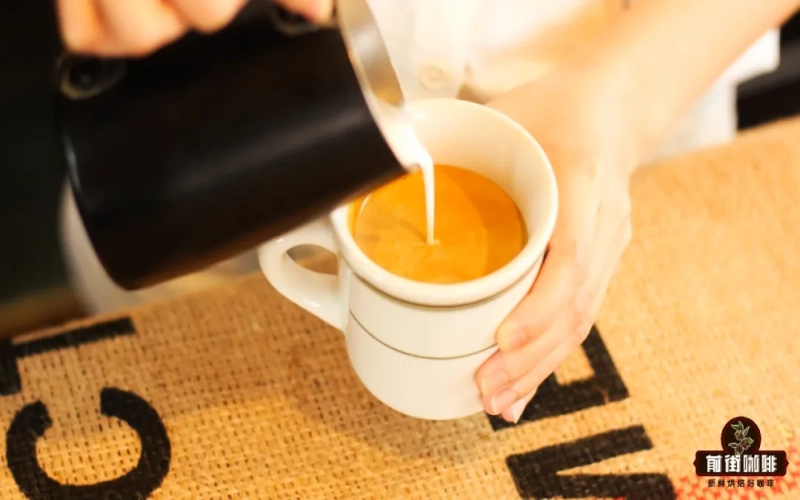
The Key to Flat White Flavor: Does Latte Art Really Matter? A Complete Guide to Steaming Thin Milk Foam
Have you ever wondered why some coffee shops serve Flat Whites without latte art? Does latte art affect the flavor of a Flat White? In reality, whether or not you add latte art doesn’t directly influence the taste of the coffee—the key factors are the quality of the ingredients, the brewing process, and the milk foam. This article dives deep into the necessity of latte art for a Flat White and provides a detailed guide on steaming thin, highly fluid milk foam under 0.5 cm thick, helping you master the essence of this classic milk coffee. [more…]
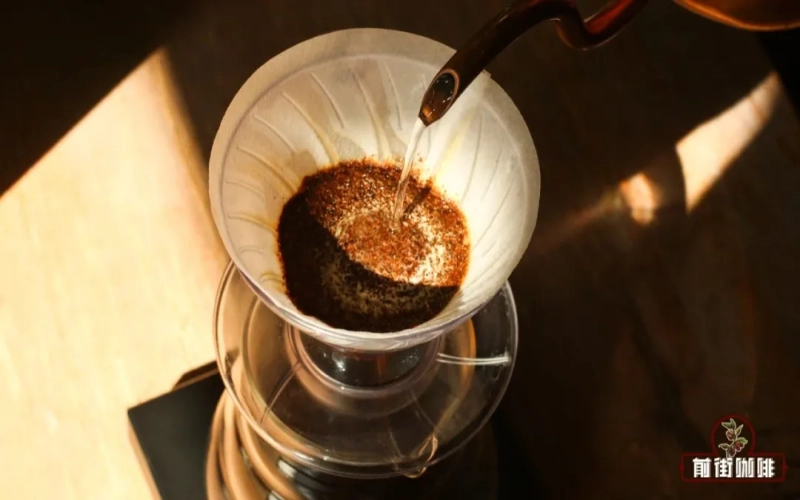
Front Street Coffee Yirgacheffe Guddina Pour Over Tutorial: Three-Stage Extraction Parameters and Flavor Analysis
Want to brew a balanced, bright-acid pour over coffee at home? This tutorial uses Front Street Coffee’s Yirgacheffe Guddina light roasted washed beans as an example, explaining the complete process from equipment preparation, grind size, water temperature control, to the three-stage pouring method. It provides tested parameters such as a 1:15 coffee-to-water ratio and 92°C water temperature, and analyzes adjustments needed for light vs. dark roast beans, helping beginners master stable extraction techniques to highlight the refreshing layers of jasmine, lemon, and green tea. [more…]