








Introduction:The same coffee beans can exhibit entirely different flavor profiles when light-roasted versus dark-roasted. This article delves into how roast levels influence the acidity-sweetness balance, body, and bean density through Maillard and caramelization reactions, and provides practical pour-over and brewing parameter suggestions for different roast degrees. Whether you prefer bright fruity acidity or rich caramel notes, you’ll find the ideal roast choice and brewing technique.
Have you ever wondered why the same coffee bean tastes so different after a light roast versus a dark roast? Take the popular Ethiopian Huaca or Gran Selezione Geisha, for example — these beans often come in both light and medium roast versions, leaving many coffee enthusiasts unsure which to choose. In fact, roast level not only determines flavor direction but also directly affects extraction parameter settings.
During the roasting process, coffee beans undergo two key chemical changes: the Maillard reaction and caramelization. These reactions break down and recombine internal compounds, creating unique aromas and flavors. With a light roast, the reactions are less intense, preserving more of the bean’s innate characteristics such as bright acidity and floral notes; a dark roast, due to more thorough reactions, presents roasted tones like caramel and chocolate.
Take the Gran Selezione Geisha as an example,the medium-light roast versionretains its acidity and aroma well due to shorter development time, expressing flavors like apricot, berries, and citrus, paired with oolong tea and white floral notes, resulting in a light and refreshing mouthfeel.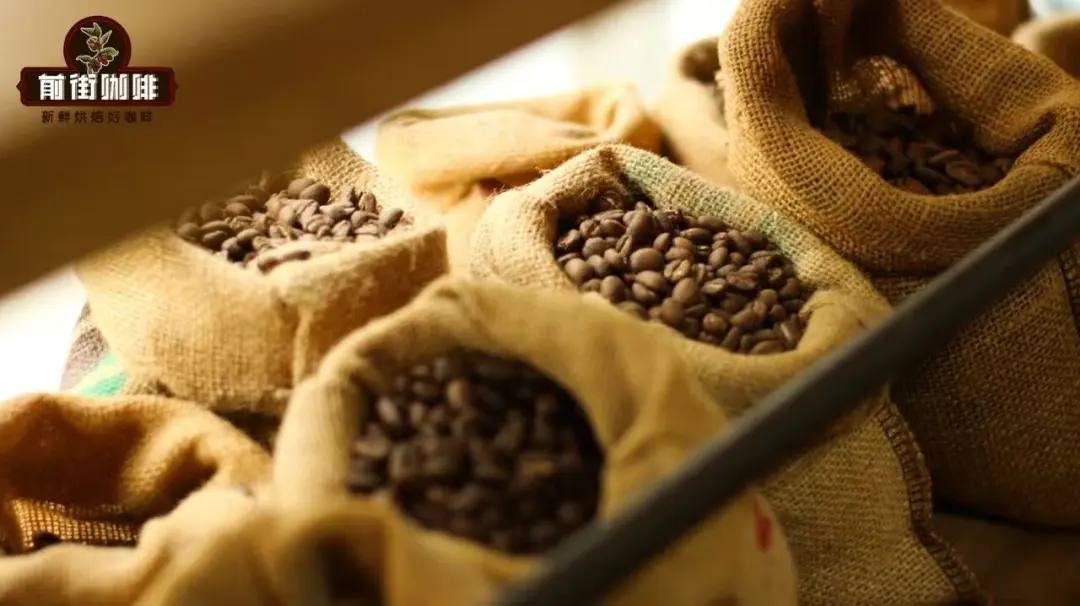 In contrast,the medium-dark roast versionundergoes longer high-temperature treatment, where acidity transforms into sweetness, and flavors shift toward cocoa, cream, and toasted bread, yielding a richer and more lingering profile.
Roast level also alters the physical properties of the coffee beans.Light-roasted beans have higher density, with a tighter structure, requiring higher water pressure and finer grind to achieve full extraction;dark-roasted beans expand in volume and decrease in density, making them more brittle and prone to producing fine particles during grinding, so adjusting grind size and paying attention to filter choice are recommended.
A common misconception is that dark-roasted beans are necessarily more “intense” — in reality, flavor intensity isn’t absolutely correlated with roast depth.Pour-over coffee recommendations:If you prefer clear acidity and fruity notes, opt for a medium-light roast using water at 90–93°C, a grind size around that of granulated sugar, and a brew time of 2–3 minutes; if you favor a fuller body, go for a medium-dark roast and lower the water temperature to 88–90°C, with a slightly coarser grind to avoid over-extraction.
Key differences in extraction parameters::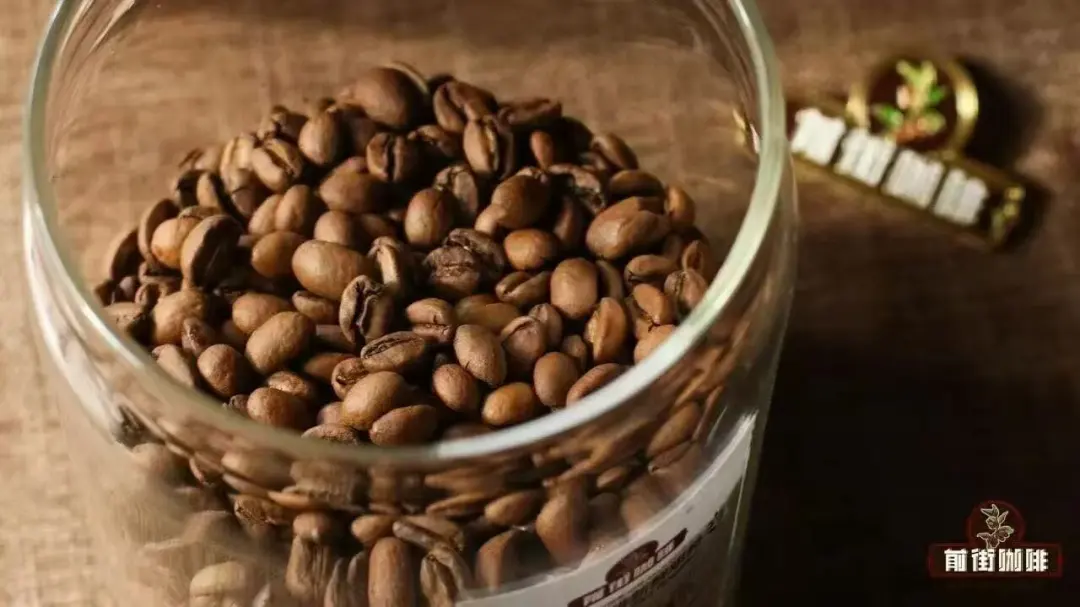 Light-roasted beans, being denser, benefit from higher water temperatures and longer extraction times to release their flavors; dark-roasted beans require shorter times and lower temperatures to prevent over-extraction and bitterness. Users of moka pots or espresso machines who choose dark-roasted beans can achieve richer crema and better milk integration, making them ideal for milk-based drinks like lattes.
The above content is compiled by CoffeeHunters, a coffee news website.


