







Introduction:Want to make professional-grade espresso at home but don’t know where to start? This article explains the core principles of espresso, key points in choosing a home machine, and precise extraction parameters—from dose ratios to TDS measurement—to guide you through the essential steps from beans to cup, and debunk common operational misconceptions.
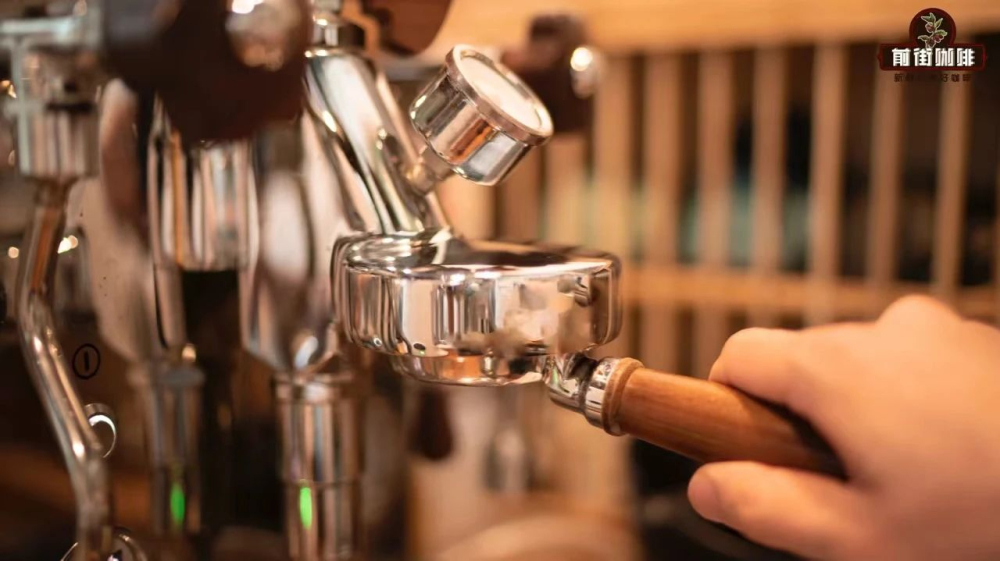
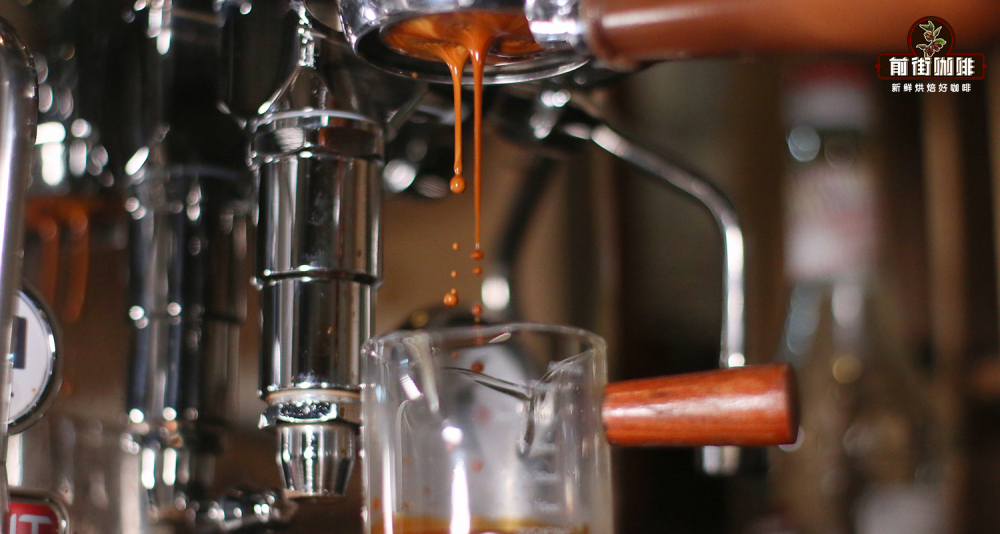
Espresso is the soul base of classic drinks like cappuccino and latte, and its unique high-pressure extraction process creates an intense and rich flavor. By passing water at around 92°C through a finely ground and tightly tamped coffee puck under 9–10 atmospheres of pressure, the essence is extracted within 25–35 seconds—this liquid, rich in suspended oils (crema), is not only one of the most caffeine-concentrated common beverages, but also an important indicator for evaluating coffee bean quality.
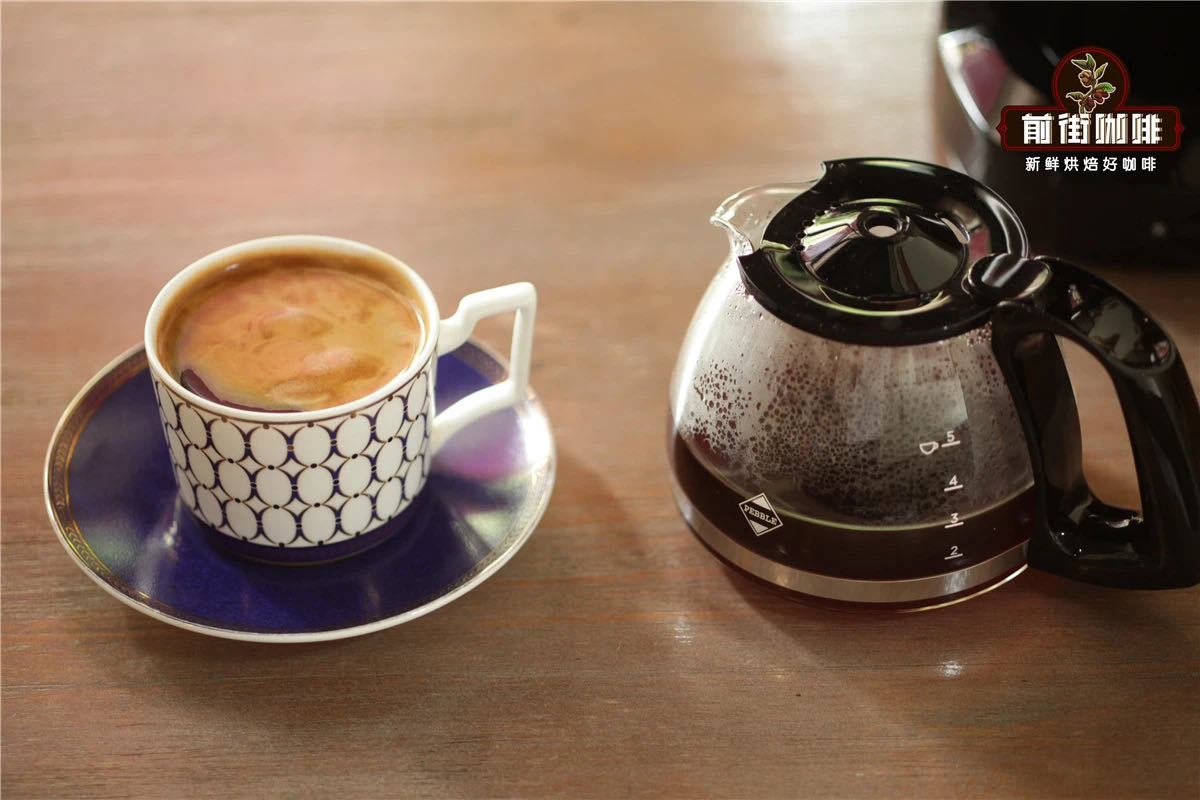
Many people new to espresso often confuse the fundamental differences between Americano and espresso. Traditional American coffee actually originated from a "modified" version by the U.S. military during WWII: diluting the espresso shot with water in a ratio of 1:4 to 1:9 to soften the strong intensity of the original European-style espresso. Interestingly, France once mockingly called this practice "sock coffee," alluding to its thin flavor as if it were fabric soaked in liquid. Today’s commonly seen 1:4.5 hot Americanos or 1:9 iced Americanos achieve distinctly different flavors by adjusting the brew ratio—the former is rich, like cream and chocolate, while the latter is refreshing and highlights fruity acidity.
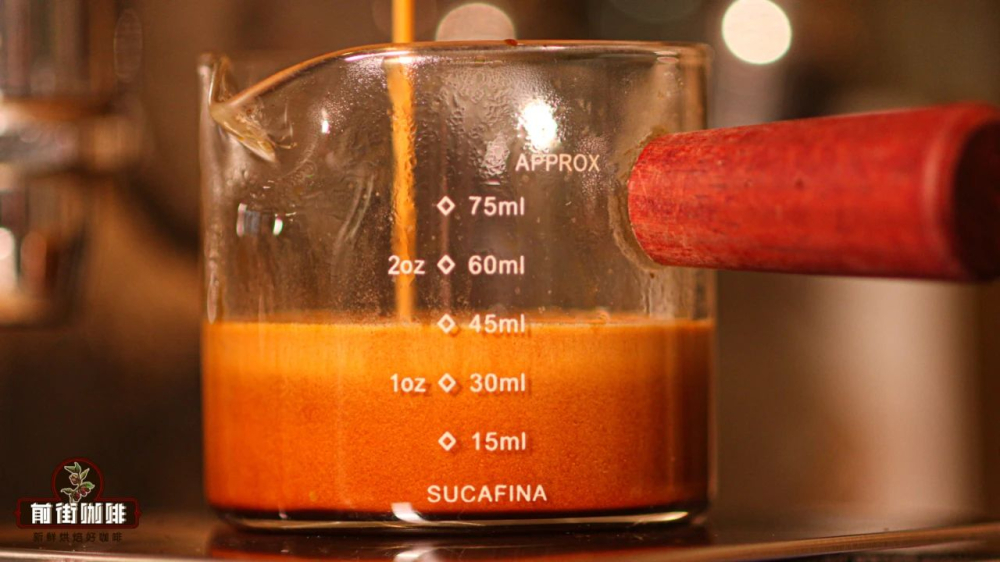
The key to making espresso at home lies in precisely controlling three core parameters:Recommended coffee dose: 18–22 grams(adjust according to portafilter basket capacity),Extraction yield: typically 1–3 times the dose(most commonly a double shot yielding about 36–44 grams),Extraction time: strictly controlled between 25–35 seconds. For example, using a 20-gram puck, aiming for a 40-gram yield within 30 seconds can achieve a balanced acid-sweet-bitter profile. Too little yield or too short a time may result in sharp acidity and under-extracted astringency; conversely, over-extraction may bring out woody or stale flavors.
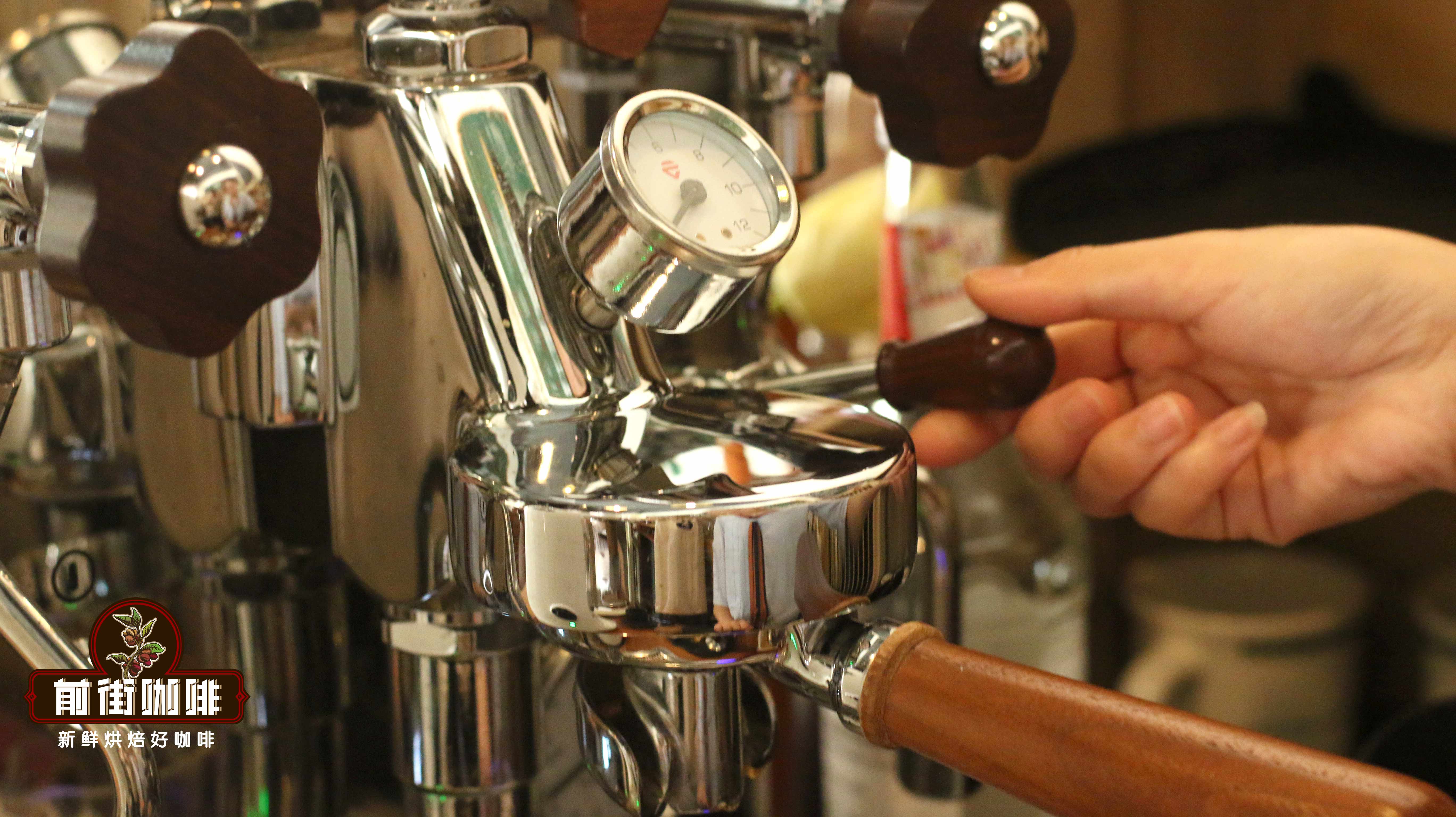
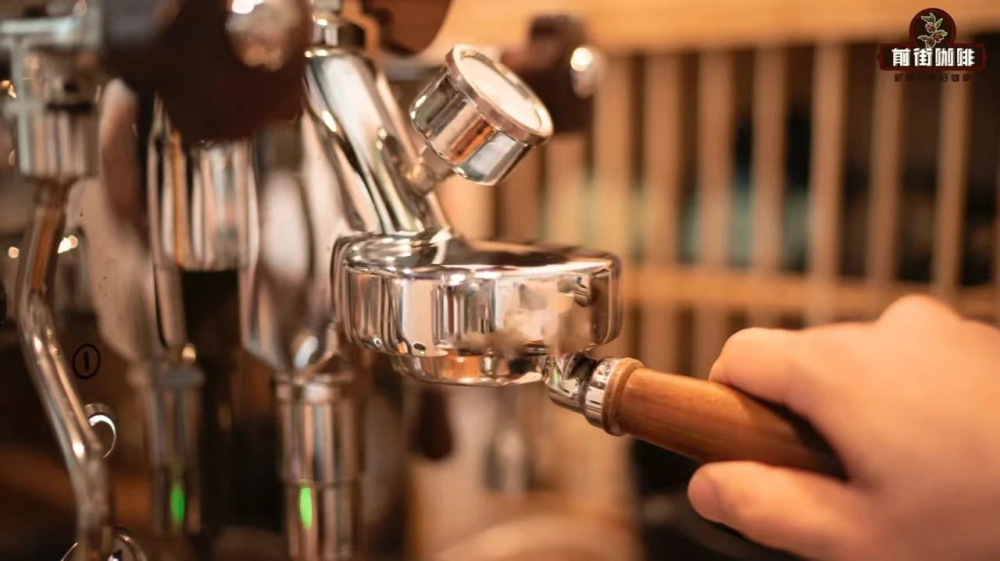
The actual workflow can be broken down into seven precise steps: first, wipe the portafilter with a dry cloth to ensure no residual moisture; then measure the exact amount of coffee with an electronic scale (error should not exceed 0.1 gram); distribute the grounds evenly with a distribution tool, then tamp with 30–40 pounds of pressure to form a flat and compact puck. After gently tapping the portafilter into place, start the machine to extract, and immediately clean the group head after brewing to prevent buildup. Particular attention should be paid to the uniformity of the tamp pressure shown, as this directly affects water flow rate and crema formation.
Advanced users can measure Total Dissolved Solids (TDS) with a refractometer and calculate the extraction percentage to verify parameter rationality. The formula “(%TDS × extraction yield)/coffee dose” objectively reflects extraction efficiency, with the ideal range usually between 18%–22%. For example, if you extract 40 grams of liquid with a TDS reading of 10%, plugging into the formula gives (10×40)/20=20%, indicating a good extraction state.
When choosing a home machine, balance budget and needs: beginners may opt for a semi-automatic machine with stable 9Bar pressure and pre-infusion features, paired with a boiler system that offers precise temperature control of at least 92°C; advanced users are advised to choose professional models equipped with PID temperature control and a rotary tamper. No matter which device you choose, regular descaling and maintenance of the piston gasket are key to maintaining extraction quality.
Common operational misconceptions include: thinking the finer the grind the better (in reality, you need to balance flow rate and pressure), neglecting the uniform density of the coffee puck (unevenness can cause channeling), and overly relying on automatic extraction modes (losing the flexibility of manual fine-tuning). Beginners are advised to start by fixing the dose and yield, then gradually adjust grind size to reach the ideal extraction time window.
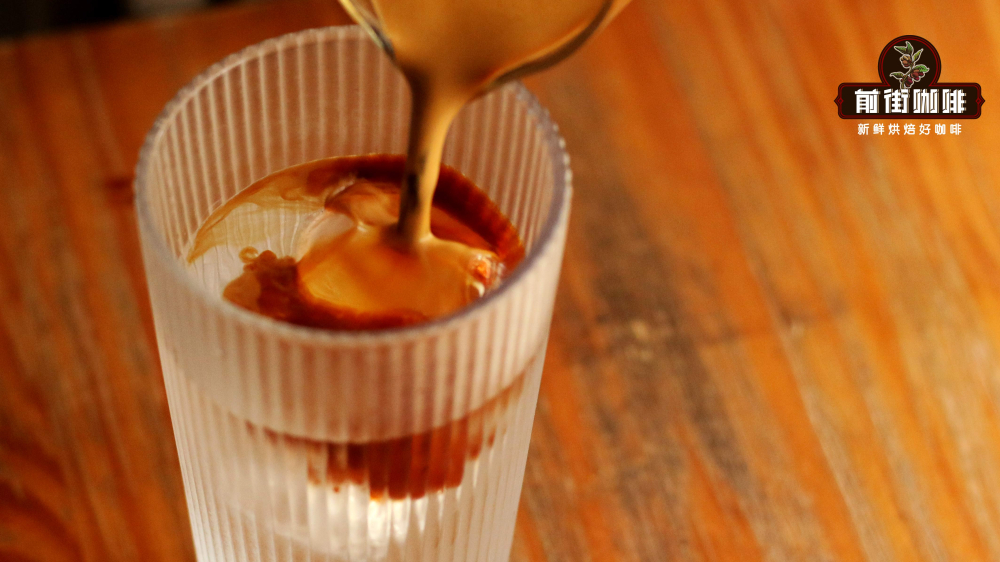
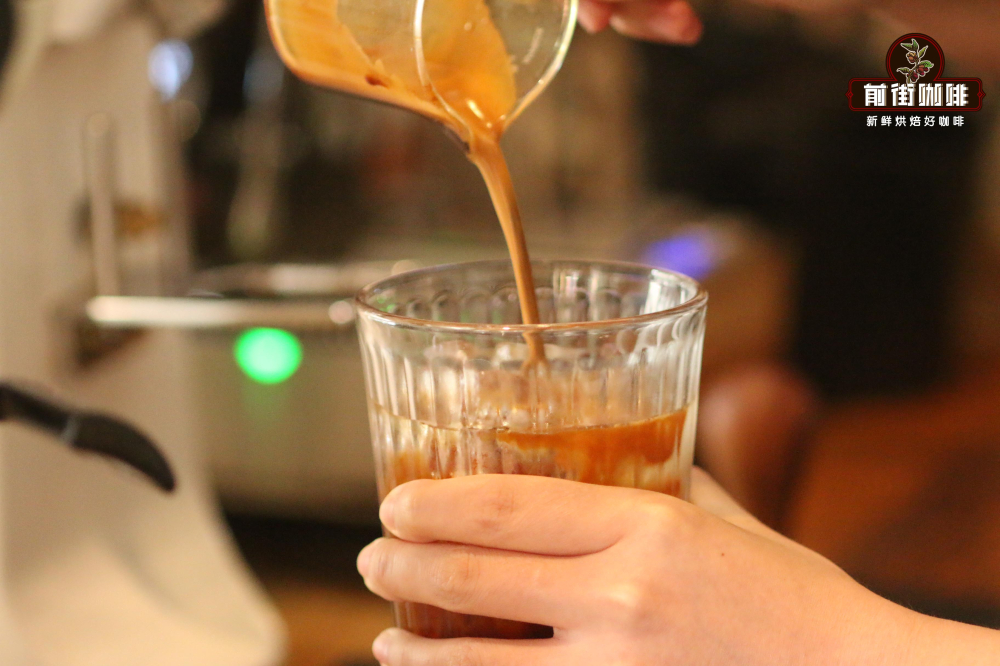
For extended applications, espresso can serve as a base for creating diverse drinks: add 160ml of hot water to make a classic Americano, or mix with steamed milk to create a latte or cappuccino. When using a steam wand, be sure the milk doesn’t exceed 65°C, and use the “stretch–twist–shrink” three-step method to create fine microfoam. As for iced coffee, it’s recommended to pour hot espresso directly over pre-chilled fresh milk—the instantly condensed crema brings a richer texture layer.
The above content is compiled by CoffeeHunters, a coffee news website.


