








Introduction:Want to get started with pour over or espresso but not sure which equipment to buy first? In reality, both coffee beans and tools play key roles, but when your budget is limited, allocating it wisely ensures the best return. This article dives deep into the optimal investment strategy for beginners in both pour over and espresso brewing—from choosing grinders and machines to picking fresh, flavor-profile-matching beans—offering comprehensive advice to help you spend money where it matters most.
The quality of a cup of coffee is inseparably linked to the beans used and the tools employed: the beans set the foundational flavor, while the tools influence how close the final cup comes to its ideal state. For beginners aiming to explore pour over or espresso brewing, the initial dilemma often revolves around budget allocation. This article breaks down the priorities for both major brewing methods—pour over and espresso—including recommendations on grinders, espresso machines, and coffee bean selection. It also clarifies why the priciest beans aren’t always necessary, and how to find fresh, well-suited beans.

In truth, the foundation of coffee flavor lies within the beans themselves, but realizing that potential fully depends just as much on the tools. You could say the beans define the baseline of flavor, while the equipment determines how close the cup gets to perfection. When your budget is tight and you’re unsure where to start, the following suggestions may help clear things up.
If you plan to begin with pour over coffee, it’s strongly recommended to prioritize your budget on the grinder. Many pour over beginners often encounter issues such as overly bitter coffee, poor mouthfeel, or even clogged filters—and these problems often stem not merely from incorrect grind size, but from the grinder’s inability to produce an even particle distribution, resulting in an excessively high ratio of fine particles.
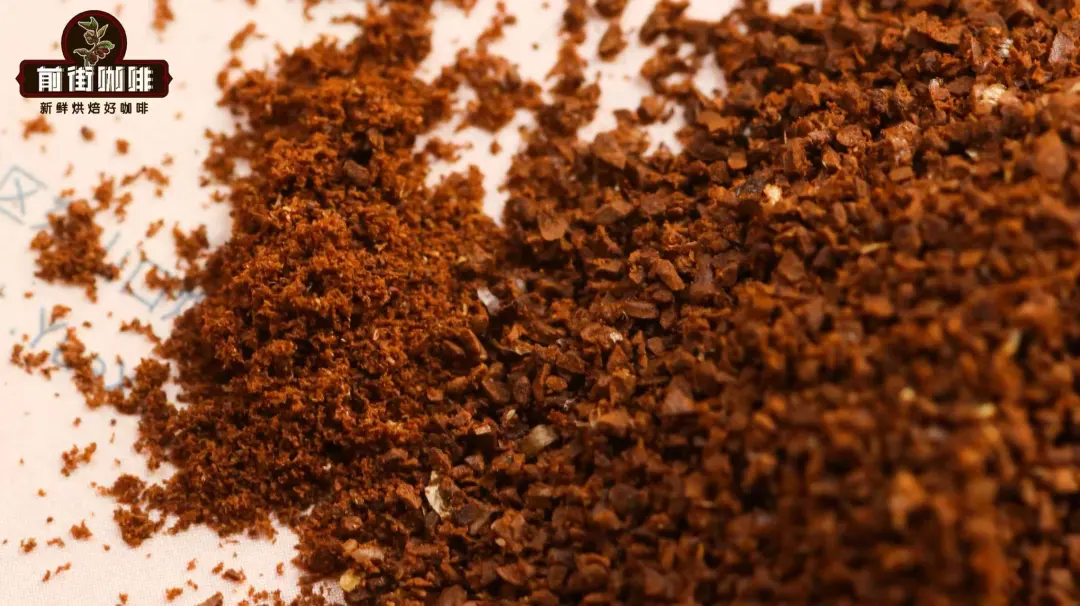
A moderate amount of fine particles can indeed enhance flavor complexity, but once they’re overrepresented, their extremely small size allows them to be extracted too quickly by water, with bitter and astringent compounds being over-extracted first. As a result, the entire cup can easily end up tasting noticeably bitter. Moreover, too many ultra-fine particles can clog the filter paper pores, impeding water flow, prolonging extraction time, and causing normally extracted coffee grounds to also undergo over-extraction.
That’s precisely why pour over brewing relies heavily on the grinder—a grinder capable of producing a uniform grind is key to determining the final flavor. When working with a limited budget, prioritize the grinder, followed by accessories like the pour over kettle and filter cone, while coffee beans can be considered a lower priority for now.
At this point, some might wonder: isn’t it always said that the coffee beans are the most important? So why are they being ranked last?
Don’t worry—we’ll explain further later in the article.
If you choose to start with espresso, the purchasing order is relatively clear: espresso machine, grinder, then coffee beans. However, there are various types of espresso machines—semi-automatic, fully automatic, home-use, and commercial models—so the right choice ultimately depends on your actual needs.
For example, if you enjoy the hands-on process and want more control, a semi-automatic espresso machine would be the better option; but if you prefer a simpler, less labor-intensive workflow, a fully automatic machine is more convenient. That said, generally speaking, under the same budget and quality conditions, semi-automatic machines offer greater potential upside, making them a more worthwhile investment—each option has its pros and cons.
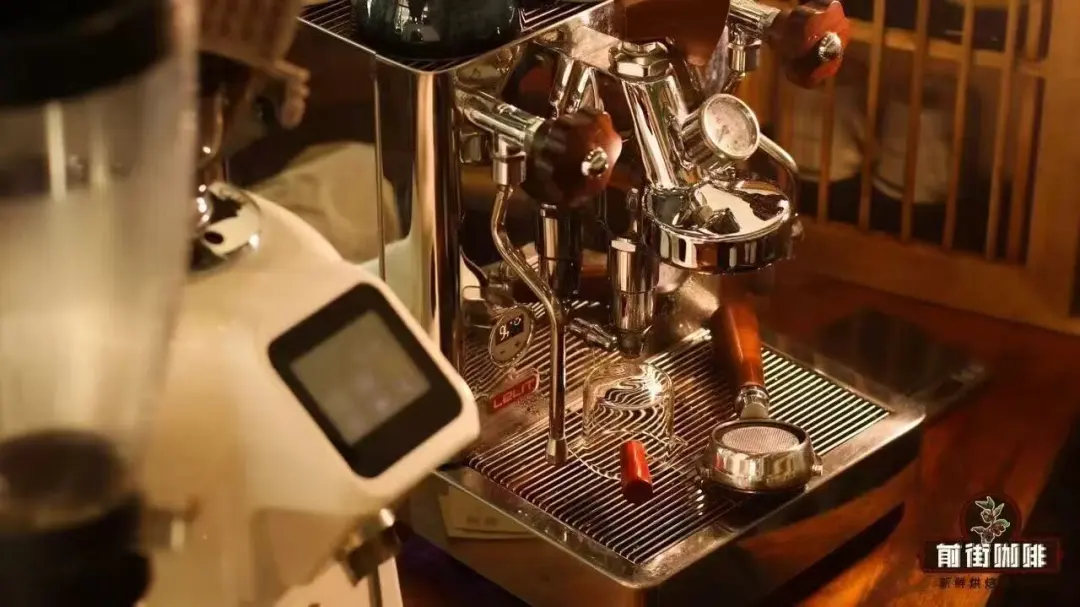
When selecting an espresso machine, price ranges vary enormously, from a few hundred yuan to tens of thousands. Factors influencing price include functionality, stability, and internal components. If you only brew occasionally—say one or two cups per day—a machine in the thousand-yuan range is sufficient to reliably produce a basic shot of espresso. Of course, this refers to the machine budget alone; a grinder must still be purchased separately.
But if you have a larger household, frequent coffee consumption, or hope to achieve continuous brewing, you might consider higher-end models or even commercial-grade machines. These not only offer greater stability but also support advanced features like pressure profiling, helping you explore a wider variety of coffee styles and opening up more possibilities. This is also why we say equipment largely determines the upper limit of coffee performance.
Once you’ve chosen your espresso machine, the next step is the grinder, and finally the coffee beans. The reason coffee beans are listed last is that high-quality beans don’t necessarily come with a high price tag.
First, it’s essential to understand that the price of coffee beans isn’t solely determined by flavor and quality—scarcity plays a significant role as well. Take the famously expensive civet coffee, for instance; its lofty price is mostly due to its scarce production rather than any dramatically superior flavor compared to common varieties like Mandheling. Even if there are flavor differences, they’re far from justifying a tenfold price gap.

Even for premium Geisha coffee, more expensive doesn’t always mean better tasting. Everyone’s taste preferences differ—some love the bright floral and fruity acidity of light roasts, while others prefer the bold, lingering richness of dark roasts. For those who dislike acidity, an expensive auction-grade Geisha might not be their ideal choice. Therefore, good coffee isn’t necessarily expensive; what suits you is the truly good coffee.
So, how do you choose coffee beans that match your taste? First, always go for freshly roasted beans. Freshly roasted coffee beans have richer aroma and produce coffee with more layered flavors. Next, select roast level based on personal preference: if you enjoy bright, fruity notes, opt for light or medium-light roasts; if you prefer bold, sweet aftertastes, consider medium-dark or dark roasts.
Finally, a quick reminder: coffee beans often go on discount, so interested readers might want to take advantage of promotional periods to secure beans at their peak flavor window.
The above content is compiled by CoffeeHunters, a coffee news website.


