







Category: Coffee Knowledge
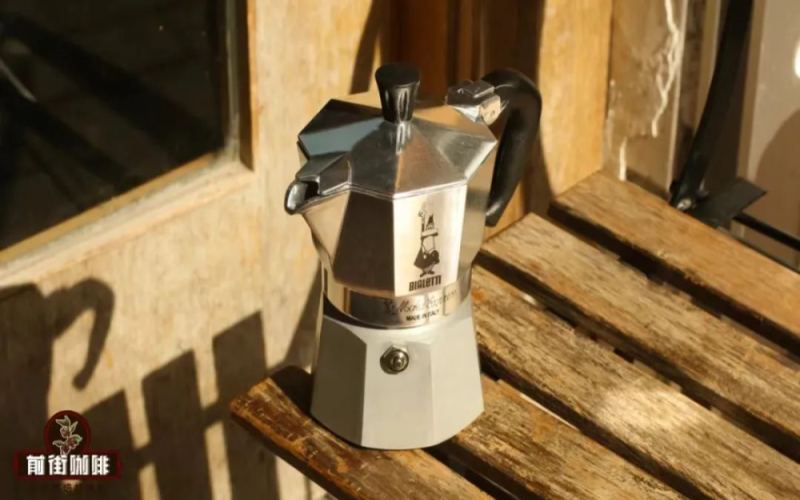
Is your moka pot coffee turning out bitter and burnt? Learn beginner tips for selecting beans and adjusting extraction parameters
Do you often encounter overly bitter or burnt-tasting coffee when using a moka pot? This is usually caused by uneven or over-extraction. This article will thoroughly explain the reasons behind moka pot bitterness, and provide a complete set of optimization solutions—from coffee bean roast level, coffee-to-water ratio, grind size, to heat control—to help you use the right methods and brew coffee with balanced flavor and a rich mouthfeel. [more…]
Is your pour over coffee always bitter and burnt? Identify the root cause by adjusting these four key factors
A bitter and burnt taste in pour over coffee often frustrates beginners. In fact, by following the correct troubleshooting steps, you can effectively improve the flavor. This article breaks down common causes of bitterness—from bean roast level, shelf life, grind size and fines control, to water temperature—and offers practical adjustment tips to help you master extraction essentials and avoid mistakes. [more…]

Iced Americano vs Cold Brew vs Pour Over vs Ice Drip: Extraction Methods, Flavor Profiles & Refreshing Coffee Guide
On hot summer days, iced coffee becomes the go-to choice for many to stay alert and refreshed. But did you know that these four common types of iced coffee—Iced Americano, Iced Pour Over, Cold Brew, and Ice Drip—differ greatly in their brewing principles, flavor profiles, and ideal usage scenarios? This article will take an in-depth look at their extraction methods, required time, difficulty level, and compare their unique flavor characteristics to help you find the most suitable iced coffee based on your taste preferences and lifestyle. [more…]

The Ultimate Guide to Cold Brew Coffee at Home: Comparing Three Methods, Parameter Settings, and Reasons for Subpar Flavor
On hot summer days, refreshing cold brew coffee becomes the top choice for many. This article delves into the differences between cold brew and hot brew, breaking them down in terms of temperature, time, and flavor. It also lists key parameters such as coffee-to-water ratio, grind size, and steeping time. Additionally, it compares three common home brewing methods—direct immersion, filter bag use, and cold brew makers—analyzing their pros and cons, with a special focus on why certain equipment can affect body and flavor complexity, helping you brew more satisfying iced coffee for the summer. [more…]
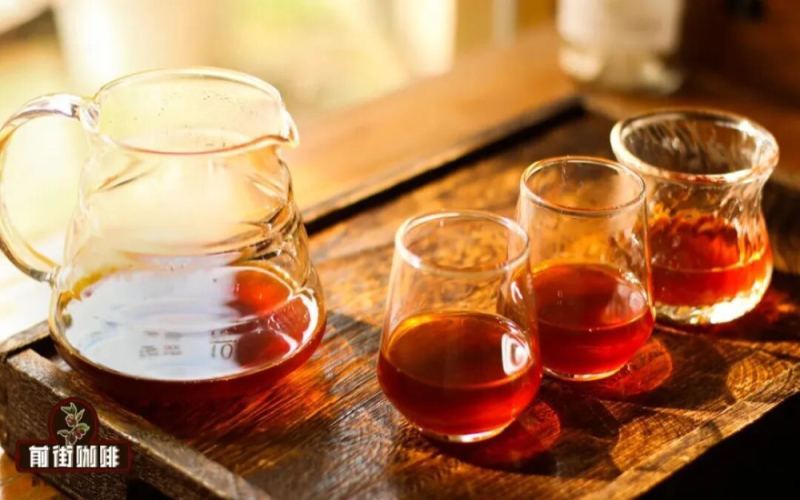
Analysis of the Optimal Drinking Temperature for Pour Over Coffee: How High, Medium, and Low Temperatures Affect Flavor Expression
When tasting pour over coffee, temperature is not just about comfort—it’s a key factor that influences how flavors are perceived. The levels of acidity, sweetness, and bitterness vary greatly at different temperatures. Understanding these changes allows you to more accurately appreciate the potential of a coffee bean. This article delves into how three temperature ranges—high (50–75°C), medium (35–50°C), and low (below 35°C)—impact the overall performance of coffee, supported by real tasting examples to help you capture the full experience from hot to cool. [more…]
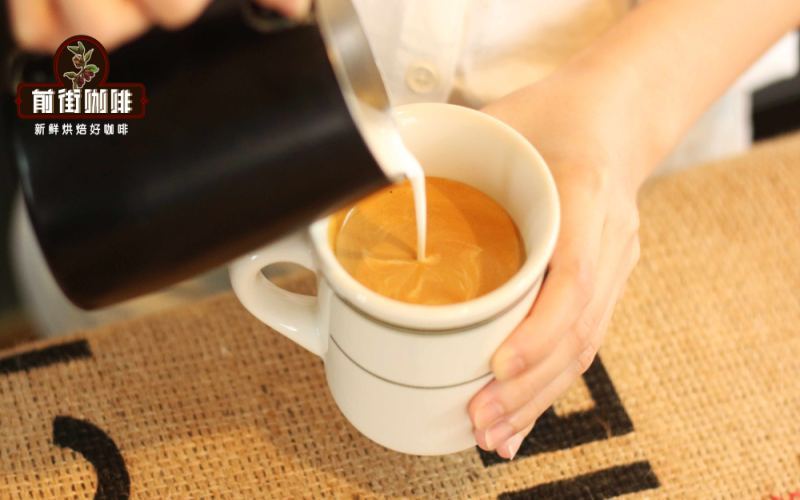
Beginner's Guide to Latte Art: Mastering Steam Frothing and Pouring Techniques
When learning latte art, many people often struggle with uneven milk foam or failed patterns at first. In fact, by mastering the correct steam frothing technique, choosing the right coffee beans, and understanding the key points of pouring and latte art posture, you can steadily improve your skills. This guide details how to use a coffee machine’s steam wand to produce ideal milk foam, introduces the characteristics of espresso beans suitable for latte art and brewing recommendations, and takes you step-by-step through the techniques of pouring and jug handling—helping you achieve better results with less effort in your latte art practice. [more…]
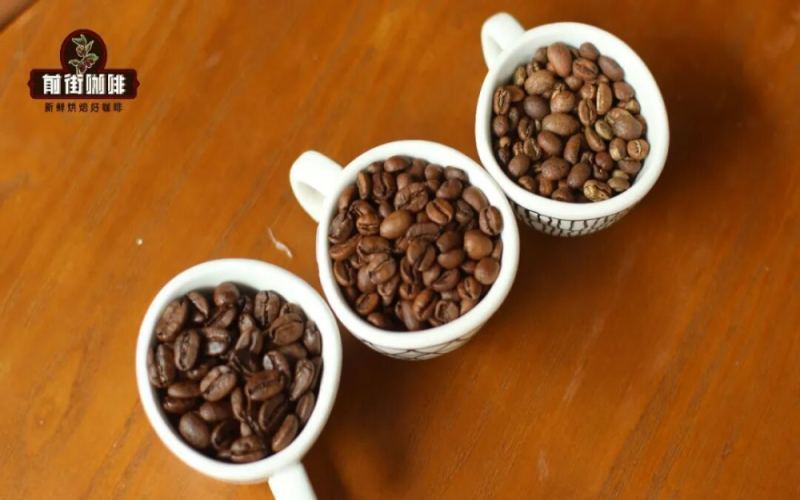
How to Choose the Roast Level for SOE Coffee? Analysis of Light, Medium, and Dark Roasts & Espresso Extraction Tips
Choosing the right roast level is key to making an outstanding SOE espresso. This article provides an in-depth analysis of the flavor characteristics of light, medium, and dark roasts, explains why extreme roasts are often unsuitable for single-origin espressos, and introduces three practical types of SOE beans with extraction tips and precautions to help you understand the perfect pairing of roast and extraction. [more…]

Home Drip Coffee Maker Review: A Comprehensive Analysis of Bean Selection Tips and Practical Pros and Cons
Many coffee enthusiasts have mixed opinions about American-style drip coffee makers. Some find them simple to use and cost-effective, while others feel the flavor is too bland to justify the investment. This article will delve into the historical background, working principles, and actual performance of drip coffee makers. It also provides recommended coffee beans tailored to different taste preferences and compares the differences with pour-over brewing methods, helping you make a more informed choice. [more…]

Why Are Low-Caffeine and Skim Milk Rare in Cafés? Analyzing Supply, Cost, and Flavor Realities
Ever walked into a café wanting to order a decaf or use skim milk, only to be told they don’t have it? In truth, this often boils down to a mix of consumer demand, operational costs, and product consistency. This article delves into the definitions, production processes, and flavor profiles of low-caffeine coffee and skim milk, examines why they’re so scarce in the local market, and offers recommended espresso beans that pair well with skim milk, along with practical insights on low-caffeine beans—so you can brew healthy and delicious coffee at home too. [more…]
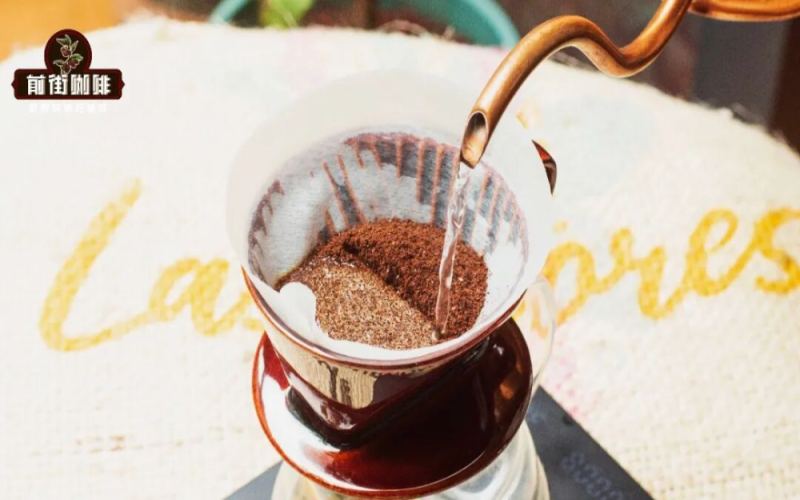
Z-Style One-Cut Pour Over Beginner's Guide | Step-by-Step Extraction Techniques and Flavor Analysis
Beginner pour over coffee enthusiasts often struggle with unstable pouring and subpar flavor. The "Z-Style One-Cut" method stands out in recent years as an accessible technique due to its straight-line water flow and simplified process. This article provides a hands-on walkthrough using a well-known brand’s Yirgacheffe · Worka lot, explaining the complete Z-Style One-Cut operation, key parameter settings, common mistakes, and comparing the flavor differences with the three-stage extraction method — helping readers understand the advantages and ideal scenarios of this brewing style. [more…]

Analysis of Why Washed Coffee Tends to Be Acidic | Four-Step Pour Over Technique to Enhance Sweetness and Floral-Fruity Aromas
Washed coffee is often perceived as having pronounced acidity, but this is actually closely related to its processing method. This article delves into the historical background, step-by-step differences, and flavor characteristics of washed and natural (sun-dried) processing methods, helping you understand why washed beans tend to be cleaner and brighter, while natural beans are richer and more intense. It also provides practical four-step pour over parameters, teaching you how to extract the delicate floral notes and balanced sweetness from washed coffee — ideal for enthusiasts who want to deepen their understanding of coffee processing and brewing techniques. [more…]
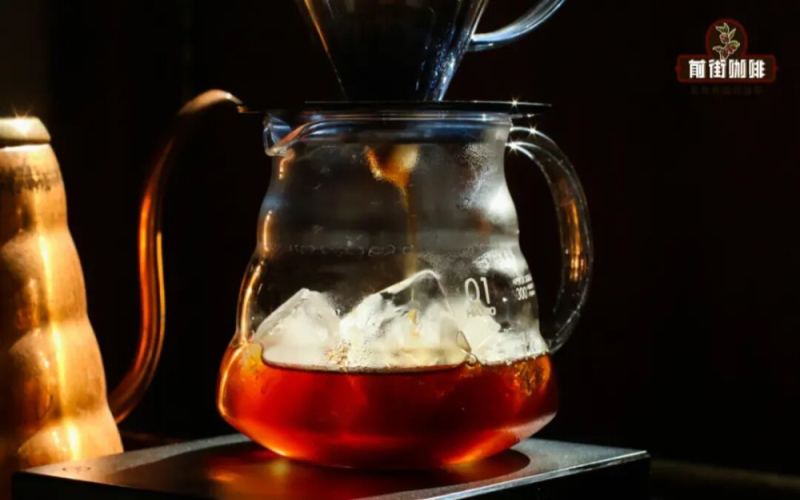
Beginner's Guide to Iced Pour Over Coffee: Master Water Temperature, Coffee-to-Water Ratio & Grind Size to Enhance Flavor
Want to brew a rich, complex cup of iced pour over coffee at home? Many people complain that their homemade iced pour overs lack aroma or taste too weak — the key lies in subtle adjustments to the coffee-to-water ratio, ice selection, grind fineness, and pouring technique. This guide dives deep into four core techniques: the science behind ice-to-water ratios, the ideal grind size for iced pour over, step-by-step pouring methods, and how to choose ice that won't dilute flavor easily — helping you avoid common mistakes with ease. [more…]

A Guide to Specialty Coffee Beans: Roast Levels and Processing Methods for Crafting Coffee Combos
A coffee combo is an innovative way to split a single shot of espresso and craft it into different flavored coffees that are then combined into one final presentation. It has gained widespread popularity. However, making every cup shine with distinct flavors is no easy feat. This article delves into how to select the most suitable coffee beans for making combos based on roast levels, fermentation processing methods, and ratio adjustments. It also offers practical extraction and combination suggestions to help you elevate every coffee experience. [more…]

Analysis of Specialty Coffee Specialties: WBC Creative Drink Inspiration, Pricing Logic, and Home Replication Guide
In recent years, specialty coffee shops have popularized customized coffee drinks that often spark discussion due to their high prices and unique flavors. These beverages mostly draw inspiration from the creative drinks in the World Barista Championship (WBC), blending diverse ingredients and brewing techniques to create distinctive taste profiles. This article analyzes their classification logic, the reasons behind their pricing, and offers home preparation suggestions to help readers understand whether they’re worth trying and how to select the right coffee beans and extraction methods. [more…]
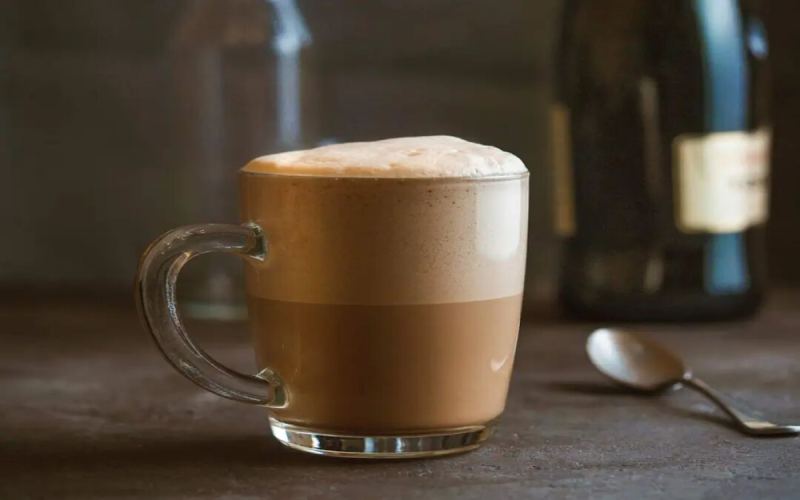
How to Make Russian Raf Coffee? A Complete Guide from History to DIY Vanilla Cream Latte
Have you heard of Raf coffee (Raf coffee), the favorite of Russians? This creative coffee, combining espresso, fresh cream, and vanilla syrup, not only has a unique flavor but also boasts a fun origin story from a Moscow café. This article will take you through the background of how Raf coffee came to be, analyze the differences between its traditional and modern preparation methods, and guide you step-by-step on how to make this classic Russian drink—rich, sweet, with both coffee aroma and creamy texture—either at home or in a café. [more…]

A Comprehensive Guide to the Five Major Types of Coffee: From Freshly Ground to Instant—How to Choose Based on Craft and Flavor?
The world of coffee is incredibly diverse, ranging from pour over to instant, with various forms differing greatly in flavor and health impact. This article delves into six common coffee formats—freshly ground, drip bags, capsule, cold brew liquid, freeze-dried powder, and instant coffee—explaining their production principles, flavor profiles, and health implications one by one, along with practical tips on selection and brewing to help readers make the most suitable choice based on their needs. [more…]
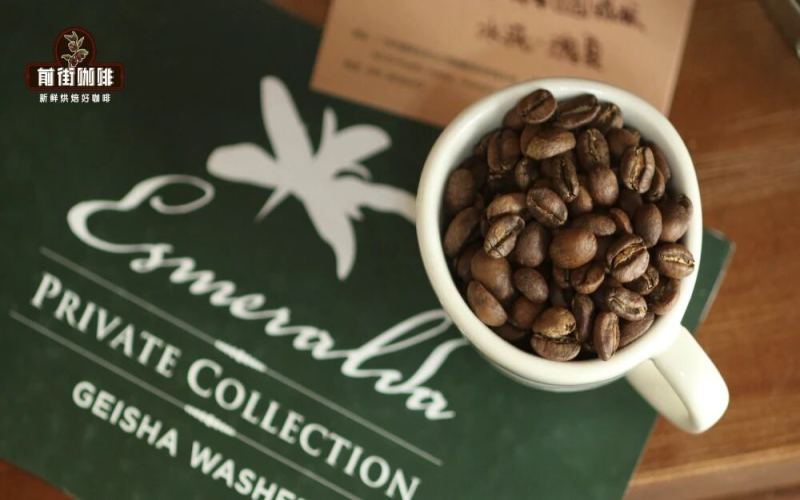
The Ultimate Pour Over Guide for High-End Geisha & Blue Mountain Coffee: Parameters, Resting Period, and Flavor Peak Timing
Worried about messing up when brewing high-end coffee beans via pour over? This article delves deep into the pour over parameters for premium beans such as Geisha and Blue Mountain, guiding you step-by-step through grind size, water temperature, coffee-to-water ratio, and pouring techniques to help you master professional skills. It also provides resting recommendations and optimal tasting windows for both medium-dark and medium-light roasted beans, helping you avoid common mistakes and fully unlock each coffee’s unique flavor potential. [more…]

Common Issues with Espresso Puck: From Causes of Channeling and Water Pooling to Adjustment Techniques
Brewing an ideal shot of espresso relies not only on stable extraction parameters, but also on the condition of the coffee puck as a key indicator. A high-quality puck should be dry and even, with a compact structure. However, in practice, issues such as uneven surfaces, pitting, channeling, water pooling, or a soft and mushy texture often occur, negatively affecting flavor. This article delves into the causes of six common puck abnormalities—including factors like dose, grind size, distribution, and machine pressure—and provides practical adjustment tips to help you precisely optimize extraction and achieve stability. [more…]
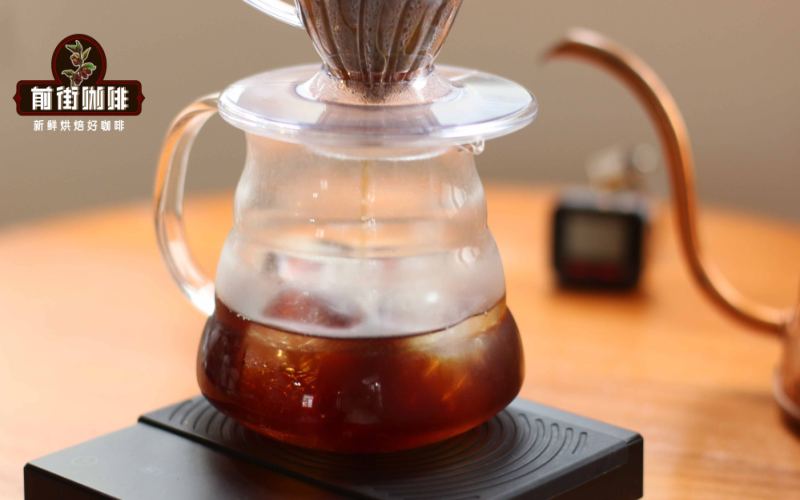
Ice Drip & Cold Brew Brewing Guide | Coffee Bean Selection & Extraction Parameter Handbook
On hot summer days, ice drip and cold brew coffee are the most popular choices for cooling down. But do you know the differences in their extraction principles? From equipment usage, parameter settings to bean pairings, this article provides a detailed breakdown of the brewing processes and key techniques for both types of iced coffee, along with recommended coffee bean flavor combinations. Whether you want to try it at home or order it at a café, you’ll find the perfect option. [more…]

Complete Guide to Making Preserved Plum Latte: Syrup Preparation & Dual Versions (Hot & Iced)
This tutorial is designed specifically for readers who love creative coffee drinks. It teaches you how to use preserved plum syrup, fresh cream, and espresso to create a preserved plum latte with a balanced sweet, sour, and salty flavor. From syrup preparation, coffee bean selection, to assembly and shaken iced methods, it provides precise ratios and practical tips to help you easily master this uniquely flavored milk coffee. [more…]