







Category: Coffee Knowledge
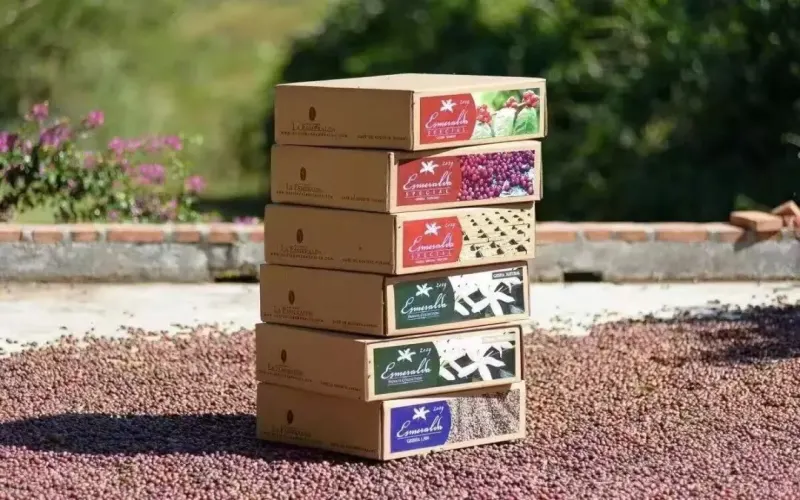
Jade Mountain vs Geisha: Variety Differences, Flavor Profiles, and Brewing Recommendations
Jade Mountain is not only renowned for its Red Label and Green Label Geisha, but its Jade Mountain product line is also highly favored by many coffee enthusiasts. However, both originating from the same estate, what exactly sets the two apart? This article delves into the differences between Jade Mountain and Geisha in terms of variety, growing altitude, flavor profile, and price range, and provides practical tasting insights under the same pour over parameters to help you more accurately choose your ideal coffee experience. [more…]
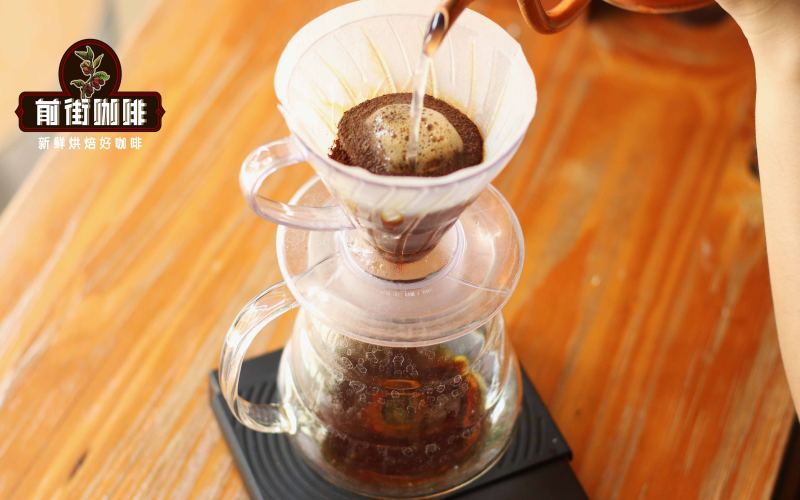
Analysis of Coffee Fermentation: What’s the Difference Between Aerobic, Anaerobic, and Double Anaerobic Processing?
The “fermented” note in coffee is often mistakenly thought to taste like alcohol, but it actually refers to aromas and layers reminiscent of ripe fruit. This article delves into the source of fermented notes, compares the differences between aerobic, anaerobic, and double anaerobic fermentation, and explains how these processing methods influence the flavor profile of coffee—helping you choose beans that suit your taste preferences. [more…]
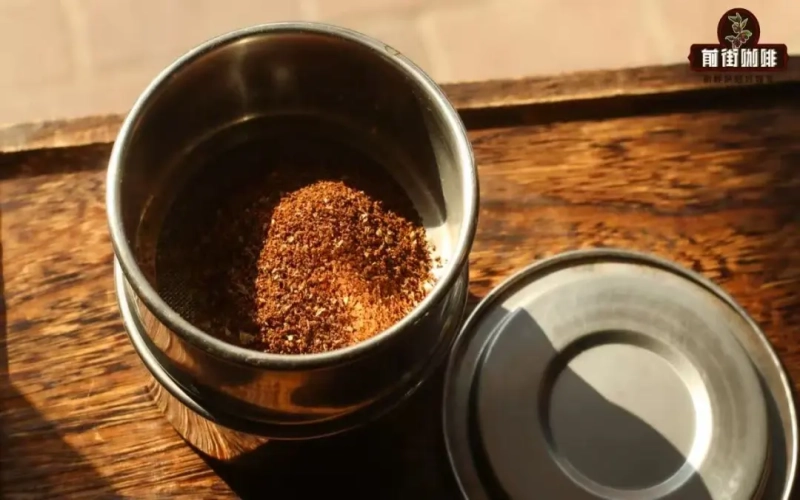
Pour Over Coffee Grinding Guide: Mastering the Optimal Grind Size Based on Bean Density and Brittleness
Many pour over enthusiasts have noticed that even when using the same grind setting, the ratio of fine particles can vary greatly among different coffee beans. In fact, the key lies in the differences in bean density and brittleness. This article delves into these two core factors affecting grind quality, and combines practical examples of both light-to-medium and medium-to-dark roasted beans to offer useful sieve retention rate recommendations when using the EK43 grinder with a #20 sieve—helping you precisely adjust your grind size and stabilize your brewing performance. [more…]

The Truth About Espresso Crema: Debunking Foam Myths and the Key to Latte Art
The golden foam on the surface of espresso is often mistaken for coffee oil, and is even directly linked to coffee quality and latte art performance. This article delves into the science behind Crema, debunking common misconceptions such as "the thicker the foam, the better the quality" or "the thicker it is, the better for latte art." It also explains the relationship between bubble structure and extraction parameters, helping readers correctly identify the key layers of espresso. [more…]

The Ultimate Guide to Coffee Bean Classifications: Flat Beans, Peaberry, Hard Beans, Soft Beans & Brewing Parameters
Did you know that in addition to variety, coffee beans are also categorized into flat beans, peaberry, hard beans, and soft beans? These classifications aren't just about appearance — they are closely related to factors such as growing altitude, bean density, and flavor profile. This article will take an in-depth look at the hardness grading system commonly used in Central America, teach you how to assess bean hardness by touch, and provide practical advice on extraction and roasting, along with specific pour over parameters. This will help you adjust your brewing strategy based on the characteristics of the beans, ultimately enhancing the flavor expression of your coffee. [more…]

Flat White vs Latte: Key Differences in Milk Foam Thickness, Cup Volume, and Espresso Selection
Although both the flat white and the latte are based on espresso and milk, they differ significantly in terms of milk foam thickness, cup volume design, and espresso selection, resulting in distinctly different taste and flavor profiles. This article delves into the preparation parameters, ratio configurations, and actual tasting experiences of these two classic coffee beverages to help you understand their differences from a professional perspective and master the key points in selection and appreciation. [more…]

Pour Over Coffee Flow Rate Control Techniques: Four Practical Methods and Extraction Parameters
To precisely control the flow rate of your pour over coffee, grind size isn’t the only factor to consider. This article provides an in-depth analysis of four practical adjustment methods, including pulse pouring, water flow control, filter paper and dripper selection, and illustrates their effects on flow rate with real-world examples using V60 and Kono drippers. Readers can adjust parameters based on bean characteristics to optimize extraction time and flavor performance. [more…]
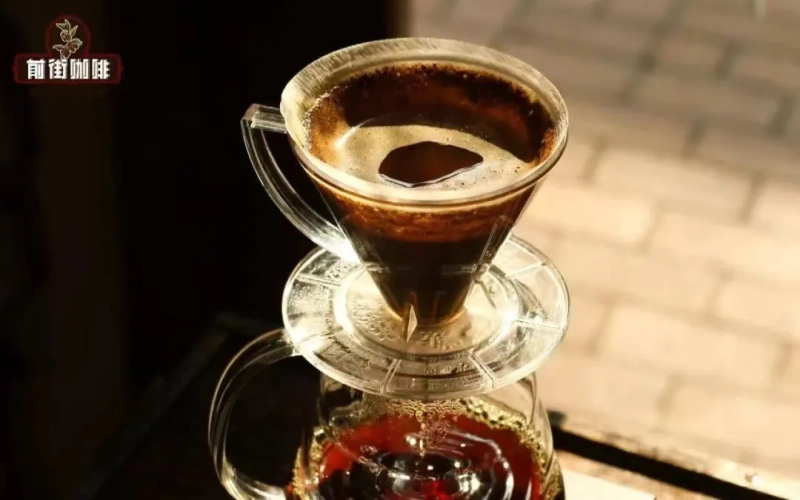
Pour over coffee draining slowly? Tackle the three major hurdles of fine particles, agitation, and high-density beans
Slow drainage in pour over coffee often leaves both beginners and experienced brewers at a loss. This issue is actually rooted in key factors such as excessive fine particles, improper pouring and agitation, and high coffee bean density. This article delves into these causes, offering practical solutions like using a coarser grind for slower extraction, employing particle sieving tools, and adjusting pouring techniques. It also emphasizes judging whether adjustments are needed based on actual flavor, helping you precisely master your brewing rhythm. [more…]

Latte Coffee Bean & Milk Pairing Guide: Golden Ratio & Flavor Analysis
Crafting the perfect latte hinges on the precise pairing of coffee beans and milk. This article delves into how different types of milk—skim, shelf-stable, and fresh—affect the flavor of a latte, examining their performance when paired with espresso. Additionally, based on the roast level and flavor profile of the coffee beans, we offer practical milk selection tips to help you find the best match for your beans, elevating the overall taste complexity. [more…]

A Complete Guide to the Five Product Lines of Ethiopia's Gesha Village: How to Choose Between Auction, Gold, Red, Green, and Chaka?
Ethiopia’s Gesha Village Estate is renowned for producing some of the world’s finest Gesha coffees. Its five distinct product lines—Auction, Gold, Red, Green, and Chaka—each offer unique characteristics. This article provides an in-depth analysis of the varieties planted, selection criteria, and flavor profiles of each line, ranging from the top-tier Auction lots that make up just 5% of annual production, to the highly cost-effective Chaka blend. Discover which Gesha experience best suits your brewing preferences and budget. [more…]

Americano Ratio Tuning Guide: A Comprehensive Manual on Espresso Extraction & Flavor Bean Selection
To brew a well-balanced Americano, the key lies in mastering the golden ratio of espresso to water, and selecting the right coffee beans and extraction parameters. This article delves into the characteristics of beans at different roast levels, practical extraction methods, and how to adjust the espresso-to-water ratio — allowing you to easily achieve your ideal strength and mouthfeel. Whether it's hot or iced Americano, you’ll get the hang of it in no time. [more…]

Analysis of Wet vs. Dry Cappuccino Ratios and Golden Ring Latte Art for Beginners: A Complete Guide to Coffee Taste Differences
Have you ever wondered what exactly makes a cappuccino “dry” or “wet”? It’s not just a matter of taste preference—it involves the precise ratio of milk to foam, as well as the evolution of coffee history and the rise of latte art. This article delves into the key differences between dry and wet cappuccinos in terms of ratio, taste, and preparation, and introduces you to the science behind the golden ring and the flavors of traditional coffee. Whether you’re brewing at home or ordering at a café, this guide will help you make choices that suit your taste perfectly. [more…]
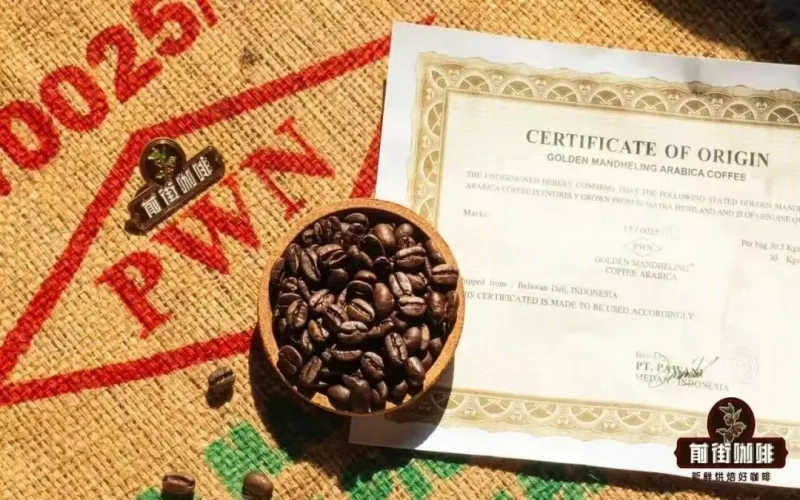
How to Choose Indonesian Mandheling Coffee? PWN Golden Mandheling Authenticity Check & Flavor Analysis
Indonesian Sumatran Mandheling coffee is renowned for its unique woody and spicy flavor profile, yet the market is flooded with varying qualities of so-called "Golden Mandheling." This article delves into the standards set by PWN (Pwani), examining the green bean selection process, screen size requirements, and anti-counterfeiting certification mechanisms to help you identify truly high-quality Golden Mandheling. It also explores the chocolate, caramel, and nutty flavor notes of this classic bean when medium-to-dark roasted, assisting you in making a trustworthy choice. [more…]

A Comprehensive Guide to Natural, Honey, and Pulped Natural Processing | Unveiling Coffee Flavors and Processing Steps
Did you know? Natural, pulped natural, and honey processing are not just post-harvest methods for coffee beans — they are key to shaping unique flavors. These three common processing methods may seem similar, but they differ significantly in steps, time, drying conditions, and final flavor profiles. This article takes an in-depth look at their processing procedures, required environments, drying times, and reasons behind their flavor characteristics. It also provides real examples to illustrate the flavor traits brought by each method, helping you choose your ideal coffee beans more precisely. [more…]
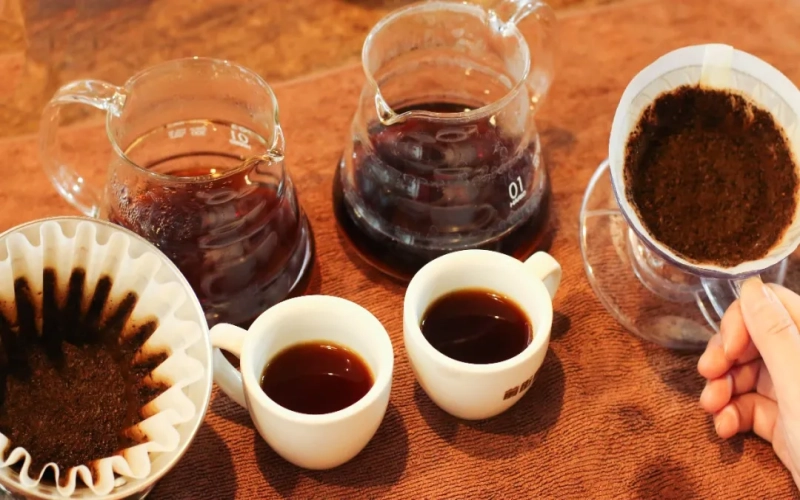
How to choose the grind size for pour over coffee? A breakdown of flavor differences between fine grind quick brews and coarse grind slow brews
When adjusting pour over coffee extraction parameters, the combination of grind size and brewing time is key to influencing flavor and mouthfeel. This article provides an in-depth analysis of two extraction strategies — "fine grind with short brewing time" and "coarse grind with long brewing time" — covering aspects from flavor profile and body thickness to practical brewing steps. It helps you understand the characteristics of different parameter combinations and includes real-world testing data using Ethiopian Hua Kui beans to help you find the brewing method that best suits your taste. [more…]
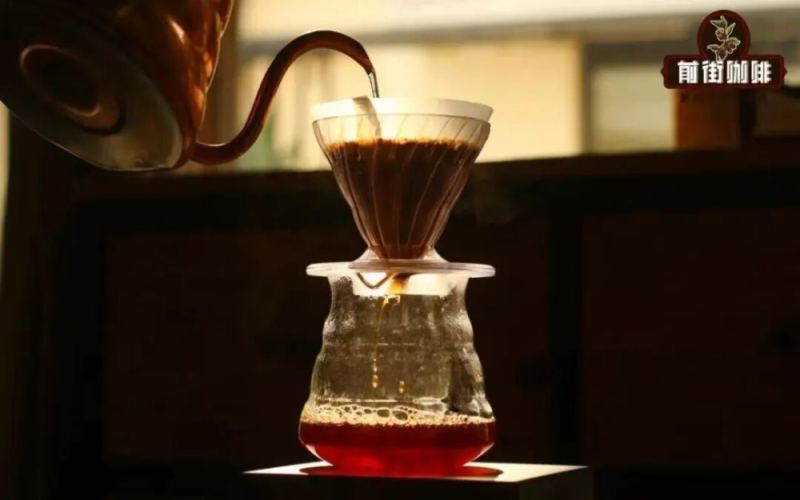
Is your pour over coffee's flavor inconsistent? Master these three key techniques: water temperature, grind size, and pouring method
Have you ever experienced this: using the same coffee beans and equipment, sometimes you brew a cup that’s rich and smooth, other times it turns out bitter and hard to drink? In fact, inconsistent pour over coffee flavor often isn’t due to the beans themselves, but rather because the three critical variables—water temperature, grind size, and pouring technique—are not precisely controlled. This article will take an in-depth look at these core parameters, offering practical adjustment suggestions and specific numerical references to help you stabilize your brewing performance. Whether it’s a light roast or dark roast bean, you’ll be able to achieve the ideal flavor. [more…]
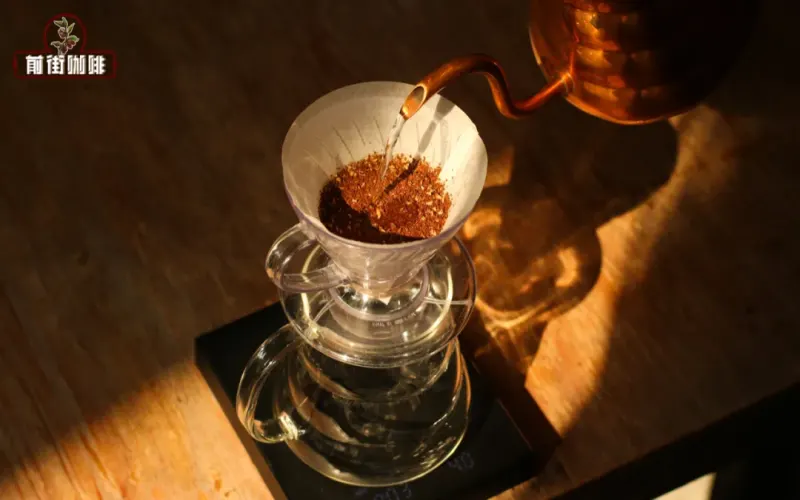
Smart Cup Valve Control Tutorial: Three-Stage Pour Over & 30-Second Bloom to Avoid Over-Extraction
The valve on the Smart Cup isn’t just a small accessory to prevent dripping—it actually allows precise control of water flow, helping beginners achieve even blooming. This article explains how to use the valve to hold back hot water, improving uneven wetting, and shares specific parameters for a practical three-stage extraction process with 15g of coffee grounds and 92°C water temperature. We’ll also test whether a 30-second bloom leads to over-extraction, helping you master more stable pour-over techniques. [more…]
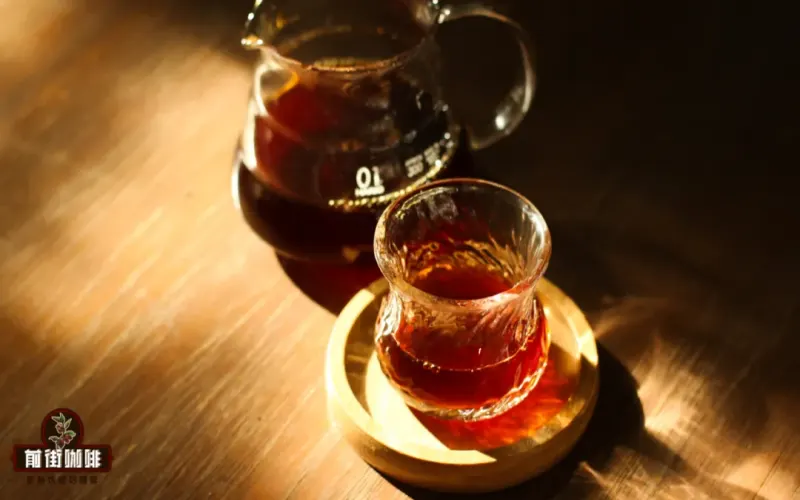
A Comprehensive Guide to Three Washed Coffee Processing Methods: From Kenya K72 to Dry Fermentation in Flavor Identification
Want to dive deep into the various variations of washed processing? This article takes you through an analysis of the origins, processing steps, and flavor characteristics of three mainstream methods—traditional washed, double washed, and dry washed—exploring how they influence a coffee’s cleanliness, acidity, and complexity. It also includes practical examples such as Kenyan flavor profiles to help you choose the right coffee beans based on your taste preferences. [more…]
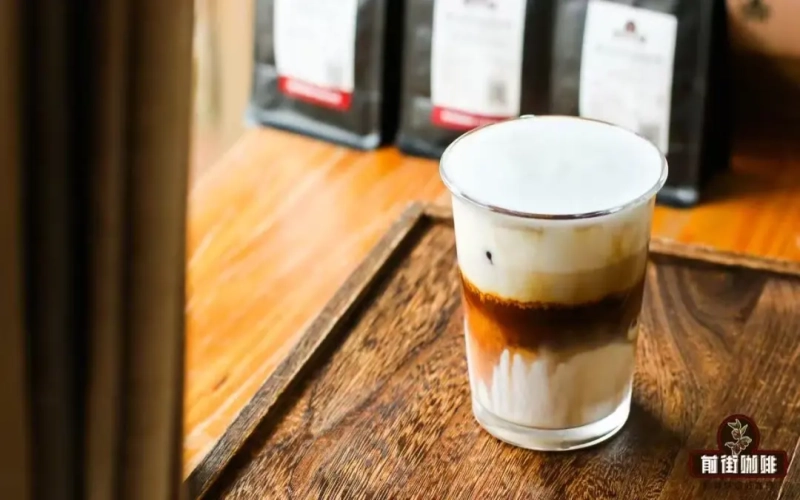
Creative Method for Iced Cappuccino | Mixed Whipping + Covered Bowl Styling – Easily Make It at Home
Want to make an Instagram-worthy iced cappuccino at home? Traditional methods often result in flavorless milk foam, but a new technique that mixes and whips all the ingredients together not only infuses the foam with rich coffee aroma but also creates a layered, complex texture. This article details the creative iced cappuccino preparation process, including extraction parameters, ingredient combinations, and French press whipping techniques, along with inspiration for the covered bowl styling to help you easily recreate this uniquely flavorful iced coffee. [more…]
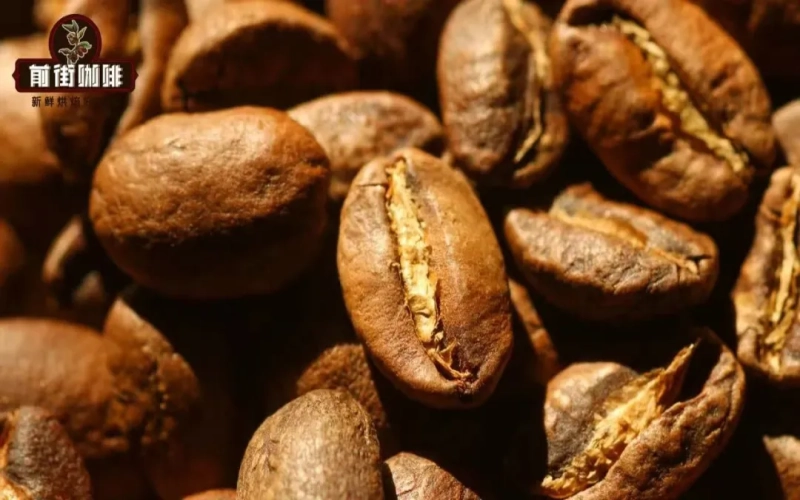
Ethiopia vs Panama Geisha: A Deep Dive into the Vastly Different Flavors and Prices of Coffees with the Same Name
Have you ever wondered why coffee labeled as 'Geisha' from Panama and Ethiopia can differ so dramatically in both price and flavor? This article takes an in-depth look at the origins and varietal differences of these two renowned coffees, as well as the key distinctions in their flavor profiles and processing methods. Whether you're a pour over beginner or a seasoned coffee enthusiast, you'll learn how to choose the Geisha that suits you best and uncover the unique charm each one offers. [more…]