







Category: Coffee Knowledge
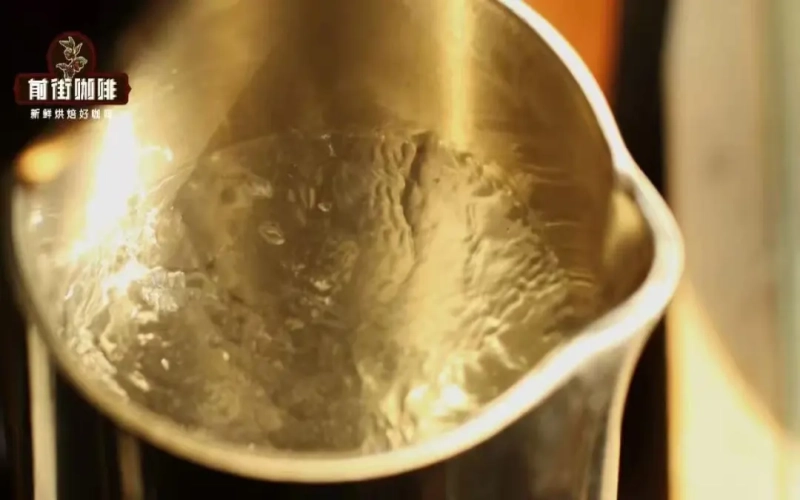
Analysis of Temperature Loss in Pour Over Brewing and Practical Adjustment Techniques
Many coffee enthusiasts set their brewing temperature to 92°C, yet often encounter issues with under-extraction. The key lies in the fact that the water temperature can drop significantly from the moment it leaves the kettle until it contacts the coffee grounds, due to various factors. This article delves into the reasons behind temperature loss—including kettle design, air exposure, and filter cone material—and offers practical strategies such as preheating equipment, adjusting pouring height, and flexibly modifying brewing temperature to help you achieve more stable extractions and ideal coffee flavors. [more…]
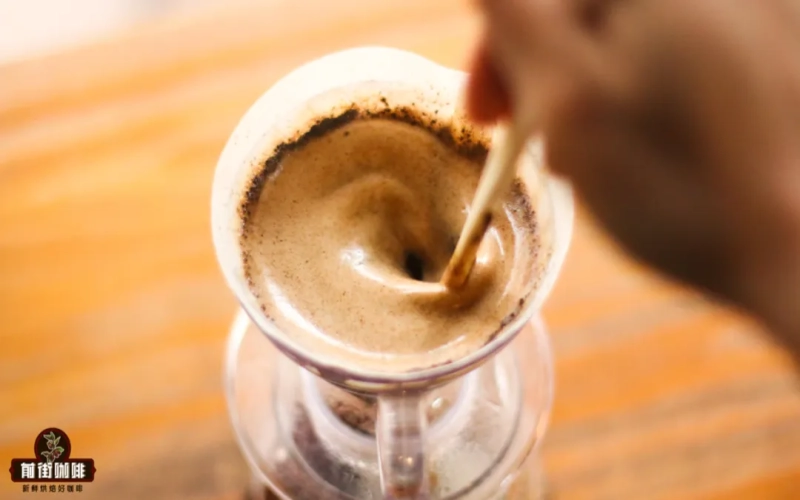
Tutorial on Stirring Method for Iced Pour Over Coffee: Flavor Profile of Kenyan Beans & Practical Parameters for a 1:8 Ratio
Want to explore a more intense flavor profile in iced pour over coffee? The stirring method enhances agitation of the coffee bed, effectively improving extraction efficiency and bringing out deeper fruity notes and sweetness. This article dives into the differences in brewing principles, and using the 'Little Tomato' Kenyan beans as an example, it breaks down step-by-step practical procedures with a V60 filter and a 1:8 coffee-to-water ratio—including key moments for the second stir and grind settings at 20 on the sieve—to help you replicate that freshly squeezed juice-like rich mouthfeel at home. [more…]
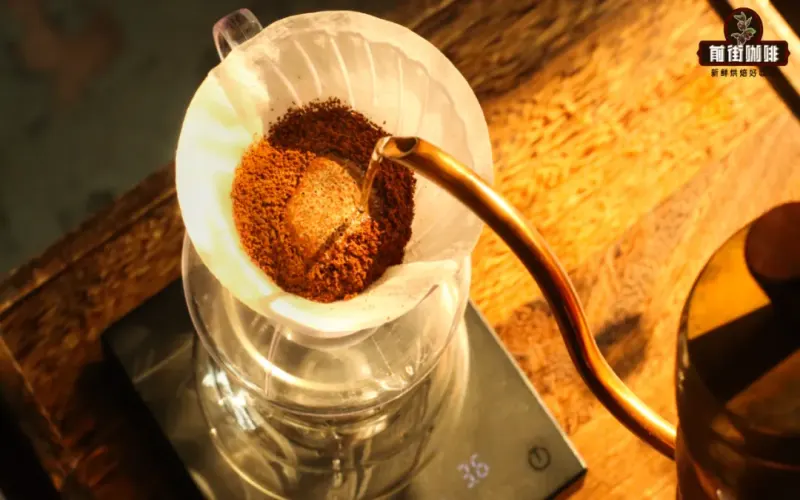
Hot and Iced Pour Over Coffee Taste Very Different: A Complete Analysis from Parameter Adjustments to Sensory Experience
Have you ever wondered why the same pour over coffee beans can taste so different when brewed hot versus cold? This article delves into the flavor differences of pour over coffee at varying temperatures, breaking down the key distinctions in extraction methods between hot and iced brews—from taste perception and aroma release to brewing parameter adjustments. We also compare the flavor profiles of hot and iced pours with real examples to help you choose the most suitable drinking method based on your preferences. [more…]
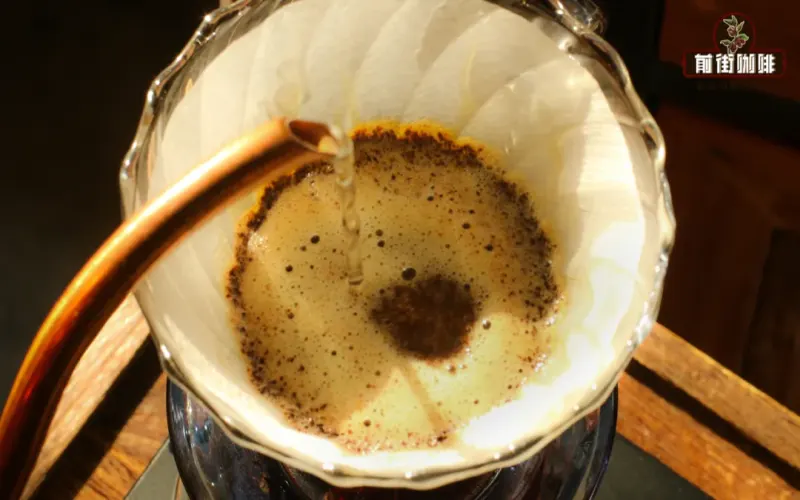
A Complete Guide to Coffee Bean Flavor Window & Shelf Life: How to Brew the Best Cup
Many coffee enthusiasts often have questions about the flavor window and shelf life of roasted beans—when is the peak flavor period? Can you still brew a good cup after the optimal time has passed? This article analyzes the flavor differences between freshly roasted and two-month-old beans through practical cupping comparisons, explains how aroma volatilization affects taste, and provides practical storage tips and brewing parameters to help you grasp the best timing for enjoying your coffee beans. [more…]
Is your pour over coffee too weak? Adjust these 3 key details to enhance flavor intensity
Many beginner coffee enthusiasts often encounter issues where their pour over coffee tastes weak or has a thin mouthfeel, mistakenly believing that simply adjusting the coffee-to-water ratio can solve the problem. However, in addition to the brew ratio, extraction efficiency and bypass water also play significant roles. This article delves into the three most common reasons why pour over coffee may taste weak, and using a light-roasted Yirgacheffe as an example, provides practical pouring techniques and precise parameter recommendations to help you master the art of pour over brewing and produce a cup with distinct layers and rich flavors. [more…]
Pour Over Coffee Blending Techniques: A Guide to Ratio Mixing and Parameter Optimization
Blending different pour over coffee brews in specific ratios can create unique flavor profiles. This guide details how to achieve balanced flavors by adjusting blend ratios (such as 1:1 and 1:2.5) and optimizing extraction parameters for individual beans. It covers everything from the pairing logic of anaerobic processed beans with washed beans to key practical details like water temperature and grind size, offering repeatable solutions along with a comparative flavor analysis of two classic blending ratios. [more…]
Why doesn’t Brazilian coffee have NY1? In-depth analysis of the Cerrado region’s grading system and flavor profile
Brazil is the world’s largest coffee-producing country, yet its highest coffee grade is NY2, with the more commonly seen NY1 nowhere to be found. What’s the reasoning behind this? This article takes an in-depth look at Brazil’s coffee grading standards, including key indicators such as defect rate, bean size, and cupping scores. It also introduces you to the unique flavor characteristics of the Cerrado region and analyzes the actual performance of Brazil’s highest-grade coffee, helping you better understand what to look for when selecting Brazilian beans. [more…]
Why does pour over cold brew coffee taste salty? Analyzing extraction issues and flavor adjustment techniques
Have you ever detected a subtle salty taste in your pour over or cold brew coffee? This is actually closely related to bean quality, water quality, and brewing parameters. This article delves into the sources of saltiness in coffee, analyzes the effects of under-extraction and overly high concentration, and provides intuitive judgment and adjustment methods. It also offers practical bean variety suggestions for addressing the issue of weak flavor in cold brew, helping you achieve a more balanced coffee experience. [more…]
How Can One Coffee Bean Produce Four Types of Black Coffee? Extraction Methods & Flavor Analysis
Have you ever wondered how the same coffee bean can showcase completely different aromas and flavors through various brewing methods? This article takes a practical-grade blend as an example to deeply analyze the preparation parameters and key flavor characteristics of four major types of black coffee: espresso, Americano, pour over, and cold brew. It also provides useful extraction tips to help you choose the right brewing method based on your taste preferences and explore the diverse possibilities of the same coffee bean. [more…]
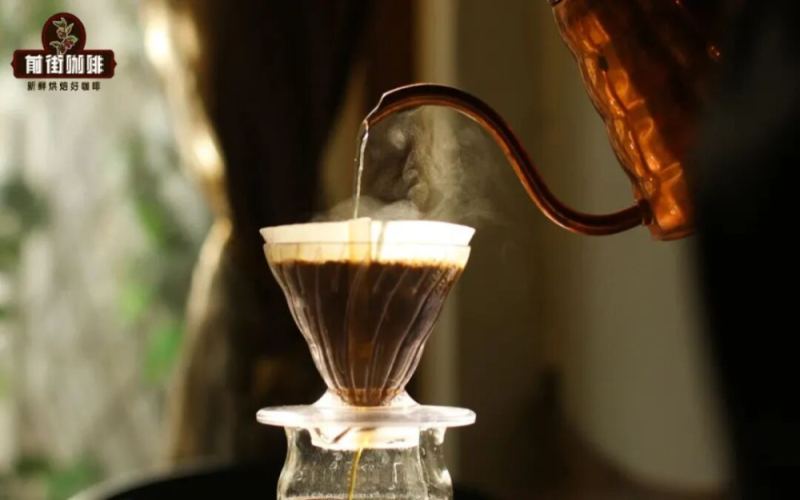
Second Pour-Over Experiment: Can Different Roasts Be Re-Brewed to Enhance Flavor? Hands-On Comparison and Analysis
Have you ever wondered if brewed coffee can be reused? The recently popular “second pour-over” method involves pouring the first extraction’s brewed coffee back onto the coffee grounds in the filter and brewing it again. It is said to enhance the coffee’s richness and sweetness. But does this method actually work? And for which roast levels is it suitable? This article provides a detailed comparison through hands-on testing with light, medium, and dark roasted beans, analyzing flavor changes after re-brewing in terms of aroma, acidity, body, and aftertaste, and offers practical advice to help... [more…]
Complete Guide to Geisha Coffee Varieties: Flavor Differences from Panama and Around the World + Recommended Pour Over Parameters
Geisha variety coffee has garnered significant attention in recent years. From Panama’s Hacienda Esmeralda to Ethiopia’s original strains, Geisha coffees from different origins vary markedly in flavor, price, and processing methods. This article selects 8 popular Geisha coffees, covering Panama, Ethiopia, Colombia, and Peru. It details their origin background, grade classifications, and unique flavor profiles, and provides unified light-to-medium roast pour over recommendations to help you find your own Geisha experience. [more…]

Sip Technique Explained: How to Enhance Flavor Perception Through Pour Over Coffee
Sipping is one of the most common yet perplexing tasting methods for beginners in professional coffee evaluation. By rapidly drawing in air, it aerosolizes the coffee to release more aromas and allows the taste buds to fully react at the optimal temperature—effectively enhancing your ability to discern different layers of flavor. This article will delve into the scientific principles and practical techniques of the sip method, guiding you on how to uncover more details and nuances from your everyday pour over coffee. [more…]
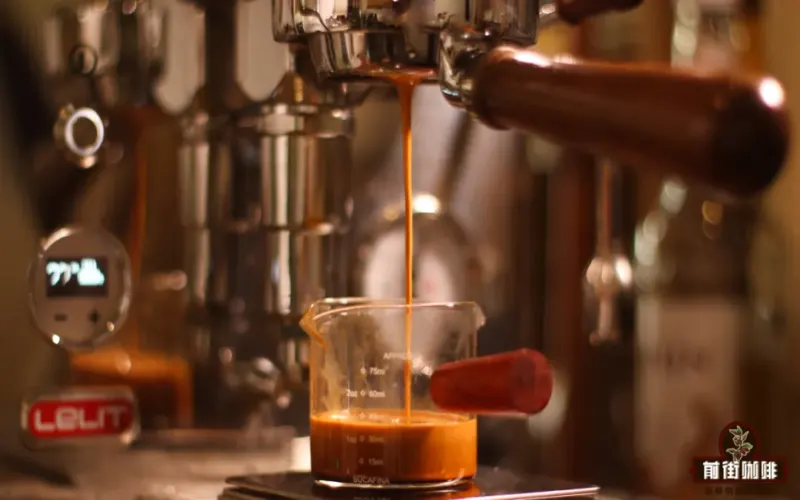
Espresso Grinding Tips: 3 Key Details to Help You Calibrate Extraction Parameters in Three Steps
To quickly dial in an ideal shot of espresso, mastering the "three-adjustment grinding method" is essential. However, beyond basic extraction principles, there are still many practical details that are easy to overlook—such as the bean hopper capacity, channeling issues, and non-grinding adjustment methods—all of which can affect the final extraction quality. This article will delve into these three practical details to help you calibrate your espresso grind more precisely and efficiently. Even beginners can achieve stable shots within just three steps. [more…]

Reasons for Bitterness in Pour Over Coffee & Solutions: A Guide to Adjusting Parameters and Extraction Techniques for Light Roast Beans
Bitterness is a common issue in pour over coffee. Many people immediately suspect poor coffee bean quality, but in fact, the extraction method is the key factor. This article delves into the relationship between polyphenols and the degree of extraction, explains why under-extraction can easily lead to noticeable bitterness, and provides practical suggestions on coffee-to-water ratio, water temperature, grind size, and brewing time specifically for light roast coffee beans. By optimizing these parameters, you can effectively improve the taste of your coffee. [more…]
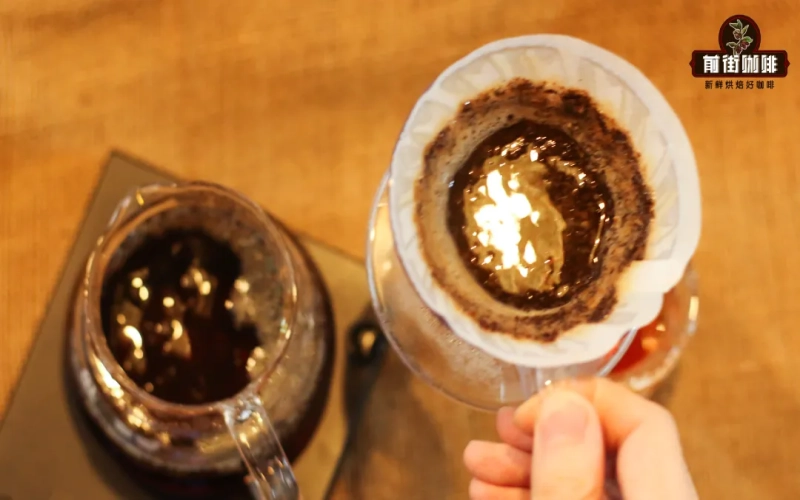
How to Perform a Second Diversion in Pour Over Coffee? Flavor Enhancement Principles and Comparative Analysis
The "second diversion" technique in pour over coffee has gained significant attention in recent years. It not only helps improve flavor balance but also enhances sweetness. This article delves into the principles behind the second diversion, exploring how it optimizes taste by removing specific portions of the extracted liquid. Practical comparative experiments are also presented, showcasing differences in liquid weight, acidity-sweetness balance, and flavor complexity between conventional and second diversion methods—helping you adjust your brewing strategy more scientifically. [more…]
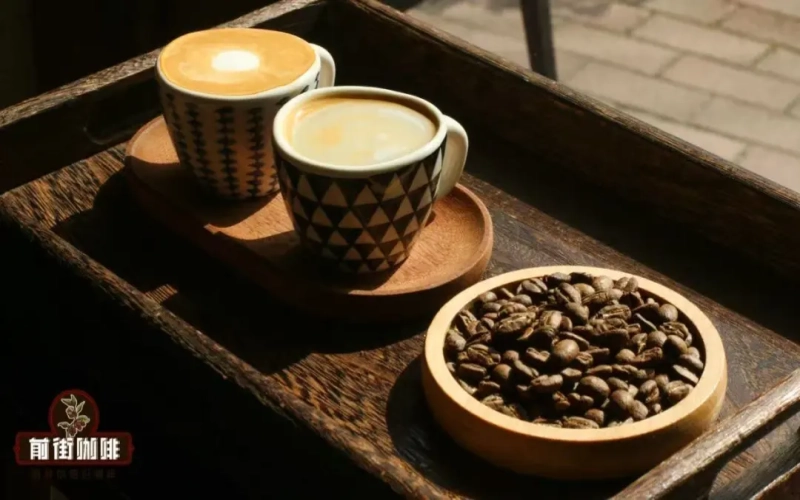
How to Choose a Coffee Combo Bean Set? Three Medium-Roast Practical Recommendations & Flavor Analysis
Coffee combo sets have become a classic offering in many coffee shops. Selecting the right beans that balance both Americano and latte flavors is an art. This article delves into the key aspects of bean selection: focusing on medium roast as the core, balancing acidity and sweetness while highlighting layered flavors. We also recommend three top-performing bean sets in practice, including Ethiopian Hua Kui, Boundary Line Xi Zha, and Strawberry Sugar Blend, helping you craft a harmoniously flavored coffee combo. [more…]
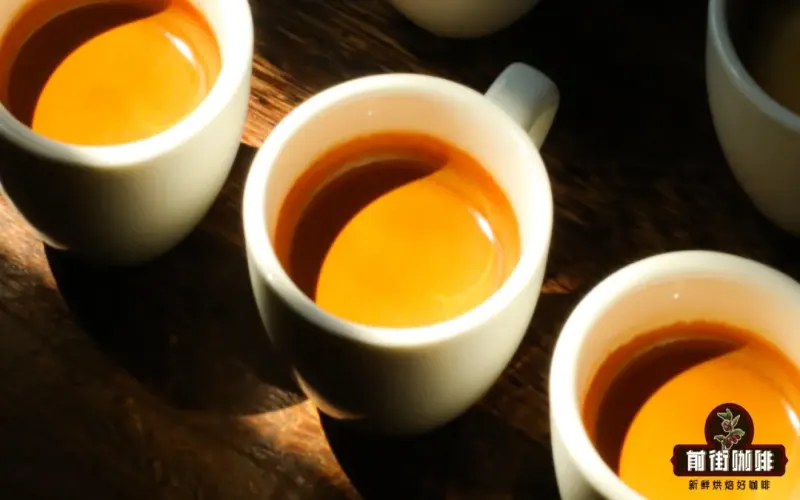
How to Make Americano? A Complete Guide to Espresso Ratio, Water Temperature, and Coffee Bean Recommendations
Americano may seem simple, but the ratio of espresso to water, water temperature, and water quality can significantly affect its flavor. This guide will deeply explore how to adjust the golden ratio between water and espresso, offer water temperature suggestions suitable for different scenarios, and provide tips on choosing the right espresso blend for making black coffee — helping you brew a well-layered, flavor-clear Italian-style Americano at home. [more…]
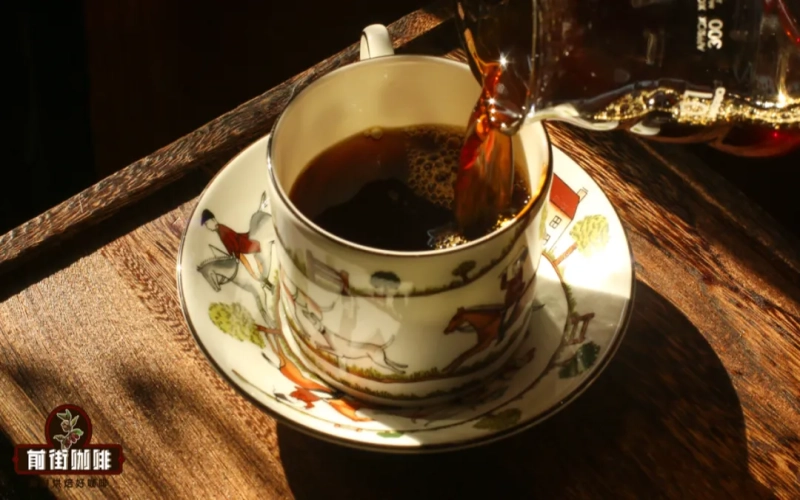
Kono Drip Pour Over Tutorial: Solving Uneven Extraction Issues with Fresh Coffee Beans
Freshly roasted coffee beans, rich in carbon dioxide, often lead to unstable flavors and uneven extraction when brewed using pour over methods. Japan’s Kono drip technique addresses this by employing a segmented pouring strategy—first using water droplets to pre-wet and degas the grounds, then switching to a stronger flow for extraction, while adjusting concentration through bypass. This method ensures even and stable brewing, producing a rich and balanced cup even with fresh beans. This guide uses PWN Golden Mandheling as an example, detailing parameter settings and step-by-step instructions to help you master this classic Japanese pour over technique. [more…]
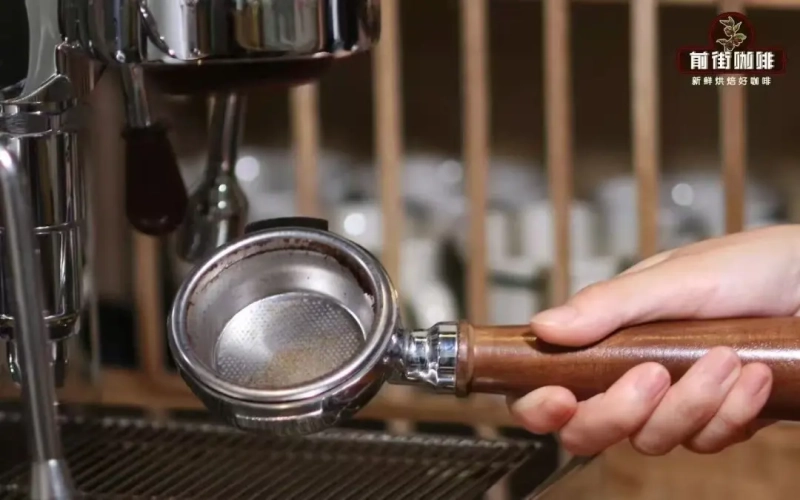
Is your espresso puck sticking to the group head after extraction? Causes and proper operation explained
Have you ever noticed that after extracting an espresso shot, the coffee puck sticks tightly to the group head, making it difficult to remove or even causing it to drop into the drip tray? This not only creates cleaning hassles but may also make you worry about the impact on coffee flavor. This article provides an in-depth analysis of the common reasons why the puck sticks to the group head, including factors such as dose control, timing of post-extraction handling, and handling the portafilter—along with practical examples showing the real impact on coffee flavor—to help you optimize your extraction process and improve coffee quality. [more…]
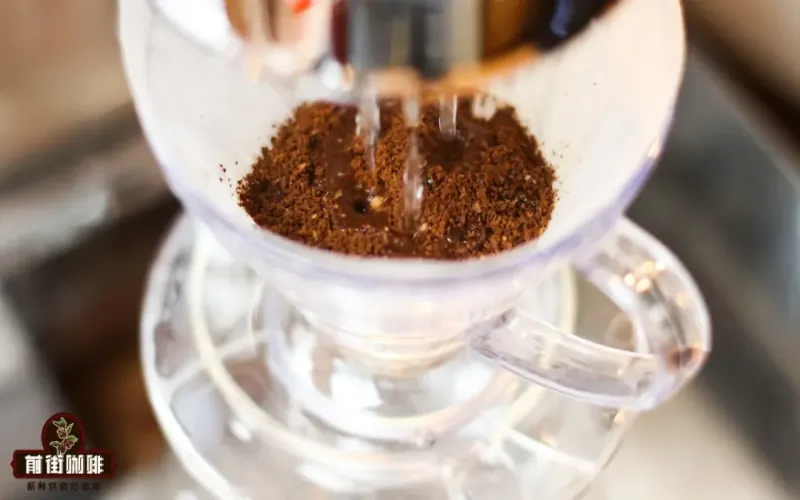
Can a home espresso machine also make pour over? Master these techniques to achieve professional-level flavor
Did you think pour over coffee can only be made with a pour over kettle? In fact, as long as you master the correct extraction parameters, a home espresso machine can also brew flavorful drip coffee. This article will delve into the principle of "fake pour over," guiding you step-by-step on how to replicate pour over flavors using an espresso machine — from water temperature control and filter choice to segmented pouring techniques. Using Ethiopia Huikuang as an example, it provides practical parameter settings and operation details, so you can easily enjoy a professional-level pour over experience at home. [more…]