








Introduction:Have you ever wondered why the same packet of pour-over coffee can produce rich, fruity notes for some, yet taste bland and watered-down for you? The difference often lies in the details: water temperature, coffee-to-water ratio, and pouring technique. This article will take you deeper into how adjusting these three key elements can enhance the extraction of your pour-over coffee, making each cup more complex and flavorful. Whether you're a beginner or already have some experience, these practical tips will help you master the art of brewing pour-over coffee with greater precision.
Many pour-over coffee enthusiasts have encountered a similar issue: using the same coffee pouch, others brew fragrant, richly flavored cups, while you’re left with something weak and uninspiring. In fact, this gap usually isn’t due to the beans themselves, but rather three core factors during the brewing process — water temperature, coffee-to-water ratio, and pouring technique. Mastering these techniques means even a pouch of coffee can yield bold and captivating flavors.
Among the most common complaints is: “Why does my pour-over coffee always taste weak, as if it has no flavor?” To address this, we’ve compiled three practical and effective solutions. First, start by adjusting basic brewing parameters — water temperature, coffee-to-water ratio, and extraction time — to ensure optimal release of flavor compounds. Second, given the unique coffee bed structure of coffee pouches, before pouring water, consider creating a small indentation in the center of the coffee grounds to improve uneven water penetration. Finally, if you find the first brew still lacking, an advanced tip is to pour the brewed coffee back into the pouch for a second extraction, enhancing overall strength and aroma.
Among these, adjusting the brewing parameters is the most fundamental and important step. The reason your coffee may taste weak often comes down to two factors: either too much water diluting the flavor, or insufficient extraction rate — meaning the soluble flavor compounds in the coffee grounds weren't fully released, resulting in fewer taste-contributing substances in the final cup, which naturally leads to a flat taste. To fix this, we can adjust three key parameters: coffee-to-water ratio, water temperature, and extraction time.

The so-called coffee-to-water ratio refers to the proportion of coffee grounds to hot water used. There are two common ways to express this: one is a weight-based ratio (e.g., 1:15), and the other is a volume-based ratio (e.g., 1:13). If you’re accustomed to using a scale for precise measurement, it’s recommended to use the weight-based coffee-to-water ratio — that is, the ratio of the weight of coffee grounds to the weight of hot water. For coffee pouches, since the coffee is pre-ground, there’s no need to adjust grind size — just focus on the coffee-to-water ratio, water temperature, and extraction time.
When choosing a coffee-to-water ratio, for light to medium-light roasted coffee pouches, if you want a stronger and richer taste, you can opt for a ratio of 1:14 or 1:15 (or about 1:12 to 1:13 in volume terms). Conversely, if you prefer a lighter, more delicate flavor, you might go for 1:16 or even 1:17. It’s important to note that at the same extraction rate, the higher the ratio number, the stronger the coffee will taste; the lower the number, the lighter the flavor. Additionally,water temperature is also extremely critical.For light to medium-light roasted coffee pouches, it’s recommended to use water at 90–93°C; whereas for dark or medium-dark roasted beans, it’s best to lower the temperature to 86–89°C to avoid over-extraction and bitterness.
As for extraction time, it’s another crucial factor influencing flavor release. Many people end up with underwhelming coffee because they pour too quickly, leading to insufficient contact time between water and coffee grounds, and thus not enough flavor compounds being dissolved. If you’re not good at controlling the flow rate, try breaking the pour into more stages — for example, changing from the usual three pours to four or even five — thereby extending the overall extraction time and improving efficiency.
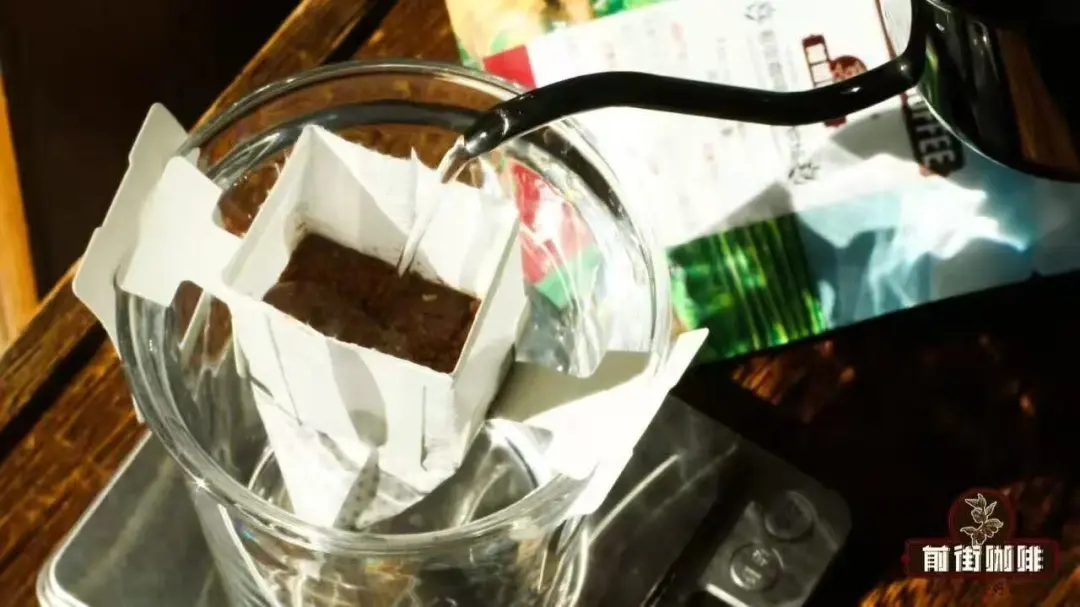
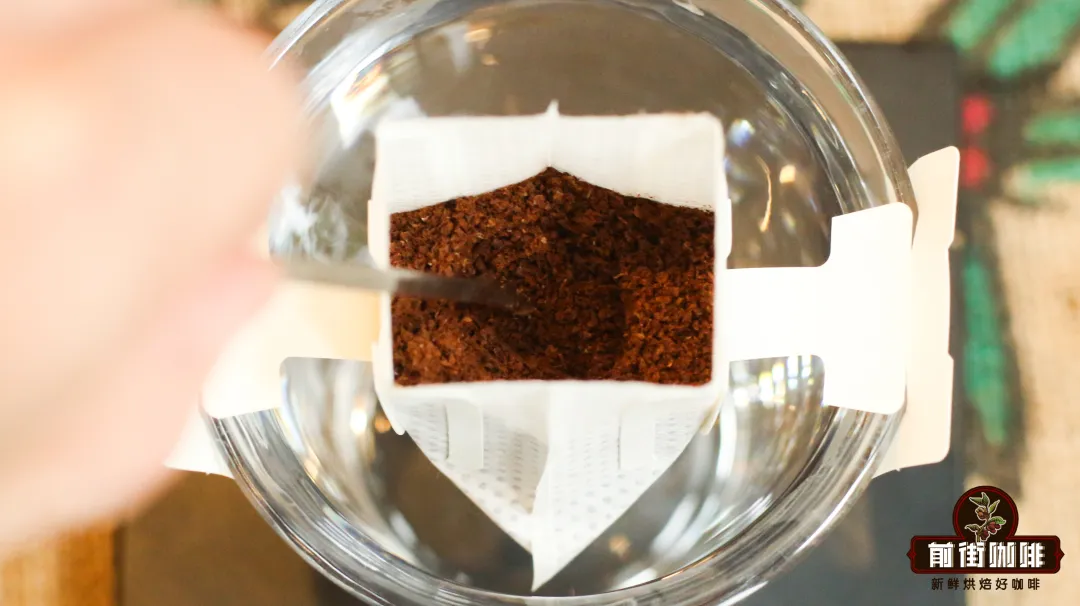
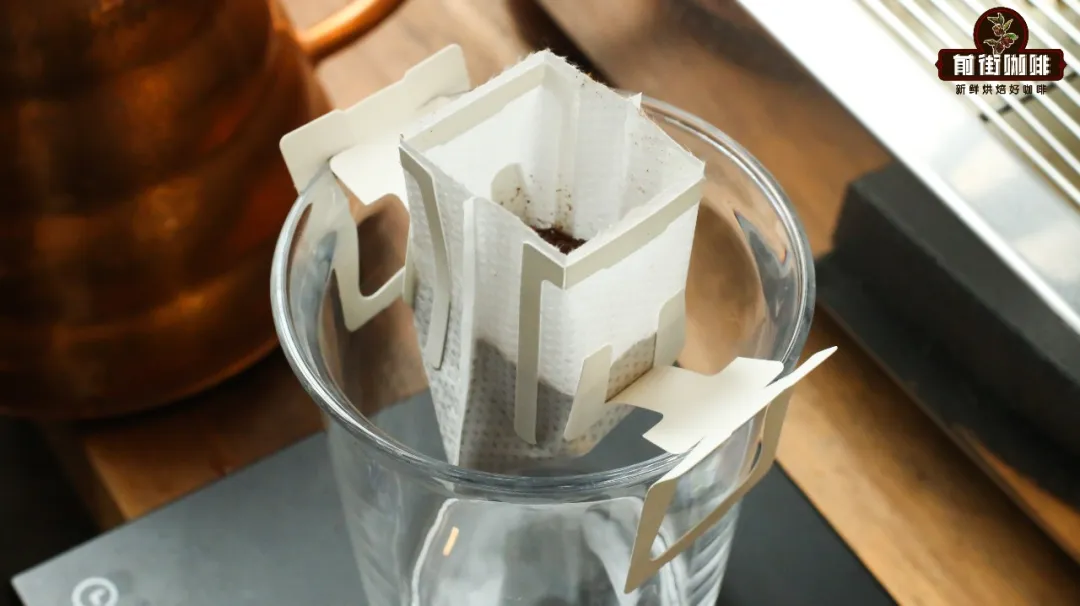
Besides adjusting parameters, another useful tip is to create a small hole in the center of the coffee bed before starting to pour. Because coffee pouches are usually small in diameter, the coffee grounds inside form a relatively thick bed. Without proper pre-wetting, this thick layer can lead to uneven water penetration — especially at the bottom and edges, where coffee grounds may not get wet enough, resulting in incomplete extraction. Before you begin pouring, use a toothpick or similar tool to gently poke a small hole in the center of the coffee bed. Then start by pouring water into the center, gradually moving outward in circles, to allow water to penetrate the entire coffee bed more evenly, thus improving extraction uniformity and intensity.
If you find that even after adjusting parameters and technique, the coffee still doesn’t taste ideal, there’s an advanced trick worth trying: pour the first brew back into the pouch for a second extraction. This might sound counterintuitive, but the logic is simple — during the first brew, many flavor compounds in the coffee grounds remain unreleased. The returned coffee liquid, already at a certain concentration and cooler temperature, won’t cause over-extraction. Instead, it helps dissolve the remaining flavors, elevating the coffee’s richness and aroma to the next level.
To demonstrate these techniques more直观ly, here’s a complete pour-over brewing guide using a coffee pouch. This example uses a medium-light roasted pouch with distinct sweet and acidic notes. Its flavor profile includes strawberry, citrus, subtle floral hints, and a lingering oolong tea-like finish. The mouthfeel is refreshing with a long-lasting aftertaste. Recommended brewing parameters are: coffee-to-water ratio of 1:15, water temperature of 92°C, four pours, and a total extraction time of around 2 minutes.
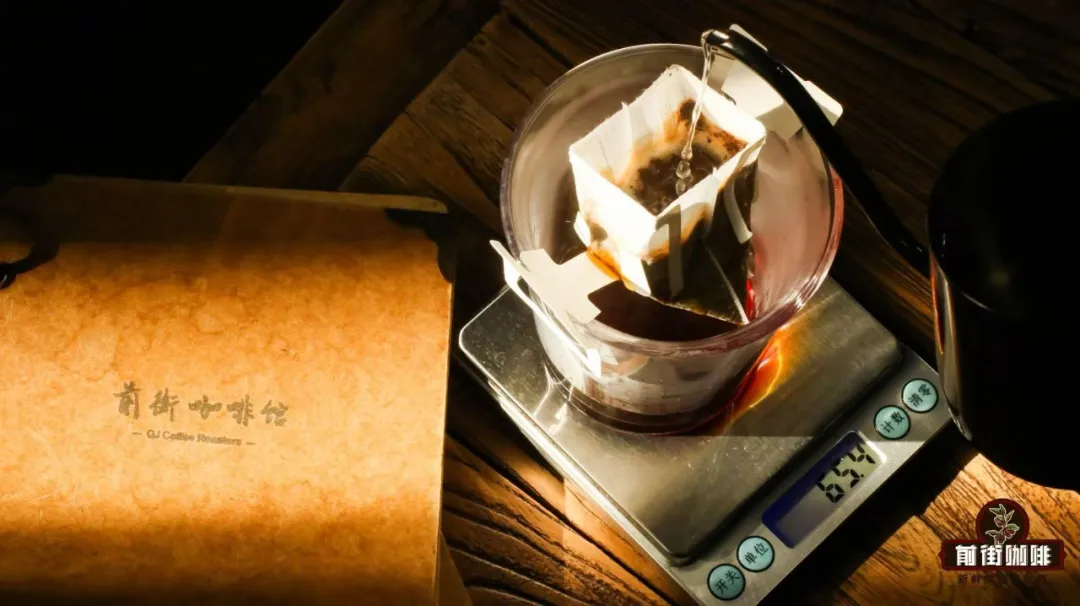
Each pouch contains 10 grams of coffee, so the total water volume is 150 milliliters. Before starting to pour, it’s recommended to use a toothpick to make a slightly deep indentation in the center of the coffee bed. Then pour a small amount of hot water (about twice the weight of the coffee, i.e., 20 milliliters) for blooming, and let it sit for around 30 seconds. This step helps the coffee grounds absorb water and release gases, laying a solid foundation for subsequent extraction.
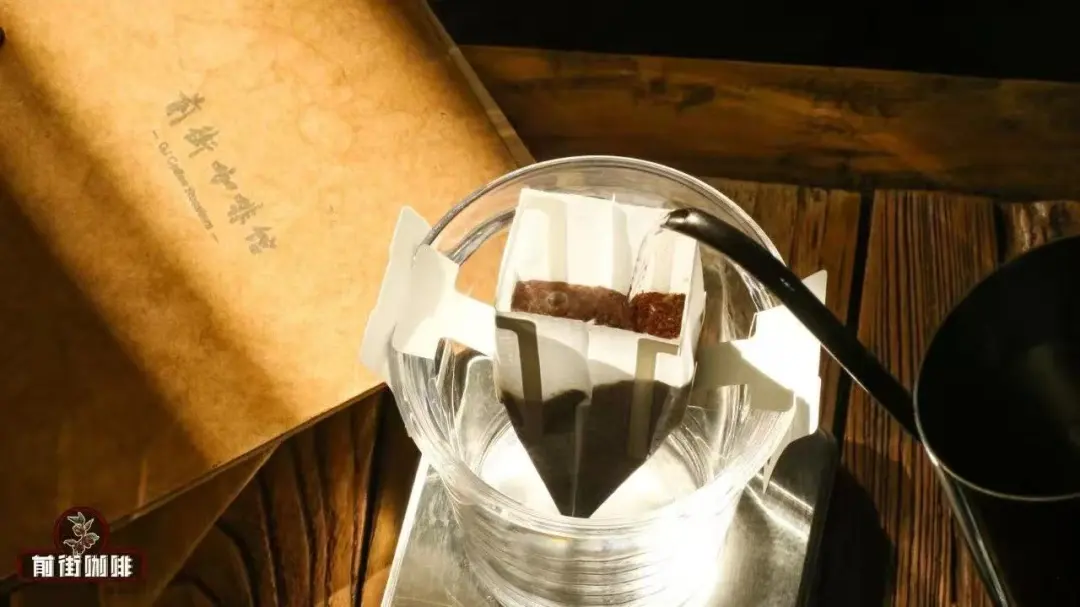
After blooming, divide the remaining 130 milliliters of hot water into three equal parts, and pour slowly in small streams in circles, ensuring each part is fully absorbed before moving on to the next. Keep the whole process within about 2 minutes — going a little over is fine, especially with this medium-light roast that’s not prone to over-extraction. Once brewing is complete, gently swirl the cup to mix the coffee liquid evenly, enhancing balance and consistency of flavors. Now you’re ready to enjoy a richly layered, pour-over coffee pouch brew.
The above content is compiled by CoffeeHunters, a coffee news website.


