







Category: Coffee Knowledge
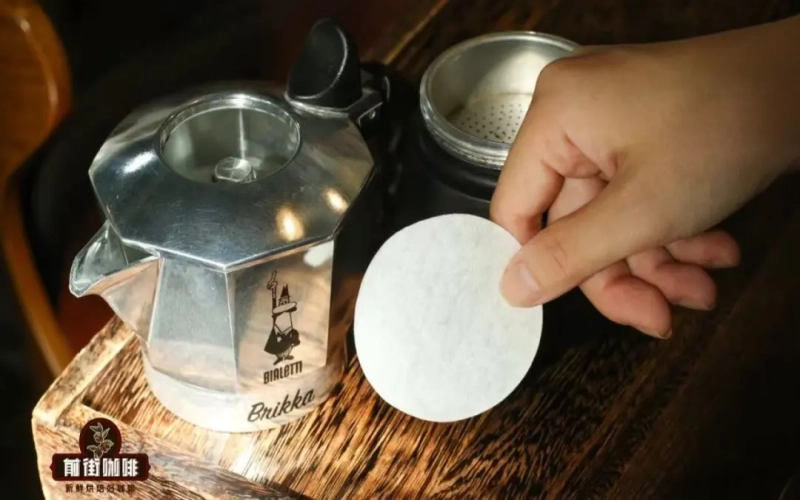
How to place the filter paper in a Moka pot? Extraction differences between placing it at the bottom or on top of the coffee puck, and cleaning tips
When using a Moka pot, have you ever wondered whether you should use filter paper? And if so, should you place it at the bottom of the filter basket or on top of the coffee puck? In fact, where you place the filter paper can directly affect the evenness of coffee extraction, flavor performance, and ease of cleaning. This article will take an in-depth look at the two common ways to use filter paper in a Moka pot—placing it under the coffee grounds at the base or on top of the coffee puck—and help you understand the brewing principles behind each method, their impact on flavor, as well as the practical benefits for cleaning. This will assist you in making the best choice based on your own needs. [more…]
What if you don’t have a professional pour over kettle? You can still brew a coffee with distinct layers using an ordinary electric kettle
Many coffee beginners are deterred by the high price of professional pour over kettles, but in fact, as long as you master the correct parameters and techniques, a regular household electric kettle can also stably extract a single-origin coffee with clear flavors and a solid mouthfeel. This article delves into the challenges of controlling water pouring with a regular kettle, and offers two practical solutions: filling the kettle to stabilize its center of gravity or adopting a pulse pouring method to lower the operation barrier. At the same time, it shares a complete pour over process and precise parameters through real-life examples, helping you brew with the most basic setup. [more…]
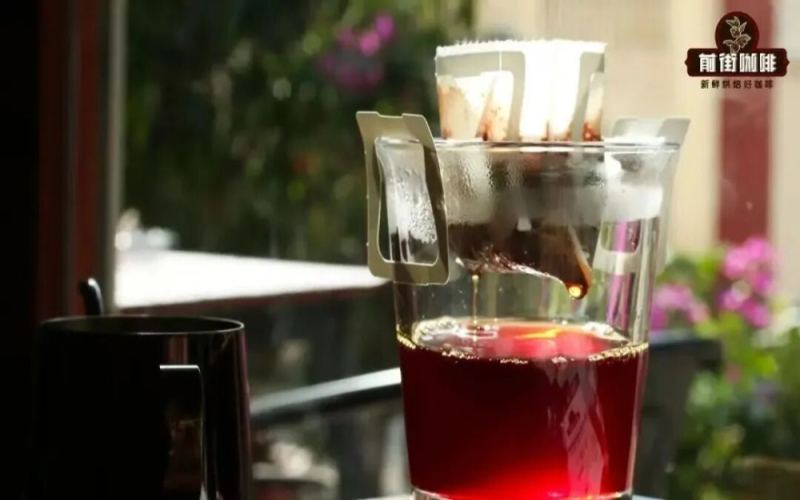
How to Brew Drip Bags for the Best Flavor? Master Blooming, Foam, and Second Extraction in One Go
Drip bags are a great choice for busy individuals who want to enjoy the flavors of pour over coffee. However, with the same drip bag, some people end up with a bland and tasteless cup, while others can achieve results close to professional pour over standards. This article delves into the brewing secrets of drip bags, including whether blooming is necessary, what the amount of foam indicates, whether second extraction is possible, and common reasons for weak flavor — helping you master the correct steps and elevate the quality of every brew. [more…]
How does coffee roast level affect caffeine content? An analysis of the differences in caffeine levels between dark roast and light roast
Many people mistakenly believe that dark roast coffee has higher caffeine content because it tastes more bitter, but this is not the case. This article delves into the real relationship between coffee roast level and caffeine content, analyzing the sources of bitterness, how roasting reactions influence taste perception, and comparing the actual impact of different roast levels on caffeine extraction. Readers will learn how to choose the right coffee based on their personal needs, including practical advice for those who are sensitive to caffeine. [more…]
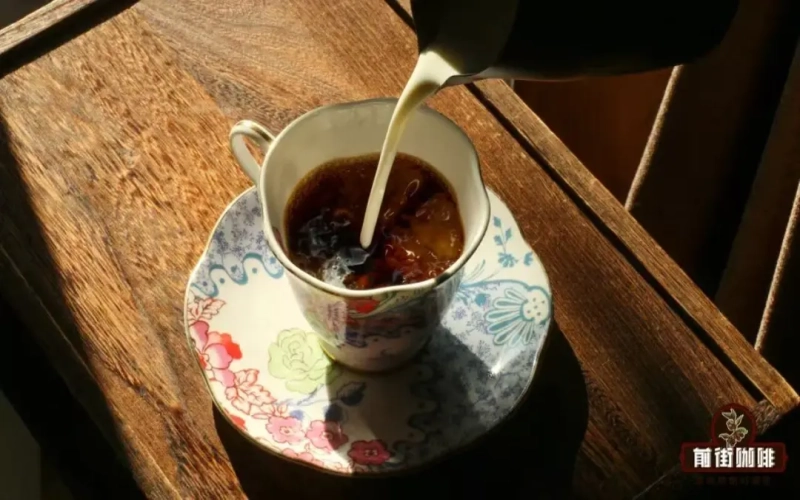
How to Use Milk Powder Instead of Milk for Pour Over and Espresso? A Complete Guide to Ratios and Techniques
Don’t have an espresso machine or moka pot at home but still want to enjoy a rich milk coffee? This article dives deep into practical methods for making lattes and espresso using milk powder as a substitute for fresh milk. It covers optimal ratios, step-by-step procedures, and key tips for both pour over and espresso scenarios. Not only does it explain how milk powder replicates the qualities of milk, but it also provides specific coffee-to-water ratios, water temperature guidelines, and recommended coffee bean varieties to help you get started easily—whether you're making a hot drink or iced coffee. [more…]
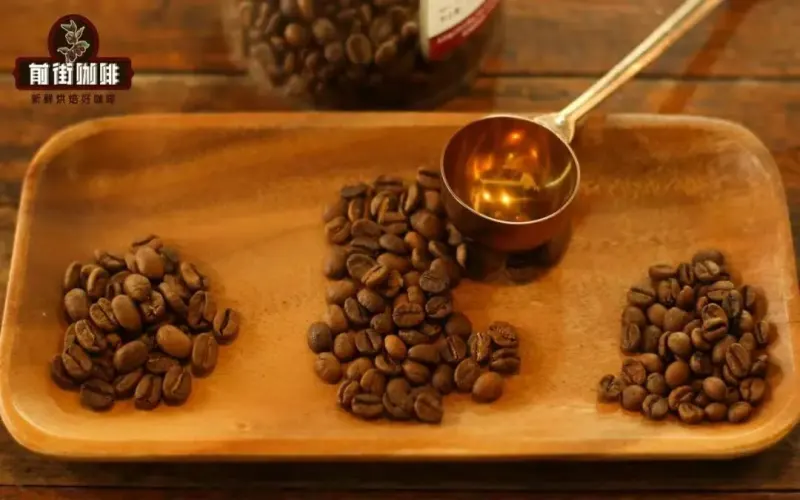
Analysis of Coffee Bean Size Grading System: The Origins and Flavor Realities of Kenya and Tanzania Grades
Have you heard that the larger the coffee bean, the higher the grade and the more expensive the price? Many producing regions, such as Kenya and Tanzania, still grade their coffee beans based on size. But does this grading method truly reflect differences in flavor quality? This article will delve into the historical background and practical purpose of such grading systems, explore the real impact of bean size on flavor, and help you understand the key factors that actually influence coffee flavor. [more…]
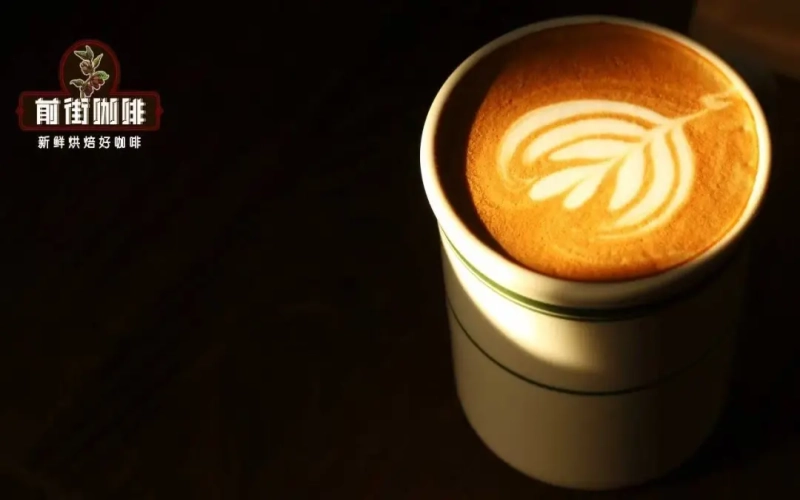
How to Distinguish Flat White from Latte? Ristretto Short Shot Techniques and Flavor Analysis
Want to truly understand the difference between a Flat White and a Latte? The key lies in the espresso base — a Flat White uses a high-concentration, short-extracted Ristretto shot, not a regular espresso. This article dives deep into the correct extraction logic of Ristretto, teaching you how to balance concentration and extraction yield by adjusting grind size, and provides practical parameters and flavor descriptions to help you brew a rich yet non-bitter Flat White. [more…]

Is latte art on light roast beans prone to bubble collapse? Master 3 techniques to improve milk foam stability and latte art longevity
Have you ever encountered the frustration of your latte art pattern blurring and dissolving quickly, with the milk foam dissipating rapidly? Factors affecting the stability of latte milk foam include the roast level of the coffee beans, the quality of the milk foam and control of milk temperature, as well as the degassing state of the coffee beans. This article delves into these three key aspects, offering practical adjustment suggestions to help you improve the milk foam structure, extend the clarity duration of your latte art patterns, and ensure every cup of latte showcases long-lasting, aesthetically pleasing latte art. [more…]
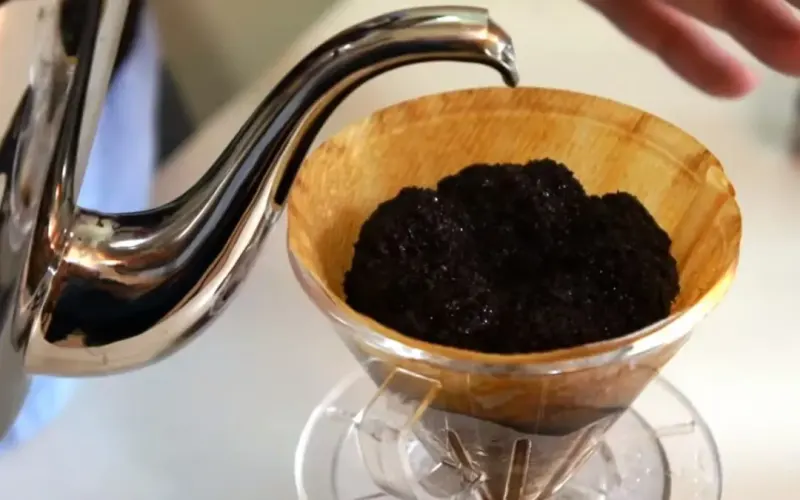
How to Make a Japanese-Style Dark Roast Pour Over? The High-Concentration Low-Extraction Technique and Practical Parameters with Golden Mandheling
Have you ever wondered why Japanese pour overs often use large coffee doses yet remain smooth and not bitter? This is actually a classic application of the “high-concentration low-extraction” technique. This article delves into the principles behind this method, starting with the characteristics of dark roasted beans, and explains how to adjust the coffee-to-water ratio, grind size, and water temperature to effectively suppress bitterness and enhance a rich mouthfeel. Using PWN Golden Mandheling as an example, it provides complete cold brew step-by-step instructions and key parameters, guiding you through replicating the classic deep roast flavor that is bold yet not overly heavy. [more…]

Can expired coffee beans still be consumed? A guide to the difference between shelf life and best-before date | Beginner’s guide to coffee
Many coffee enthusiasts often wonder: Can you still brew coffee beans after the expiration date on the packaging? In fact, aside from the legally mandated shelf life, coffee has a more important concept — the “best-before date.” This article delves into the differences between the two, explains why professionals recommend enjoying coffee within its best-before period, and offers practical storage and judgment methods to help you enjoy coffee at its peak flavor. [more…]
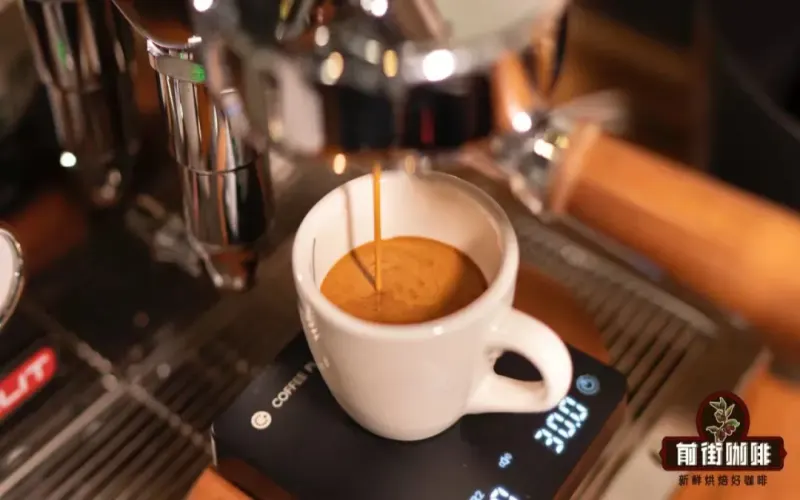
What to do if your espresso flow stops midway? A practical analysis of concentration and flavor impacts from replenishing extraction
When extracting espresso, if you get distracted and the shot stops before reaching the target weight, can you restart the extraction to make up the missing volume? This article explores through practical testing how replenishing extraction at different stages (such as at half, two-thirds, or four-fifths of the target liquid weight) affects concentration, extraction yield, and flavor. By examining data and taste observations, we help you determine when it’s appropriate to replenish and when it’s better to start over, improving the consistency and quality of every shot. [more…]

What’s the difference between Italian-style milk coffee and French-style café au lait? The golden ratio and techniques for adding milk to pour over coffee
The world of milk coffee is far more diverse than you might imagine. Italian and French-style milk coffees differ greatly in base, concentration, and flavor. This article delves into the fundamental differences between the two, helping you understand why the same ingredient—milk—can result in such vastly different tastes. It also provides practical recommendations for parameters when adding milk to pour over coffee, from extraction to ratio matching, to help you find the cup that best suits your palate. Whether you’re an espresso lover or a pour over enthusiast, you’ll gain useful inspiration. [more…]

Coffee Bean Freshness Identification Guide: 5 Key Observation Tips from Bloom to Crema and Flow Rate
Determining whether coffee beans are fresh doesn't actually require complex instruments. By mastering a few key observation points, you can find the answers during the brewing process. This article will guide you through five practical aspects—bloom expansion size, espresso crema thickness, puck water retention, and aroma performance—to deeply analyze the tricks of identifying coffee bean freshness. It also includes details on how roast levels and bean varieties affect crema performance, helping you more accurately select and evaluate coffee beans. [more…]
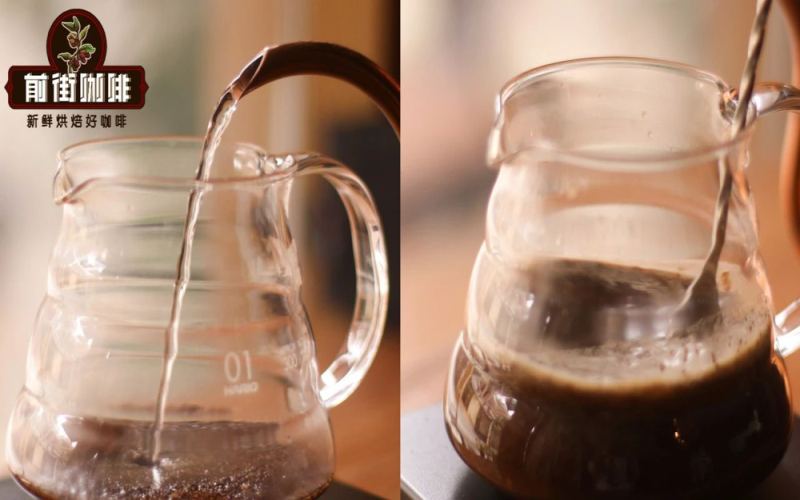
What to do if cold brew coffee is too bitter? Analyzing the golden ratio of grind size and steeping time
Cold brew coffee is known for its slow extraction at low temperatures, often delivering a refreshing and low-acid drinking experience. However, many people encounter issues with over-extraction and bitterness when making it at home. This article delves into the four key factors that influence cold brew flavor: coffee bean selection, coffee-to-water ratio, grind coarseness, and steeping time. It helps you master the art of brewing cold brew without bitterness or astringency, allowing you to achieve your ideal taste profile—whether you prefer bright fruity notes or a rich, balanced flavor. [more…]

Jilin University Kudi Coffee Store Vandalized by Students: University Response and On-site Damage Analysis
A recent incident involving students vandalizing a Kudi Coffee outlet inside the cafeteria of Jilin University of Finance and Economics has resulted in severe damage to on-site equipment and furniture. Reports suggest the incident may be related to a romantic dispute. The university has confirmed that no one was injured and that the affected store has temporarily suspended operations. This article details the incident, the on-site situation, and subsequent handling, along with an analysis of safety management considerations for commercial spaces on campus. [more…]

HK Luckin Coffee baristas' benefits spark discussion; analysis of MPF contribution rules for part-time staff
Recently, Luckin Coffee's salary and benefits for recruiting baristas in Hong Kong have sparked heated discussion, especially the stark differences in Mandatory Provident Fund (MPF) provision between full-time and part-time employees. Mainland employees, after comparing, lament the huge disparity in treatment between the two regions, but Hong Kong netizens point out that MPF is a statutory obligation for employers. This article delves into the differences in labor benefits between Hong Kong and mainland China, helping readers understand the relevant regulations and common misconceptions. [more…]
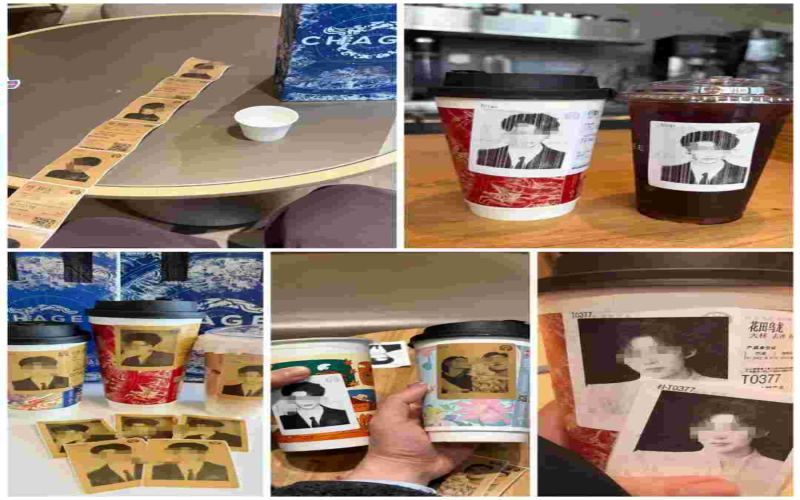
The DIY cup sticker feature on ChaBaTeaJi has been disabled: An analysis of copyright and portrait rights risks associated with uploading celebrity photos
ChaBaTeaJi previously launched a DIY cup sticker printing feature that allowed customers to upload custom images to decorate their bubble tea cups. However, some fans bypassed the review process using third-party tools to upload photos of celebrities such as Zhang Linghe to create cup stickers, sparking controversies over copyright and portrait rights. Recently, the official platform suddenly disabled this feature, leaving many consumers confused. This article provides an in-depth analysis of the incident, explores the legal issues involved, and clarifies the responsibilities of all parties, helping readers understand the associated risks. [more…]

Luckin vs. Cotti: The Battle of Extra-Large Cups – A Breakdown of Free Upgrade Rules & 6 Limited-Edition Drinks
Luckin and Cotti have simultaneously launched extra-large cup promotions, but they are attracting customers with starkly different strategies: one side offers "free upgrade vouchers" through limited-time draws, while the other directly upgrades drinks in its 9.9 RMB section without any limits. Behind this capacity upgrade competition lies not only a battle for customer mindshare but also differences in practical barriers and drink selection. This article dissects the detailed rules of both offers and highlights the potential limitations of Cotti’s restriction to just six drinks, helping coffee enthusiasts make informed choices based on their preferences. [more…]
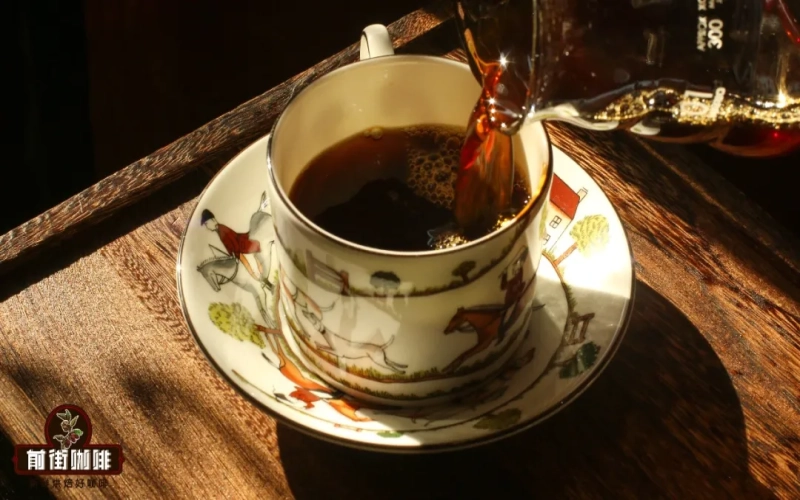
How long can pour over coffee be stored in a thermos? Recommended drip-filter coffee beans and preservation tips
The optimal flavor window of freshly brewed pour over coffee is often just about one hour, with its temperature dropping and aromas dissipating causing the coffee to quickly lose its appeal. Is there a way to extend this wonderful moment? Pouring freshly brewed coffee into a thermos takes advantage of its airtight and heat-retaining properties, effectively slowing down flavor loss and extending the enjoyment period 2 to 3 times longer. This article delves into the principles behind thermos storage, real-world performance tests, and recommends types of coffee beans that are well-suited for drip filtration, helping you achieve a more ideal coffee tasting experience. [more…]
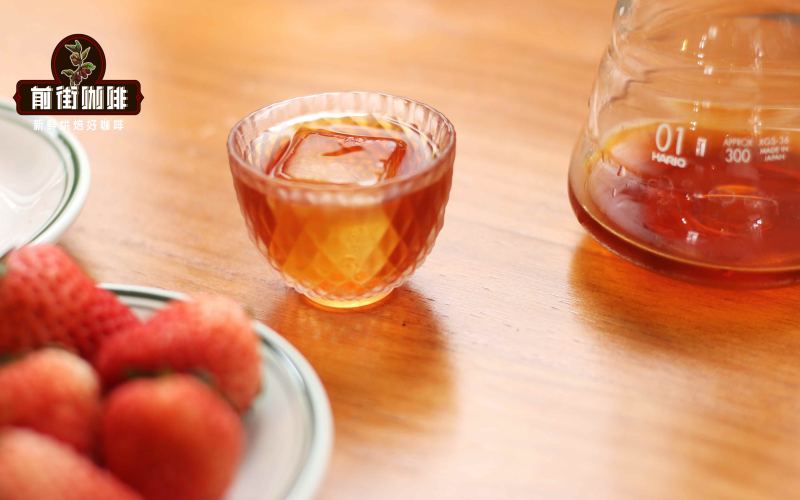
Complete guide to making cold brew Vienna coffee: in-depth analysis of coffee bean selection, whipped cream techniques, and parameter settings
Want to easily make a richly flavored, layered cold brew Vienna coffee at home? This article will provide a detailed breakdown of the optimal extraction parameters for the cold brew base, recommended coffee bean varieties that pair well with cream, as well as practical differences and handling tips between milk topping and whipped cream. With clear steps and expert advice, help you master the entire process—from ingredient selection to final enjoyment—and craft a cup of cold brew Vienna with striking flavor contrast that will amaze. [more…]