







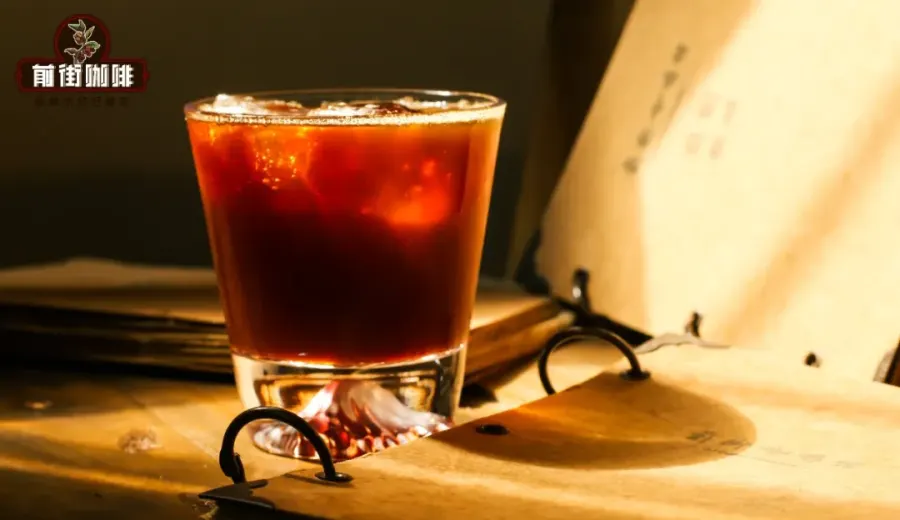
Introduction:Brewing cold brew at home requires mastering the right coffee-to-water ratio, grind size, and steeping time to extract a coffee that is both flavor-balanced and layered. This article dives deep into the key elements of making cold brew—from bean selection to specific parameters—and provides practical steps along with a curated list of flavor-focused beans, so you can easily craft a rich yet refined iced-drip-style coffee.
With summer arriving, refreshing cold brew has become the go-to choice for many coffee lovers. However, successfully making a pot of cold brew at home that boasts standout flavors and a smooth mouthfeel is not as simple as just mixing coffee grounds with water and letting it sit. Every step—from bean selection, grind coarseness, coffee-to-water ratio, to steeping time—greatly influences the final flavor outcome.
This article offers a comprehensive breakdown of the core brewing parameters for cold brew, including why an overly fine grind is not recommended, how to adjust water volume based on taste preference, and coffee bean recommendations suited to different flavor profiles. Finally, we’ll guide you step-by-step to brew your ideal cup of cold brew.
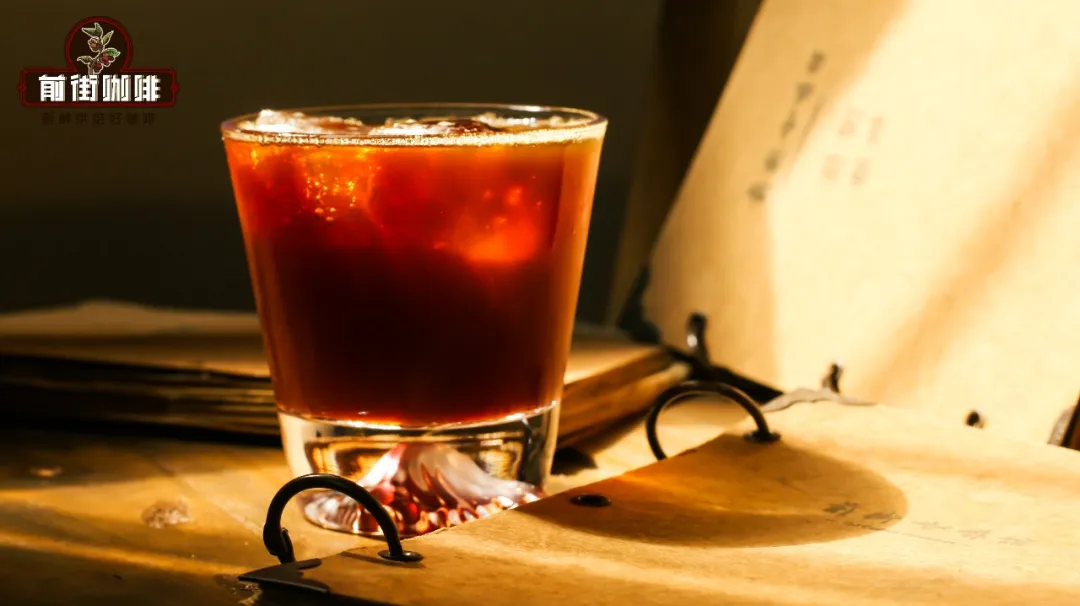
Let’s start with grind size. Many assume that because cold brew uses cold water for extraction—which is less efficient—it’s necessary to grind the coffee finer to increase extraction yield. But that’s not the case. Cold brew relies on prolonged static immersion, during which there is almost no mechanical agitation. If the coffee is ground too finely, the fine particles tend to clump and settle, reducing the effective surface area in contact with water. This leads to under-extraction of flavor compounds and negatively impacts overall performance.
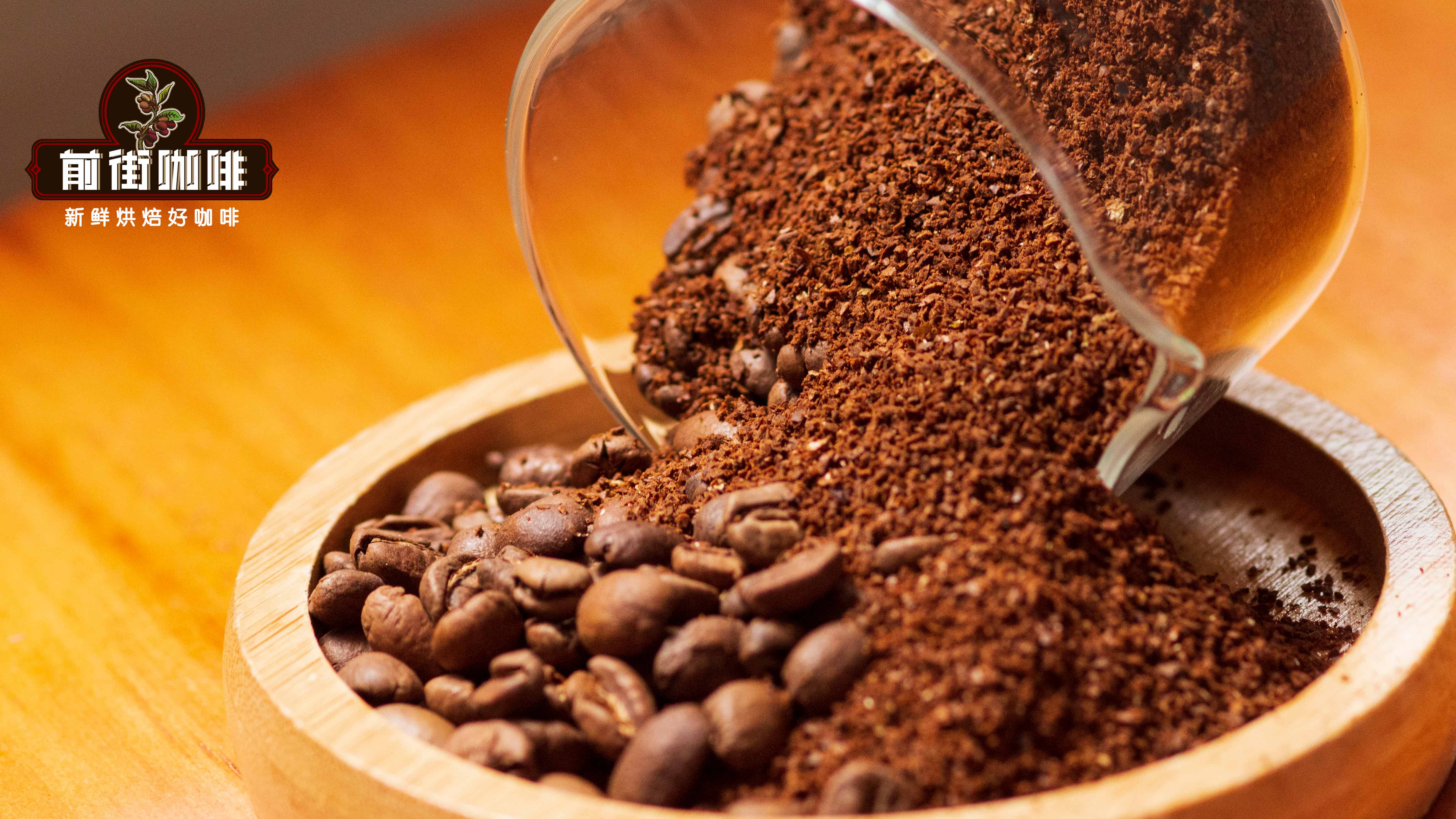
Therefore, it is recommended to use a grind size close to that of pour over coffee—slightly finer is okay, but don’t overdo it. In practice,for light roasted beans, choose a 20-mesh sieve with a passing rate of about 75% to 80%; for dark roasts, aim for around 70% to 75%. This range balances extraction evenness and flavor expression. These parameters are the result of long-term practical validation and help achieve a cold brew with clear layers and no harsh or astringent notes.
Next is the coffee-to-water ratio, which directly determines the strength of the coffee. Assuming extraction efficiency remains constant, the more water you use, the lighter the coffee will taste; the less water, the stronger. However, because the extraction efficiency of cold brew is inherently lower than that of hot brewing, using the same amount of water as you would for pour over can result in flavors that are too diluted. Therefore, it is recommended to control the ratio within1:10 to 1:12.
If you’re used to adding ice cubes to your cold brew, opt for a1:10 ratio, which ensures enough flavor remains after the ice melts. If you plan to drink it straight, then a1:12 ratio is more suitable, offering a cleaner, less heavy taste. Adjusting the ratio appropriately allows the final product to better match your personal taste preferences.
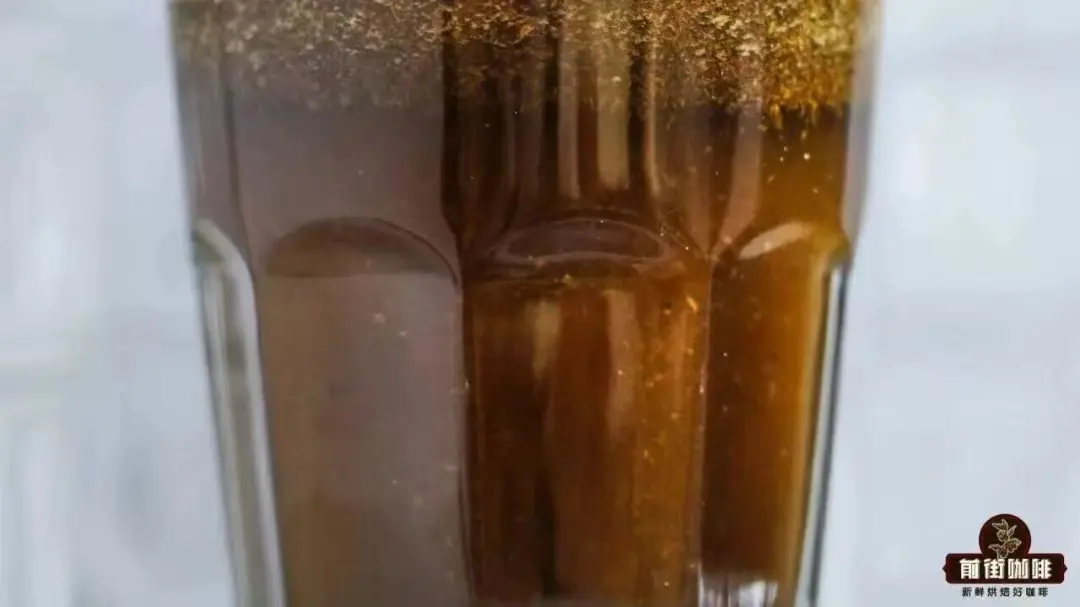
As for steeping time, it is also a key factor affecting flavor concentration and complexity. Cold brew is generally recommended to steep for8 to 12 hours. Too short may result in under-extraction, while too long offers limited flavor improvement and may even lead to over-extracted off-notes. Generally speaking,8 hours is the minimum recommended duration, and you can extend up to 12 hours based on personal preference—but be sure to observe flavor changes to avoid over-steeping.
When it comes to coffee bean selection, while any coffee bean can be used for cold brew, the resulting flavor profile varies greatly depending on processing method and roast level. If you prefer fruity, bright acidity types, choose beans with high flavor complexity—for example, a medium-light roasted double anaerobic processed bean often carries notes of grape, apricot, passion fruit, floral aromas, and even a slight fermented fruit wine-like character.
Another recommended medium-light roasted natural process bean offers a fresh and natural flavor profile, showcasing citrus, berries, apricot, and an oolong tea-like finish, ideal for those who enjoy a clean, sweet-and-sour taste. If you lean toward a richer, low-acidity, or even sweet-style cold brew, opt for medium-dark roasted beans—for instance, those with chocolate, caramel, cream, and nutty profiles can deliver a smooth and full-bodied mouthfeel, suitable for direct drinking or use in iced coffee beverages.
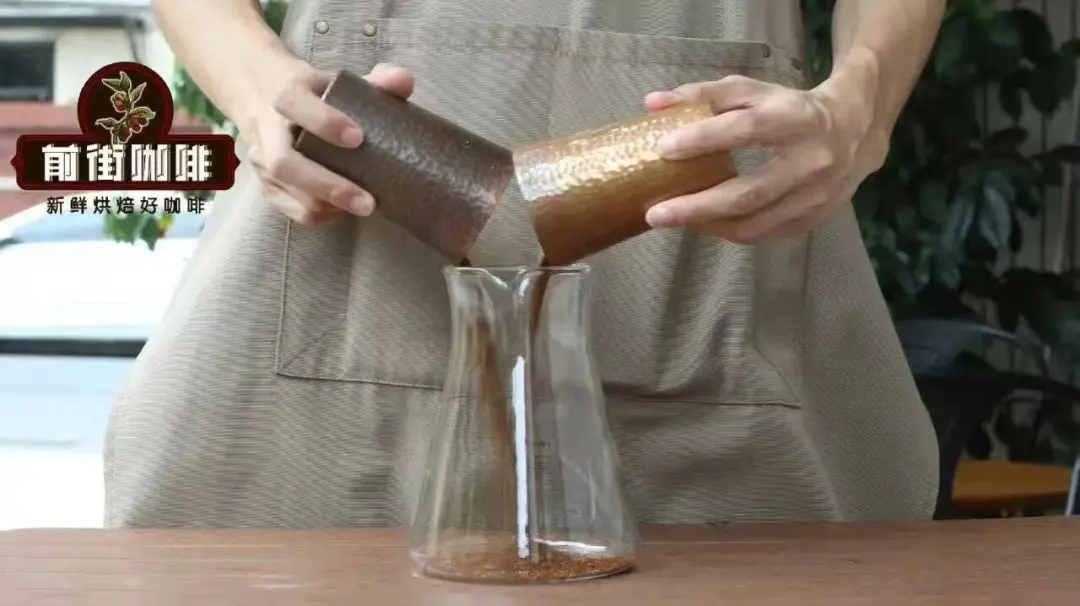
Lastly, here’s a practical cold brew recipe using a medium-light roasted natural process bean. Recommended parameters are as follows: a 1:10 coffee-to-water ratio, a 20-mesh sieve passing rate of 75%–80%, and an 8-hour steeping time.
Here’s a quick breakdown of the steps: First, add the coffee grounds and cold water into a clean, lidded sealed container—preferably a glass jar or a dedicated cold brew bottle. Second, gently stir to mix evenly, seal the container, and refrigerate. After about 8 hours of steeping, remove the mixture and filter the coffee liquid using a cloth, paper filter, or mesh strainer. Optionally, let the filtered coffee chill in the fridge for a few more hours to allow flavors to further meld. Finally, enjoy a cool and smooth cup of cold brew.
The above content is compiled by CoffeeHunters, a coffee news website.


