







Category: Coffee Knowledge
The Global Journey of Typica Coffee: From Ethiopia to Yunnan — What’s the Connection Between Blue Mountain and Yunnan Typica?
As one of the oldest varieties of Arabica coffee, Typica is the ancestor of most modern Arabica coffees worldwide. From its origin in Ethiopia to crossing oceans and taking root in Indonesia, the Caribbean, and even South America, Typica has shaped the landscape of the global coffee industry. This article takes you on a journey through the spread of Typica, analyzes whether Blue Mountain and Yunnan Typica share the same origins, and offers practical regional selection tips. [more…]
How to distinguish coffee aftertaste? The difference between lingering sweetness and aftertaste + 3 recommended practice beans
When drinking coffee, in addition to enjoying the aroma and savoring the flavor, the final aftertaste is actually a key part of the tasting experience. However, many people can't tell the difference between aftertaste and lingering sweetness, or even understand how it is formed. This article starts with retronasal olfaction, explains in detail the mechanism behind coffee aftertaste, clarifies the essential differences from lingering sweetness, and recommends three specialty coffee beans suitable for beginners to practice with, helping you better perceive the duration and aroma layers of aftertaste. [more…]
Practical Test on Freezing Coffee Beans: A Complete Guide to Shelf Life, Thawing Methods, and Flavor Retention
How should you store excess coffee beans to extend their freshness? What’s the difference between freezing and refrigeration? Do you need to thaw them after taking them out? This article presents an actual test analyzing the impact of freezing on coffee flavor, offering methods suitable for long-term storage—including sealed portioning, aging before freezing, and recommendations on whether or not to thaw—helping you maintain optimal flavor performance during pour over or extraction. [more…]
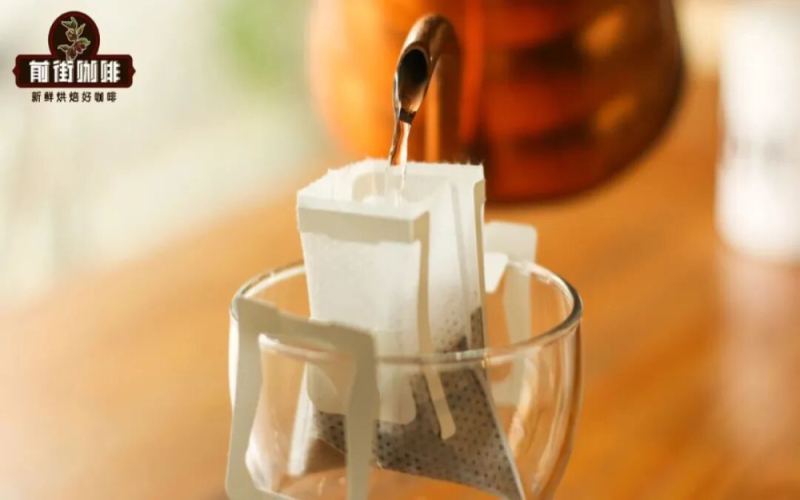
How to Brew a Latte-like Flavor with Drip Coffee Bags? 4 Espresso Techniques & Coffee Beans That Pair Well with Milk
Want to enjoy a latte-like rich milky flavor using just drip coffee bags? Although the concentration of black coffee made with drip bags is much lower than that of espresso, by adjusting brewing methods and techniques, you can actually create a “latte-like” cup with a full-bodied taste. This article will introduce four practical ways to enhance the concentration of your coffee liquid, including stirring, repeated extraction, direct milk brewing, and adding powdered milk. We’ll also recommend several medium-to-dark roasted coffee beans that pair well with milk—so you can enjoy a satisfying brew at home, in the office, or outdoors. [more…]
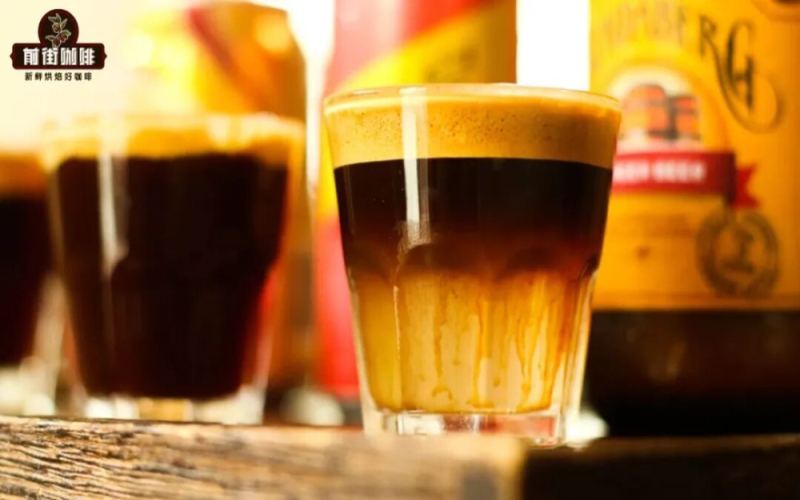
The Ultimate Guide to Bubbly Coffee Beverages: N Creative Espresso Pairings from Soda Water to Juice and Coconut Water
Combining espresso with carbonated drinks or fruit juices has become a popular coffee creativity trend in recent years. This article systematically compiles practical recipes for various bubbly coffee beverages — from the classic soda water iced Americano to fun mixes with cola and Sprite, and on to advanced creations featuring plum, fruits, and coconut water. Each drink’s powder-to-water ratio, extraction time, and flavor profile are detailed, along with bean variety recommendations, making it easy for you to recreate professional-level taste at home. [more…]
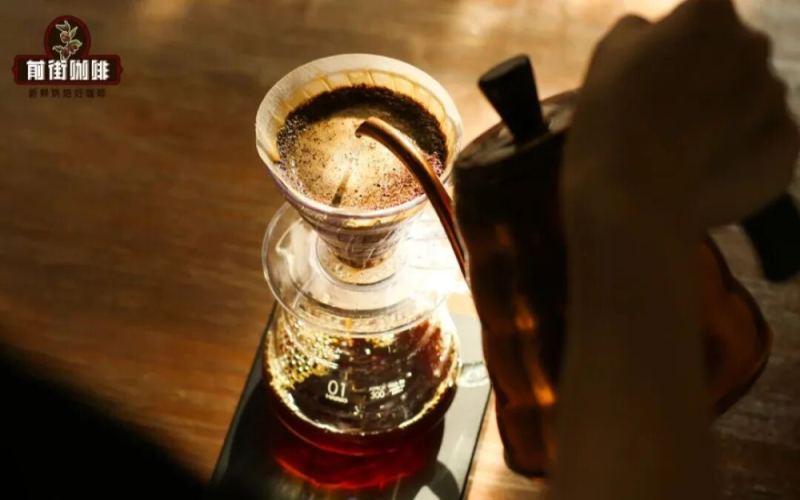
Analysis of Pour Over Flow Rate Changes: The Impact of Roasting, Processing, and Altitude, and How to Adjust
Have you noticed that under the same pour over settings, some coffees drip through quickly while others leave water pooled for a long time? This is actually closely related to the roast level, processing method, and growing altitude of the coffee. This article dives deep into how these three key factors affect flow rate, and offers practical grind size and technique adjustments tailored for anaerobic fermentation coffees, dark roasts, and high-altitude light roasts—helping you accurately master each bean’s optimal extraction rhythm. [more…]
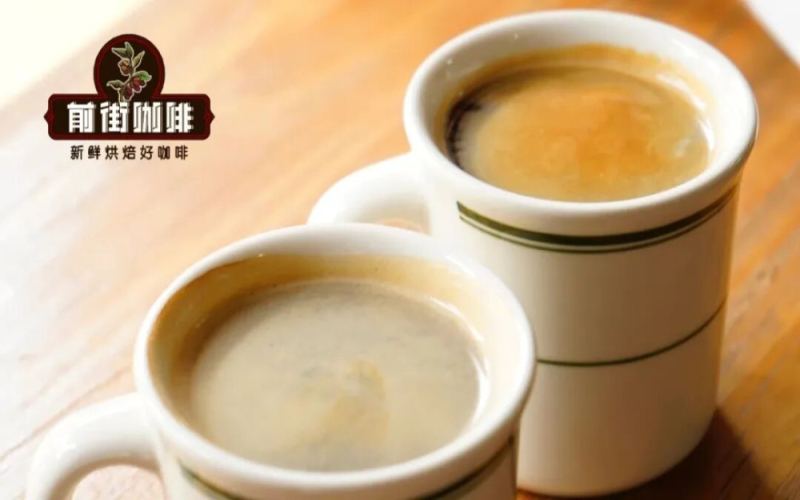
How to Choose the Ice Amount for Iced Americano? A Complete Guide to Four Concentration Ratios and Flavor Differences
When ordering an iced americano at a coffee shop, the common options of regular ice, less ice, no ice, and full ice may seem to differ only in the amount of ice, but they actually impact the coffee's concentration, aroma release, and drinking experience. This article, based on practical operation, takes you through the preparation logic, proportion distribution, and flavor characteristics of the four major ice versions, helping you find the most satisfying choice whether at home or on the go. [more…]
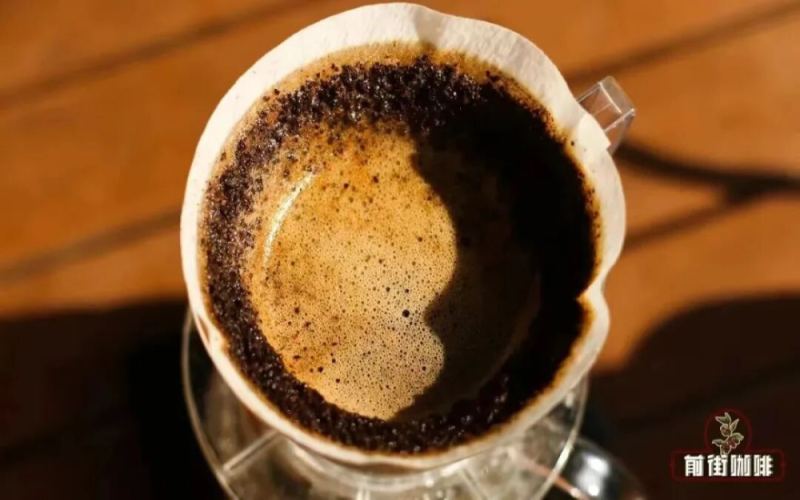
Pour Over Coffee Grind Bed Atlas: Analysis of 6 Abnormal Forms and Adjustment Techniques
The grind bed in pour over coffee is not just leftover coffee grounds—it’s a visual representation of extraction conditions. From the integrity of the coffee walls to the shape of the bed’s base, it reveals details about grind size, pouring technique, and water flow control. This article provides an in-depth analysis of six common abnormal grind bed forms, including muddy, sea salt-like, uneven, flat-bottomed, and layered beds, helping you identify issues from the appearance of the grind bed, adjust grind size and pouring methods, and improve pour over stability and flavor performance. [more…]

Is your cold brew too bitter or too acidic? Master 5 key adjustments to perfect extraction flavor
With its low acidity, smooth taste, and refreshing flavor profile, cold brew has become a popular choice in summer. However, many people making it at home often encounter issues such as overly bitter, too acidic, or unpleasantly textured coffee. This article analyzes the causes of over-extraction and under-extraction in cold brew through five key factors: grind size, steeping time, coffee bean roast level, and filtration methods. It also provides specific adjustment suggestions to help you precisely master low-temperature extraction techniques and brew a cold brew with distinct layers and a balanced acidity-bitterness profile. [more…]
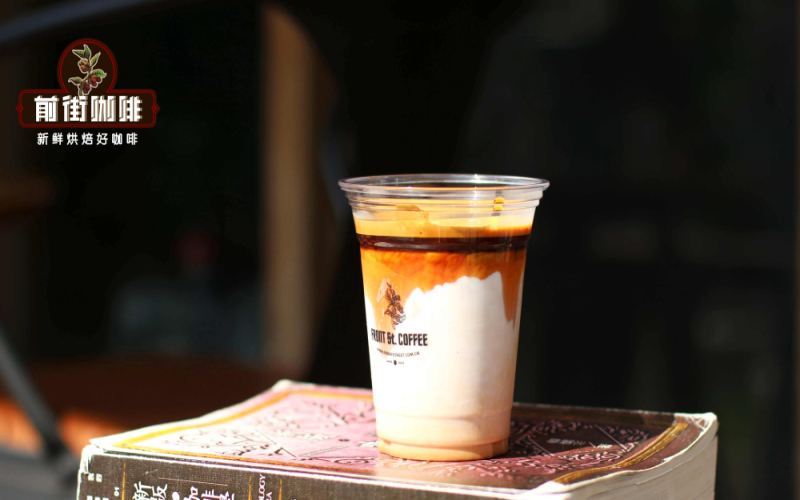
Is your latte lacking in flavor? A comprehensive guide to bean selection, extraction, and milk ratio
Have you ever wondered why your homemade latte always tastes more like “coffee-flavored milk,” lacking the richness and depth of a professional café’s version? This article will take you through a full breakdown of why your latte might not be hitting the mark—from espresso extraction principles, bean variety selection, freshness control, milk pairing techniques, to ratio adjustments. We’ll uncover the reasons behind an underwhelming latte and provide practical parameters and step-by-step suggestions so you can brew a café-quality, smooth latte at home. [more…]
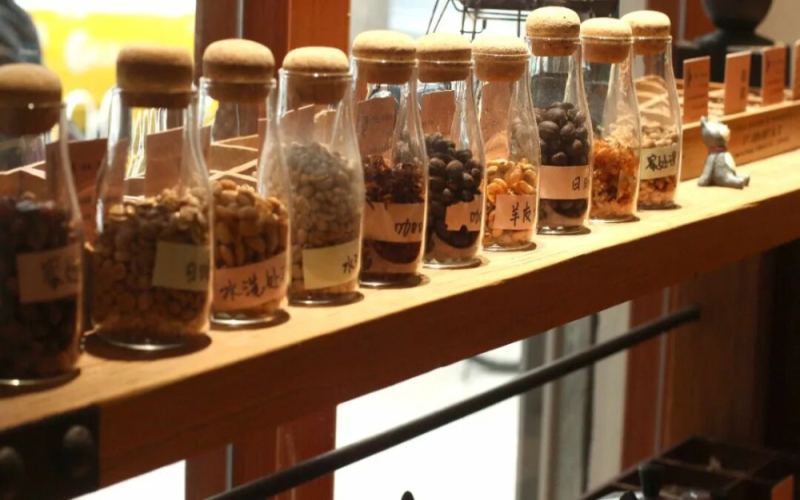
How to Determine the Best-By Date of Coffee Beans? Can Second Roasting Really Revive Aged Beans’ Aroma? Real Tests Reveal the Truth
Many coffee enthusiasts often face a dilemma: when coffee beans bought home have been stored for a while, their aroma fades or even disappears—can they still be consumed? Some even attempt to “revive” the flavor through second roasting. Is this method truly effective? This article delves into the flavor changes and degassing mechanisms of roasted coffee beans, and through real-world testing of both medium-light and medium-dark single-origin beans that have exceeded their best-by date, helps you understand the difference between the best-by date and shelf life. It also offers professional advice on how to properly store your coffee beans and avoid wasting good ones. [more…]
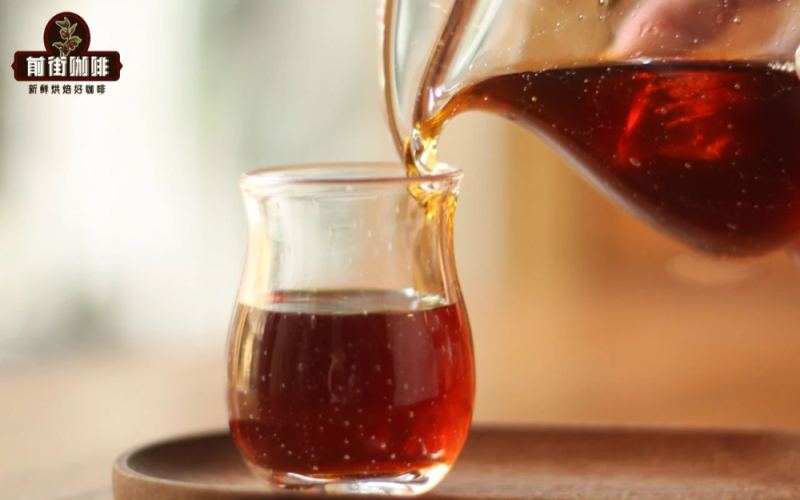
How to Choose the Roast Level of Coffee Beans? Analyzing the Key to Espresso Extraction: Crema and Flavor
To make an espresso with outstanding flavor, choosing coffee beans with the right roast level is crucial. Light, medium, and dark roast levels each have unique extraction characteristics and flavor profiles. This article will delve into how different roast levels affect the crema and taste of espresso, and explore why blended beans tend to produce richer crema, helping you master key techniques to elevate your coffee quality. [more…]
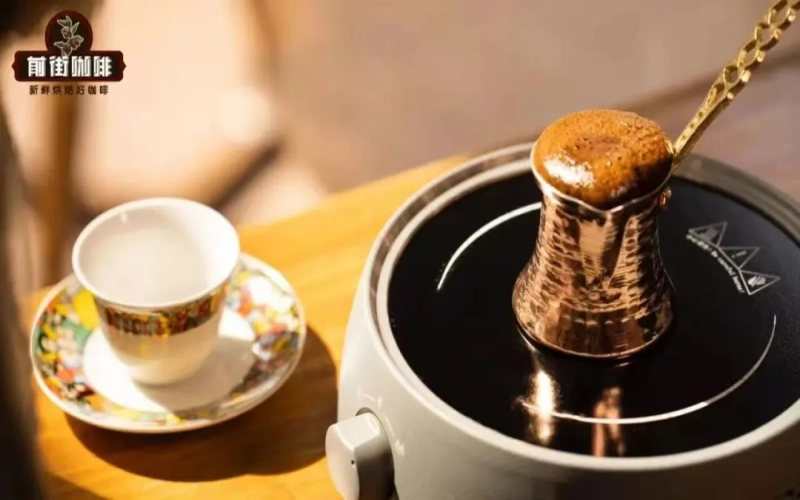
The Truth Behind Turkish Sand-Coffee Brewing: A Complete Guide to Techniques and Parameters
Turkish sand-coffee is renowned for its "bottomless cup" visual effect, which is actually a clever combination of the design of the Cezve copper pot and the segmented brewing method. This article delves into the principles, unique features of the equipment, and practical steps of this traditional brewing method, helping you understand why the coffee seems never-ending—and how to brew rich-flavored, sediment-free Turkish coffee through proper grind size and heat control. [more…]
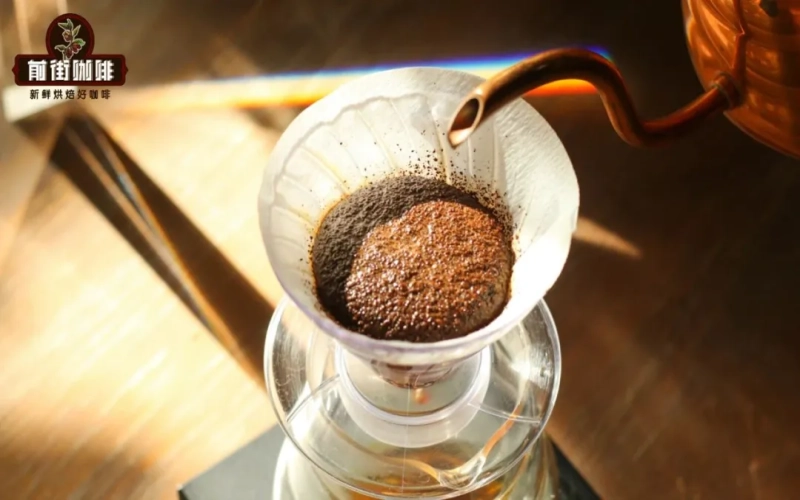
How does the thickness and shape of the pour over coffee bed affect extraction? Analyzing the differences between the V60 and flat-bottomed filters
The morphology of the pour over coffee bed is often overlooked, yet it has a decisive impact on flavor. This article delves into how the thickness and shape of the coffee bed alter extraction efficiency and the layering of flavors. By comparing actual brewing examples using a V60 conical filter and a flat-bottomed filter, we help you master the tricks of choosing the right coffee dosage and filter combination to brew coffee that is either more balanced or more layered. [more…]
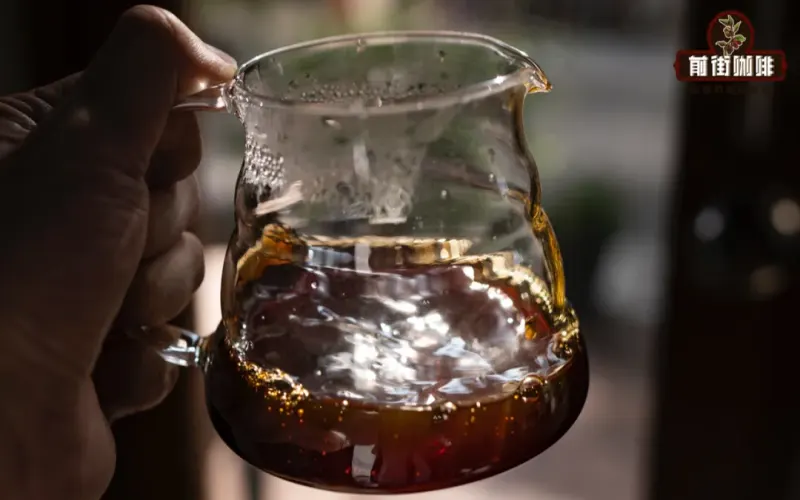
Weak aroma and light flavor in pour over coffee? Practical tips to adjust concentration and extraction rate
Why does the same coffee bean always end up with weak aroma and thin taste when brewed at home? The issue often lies in two key factors: concentration and extraction rate. By optimizing the coffee-to-water ratio, water temperature, and grind size, you can significantly improve the aroma and complexity of your coffee. This article provides an in-depth analysis of the characteristics of light and dark roasted beans, along with two practical brewing parameter sets to guide you step-by-step in brewing pour over coffee with rich flavors. [more…]

How to Drink Pour Over Coffee with Milk? A Guide to High-Concentration Extraction Parameters and Flavor Blending
Is pour over coffee only meant to be sipped black? In fact, adding milk can also bring out unique flavors. This article explains in detail how to adjust the coffee-to-water ratio, grind size, and water temperature to extract a high-concentration pour over base using dark roasted beans, then scientifically mix it with milk to create a silky-smooth, layered milk coffee. It provides complete parameter settings, step-by-step pouring techniques, and flavor evaluations to help you easily recreate professional-level pour over milk coffee at home. [more…]
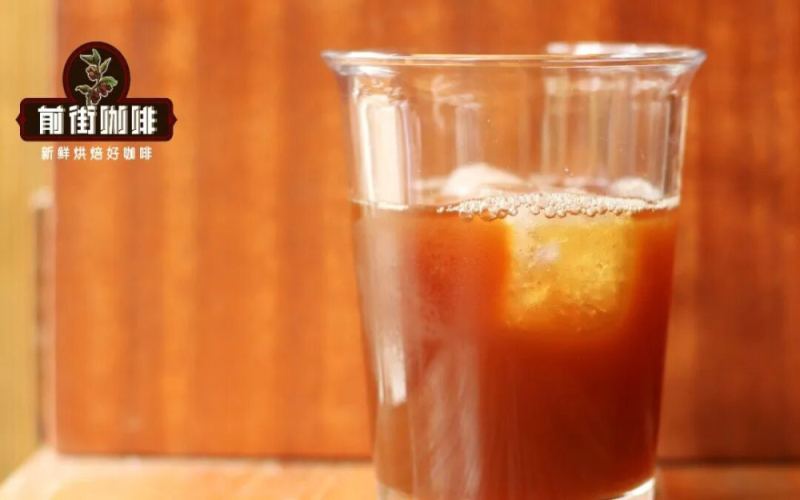
How to Make Cold Brew Coffee with a Plastic Water Bottle: Full Guide on Coffee-to-Water Ratio, Bean Selection & 6-Step Practical Method
Don’t want to spend money on a cold brew maker but still hope to easily brew a refreshing cup of cold brew at home? An ordinary plastic water bottle can do the job too. This article explains in detail how to use a regular water bottle to make cold brew coffee—from choosing the right coffee-to-water ratio, grind size, and steeping time, to recommended coffee beans and practical tips to enhance flavor—we’ll guide you step-by-step through the key parameters. We also demonstrate the full operation process using a 300ml bottle along with an actual bean selection, so even coffee beginners can quickly get started and enjoy high value-for-money refreshment this summer. [more…]
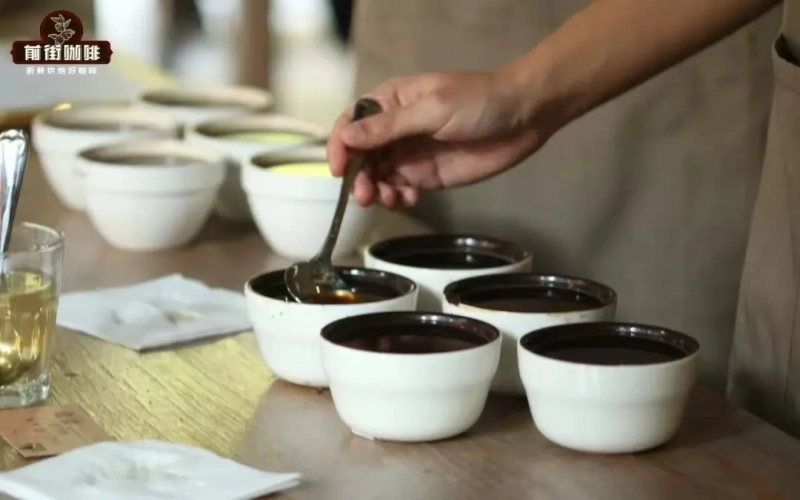
The Ultimate Guide to Specialty Coffee Cupping: Master Professional Tasting Skills from Dry Aroma to Aftertaste
Want to delve deeper into the flavor characteristics of specialty coffee but unsure about the cupping process? This article provides a detailed breakdown of the four core elements of cupping: from observing the appearance of coffee beans, sniffing the dry and wet aromas, to actually tasting and analyzing the flavor profile—paired with step-by-step demonstrations to help you gradually master professional cupping techniques. It not only introduces key points of sensory scoring but also offers practical advice for overcoming olfactory fatigue and difficulties in flavor identification, empowering coffee enthusiasts to confidently explore the diverse layers of coffee flavors. [more…]

Beginner’s Guide: How to Adjust Pour Over Parameters Based on Roast Level and Bean Density
Got a new bag of coffee beans you’ve never tried before but not sure how to set your pour over parameters? In fact, just by observing the roast level and bean density, you can deduce the most suitable brewing method, and accordingly set the right water temperature, grind size, and coffee-to-water ratio. This guide will walk you through analyzing the characteristics of light and dark roast beans from their appearance and flavor descriptions, along with practical examples, to provide instantly usable pour over parameter suggestions—so even beginners can confidently brew a great cup. [more…]
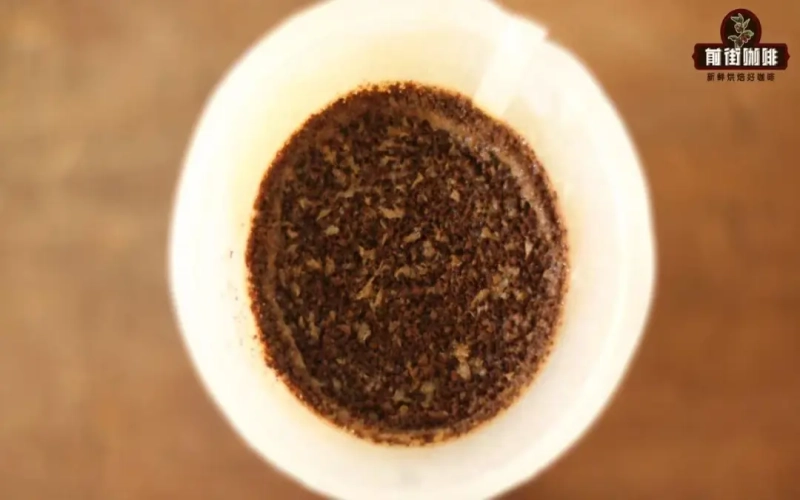
The Truth About Flat Pour Over Coffee Beds: 3 Tips to Create a Beautiful Deep Pit and Improve Extraction
Many beginners believe that the deeper and more even the pour over coffee bed, the better the flavor. However, the shape of the coffee bed mainly reflects your pouring technique and has no absolute correlation with taste. This article delves into the common reasons behind flat coffee beds, debunks the beginner’s misconception that “a pretty coffee pit = great-tasting coffee,” and shares three practical tips: controlling water flow rate, focusing the pouring position, and selecting beans with the right roast level. Learn how to consistently create a deep and symmetrical coffee bed at home to enhance overall extraction. [more…]