







Introduction:Do you often find that your pour over coffee looks clear and oil-free, lacking that attractive glossy layer of crema? This is actually related to the type of filter paper you're using. This article delves into how different filtration materials—such as paper filters, non-woven fabric, and flannel—affect coffee oils, and provides practical advice on adjusting grind size and water temperature to help you brew pour over coffee at home with rich aroma and a full-bodied mouthfeel.
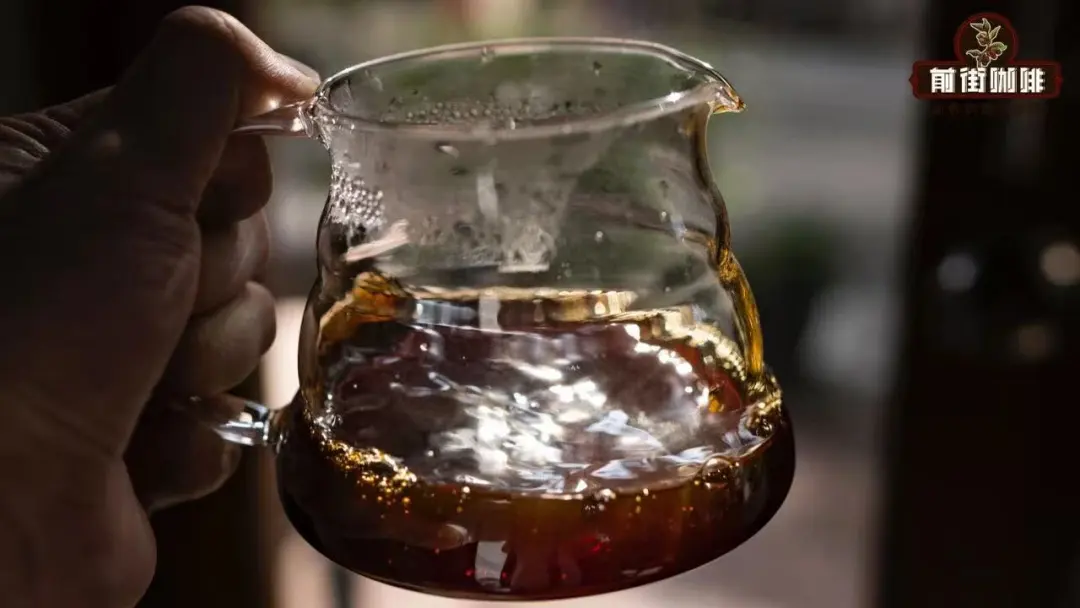
Many pour over enthusiasts have noticed that the surface of their brewed coffee rarely shows that delicate layer of oils. This is closely tied to the commonly used paper filters. These filters have very high filtration capabilities, effectively trapping oily components in the coffee, resulting in a clean and transparent brew—but at the cost of some aromatic richness and body.
Coffee oils (a crema-like layer) are rich in oil-soluble aromatic compounds, which can significantly enhance the coffee’s body and aftertaste, making it taste fuller and more layered. If you often find your home-brewed pour over tasting a bit flat, consider changing your filter material or adjusting your brewing method to unlock the coffee’s full flavor potential.
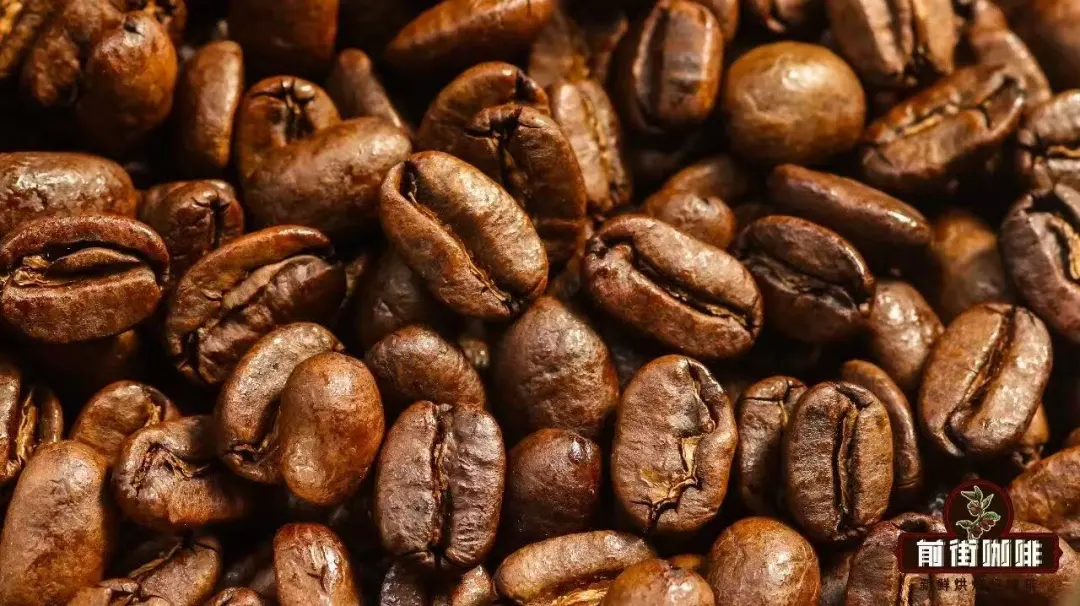
Among common brewing devices, methods like French press and siphon often produce coffee with visible oils on the surface, especially when using dark roast beans. This oily layer not only adds visual appeal but also plays a key role in aroma and taste. Oil-soluble aromatic molecules cling to the oils, slowing down evaporation and making the coffee’s fragrance last longer, while also softening acidity for a smoother overall mouthfeel.
However, pour over coffee typically uses high-density paper filters with excellent filtration, which trap most of the oils on the filter, leaving the brewed coffee looking clean but missing that captivating oily sheen. This is also why many people notice a significant difference in flavor when switching brewing methods—not just in body, but also in the concentration of aroma.
If you want to retain more oils in your pour over, consider switching your filter material. Options like non-woven fabric filters, flannel cloths, or even metal filters have larger pores than traditional paper filters, allowing more oils to pass through into your cup. However, changing the filter material will also alter the extraction environment, so you’ll need to adjust grind size or water temperature accordingly to avoid under-extraction caused by faster flow rates, which could throw off the balance of flavors.
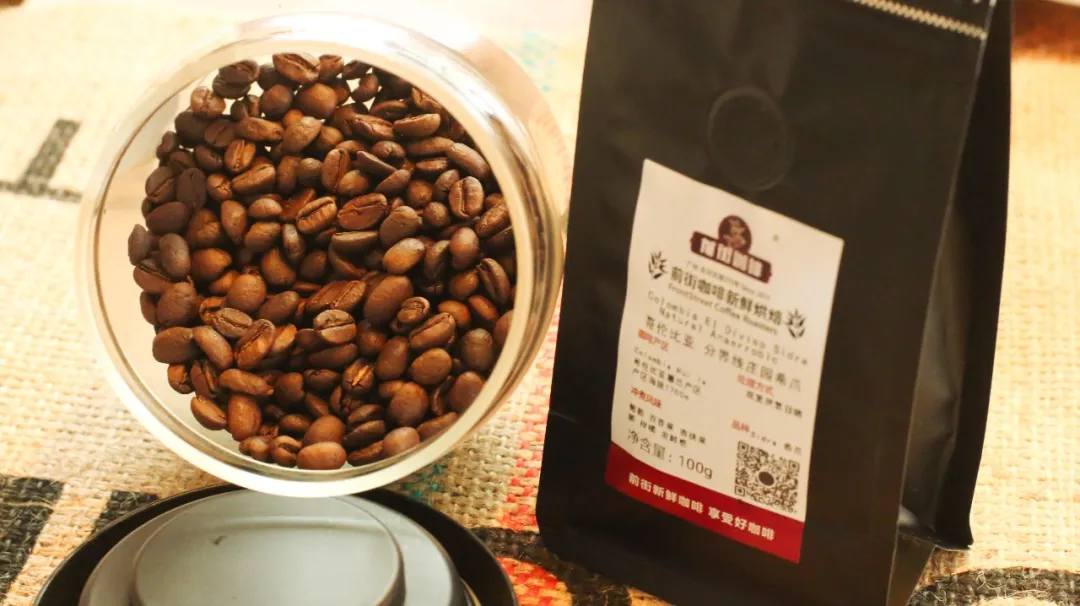
Below is a real-world pour over example to help readers better understand how to adjust brewing strategies using different filter materials at home. The coffee bean used in this case is an anaerobically processed medium-light roast with distinct fruit notes, suitable for various brewing methods including pour over, cold brew, and espresso—making it ideal for showcasing how different filters impact flavor.
When using a standard paper filter, the recommended parameters are as follows: 15 grams of coffee, a 1:15 coffee-to-water ratio, a grind size with 75%–80% extraction through a #20 sieve (equivalent to a medium-fine grind), water temperature around 92°C, and a three-stage pouring technique, with a total brew time of about 2 minutes. Under these parameters, the resulting coffee exhibits fresh fruity notes such as purple grape, apricot, and passionfruit, along with delicate floral aromas and a hint of fermented wine notes. The overall profile is clean, well-layered, and has a long, pleasant aftertaste—perfect for those who prefer a bright and refreshing cup.
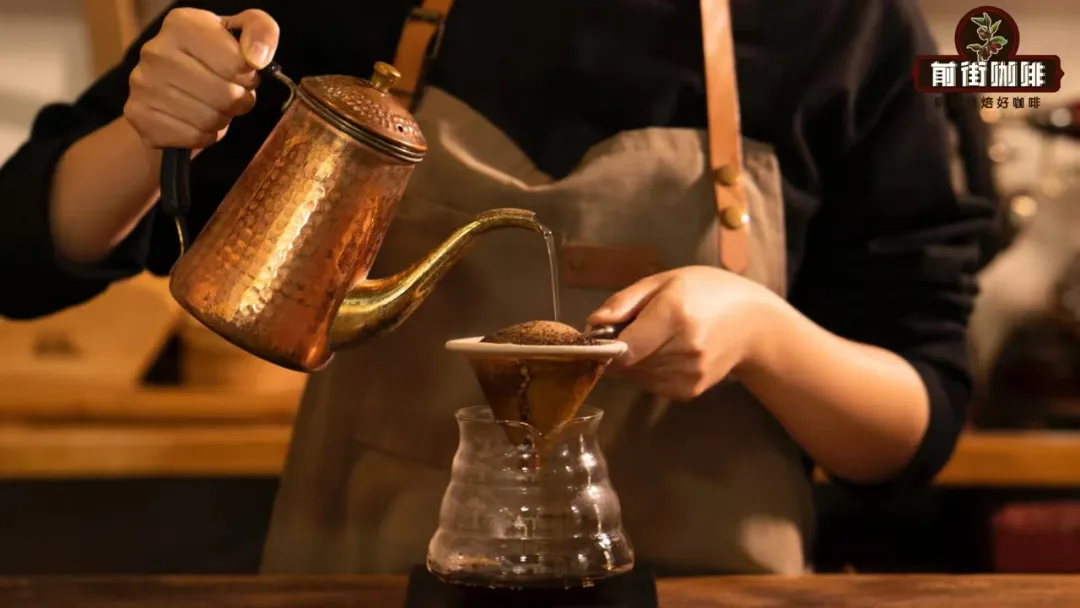
When switching to a non-woven fabric filter, however, the larger pores result in a noticeably faster flow rate, so it’s recommended to adjust the grind size slightly finer than usual—or increase the water temperature by 1–2°C—to maintain stable extraction efficiency and avoid under-extraction issues such as excessive acidity or thinness.
If you’re using a V60 or similar filter cone with flow-directing ribs, it’s advisable to fully wet the non-woven filter paper with hot water before brewing. This not only preheats the cone but also helps the filter adhere better to the walls, reducing paper odors and stabilizing the flow rate. Then proceed with a three-stage pouring method: start with a 30-second bloom using twice the coffee’s weight in water to activate aroma release; follow with a medium stream poured in a wide circle to add about 120 ml of hot water; once the water has fully drained, switch to a slow, small circle pour to add the remaining 75 ml; finally, let the coffee drip through completely.
With these adjustments, coffee brewed using a non-woven fabric filter will develop a faint oily layer on the surface, along with noticeable improvements in both flavor and aroma. While the oily layer may not be as pronounced as with a French press, you’ll clearly taste enhanced body, more concentrated fruitiness, and a rounder finish. Compared to paper filters, the flavor profile remains largely the same, but the overall texture becomes richer—especially appealing to coffee lovers who enjoy fruity profiles and a fuller mouthfeel.
In summary, while pour over coffee is known for its clean and bright character, if you’re aiming for a brew with more aromatic depth and a fuller body, consider starting with your filter material. Non-woven fabric, flannel, or metal filters are all great options—as long as you remember to adjust your grind size and water temperature accordingly to prevent under-extraction. This way, you can brew a refined pour over coffee that balances oily richness with delicate layers. Especially for dark roasts, the presence of oils can highlight their sweetness and low acidity—definitely worth a try for dark roast enthusiasts.
The above content is compiled by CoffeeHunters, a coffee news website.


