







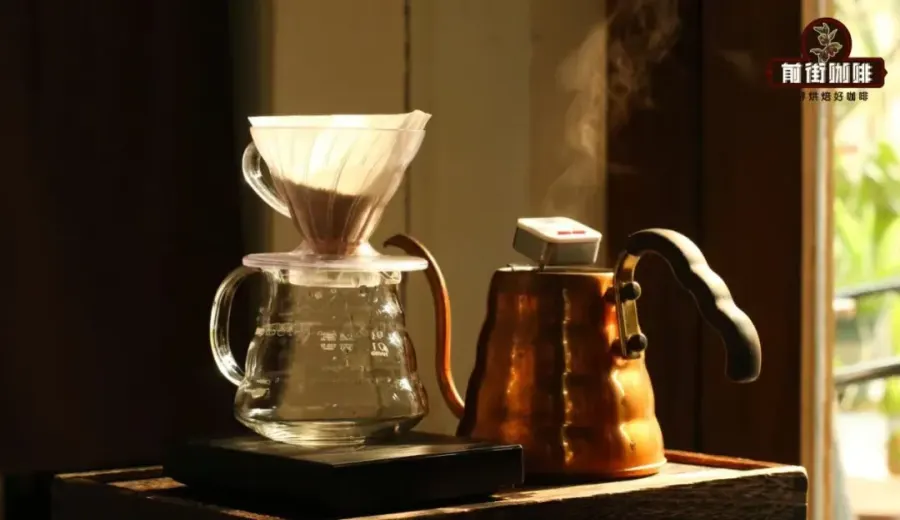
Introduction:Many coffee enthusiasts wonder whether Italian-style blend beans are suitable for pour over or cold brew, and the answer is yes—but extraction parameters need to be adjusted. This article delves into the key techniques for using dark roasted coffee beans in pour over and cold brew applications, including practical settings such as grind size, water temperature, and brew ratio, and shares how to avoid over-extraction risks, helping you uncover the multifaceted flavor potential of Italian-style beans.
Pour over coffee and espresso often present distinctly different flavor profiles due to differences in extraction principles and equipment: the former is clean and bright, while the latter is rich and bold. Many coffee lovers experiment across methods, such as using Italian-style blends for pour over or pour over beans for espresso. In fact, as long as the appropriate parameters are adjusted, these experiments are feasible. However, since Italian-style beans are usually roasted darker, directly applying pour over parameters can easily lead to over-extraction, so special attention must be paid to grind size and water temperature control.
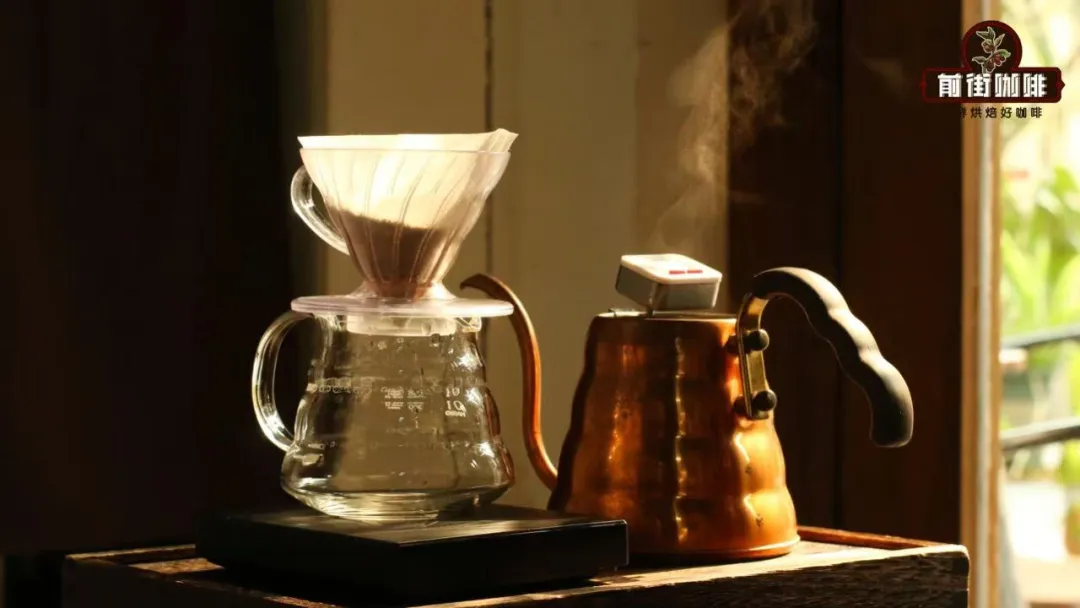
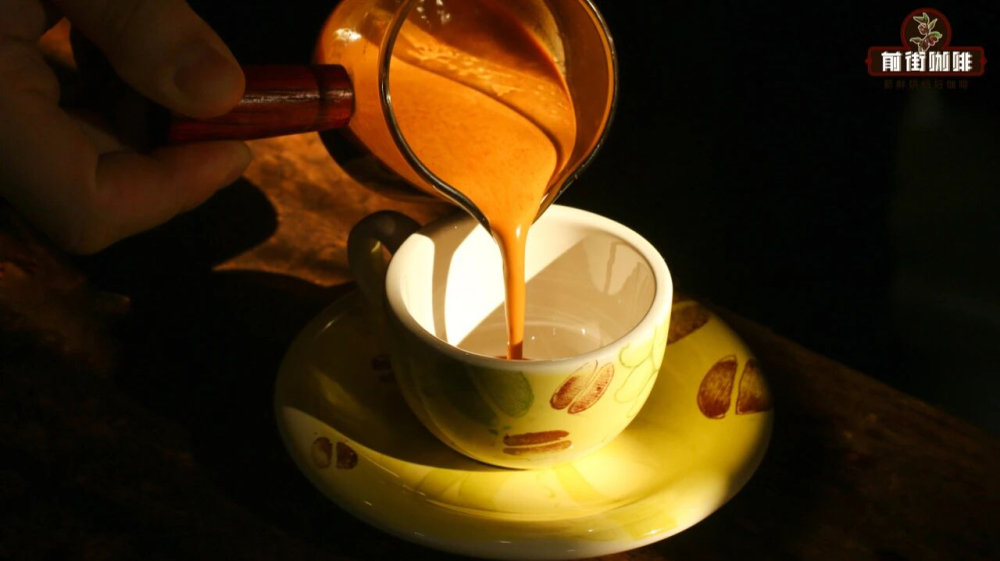
The differences between pour over and espresso mainly stem from the extraction methods and filtration systems. Pour over uses paper filters, resulting in a clean and transparent mouthfeel; espresso, on the other hand, uses high pressure to extract a concentrated shot, typically paired with milk, emphasizing body and sweetness. As a result, the two methods have different tendencies in bean selection and roast levels: pour over beans are mostly light to medium roast to preserve floral and fruity acidity and subtle details; Italian-style beans are often medium to dark roast, using high-temperature roasting to reduce acidity and develop flavors like caramel and chocolate.
If the Italian-style blend beans you have are roasted on the darker side, you’ll need to adjust parameters when using them for pour over to suppress over-extraction. The focus is on lowering the water temperature, extending brew time, or adjusting to a coarser grind—among whichgrind size and water temperaturehave the most significant impact on extraction flavor. With appropriate adjustments, dark roasted beans can also showcase rich sweetness and deep aromas, making them not only suitable for pour over but also for cold brew, allowing you to explore different flavor layers.
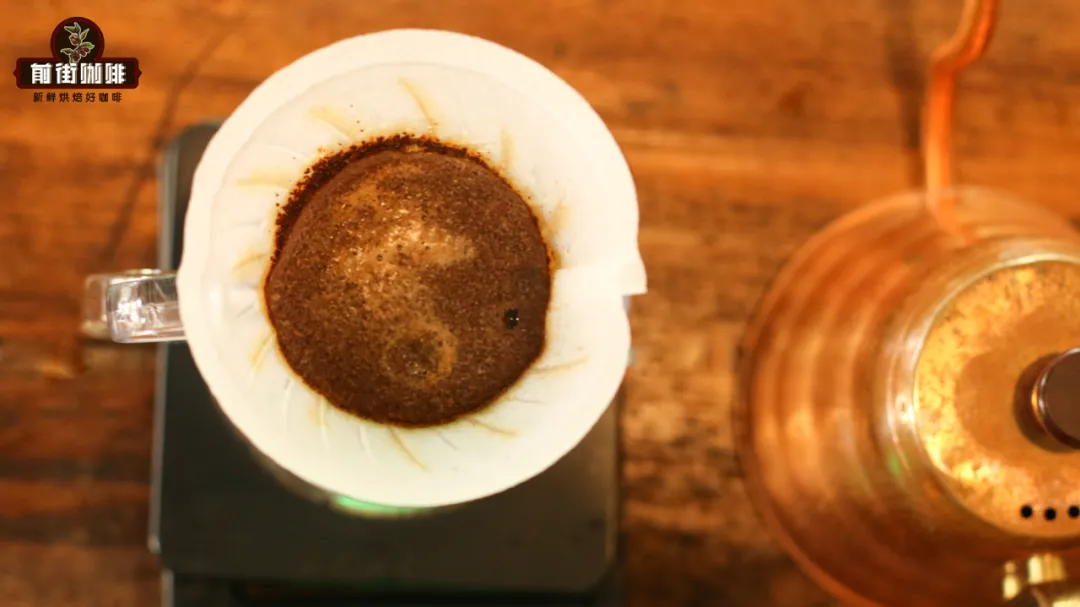
When using dark roasted Italian-style blend beans for pour over, it’s recommended to start with the following basic parameters: the grind size can be adjusted to be close to that of a French press, about 70%–75% passing through a #20 sieve, equivalent to a medium-coarse grind; the water temperature is recommended to be lowered to around 88°Cto avoid high temperatures exacerbating the release of bitter substances. The brew ratio can be maintained at 1:15, for example, 15 grams of coffee grounds to 225 milliliters of water, and a brewer that stabilizes flow rate, such as a Kono filter, can be chosen. Use a three-pour method, with the total extraction time controlled at around 2 minutes.
This parameter combination can effectively reduce the risk of over-extraction, allowing dark roasted beans to exhibit low acidity and a full-bodied base, while retaining caramel, creamy, and subtle fruity notes. In practice, you can fine-tune the water temperature and grind coarseness according to personal taste preferences—for example, those who prefer a cleaner taste can lower the water temperature further to 86°C or adjust to an even coarser grind.
If using the same Italian-style blend beans for cold brew, it is recommended to continue with a similar medium-coarse grind, but adjust the brew ratio to achieve a richer expression. Generally, cold brew can use a 1:12 brew ratio, such as 20 grams of coffee to 240 milliliters of water. If you plan to dilute with ice, you can increase it to 1:10 to ensure the final flavor is full-bodied. After mixing the coffee grounds with cold water, let it steep for 8 to 12 hours. Once steeping is complete, filter through paper or cloth, then place in a sealed container and refrigerate for at least 4 hours to allow the flavors to meld.
During the cold brew process, the deep aromas and sweetness of the dark roasted beans become more concentrated, and the long steeping time reveals a rich and smooth mouthfeel. The acidity is not prominent, yet it carries gentle notes of chocolate, caramel, and blackberry. This method is especially suitable for summer drinking and can also serve as a base for preparing iced coffee.
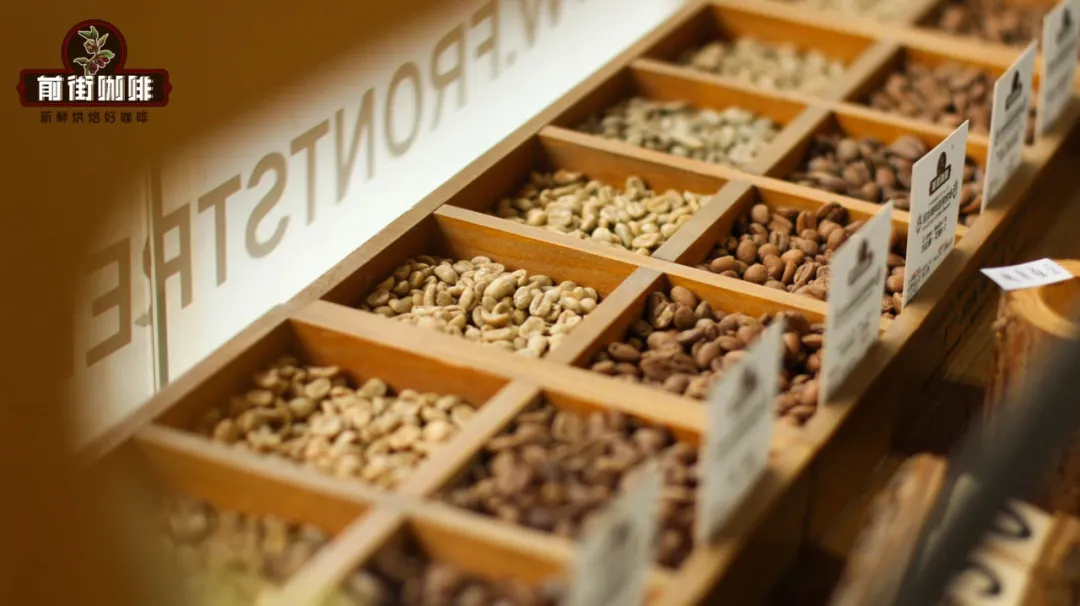
Overall, Italian-style blend beans are not only for espresso or milk-based coffee—if you master the correct extraction parameters, they are also suitable for pour over and cold brew. The key is to flexibly adjust grind size, water temperature, and brew ratio based on the roast level of the beans to avoid over-extraction or flavor imbalance. Whether you’re pursuing sweetness, a full-bodied base, or exploring the performance of different extraction methods, dark roasted Italian-style beans can bring unexpected surprises.
The above content is compiled by CoffeeHunters, a coffee news website.


