







Introduction:Many pour over coffee enthusiasts often wonder: should you preheat your coffee cup and brewing tools before brewing? Temperature changes not only affect how quickly the coffee cools down, but also alter how your taste buds perceive flavors. Through practical testing, this article analyzes the differences between preheated and non-preheated cups and brewers, using a bright and fruity Geisha bean as an example to show you how aroma and flavor layers vary at different temperatures—helping you find the brewing method that suits you best.
Whether or not to preheat coffee cups and brewers has always been a hotly debated topic in the world of pour over coffee. Some coffee lovers insist that preheating helps maintain coffee temperature, extending the golden period for tasting; while others believe that using room-temperature cups allows the taste buds to more accurately capture the full profile of the coffee. In reality, it’s not just about temperature control—it also involves the subtle interplay between taste sensitivity and the overall tasting experience.
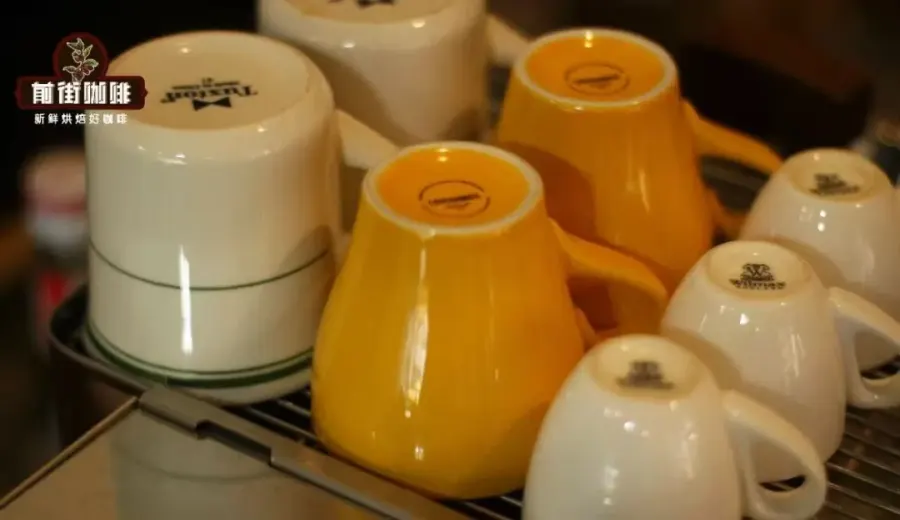
Preheated cups and brewers, already holding some heat, can reduce the loss of coffee heat, significantly slowing down the rate at which the coffee cools. In contrast, non-preheated cups quickly draw heat from the coffee, causing it to cool rapidly. This temperature difference not only affects the mouthfeel of the coffee but may also alter your judgment of its flavors.
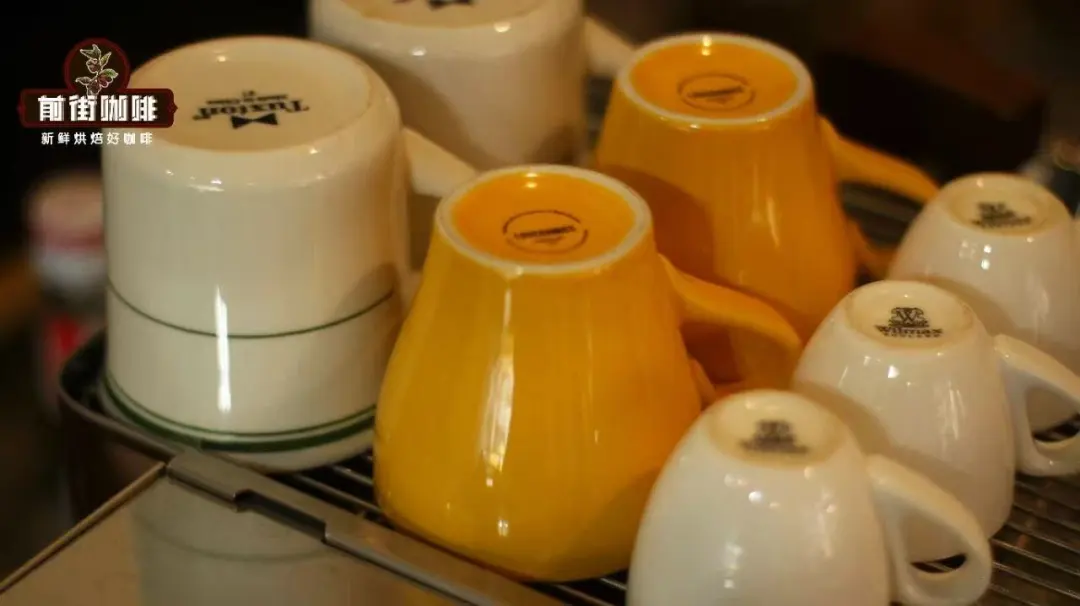
Recently, more and more coffee enthusiasts have begun to question the necessity of the traditional practice of warming cups. They’ve found that using room-temperature cups not only helps the coffee reach a suitable drinking temperature more quickly, but also avoids the interference of high temperatures on the taste buds, resulting in a more balanced acidity, sweetness, and aroma. But is there any basis for this view?
The key lies in how sensitive our taste buds are to different temperatures. When coffee is too hot or too cold, our ability to discern flavors decreases—especially sweetness, which tends to stand out, while acidity and bitterness become less noticeable. When the temperature drops closer to room temperature, the taste buds can more clearly detect the multi-layered flavors of the coffee, including delicate fruit acidity, floral notes, and aftertaste.

This is also why using non-preheated cups allows the coffee, once cooled to a drinkable temperature, to present a more complete flavor profile. Especially if you don’t want high temperatures to blur your taste judgment, room-temperature cups can let you experience the true character of the coffee more directly.
For example, a certain brand’s boundary-line Geisha is a well-balanced, fruit-forward pour over bean, suitable for extraction via pour over. Common parameters include 15 grams of coffee grounds, a 1:15 coffee-to-water ratio, 20-mesh sieve with 75%~80% filtration rate, water temperature of 92°C, and an extraction time of about 2 minutes. Under these conditions, preheated and non-preheated cups will deliver vastly different tasting experiences.
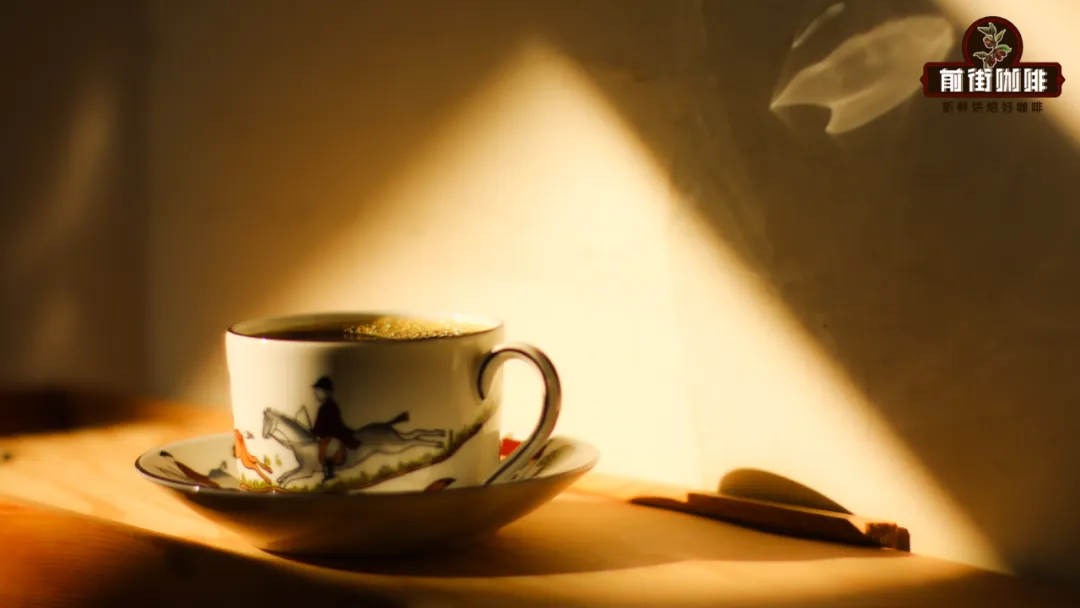
When using preheated cups and brewers, the coffee liquid temperature is around 70°C. Although the aroma is bold, the relatively high temperature tends to make the taste buds focus only on the sweetness, with acidity and bitterness less noticeable, resulting in a flatter overall flavor layer. In this case, waiting for the coffee to cool will gradually unveil its flavors.
Conversely, if the cups and brewers are not preheated, the coffee liquid temperature will drop to around 60°C, which falls within a more suitable drinking temperature range. At this point, the coffee not only feels smoother on the palate, but also presents clearer fruity acidity and sweetness—such as grape, apricot, passion fruit—as well as delicate floral notes. The mouthfeel is rich and the layers are distinct, allowing you to fully appreciate its depth of flavor without even needing to sip slowly.
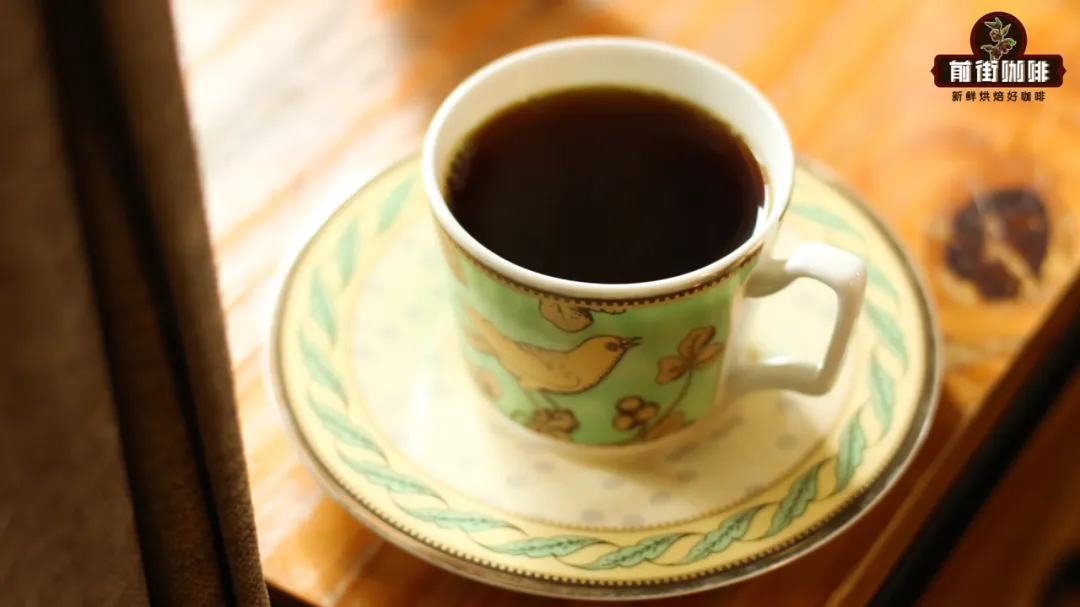
Based on the comprehensive test results, both preheated and non-preheated cups have their advantages. If you want to extend the coffee’s warmth in a cold environment, or prefer to savor the aroma in a hot state, preheated cups are the better choice. But if you want to experience the coffee’s most authentic and balanced flavors right from the start, non-preheated cups provide a more direct taste experience.
Ultimately, whether or not to preheat should be flexibly adjusted based on the tasting effect you’re aiming for and the actual situation, helping you find your own optimal balance.
The above content is compiled by CoffeeHunters, a coffee news website.


