







Category: Coffee Knowledge
How to place ice cubes in iced pour-over coffee? A complete guide to Japanese flash-chilling parameters and flavor techniques
Want to brew a cup of iced pour-over coffee with bright flavors and without excessive dilution? The key lies in selecting the right ice cubes and controlling their proportion. This article delves into the actual role of ice cubes in iced pour-over brewing—from material selection and quantity calculation to a detailed walkthrough of the Japanese flash-chilling method, including parameter settings, supplemented by an example of high-concentration extraction—to help you master the brewing secrets of a refreshing, rich, yet layered cup. [more…]
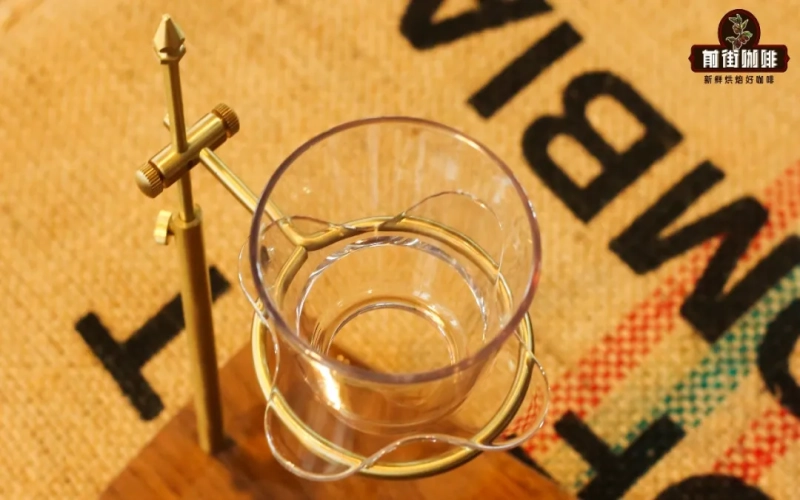
Flat-Bottom Dripper vs V60 Pour Over Guide | Practical Brewing Parameters for Large-Bottom-Hole Drippers
The flavor of pour over coffee is closely related to dripper design. Flat-bottom drippers and V60 conical drippers each have their own extraction characteristics, while large-bottom-hole flat-bottom drippers combine the advantages of immersion and drip brewing, making them suitable for coffee enthusiasts with different preferences. This article provides an in-depth analysis of the coffee bed structure, water flow speed, and extraction flavor differences among three types of drippers. It also demonstrates parameter adjustments and pour over techniques for large-bottom-hole drippers using actual coffee beans, helping you find the most suitable brewing method. [more…]

How to choose between Mandheling and Golden Mandheling? A complete guide to Indonesian beans' flavor profiles and pour over techniques
Mandheling and Golden Mandheling from Sumatra, Indonesia often confuse coffee enthusiasts. Though they share the same origin, their flavors are distinctly different. This article delves into how differences in altitude and the wet-hulling process affect taste, helping you distinguish the classic bold, smoky notes of Mandheling from the bright, citrusy layers of Golden Mandheling. It also includes expert-level pour over parameter recommendations. Whether you're a beginner or a precision brewing enthusiast, you'll find the right bean selection and brewing tips for your style. [more…]
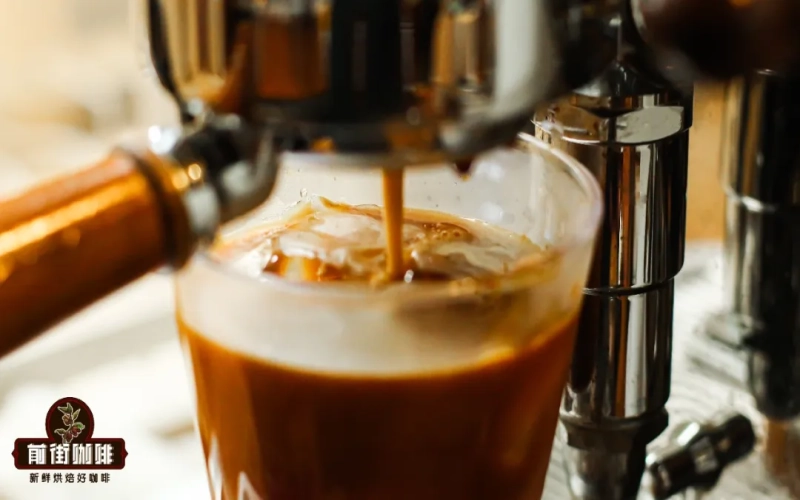
Cracking the Espresso Grind Adjustment Challenge: Crafting the Perfect Milk Coffee Base Through Flow Rate and Flavor
Are your home-brewed espressos always too fast or lacking in flavor? It’s likely an issue with your grind size. This article will guide you through how to quickly diagnose and adjust your grind fineness using two key parameters—“1:2 coffee-to-water ratio” and “30-second extraction time”—to solve under-extraction and channeling issues. Build a rich and bold espresso base, and discover deep-roast blends perfect for milk coffee, helping you consistently pull professional-grade espresso shots. [more…]
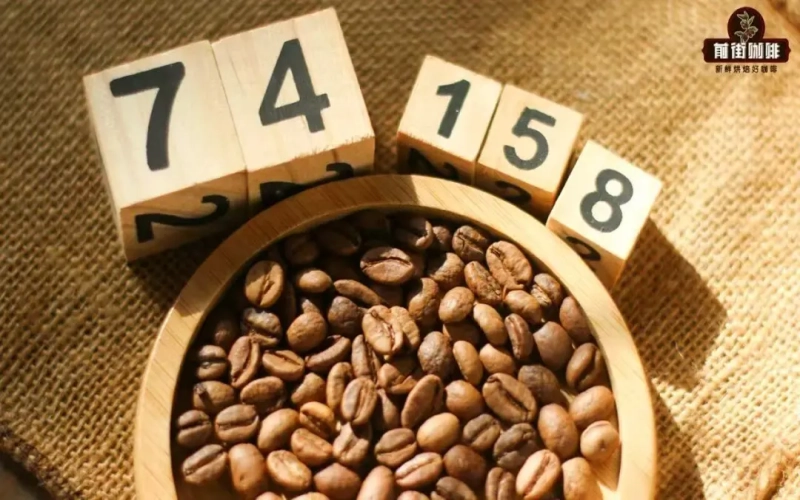
Analysis of Ethiopian Numbered Varieties such as 74158: Origins, Characteristics, and Flavor Comparison of Popular Beans
In recent years, Ethiopia has seen the emergence of several coffee varieties named with numerical codes, such as 74158 and 74110. These varieties have garnered significant market attention due to their excellent disease resistance, high yield, and captivating flavor profiles. This article will explore the origins and breeding background of these numbered varieties, and take an in-depth look at the regional characteristics and flavor profiles of two popular 74158 beans—ALO and Hamasho—helping you understand their unique charm in cupping. [more…]

Smart Cup Brew Guide: Post-Drip Method for Sweet and Balanced Coffee with Three Steps
Want to quickly brew a cup of coffee with balanced flavor and noticeable sweetness using a Smart Cup? This immersion brewing method, inspired by barista James Hoffman’s post-drip technique, only requires mastering three key steps: pre-infusing hot water, adding finely ground coffee, and a brief steeping period. By using water at 95°C and finely ground coffee that passes 90% through a #20 sieve, you can complete the brew in just three minutes. This article details practical parameters: 20 grams of coffee to 300 ml of water, using a 1:15 coffee-to-water ratio. [more…]

How long is ground coffee fresh? Essential grind storage time and preservation tips for pour over coffee
Many coffee enthusiasts face this issue: after grinding their beans, they let the coffee sit for a bit before brewing, only to find that the aroma has significantly diminished. This happens because ground coffee, with its greatly increased surface area, loses its aroma much faster than whole beans. This article dives deep into the differences in freshness between whole beans and ground coffee, reveals how long ground coffee can be stored before its flavor noticeably deteriorates, and offers expert advice along with practical storage methods to help you preserve the essence of every cup of pour over coffee. [more…]
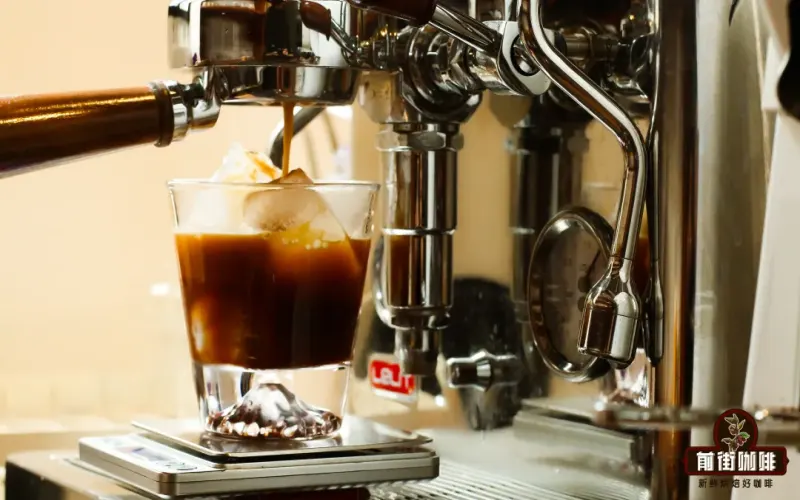
What to do if your home coffee grinder is too coarse? Quick-brew iced americano recipe & handpicked guide for medium-light roast beans
Have you encountered issues with your home espresso machine grinding too coarsely, resulting in under-extracted shots with flat flavors? This article teaches you how to adjust the coffee-to-water ratio and volume to brew a fully flavored long espresso using the "quick-brew" method, then add ice to create an iced americano that’s sweet and low in bitterness. It also features several carefully selected medium-light roast coffee beans, along with practical coffee-to-water ratios and flow rate references — even with a grinder of limited performance, you can easily brew flavorful iced americanos at home. [more…]

The Origins of Typica Coffee Beans & The Flavor Secrets of Jamaican Blue Mountain | A Guide to Coffee Variety Tracing
Did you know why Typica is hailed as the prototype of Arabica coffee? This article will delve into the origins, plant characteristics, and flavor traits of the Typica variety, and explore its significant role in the history of coffee trade. At the same time, we’ll also take you through the actual flavor profiles and roasting recommendations of two classic Typica coffees: Jamaican Blue Mountain No.1 and "2013", a release from a well-known Taiwanese roastery. This will help you gain a more comprehensive understanding of the charm of this classic variety. [more…]
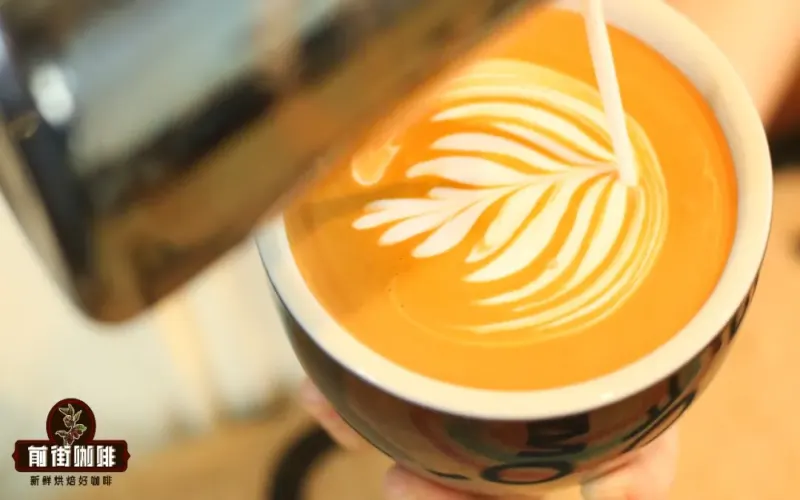
Espresso Latte Latte Art Techniques: Analyzing Crema Condition & Three Countermeasures
Pulling beautifully stable latte art isn’t just about skill—the condition of the espresso crema is also a key factor. This article delves into how the thickness and fineness of the crema affect latte art outcomes, and offers three practical adjustment techniques for common issues like overly thick or thin crema. These include removing excess crema, adjusting milk foam thickness, and refining the pre-infusion step to help coffee enthusiasts achieve exquisite latte art under various brewing conditions. [more…]
How to choose coffee beans for commercial, home, and competition use? Understand everything from roast profiles to suitable scenarios
Have you ever wondered why chain coffee shop drinks always have consistent flavors, while your home pour over results vary? In fact, it’s closely related to the classification of coffee bean usage. Although commercial, home, and competition-grade coffee beans all fall under the category of espresso roasts, they differ in blend design, roast level, and target flavor profiles. This article will delve into the core differences among the three and provide practical purchasing advice to help you select the most suitable coffee beans based on your needs. [more…]
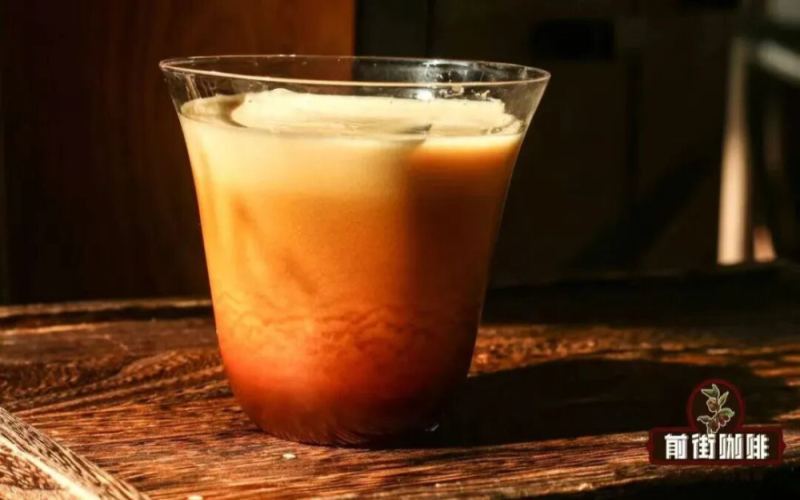
Complete Guide to Making an Espresso Depth Charge Coffee | Flavor & Technique Breakdown of the Sprite Sparkling Americano
Espresso depth charge coffee combines the refreshing fizz of carbonated drinks with the bold intensity of espresso, creating a specialty coffee that's both a visual and taste sensation. This guide uses Sprite as the base, paired with a classic Italian blend, and provides a detailed walkthrough of how to make a 'sparkling espresso bomb' — covering ingredients, preparation steps, and useful tips. Learn how to easily recreate this viral coffee at home, while also gaining insight into its unique flavor and mouthfeel. [more…]

Pour Over Coffee for Beginners: Mastering Water Temperature, Grind Size, and the Simplified One-Pour Extraction Technique
Many beginners focus too much on the pouring technique when making pour over coffee, but in fact, the key to brewing a delicious cup lies in proper extraction parameters. This article takes an in-depth look at how water temperature, grind size, and coffee-to-water ratio affect your brew, and introduces a simplified version of the one-pour brewing method. Using a flat-bottom or cone-shaped filter dripper, you can consistently extract well-balanced coffee with pronounced sweetness—no need for complicated pouring control. Even beginners can master it with ease. [more…]
Pour Over Coffee Flavoring Guide: Pairing Techniques and Flavor Impact of Mint, Honey, Osmanthus, and Salt
Want to add unique flavors to your pour over coffee but worried about disrupting its original layers? This article delves into the pairing logic of four popular flavoring agents—mint, honey, osmanthus, and salt. From suitable roast levels and addition ratios to flavor changes, it offers practical, actionable advice. Through specific examples, it shows how a small amount of seasoning can elevate your coffee experience, making it a useful reference for coffee enthusiasts looking to explore flavor variations. [more…]
01 V60 Pour Over with 30g of Coffee? Single-Serve Dripper High-Dose Brewing Parameters and Techniques
Worried about using 30g of coffee grounds in a single-serve 01 V60 dripper and ending up with an extraction failure due to excessive dose? This article dives deep into how you can successfully brew a high-dose pour over using a small single-serve dripper by adjusting grind size, employing a multi-pour water addition method, and fine-tuning water temperature. From tested coffee-to-water ratios and extraction times to flavor profiles, we provide detailed operational suggestions to help you master high-dose brewing strategies with a single-serve dripper. [more…]
Complete Guide to Pour Over & Espresso Recipes for Ethiopian Gelana Geisha: Extraction Parameters & Flavor Analysis
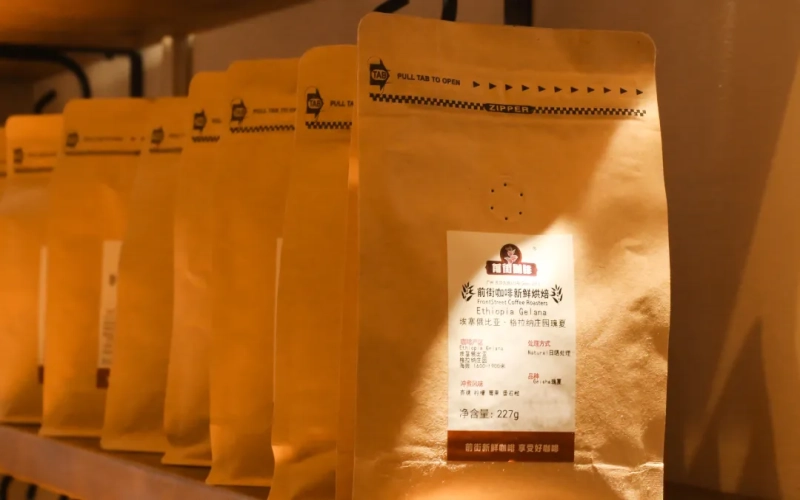
Grown in Ethiopia’s high-altitude regions, the Gelana Geisha reveals flavors of apricot, berries, and a green tea finish after medium-light roasting. With distinct flavor notes and a dense bean structure, this coffee is best extracted using high water temperature and fine grind size. This article provides a detailed breakdown of its three-stage pour over pouring parameters, and explores extraction ratios and flavor balance techniques for making milk-based coffees such as Americano, Latte, and Dirty. Helping you achieve the best performance based on different brewing methods. [more…]
Pour Over Coffee Bean Selection Guide: How to Choose Bright and Fresh Yirgacheffe & Washed Beans
Selecting a pour over coffee bean with a bright flavor and clean taste is an essential starting point for many coffee enthusiasts. This article provides an in-depth analysis on how to choose high-quality beans with a refreshing profile and vibrant acidity from three key dimensions: roast level, processing method, and regional characteristics. It also highlights classic beans such as Yirgacheffe Guji Dingding and Washed Geisha, which are well-suited for pour over and cold brew, helping you easily find your desired flavor. [more…]
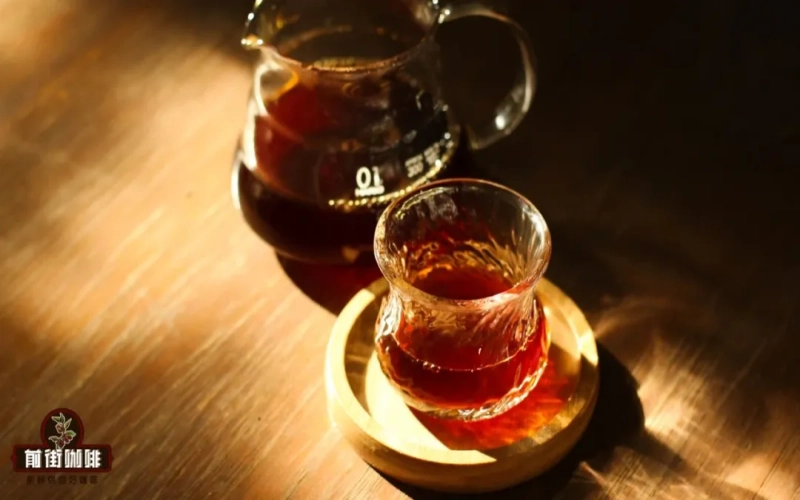
Is your pour over coffee tasting weak? Key techniques to fix excessive bypass water and failed raised coffee bed
Many pour over coffee enthusiasts often encounter issues with their coffee tasting thin and lacking complexity, yet struggle to find a solution. In fact, this is often related to "bypass water" — water that flows directly into the server without extraction, which significantly dilutes concentration and flavor. This article delves into two common causes: the habit of rinsing the edges of the filter cone leading to water channeling, and forcibly raising the coffee bed, which backfires especially with high-density coffee beans. At the same time, it provides specific adjustment suggestions based on different filter cone designs and bean characteristics. [more…]
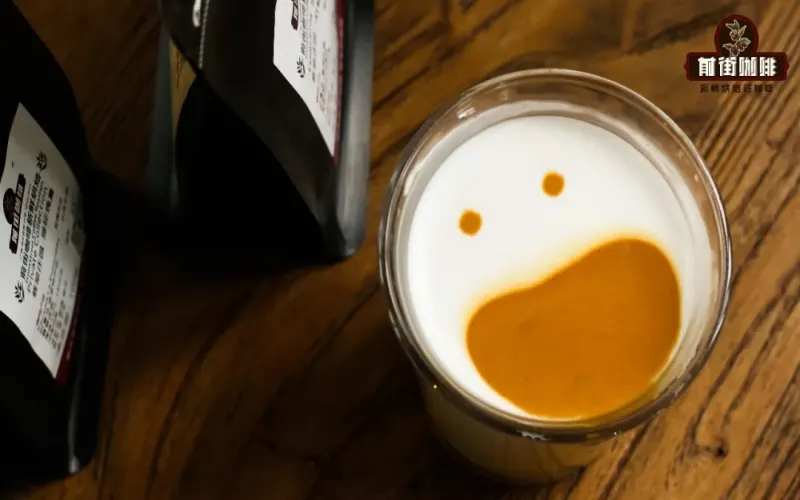
Flat White Latte Art Smiley Face Technique: Mastering Milk Foam Thickness, Crema Strength, and Cup Size Selection
Want to create a vivid smiley face latte art on a flat white? It’s more than just pouring coffee and making a couple of dots. This article dives deep into the three key factors that influence the formation of a smiley face: milk foam thickness, coffee crema strength, and the right cup size selection. It helps you understand from the basics to the practical details, improving your latte art success rate—so even beginners can gradually master this skill. [more…]
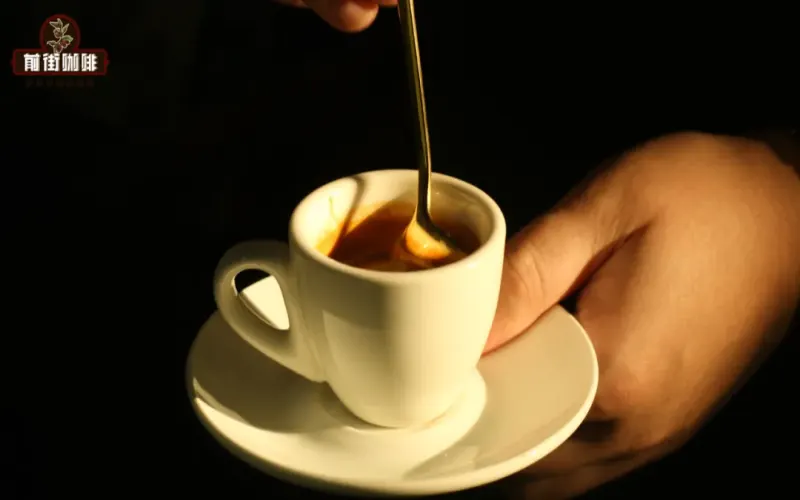
How to Drink Espresso the Right Way? Decoding the 5 Key Techniques of Crema & Bean Selection
Although known for its intense bitterness and richness, espresso actually holds unique layers of flavor and aromatic charm. This article delves into the three key characteristics created by pressurized extraction: the crema, high concentration, and rich lipids. It also provides five practical drinking techniques, including rinsing your mouth before sipping, stirring the crema, using the rim-adaptation method, savoring in stages, and selecting roast levels — helping you master the essence of espresso and break the stereotype that it’s “unbearably bitter.” [more…]