







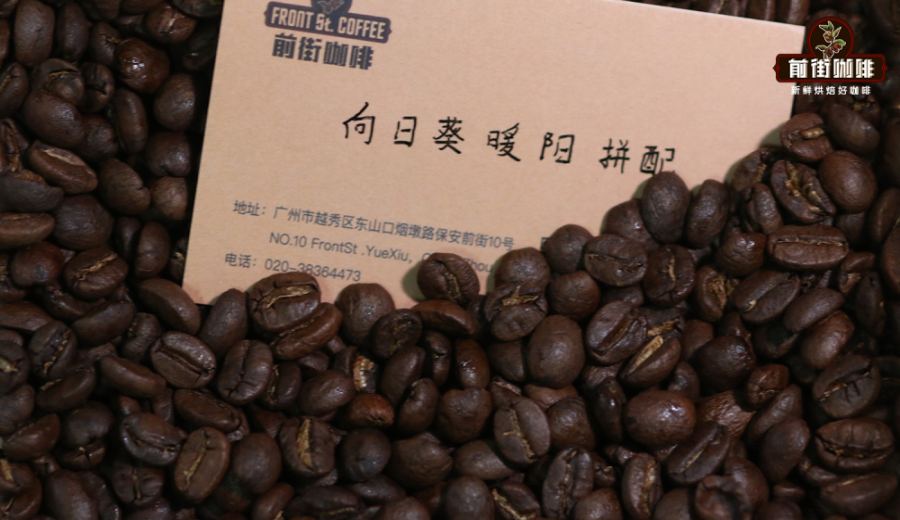
Introduction:Explore the blending secrets and extraction essentials of espresso — from setting the coffee-to-water ratio to comparing single-origin espresso (SOE) with blends. This article dissects the principles of blending, common objectives, and practical ratio formulas, providing beginner-friendly roasting and extraction parameters to help you understand why most commercial espressos use blends, and how to judge flavor quality.
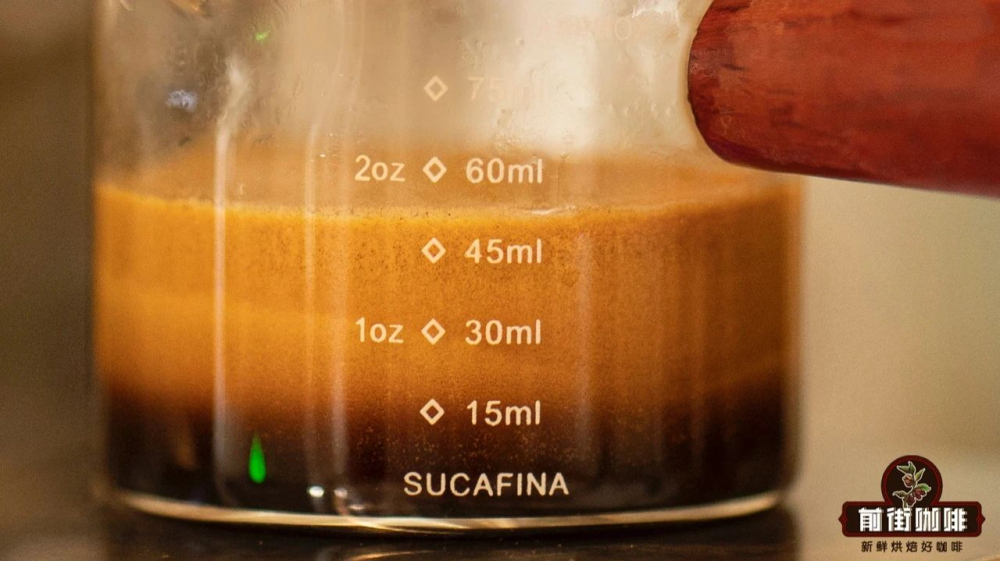
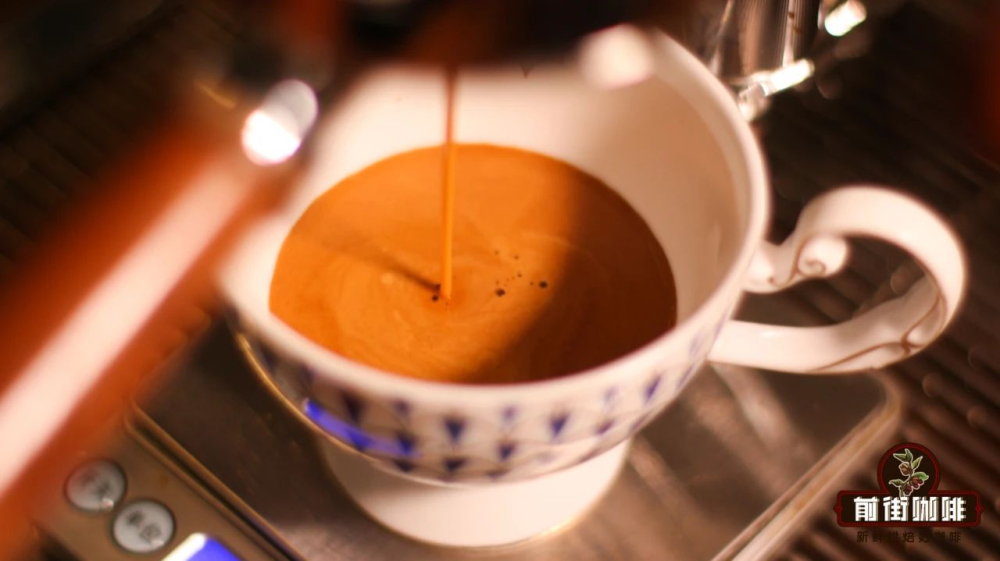
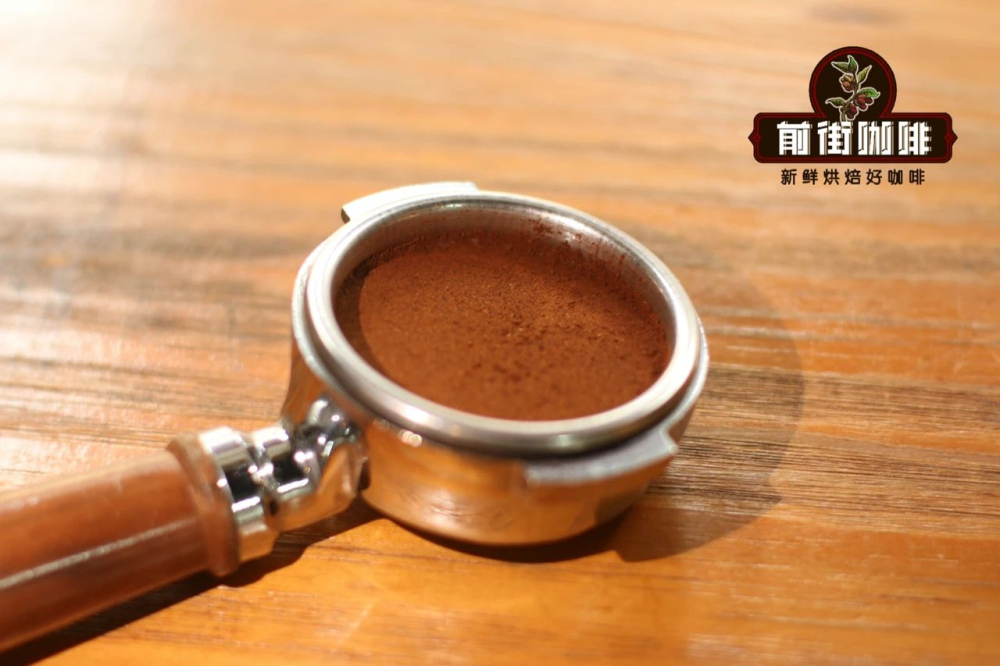
Espresso Coffee-to-Water RatioIt is typically 1:2, meaning 20 grams of coffee grounds yield 40 milliliters of espresso, with an extraction time controlled between 25–30 seconds. This is the standard range for most coffee shops. However, if you prefer a stronger taste, you can try a 1:1.8 ratio; if you prefer a lighter cup, extend the time to achieve a 1:2.2 ratio. The key is to adjust grind size and pressure to achieve a balanced acidity, sweetness, and bitterness in the cup.
 " alt="Espresso extraction illustration" />
Many beginners often ask:Is it mandatory to use blended beans for espresso?The answer is no. Although blends combine strengths from different regions to create a stable and layered flavor profile, single-origin espresso (SOE) can also be used. However, SOE tends to amplify the unique characteristics of that particular origin — for example, the industry once experimented with Yirgacheffe for espresso, but its intense fruit acidity was over-extracted under high pressure and temperature, which overwhelmed the overall balance. This illustrates thatroasting and extraction parameters need to be adjusted according to the bean variety.
 " alt="SOE vs. blend flavor comparison" />
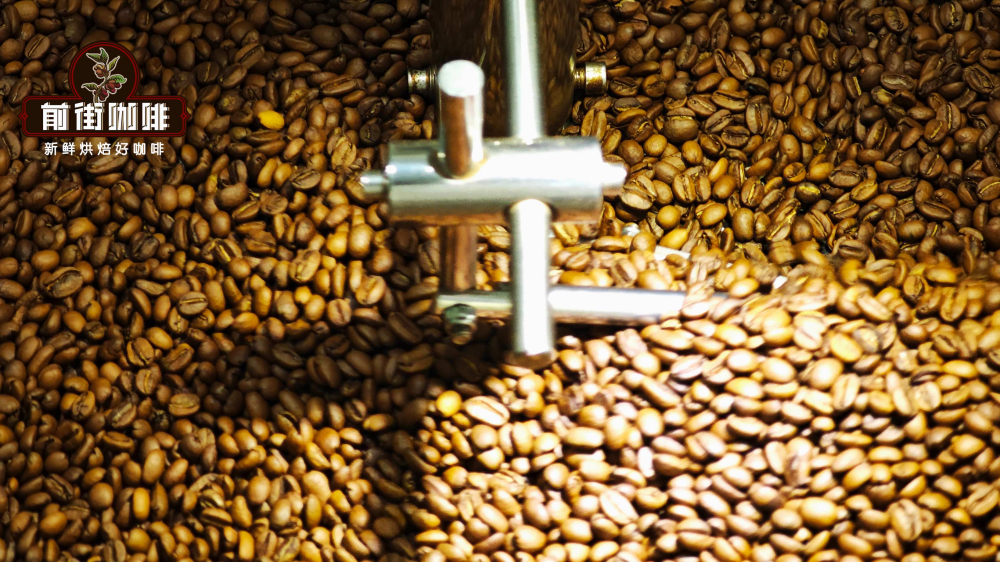
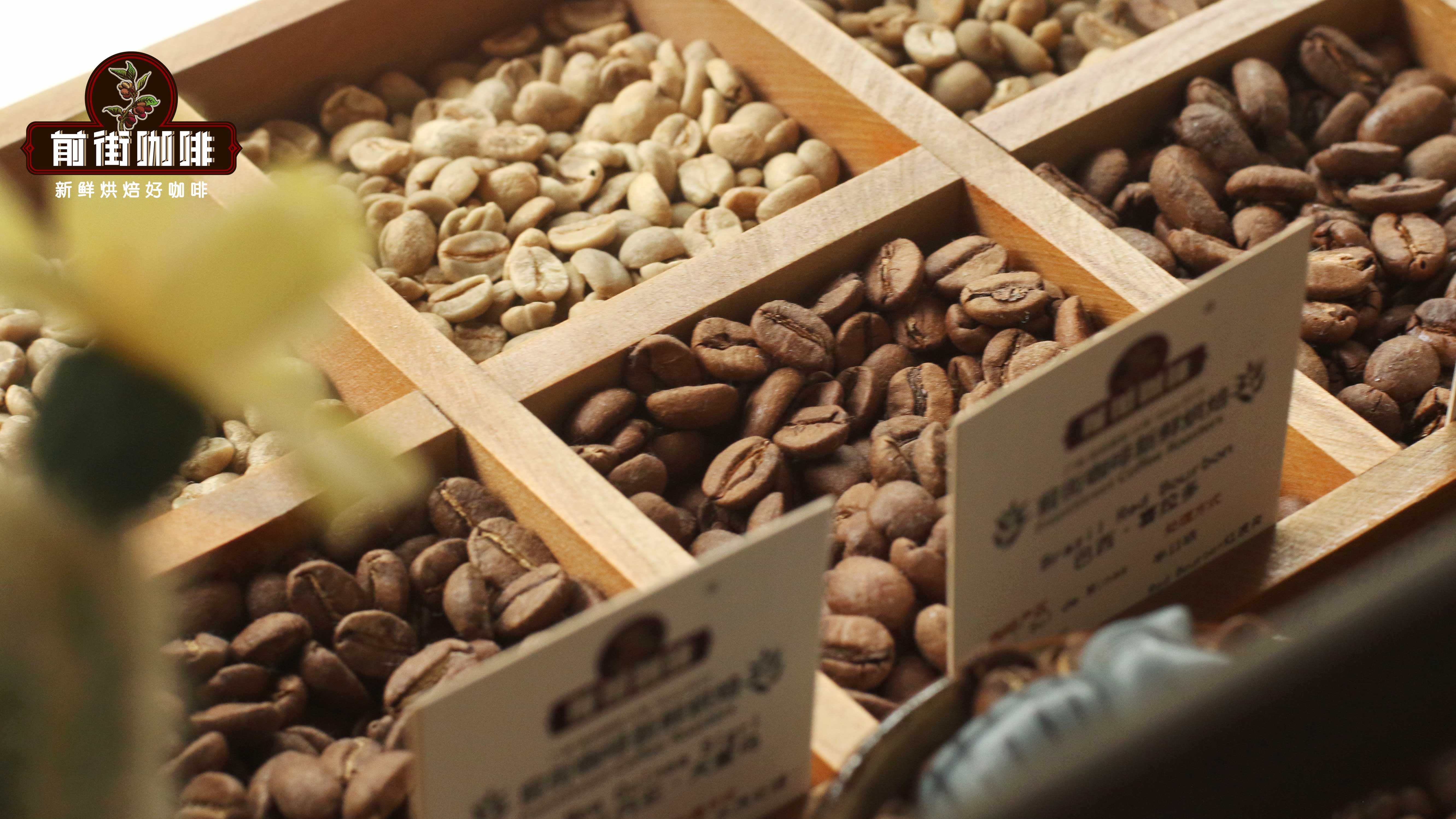
What is a coffee blend? Simply put, it is the mixture of two or more single-origin beans in specific proportions to complement each other’s flavor flaws. For instance, one bean may lack body but have outstanding aroma, while another may have a full body but dull fragrance. Blending them together can create a smoother, rounder mouthfeel.Blends are divided into pre-blend (mixed before roasting) and post-blend (roasted separately then mixed). The former preserves overall harmony, while the latter allows for fine-tuning roast profiles for individual beans. Both methods have their suitable applications.
 " alt="Pre-blend and post-blend process differences" />
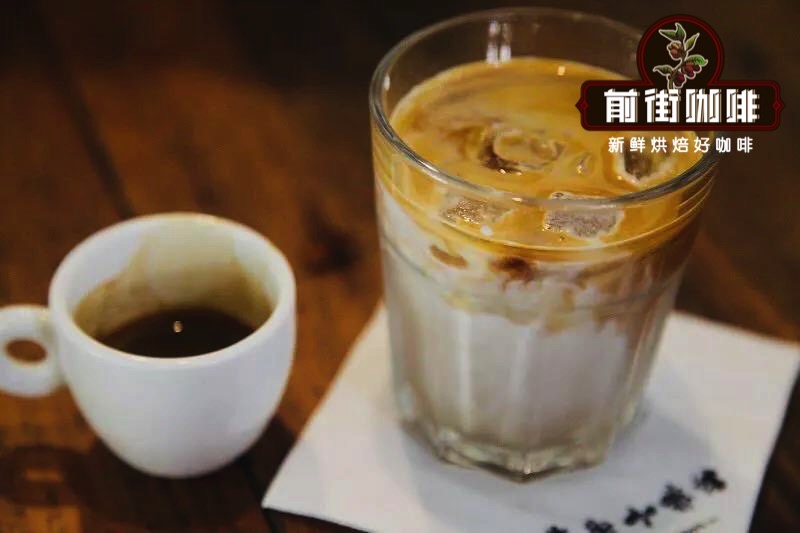
The main purposes of blending include:Maintaining flavor stability— since coffee beans’ flavors fluctuate yearly due to climate, blending several types can reduce variability;Balancing mouthfeel— the high pressure of espresso machines can amplify extreme traits of a single bean (such as excessive bitterness or acidity). By blending, the ratio of bitter, sweet, and acidic notes is harmonized to ensure consistent output. Moreover, blends are often used in milk-based drinks like lattes and cappuccinos because their crema and smoothness pair better with milk.
 " alt="Core advantages of blended beans" />
Examples of common blend recipes: A medium-dark roast combination of Colombian Huila (30%) and Brazilian Cerrado (70%), where the former contributes nutty-chocolate notes and the latter enhances body — ideal for everyday espresso. Adding 10% Robusta (e.g., a 3:6:1 ratio of Brazilian, Colombian, and Robusta) can boost crema volume and caramel sweetness, a common formula in commercial blends. For those seeking special flavor profiles, try a post-blend of Yunnan AA (30%) and Brazilian beans (70%) for gentle fruit acidity and a lingering dark chocolate finish.
 " alt="Classic blend ratio references" />
Additional knowledge about espresso:The spoon provided during cuppingis used to stir the coffee liquid and crema (the coffee's oily layer), allowing fat-soluble aromas and water-soluble flavors to release evenly. Whether to add sugar depends on personal preference, but granulated sugar can delay bitterness and highlight acidity layers. As for crema thickness, thicker is not always better — freshly roasted beans initially produce rich crema but may come with a sharp sensation. After resting for 3–14 days and with gas fully released, the ideal crema is around 3–5 millimeters thick when extracted.
 " alt="Relationship between crema and extraction quality" />
In summary, espresso isn’t limited to blends, but blending can optimize flavor stability and complexity through scientific proportioning. Beginners can start with classic ratios, then gradually adjust roast levels and coffee-to-water parameters to find their perfect balance.
 " alt="Espresso flavor tuning suggestions" />
 " alt="Coffee bean origin characteristic comparison" />
 " alt="Roasting parameters’ impact on flavor" />
 " alt="Commercial blend cost vs. quality balance" />
 " alt="Role of Robusta in blends" />
 " alt="Flavor potential of Yunnan beans" />
 " alt="Special processing method blend cases" />
 " alt="Sunflower Warm Sun Blend roast curve" />
 " alt="Cold brew latte compatible espresso parameters" />
 " alt="Seasonal special flavor pairings" />
 " alt="Crema layer structure analysis" />
 " alt="Sugar and crema interaction experiment" />
 " alt="Freshness and gas release cycle" />
 " alt="SOE espresso pros and cons analysis" />
The above content is compiled by CoffeeHunters, a coffee news website.


