







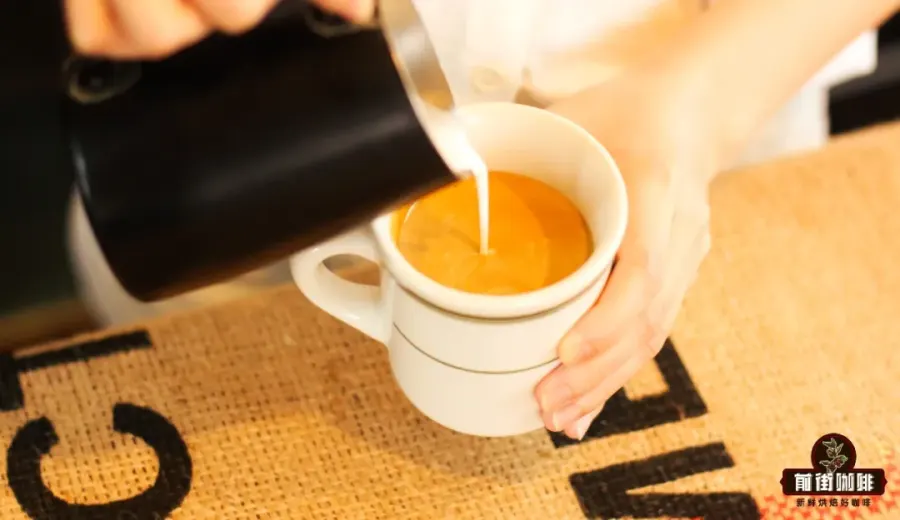
Introduction:Have you ever wondered why some cafés don’t latte-art their flat whites? Does latte art affect the flavor of a flat white? In fact, whether or not a flat white is latte-arted doesn’t directly influence its taste—the key lies in the ingredients, extraction, and the quality of the milk foam. This article dives deep into the necessity of latte art for flat whites and details the technique for creating milk foam thinner than 0.5 cm with high fluidity, helping you master the essence of this classic milk coffee.
Many coffee enthusiasts have noticed that some cafés serve flat whites without any latte art, which naturally raises the question: does a flat white need to be latte-arted? And does not doing so affect the coffee’s flavor? In reality, the history of latte art came long after that of classic milk coffees like lattes and cappuccinos—it only gradually gained popularity after these drinks became widespread. Therefore, not every flat white is required to have latte art.
More importantly, the act of latte art itself doesn’t directly alter the flavor of the coffee. The core factors that influence the taste and aroma of a cup of coffee are the choice of coffee beans, the technique used to extract the espresso, the quality of the milk foam, and the final integration of coffee and milk. For example, an experiment was conducted where two flat whites were prepared under identical conditions—one with latte art and one without. A blind taste test revealed that there was almost no difference in flavor between the two.
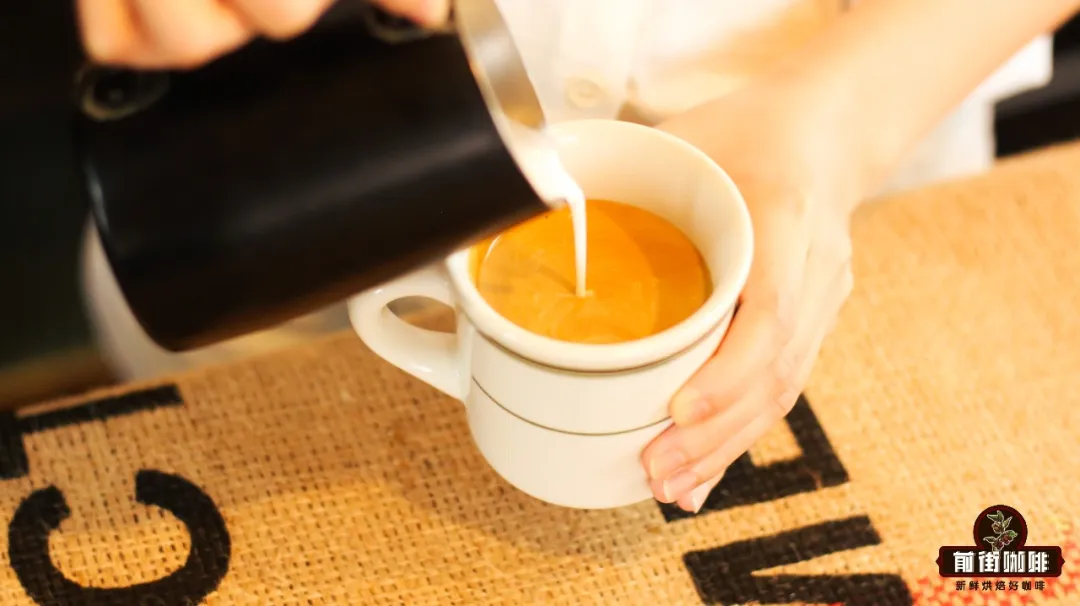
The coffee beans used in the experiment were a Brazilian and Yunnan blend of espresso roast, featuring prominent notes of milk chocolate and buttery cookies, along with delicate nutty undertones. The shot was pulled using 20 grams of coffee grounds over 30 seconds to yield 40 ml of espresso, paired with 160 ml of milk topped with thin foam. Both resulting flat whites exhibited a silky and rich mouthfeel, with a long, balanced aftertaste—proving that latte art is not a key factor in flavor.
This shows that whether or not a flat white is latte-arted depends more on the café’s presentation preference rather than any technical or flavor-based requirement. Currently, there is no standard that mandates latte art for flat whites, so whether it’s done often reflects the café’s design philosophy for the drink.
Many coffee professionals also point out that flat whites are less likely to be latte-arted because their milk foam is too thin, which makes the process more challenging. The milk foam for a flat white is usually less than 0.5 cm thick, significantly thinner than that of a typical latte, giving it much higher fluidity. When the foam is too fluid, latte art patterns can easily distort or shift, demanding a higher level of skill from the barista. As a result, many cafés choose not to latte-art flat whites to maintain visual and flavor consistency.

This ultra-thin milk foam design is actually intended to create a smoother drinking experience. Milk foam is essentially a mixture of air and milk—if the foam is thicker, the texture of the drink becomes denser and heavier; whereas thinner foam results in a smoother, crisper mouthfeel without sacrificing complexity. The flat white achieves its unique taste—rich yet not heavy, smooth with a lingering finish—by using this extremely thin milk foam, striking a balance between espresso and latte.
Of course, even with thin milk foam, it’s not impossible to create latte art. As long as the barista is skilled and can steadily control the flow and angle of the foam, simple and elegant designs can still be made. However, for general consumers or beginner baristas looking to try their hand at flat white latte art, it’s recommended to first focus on mastering the stability and fluidity of the milk foam, gradually getting a feel for the characteristics of thin foam.
In summary, the flavor performance of a flat white depends on the quality of the coffee beans, the precision of the espresso extraction, and the texture and integration of the milk foam—not on whether it’s latte-arted. While latte art can add visual appeal, its impact on taste is limited. If you’re after a smooth, rich, and well-balanced flat white, it’s better to focus on the craft of foaming and integrating the milk rather than obsessing over the aesthetics of the pattern.

So next time you see a flat white without latte art at a café, don’t doubt its quality—it might just be aiming to deliver the purest, smoothest drinking experience possible. If you’re interested in learning more about milk foam techniques or coffee integration, keep exploring and practicing—you’ll gain a deeper appreciation for the charm of this classic coffee.
The above content is compiled by CoffeeHunters, a coffee news website.


