







Introduction:Have you ever noticed while tasting coffee that hints of green or black tea aroma are often accompanied by elegant floral notes? This isn’t a coincidence — it’s because tea and floral aromas share a high degree of similarity at the molecular level. This article explores the science behind coffee and tea aromas, analyzes it in the context of the updated flavor wheel, and explains why floral notes frequently accompany tea-like characteristics. We’ll also introduce common aromatic compounds such as cis-jasmone and β-ionone, and recommend several high-altitude washed coffees that tend to exhibit these tea and floral traits to help enhance your flavor recognition and brewing experience.
Many coffee enthusiasts often encounter an interesting phenomenon: when coffee emits a tea-like character reminiscent of black or green tea, a fresh floral note is often detected simultaneously. This occurrence isn’t random — there’s scientific reasoning behind it, as tea and floral aromas overlap significantly in their aromatic molecular composition, especially in certain key scent compounds.
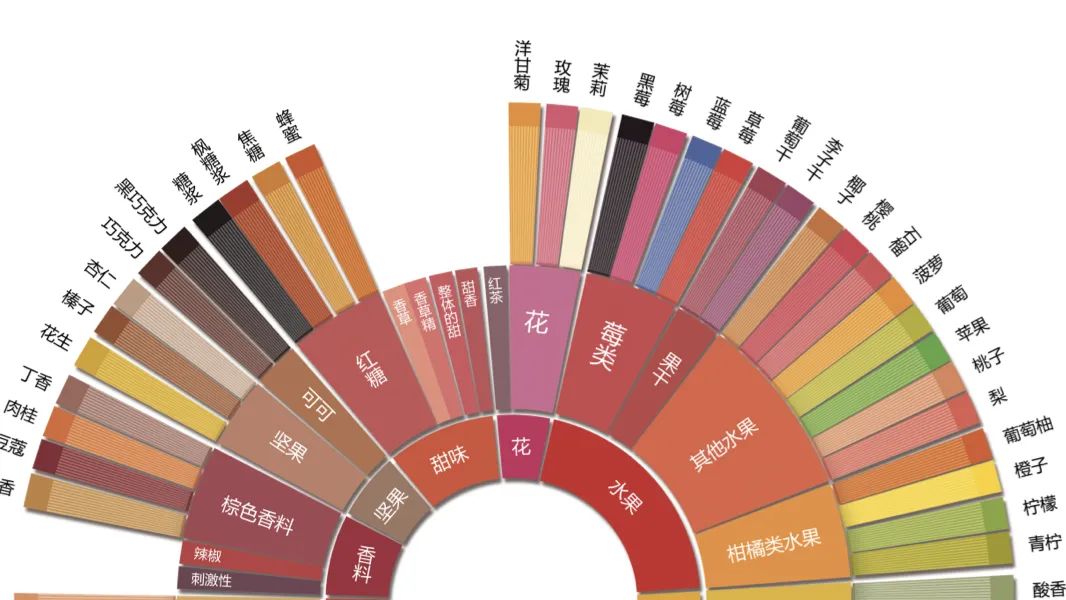
If you’re familiar with the coffee flavor wheel, you may notice an intriguing detail: the aroma of black tea is categorized under the "floral" family. This classification reveals the olfactory closeness between tea and flowers. In fact, this connection isn’t limited to coffee — real-world teas often display various floral characteristics as well. The core reason is that tea aromas and floral aromas share some of the same aromatic compounds.
Tea leaves contain a wealth of aromatic substances, which are the very chemical components that give tea its unique aroma profile. Many of these components are also found in flowering plants. For example, linalool is a common and important aromatic molecule that delivers a sweet and soft floral sensation, and it is particularly abundant in young tea buds. This is one of the reasons why many high-quality teas are made from tender buds.
Similar to coffee, the processing methods of tea leaves also significantly impact the final aroma expression. Different processing techniques alter the production and retention of aromatic compounds. For instance, common floral compounds in green tea include β-ionone and cis-jasmone; in black tea, β-ionone, β-damascenone, cis-jasmone, and nerolidol are more frequently found; as for oolong tea, nerolidol, geranyl acetone, and cis-jasmone are also key components of its aroma profile.

Each compound contributes a unique aromatic characteristic: cis-jasmone brings out a distinct jasmine-like floral scent, β-ionone offers the elegant fragrance of violets, and β-damascenone is a major contributor to rose-like aromas. This shows that tea and floral aromas share many molecular similarities, which also explains why floral notes are commonly perceived in tea — and the same principle applies to coffee.
Understanding this can become a useful tip when cupping coffee. When you detect a tea-like aroma in your coffee — whether it’s green tea, black tea, or oolong tea — take the next step and try to discern any underlying floral notes. For example, a green tea aroma might be accompanied by jasmine or violet scents, black tea aroma could hint at rose, orange blossom, or violet notes, while oolong tea aroma is often linked to orange blossom, rose, or even magnolia.
So, which coffees are more likely to exhibit both tea and floral characteristics? The answer often points to high-quality washed-process coffee beans from high-altitude regions, particularly those from Ethiopia and Central and South America. Thanks to the climate and geographic conditions in these areas, coffee cherries accumulate richer aromatic precursors. Coupled with the washed processing method, which preserves clean and clear flavor lines, and medium-to-light roasting levels that highlight delicate fruit and floral notes, these factors come together to bring out the best in these aromas.
For example, certain renowned Geisha varieties from well-known producing regions often display complex aromas such as jasmine, citrus, oolong tea, white floral notes, lemon, and green tea. These coffees are not only great for pour over brewing but also allow you to more easily practice flavor identification. When selecting, pay attention to factors like altitude (ideally above 1800 meters), processing method (washed preferred), roast level (medium-light roast helps preserve refined aromas), and use appropriate extraction parameters — such as a water temperature of 92–94°C, fine grind size, and a balanced coffee-to-water ratio (e.g., 1:15 to 1:16) — to fully bring out the aroma profile.
The above content is compiled by CoffeeHunters, a coffee news website.


