







Introduction:Want to brew a balanced pour over coffee with bright acidity at home? This guide uses the light-roasted washed Yirgacheffe Guji Dingding beans as an example, detailing the full process from equipment preparation, grind size, water temperature control, to the three-step pouring method. It provides tested parameters such as a 1:15 coffee-to-water ratio and 92°C brewing temperature, and also analyzes adjustments for light vs. dark roast beans—helping beginners master stable extraction techniques to highlight the refreshing notes of jasmine, lemon, and green tea.
To brew a clear, sweet-and-sour balanced pour over coffee, the key lies in mastering the rhythm and precise parameters of the three-step pouring technique. This article takes the light-roasted washed Yirgacheffe Guji Dingding beans as an example, guiding you step-by-step through heating water, weighing beans, grinding, blooming, and segmented pouring. We provide practical extraction parameters including 15 grams of coffee, a 1:15 coffee-to-water ratio (total water volume 225 ml), and a 92°C brewing temperature, making it easy to get started. This bean offers a fresh flavor, gentle acidity, high fault tolerance, and is perfect for pour over beginners to practice with.
Making a pour over coffee can be divided into two main stages: pre-brewing preparations and the actual extraction process. Many people get flustered when starting because they don’t know the correct order of operations, so we’ll explain each step’s proper sequence in detail to help you work more efficiently.
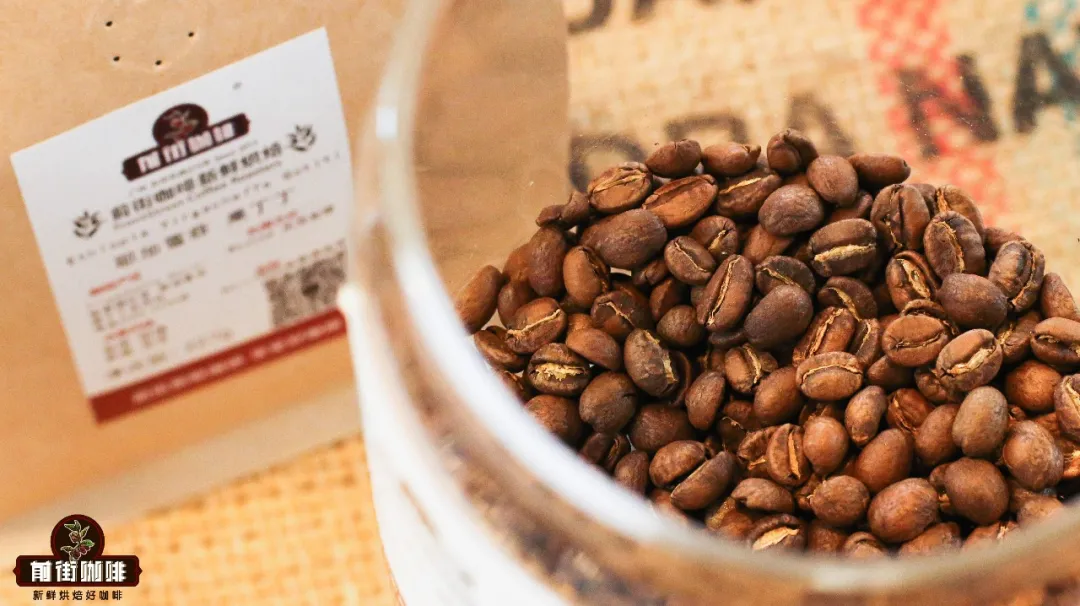
The coffee beans used here are the Yirgacheffe Guji Dingding produced by a certain brand. These beans are especially beginner-friendly: their flavor isn’t overpowering, the acidity is soft and not harsh, the bitterness is also not pronounced, and they have a light mouthfeel without being heavy. At the same time, their distinctive aromas are clear and easily recognizable, even for novices. More importantly, they’re not prone to over-extraction during brewing, offering a large margin for error, making them highly suitable for practicing pour over skills.
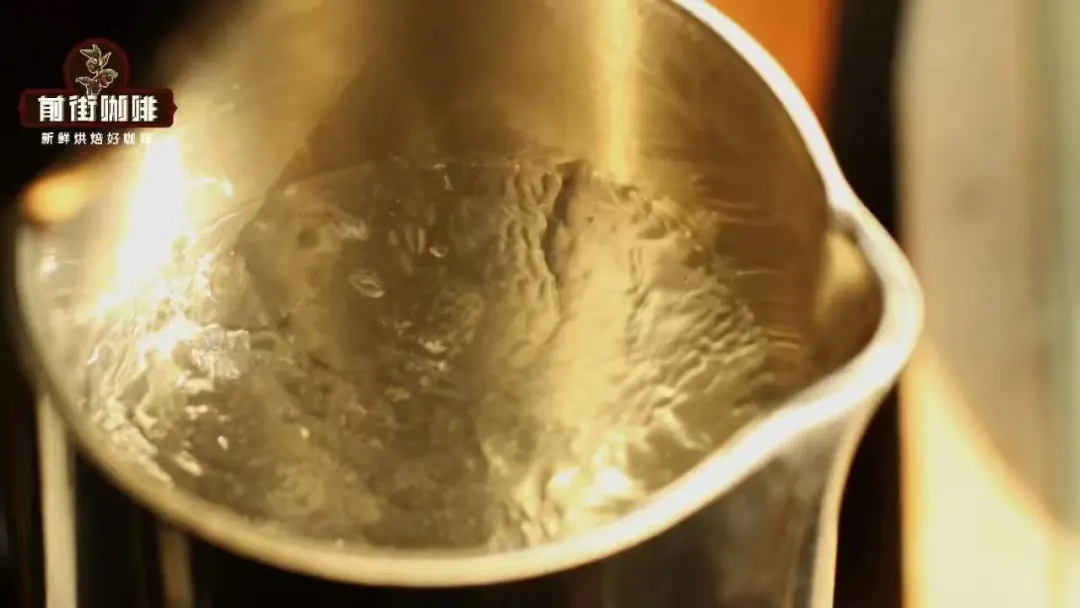
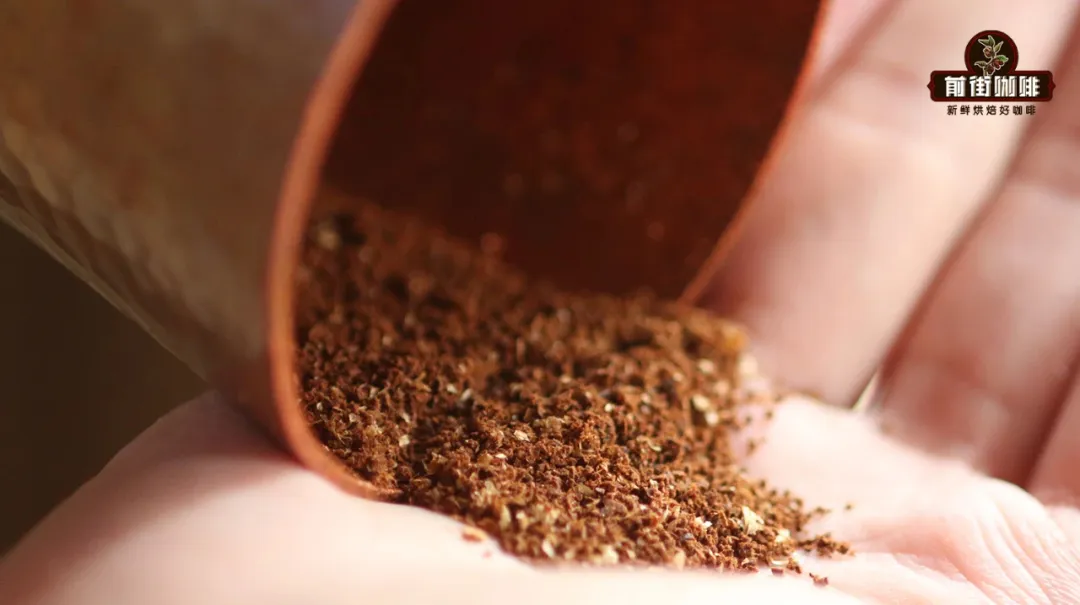
Since these beans are light roasted, we recommend using parameters that enhance extraction efficiency. Specifically: 15 grams of coffee, a 1:15 coffee-to-water ratio, total water volume of 225 ml, water temperature controlled at 92°C, and a grind size of around 75%–80% through a #20 sieve—roughly similar to fine sugar. For the filter, a V60 conical dripper with a faster flow rate is recommended to help improve extraction stability. And before anything else, the first step is always to heat the water.
While the water is heating, it’s a good idea to prepare the dripper, filter paper, and scale in advance. Then, use hot water to fully wet the filter paper. This not only removes the papery taste but also helps the filter paper adhere better to the dripper’s inner wall, contributing to more stable extraction later on.
When the water temperature approaches the target level, start weighing out 15 grams of coffee beans and grind them with a suitable grinder. If the water hasn’t yet reached the desired temperature but the coffee is already ground, it’s best to temporarily cover the coffee catcher to avoid premature aroma loss. Once the water reaches the target temperature, pour the coffee grounds into the dripper and proceed to the next step of the extraction process.
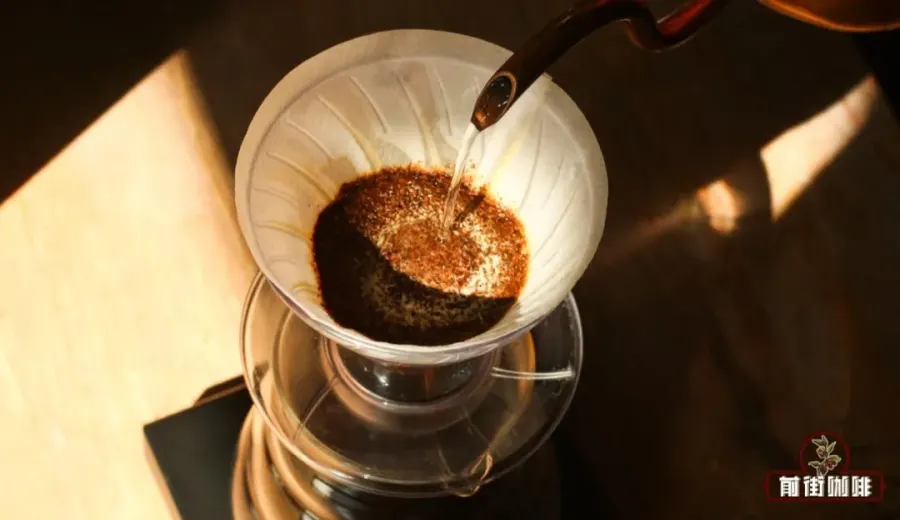
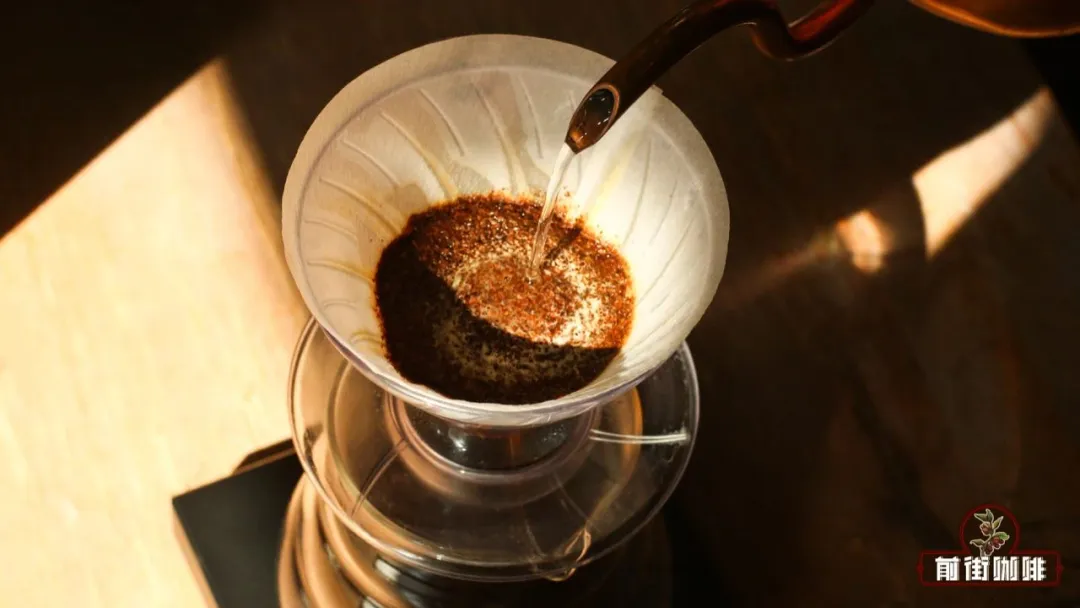
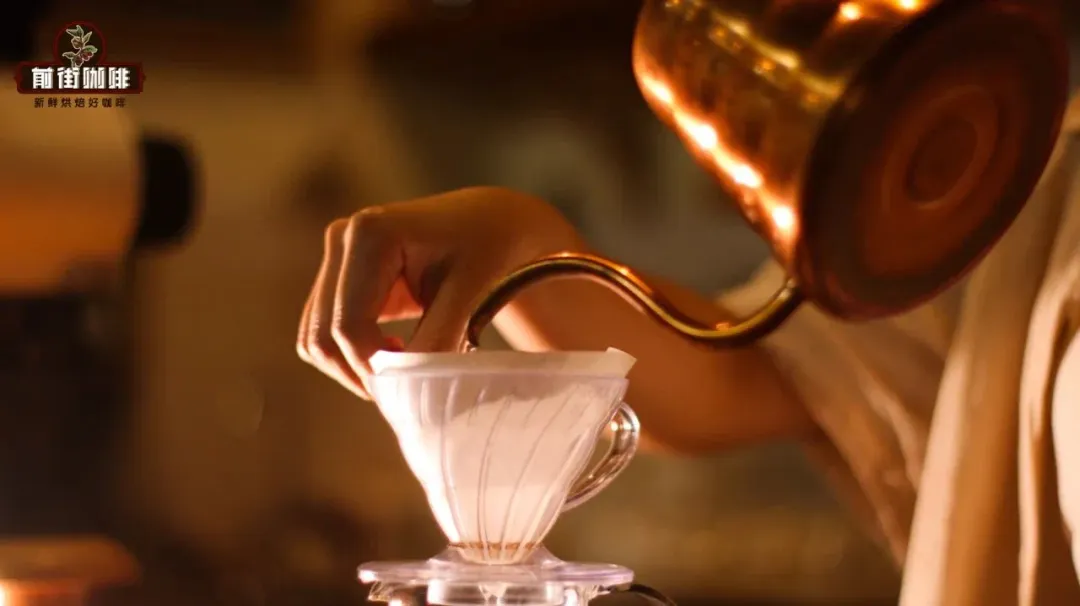
Our extraction method uses the classic three-step pouring technique. First is the bloom phase: use about twice the amount of coffee’s weight in water—around 30 ml—and let it bloom for about 30 seconds to allow the coffee grounds to degas fully. During this step, it’s recommended to pour in quick circular motions to ensure all the coffee grounds are evenly exposed to hot water, thereby releasing the coffee’s aroma and volatile compounds. Don’t forget to start the timer when blooming to accurately track the subsequent extraction time.
After the bloom, move on to the second pouring stage. This stage involves a larger amount of water—about 120 ml in total—so you can moderately increase the pouring speed and water flow intensity to avoid prolonging the overall brewing time. To allow for better agitation of the coffee bed, it’s recommended to pour in wider circles to ensure even saturation across the entire layer of grounds.
Once the 120 ml of the second pour is completed and all the water has dripped through, proceed to the third pour. This stage uses a smaller amount of water—around 75 ml—and you can flexibly adjust the pouring speed based on the current total brewing time. If the total time is nearing 1 minute and 30 seconds, it’s advisable to slightly increase the pouring speed; if there’s still plenty of time left, you can use a smaller stream to extend the brewing time, allowing the coffee grounds to extract more fully. This stage is recommended to be poured in tighter circles, focusing on extracting the center and bottom of the coffee bed to balance the overall flavor.
Once all the water has been poured, wait until the coffee liquor has completely dripped into the server, then remove the dripper to complete the pour over process. Before drinking, remember to gently swirl the coffee to allow the different flavor layers to blend better, resulting in a more complete taste experience.
If the final brewing time falls between 2 and 2 minutes 30 seconds, then this cup of coffee usually already has a good balance and drinking value. This Yirgacheffe Guji Dingding, after pour over brewing, mainly showcases a sweet-and-sour balanced flavor profile, with a bright and fresh character. You can clearly taste the fragrance of jasmine, the crisp acidity of lemon, and the subtle aftertaste of green tea. The mouthfeel is solid and the aftertaste is long-lasting—making it a very suitable everyday pour over coffee.
That concludes the full pour over process and parameter recommendations shared in this guide. As long as you follow this set of steps and settings, it’s actually quite difficult to brew a bad-tasting cup. However, it’s important to note that this tutorial is designed for light-roasted beans. If you’re using dark-roasted coffee beans, it’s recommended to grind about two settings coarser and also lower the water temperature by 2–4°C to avoid over-extraction that could lead to burnt or overly intense flavors.
The above content is compiled by CoffeeHunters, a coffee news website.


