







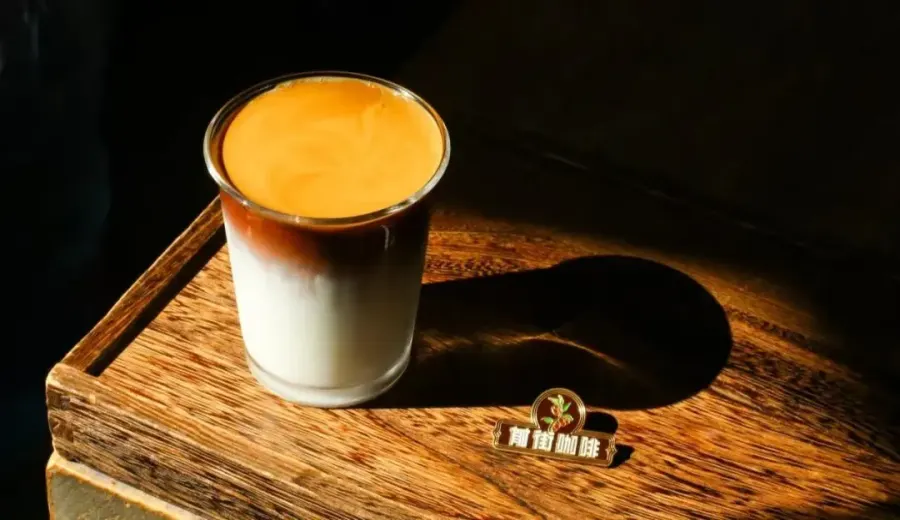
Introduction:Have you often encountered Dirty coffee where the espresso and milk blend together, resulting in blurry layering and a flat taste? This practical guide, specially compiled for coffee enthusiasts, deeply analyzes the three key factors affecting Dirty layering—pouring distance, milk temperature, and espresso extraction conditions. It provides specific operational suggestions and recommends medium-to-dark roasted beans suitable for making Dirty, helping you easily pull off a Dirty coffee with distinct layers and balanced flavors.
To create a Dirty coffee with beautiful layering and rich flavor, the key lies in allowing the espresso and iced milk to naturally separate without mixing. However, many people often find the espresso quickly sinking and fully merging with the milk, turning it into an iced latte without ice cubes. This is actually closely related to three main factors: the distance between the espresso spout and the milk surface, the temperature and concentration of the milk, and the extraction quality of the espresso itself. Understanding and adjusting these details can significantly improve the success rate of layering.
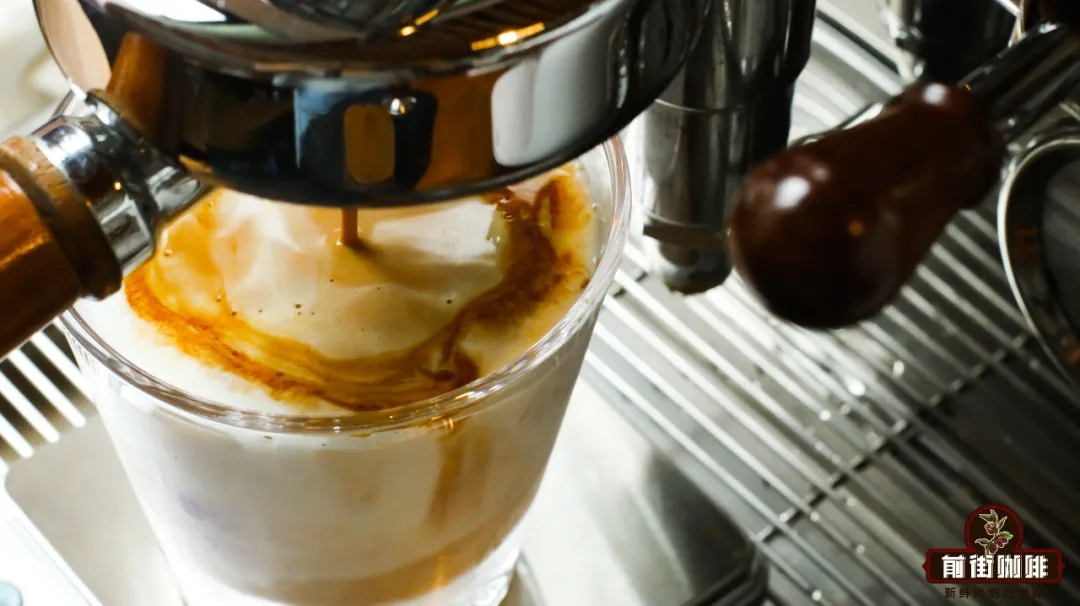
If you want a Dirty with a visibly clear layering, the most straightforward method is to place the cup with iced milk directly under the espresso spout, letting the espresso naturally drip onto the milk surface to form a natural separation. Another more reliable approach is to use the back of a spoon lightly touching the milk surface to guide the espresso onto the liquid before letting it slowly spread. This effectively reduces the chance of directly piercing the milk and greatly enhances the layering effect.
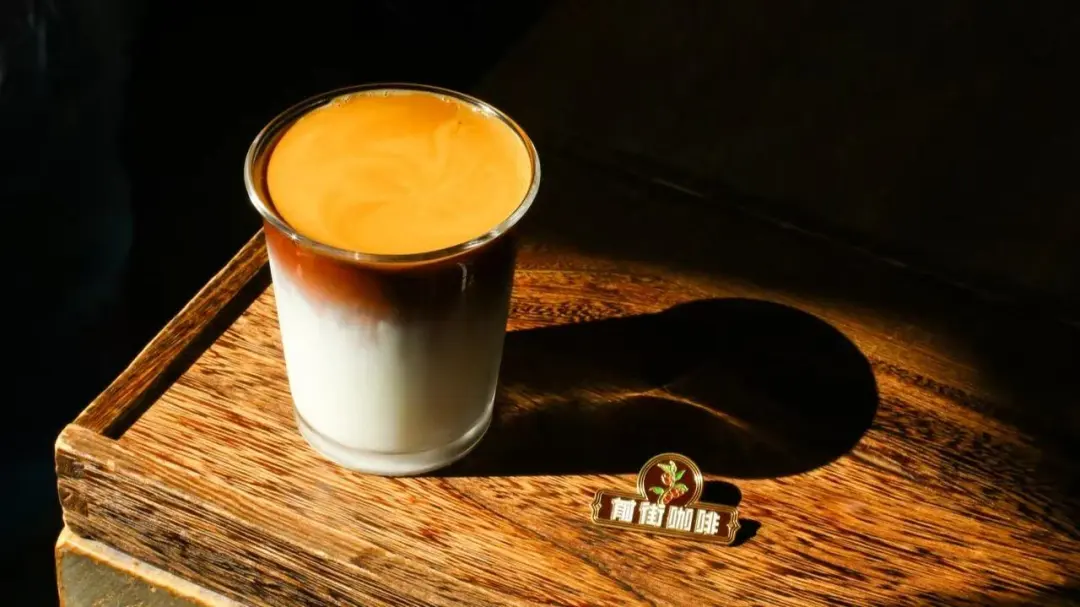
However, a common mistake among beginners is often due to improper distance control. Many people, due to inappropriate cup selection or placement, end up with too much distance between the espresso spout and the milk surface. When the coffee liquid falls from a height, it creates greater impact, penetrating the milk surface and mixing with it, leading to failed layering. Therefore, the primary solution is to shorten this critical distance.
There are actually various and flexible adjustment methods. For example, you can switch to a smaller-capacity cup to naturally raise the milk level; you can also elevate the bottom of the cup or simply hold the cup with your hand to effectively reduce the vertical distance between the spout and the milk. Overall, the closer the two are, the easier it is to achieve good layering. But even if the distance has been adjusted to be very close, if penetration still occurs, further examination of the milk and espresso conditions is needed.
Using chilled milk is a basic requirement for making Dirty, which most people know, but the underlying principle is worth understanding in depth. Iced milk not only creates a clear temperature contrast with hot espresso, helping to maintain layering, but its higher density in a low-temperature state also more stably receives the espresso, preventing rapid mixing. It is recommended to refrigerate the milk in advance, and if you can pair it with a pre-chilled cup, the effect will be even more noticeable.
In addition, the concentration of the milk also affects the presentation of layering. Milk with higher concentration has a thicker texture, which helps stabilize and hold the espresso, making the layering clearer; conversely, if the milk is too thin, it will struggle to resist the downward force of the espresso, and the layering effect will naturally be greatly reduced.
The extraction quality of the espresso is also one of the key factors. If the espresso is extracted too quickly, with a watery texture and insufficient concentration, it will also easily pierce through when poured into the milk, failing to form a clear separation. Observing the extraction flow rate is a simple and effective way to judge—if you notice the flow rate is too fast, it likely means the espresso concentration is not at the ideal level.
To determine whether the espresso meets the standard, you can start with the extraction time. Generally speaking, if the extraction time is shorter than 25 seconds, it often results in under-extraction and low concentration, which directly affects the layering effect. In such cases, it is recommended to adjust the grind size to make the coffee grounds finer or moderately increase the coffee dose to extend the extraction time, enhance the espresso concentration, and thereby increase the success rate of layering with the milk.

In addition to the above operational and parameter adjustments, the roast level of the coffee beans also affects the presentation of Dirty. To achieve a finished product with clear layering and harmonious flavors, it is recommended to choose medium-to-dark or dark roasted coffee beans. These types of beans usually have a richer taste and thick crema, which can create a good contrast with iced milk, enhancing the overall flavor profile.
For making Dirty coffee, it is recommended to use medium-to-dark or dark roasted blends, such as classic Italian blends. This blend uses coffee beans from Indonesia, Brazil, and Vietnam, carefully proportioned to produce an espresso with a rich flavor, featuring distinct notes of chocolate, nuts, cream, and caramel, with a smooth texture and abundant crema. Using this bean for Dirty not only presents clear layering but also offers a well-balanced overall flavor without any jarring notes, making it a reliable choice for both professional shops and coffee enthusiasts.
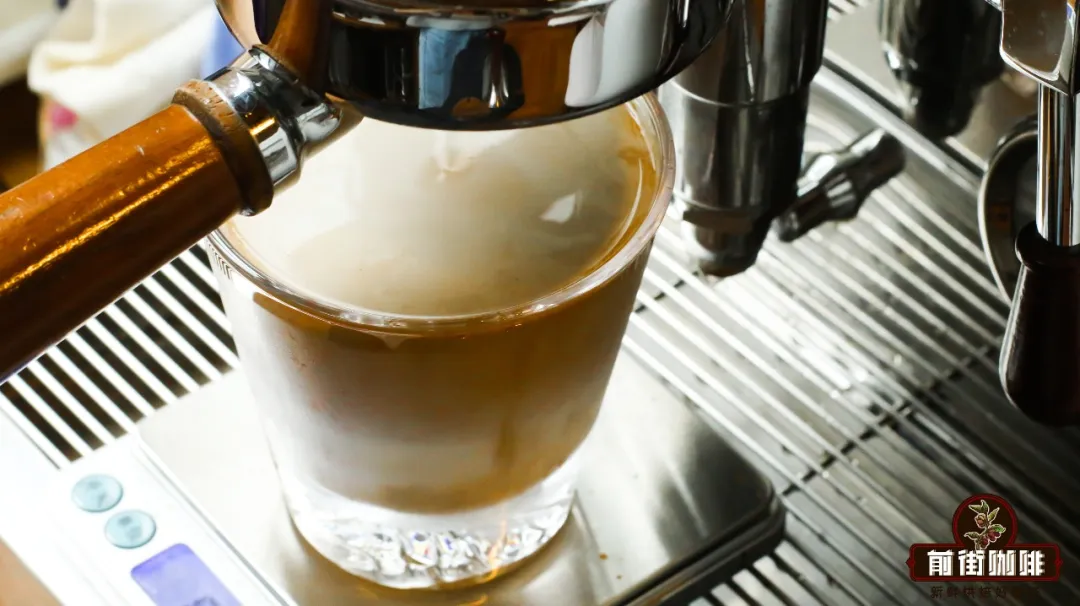
Summing up the above points, if you still can’t get the milk to naturally receive the espresso while making Dirty, try using the spoon-assisted method. Simply place the back of the spoon lightly against the milk surface and slowly pour the espresso, allowing the liquid to float on top of the milk. This effectively prevents penetration and allows you to easily complete a Dirty coffee with clear layering. The spoon counteracts the downward force of the espresso, keeping the coffee liquid stable on the surface—a small trick that even beginners can easily master.

The above content is compiled by CoffeeHunters, a coffee news website.


