








Introduction:In the world of specialty coffee, the choice and pairing of milk has become a key factor influencing the flavor of milk-based coffee drinks. This article delves into two mainstream approaches to milk blending—enhancing quality and flavor, and creating innovative taste profiles—while also providing practical blending ratios and espresso extraction parameters. Through specific case studies, readers will learn how to enhance the contrasting textures of a Dirty drink through milk blending, as well as how to adjust the richness and layering of milk coffee according to different needs.
In contemporary specialty coffee creation, milk is no longer just a supporting player, but a key element that can significantly elevate the depth and flavor of a beverage. In recent years, not only has coffee bean blending received considerable attention, but the milk used in milk-based coffee drinks has also begun to be carefully paired, becoming a secret weapon for competition participants and café owners to innovate flavors.
This type of milk blending can generally be divided into two main directions: one is to enhance quality and flavor by mixing different dairy products—for example, blending fresh milk with concentrated milk, cream, or powdered milk to intensify the richness and body of the drink; the other takes innovation as its starting point, combining plant-based milks, thick coconut milk, and fresh milk in multiple ways to create unique taste experiences.

The blending approach aimed at enhancing quality and flavor is a common technique used by many professional competitors and cafés. For instance, when layered cold-and-hot drinks like the Dirty first became popular, to emphasize the strong contrast brought by the interplay of hot and cold temperatures, cafés often opted for higher-concentration milk. However, such high-concentration milk can easily become overly rich if consumed on its own, so a common solution is to mix it with regular fresh milk in proportion. This not only maintains the fullness of the texture but also achieves a more balanced overall flavor.
In addition to combinations of fresh milk and concentrated milk, some cafés also choose to add cream or powdered milk. These methods similarly aim to increase the thickness and aroma of the milk, thereby making the flavor contrast of the Dirty more pronounced. It’s worth noting that if you wish to avoid overly affecting the original flavor, special care should be taken with the ratio when combining fresh milk with powdered milk to prevent an overly powdery taste.
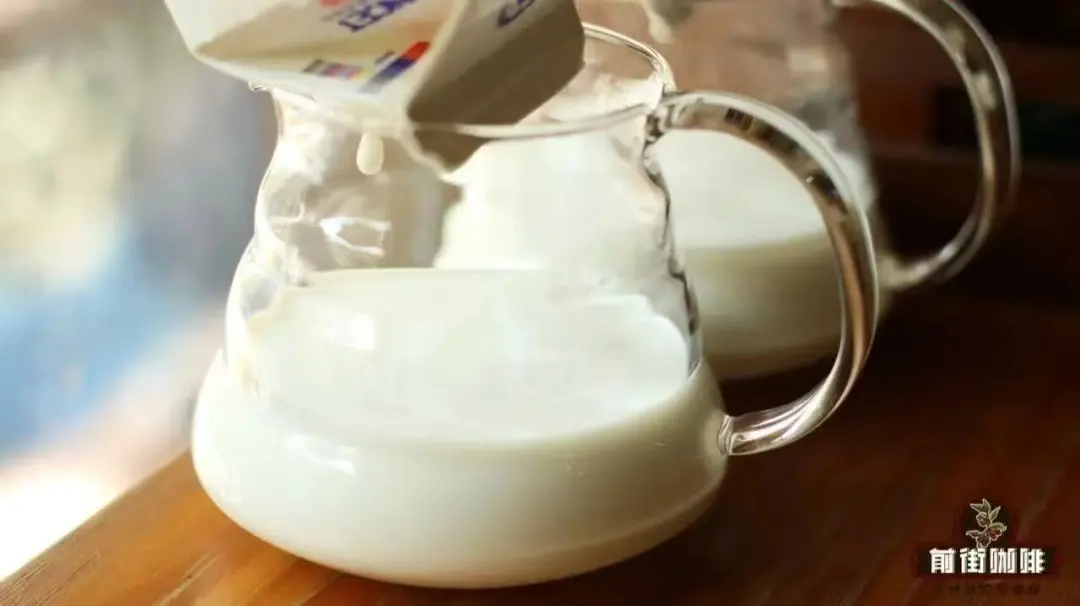
In practice, many baristas use a 1:1 ratio of fresh milk to concentrated milk, adjusting slightly based on the concentration of the concentrated milk. If the concentrated milk already has sufficient intensity, its proportion can be moderately reduced, or even a commercially available high-concentration product can be used directly. Additionally, the choice of coffee beans for extracting espresso is also crucial. For example, a classic Italian blend composed of Mandheling, Brazilian, and Vietnamese beans can bring out rich chocolate, nutty, and caramel aromas that complement the high-concentration milk, adding greater depth to the Dirty.
The recommended espresso extraction parameters are: 20 grams of coffee grounds, extracted over 30 seconds to yield 40 milliliters of espresso, paired with 160 milliliters of blended milk. This ratio fully showcases the interaction between milk and coffee, especially with the backdrop of high-concentration milk, allowing the aroma and sweetness of the coffee to stand out more prominently, and the contrast in temperature and texture to become more distinct.
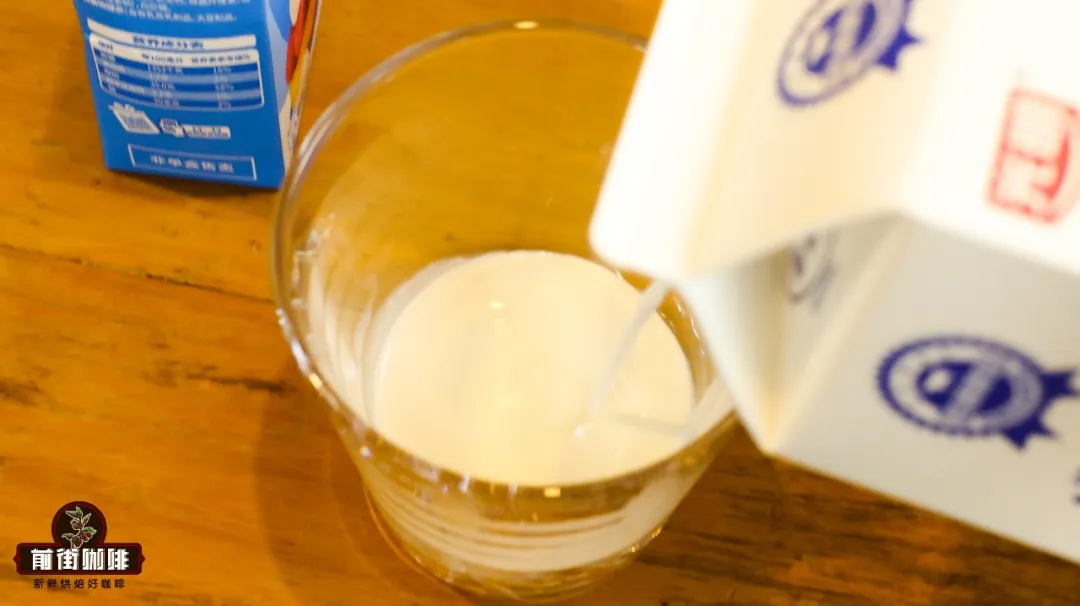
If you want to further explore the innovative possibilities of milk blending, you might try combining different types of milk. On the competition stage, many participants use mixed approaches such as combining plant-based milk with fresh milk, or thick coconut milk with fresh milk—even experimenting with triple blends to create unprecedented flavor experiences.
Although these blending methods are not bound by tradition, the key lies in selecting flavor-compatible types of milk. For example, when pairing plant-based milk with fresh milk, attention should be paid to balancing sweetness and texture to avoid creating an unharmonious mouthfeel. Through appropriate ratio adjustments, not only can a completely new taste experience be delivered for the drink, but it can also attract consumers seeking novel experiences.
In summary, milk blending is not only an effective means of elevating the quality of milk coffee, but also an excellent way to showcase creativity and personal style. Whether pursuing the rich body of enhanced-quality blends or exploring the novelty of innovative flavor combinations, with the right proportions and careful detail adjustments, unexpected surprises can be brought to your coffee creations.
The above content is compiled by CoffeeHunters, a coffee news website.


