







Introduction:Latin American coffee is renowned for its richness and balance, with producing regions spanning from Brazil to Guatemala, each boasting unique terroirs and processing characteristics. This article provides an in-depth look at the coffee varieties, processing methods, and typical flavor profiles of eight major producing countries, along with expert pour-over recommendations to help you fully grasp the essence of Central and South American coffee—from the nutty, chocolatey notes of Brazil to the floral expression of Panama’s Geisha.
Among the world’s three major coffee-growing regions, Latin America (also known as Central and South America) holds a prominent place in the hearts of coffee enthusiasts for its richly balanced flavors and diverse processing techniques. The coffees here generally exude a strong cocoa and dark chocolate foundation, showcasing a wealth of variations based on the geographical and climatic conditions of different countries—ranging from the nutty aromas of Brazil, to the balanced acidity of Colombia, to the world-renowned floral uniqueness of Panama’s Geisha, all of which are truly impressive.
The cultivation of Latin American coffee can be traced back to the Spanish colonial period in the 18th century and has since gradually developed into its current scale. Unlike African producing regions, which emphasize bright fruit acidity, the strength of Latin American coffee lies in its richness, pronounced sweetness, and intense chocolatey notes. In terms of processing methods, washed processing is the mainstream, while Brazil often employs pulped natural or natural processing to highlight its distinctive nutty aromas.
This article will begin with Brazil and then introduce eight major Central and South American producing countries, including Colombia, Panama, Costa Rica, Honduras, Jamaica Blue Mountain, and Guatemala. It will delve into the local coffee varieties, processing techniques, and flavor characteristics, while also providing practical pour-over suggestions and parameter settings to guide readers in fully understanding this richly flavored coffee region.
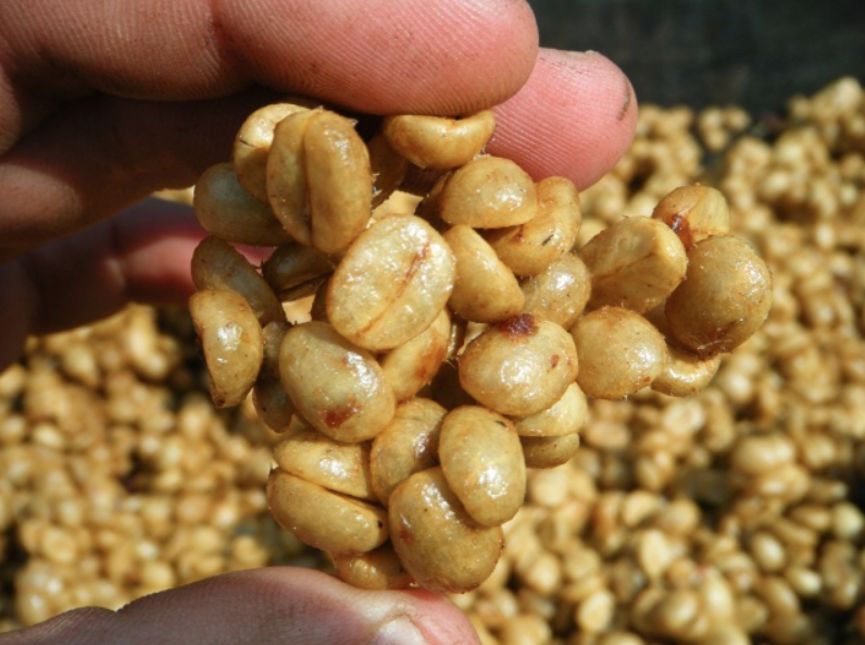
1. Brazil: The Coffee Powerhouse with Nutty, Chocolatey Notes
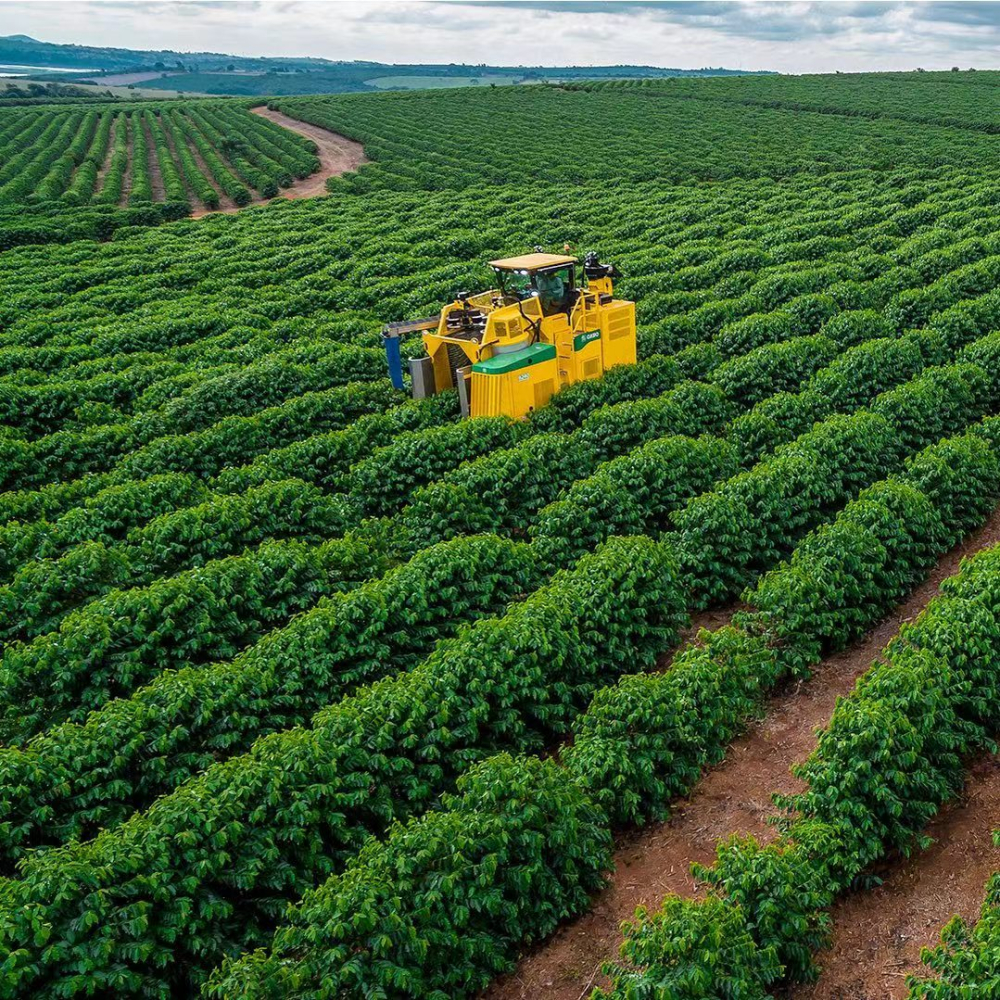
As the world’s largest coffee-producing country, Brazil not only leads in output but is also famed for its low acidity, richness, and prominent nutty, chocolatey flavors. Although it was once often dismissed as “Brazil has no good beans,” the rise of the specialty coffee trend has led to improvements in variety selection and processing techniques, enabling the production of higher-quality beans.
Brazil primarily uses natural, pulped natural, and washed processing methods, with lower-altitude regions favoring natural and pulped natural to bring out warmer, richer flavors. Major producing regions are concentrated in Minas Gerais, São Paulo, Bahia, and Espírito Santo, which together account for 90% of the country’s exports. Among these, Minas Gerais’ Cerrado and Sul de Minas, with their high altitudes and excellent microclimates, frequently appear in high-end auction lots.
Brazil’s coffee bean grading system is unique, not based on altitude but rather on bean size, defect rate, cupping score, and flavor. Common flavor grades, from highest to lowest, include: Very Soft (very mild), Soft (mild), Hardish (less mild), etc.; defect rates are calculated per 300g of green beans, with NY.2 being the best practical grade; cup quality is categorized as Fine Cup (FC), Good Cup, etc.; and bean size is represented by 17 and 18 screens as indicators of high quality.
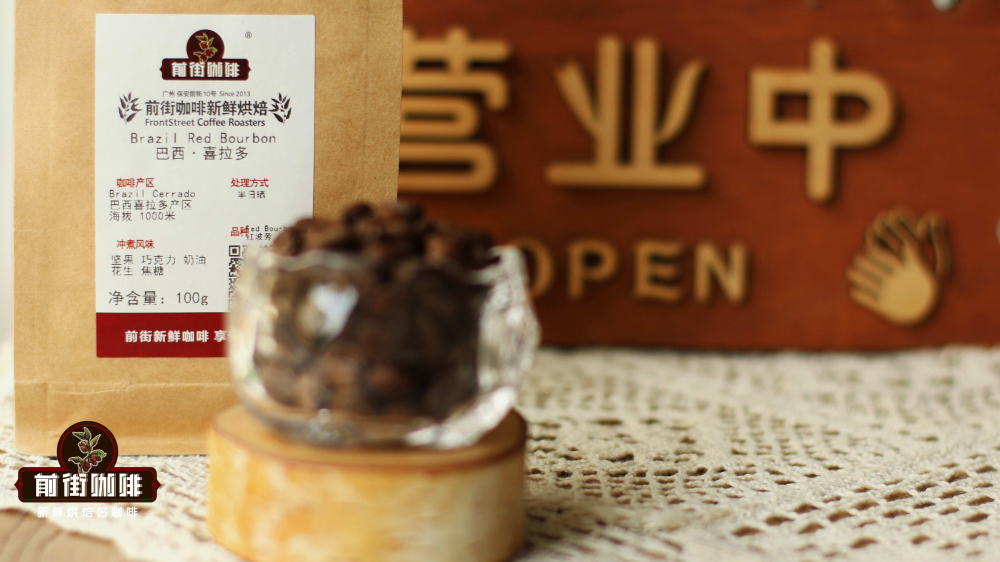
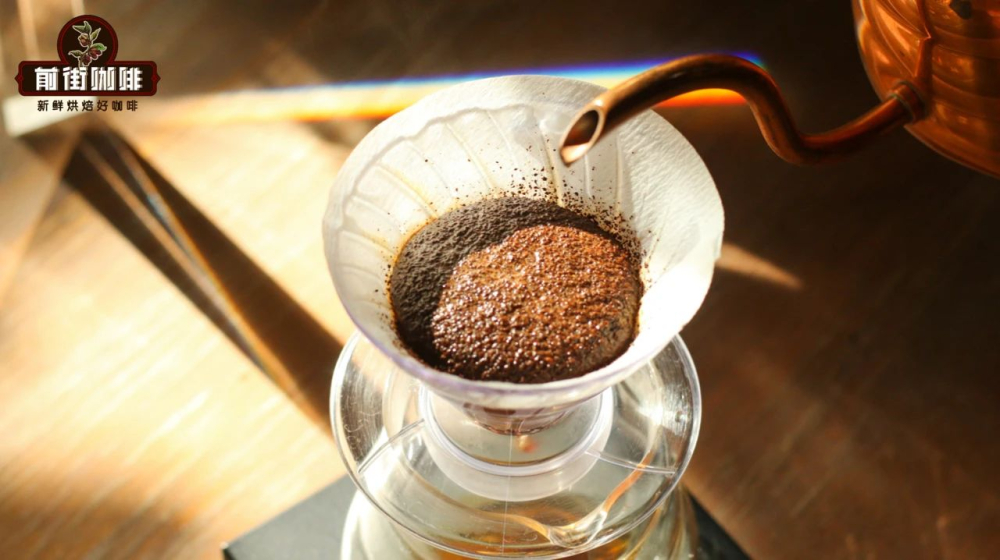
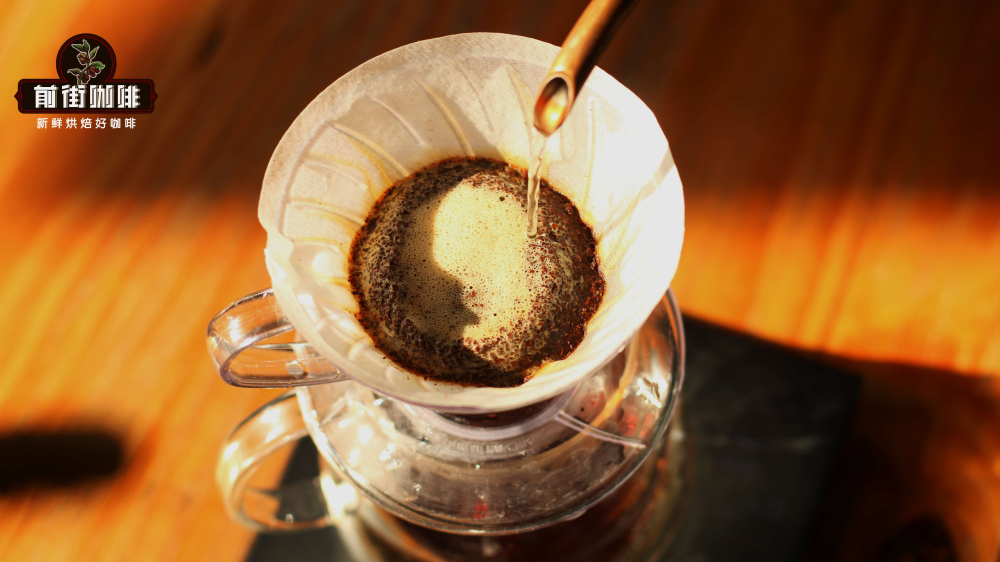
Recommended try: Yellow Bourbon from Fazenda Rainha, located in Mogiana, São Paulo, at an altitude of 1400–1950 meters, processed using the natural method to bring out pronounced sweetness and a black chocolate finish. Suggested brewing: Kono filter, 88°C water temperature, 1:15 coffee-to-water ratio, medium-fine grind, using a pulse pour to achieve a round, rich body.
Brewing recommendation: 30g water bloom for 30 seconds, followed by pulses to reach 225g, total brew time around 2 minutes. Flavor profile: pronounced sweetness, lemon aroma, and a strong nutty character, with a long-lasting black chocolate finish.
2. Colombia: Representative of Balance and Nutty Flavors
Colombia is the world’s third-largest coffee producer, known for its well-balanced profile, bright acidity, and nutty aromas. Located in the Andes Mountains, its varied microclimates create rich flavor differences across producing regions.
Colombian coffee is mostly processed using washed methods, and unlike Brazil, Colombian beans often retain more silver skin, with bean shape also being easily identifiable due to processing methods. Local family farms commonly have their own washing equipment, allowing for precise quality control.
Major producing regions are divided into northern, central, southern, and eastern zones, with southern regions like Huila and Cauca excelling in specialty coffee, offering long harvest seasons and stable quality. Central regions benefit from two harvest seasons, ensuring large and consistent supply.
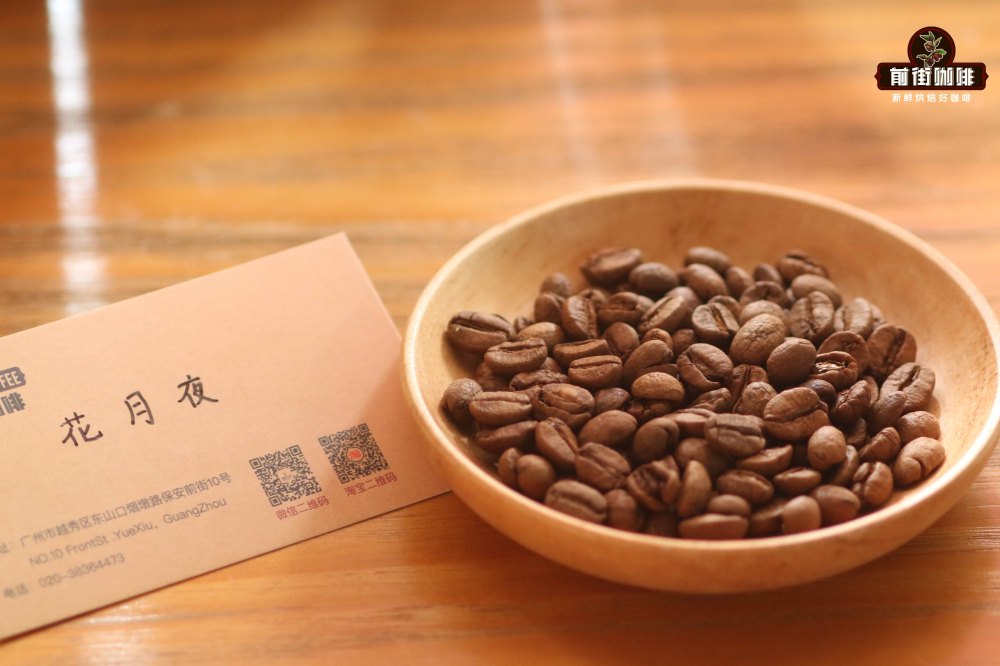
Recommended try: Flower Moon Night coffee from Finca El Diviso in Huila, grown at 1800 meters, processed using anaerobic natural to bring out pronounced floral and berry notes. Suggested brewing: Hario V60, 90°C water temperature, medium-fine grind, using a pulse pour, resulting in a clear, bright profile with a creamy, fermented finish.
3. Panama: Global Leader in Geisha Floral Notes
Panama is world-renowned for its Geisha variety, with its volcanic terrain, high altitude, and meticulous management creating unmistakably distinctive coffee flavors. Geisha is celebrated for its floral notes, bright acidity, and complex layers.
Local processing methods are diverse, commonly featuring washed and natural, as well as notable experiments with anaerobic and winey processes. Boquete is the main producing region, with its high altitude and stable microclimate serving as the cradle of specialty coffee.

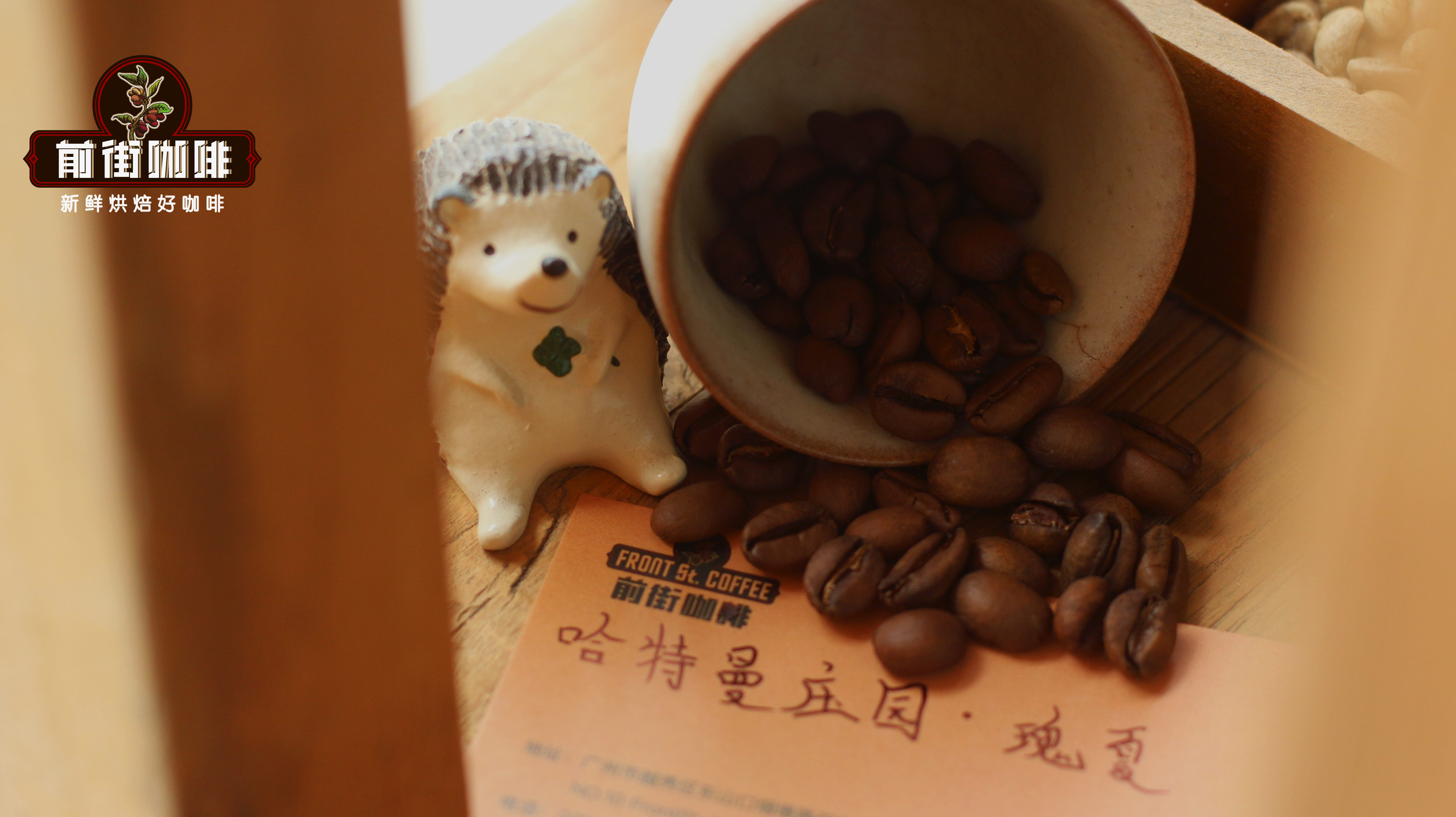
Hartmann Estate’s Catuai variety, processed using the winey method, offers intense sweetness and tropical fruit aftertastes. Suggested brewing: Hario V60, 90°C water temperature, medium-fine grind, pulse pour, resulting in a richly layered profile with balanced acidity and sweetness and a long-lasting finish.
4. Costa Rica: Exemplar of Honey Process and Toffee Flavors
Costa Rica is the earliest Central American country to cultivate coffee, with laws mandating the planting of only Arabica and strict quality management. Its honey processing technique is unparalleled globally, preserving mucilage to enhance sweetness and body.
Tarrazú and the Central Valley are major producing regions, with high altitudes and fertile soils ideal for varieties like Caturra. Raisin honey process is particularly distinctive, delivering exceptional sweetness and aroma.
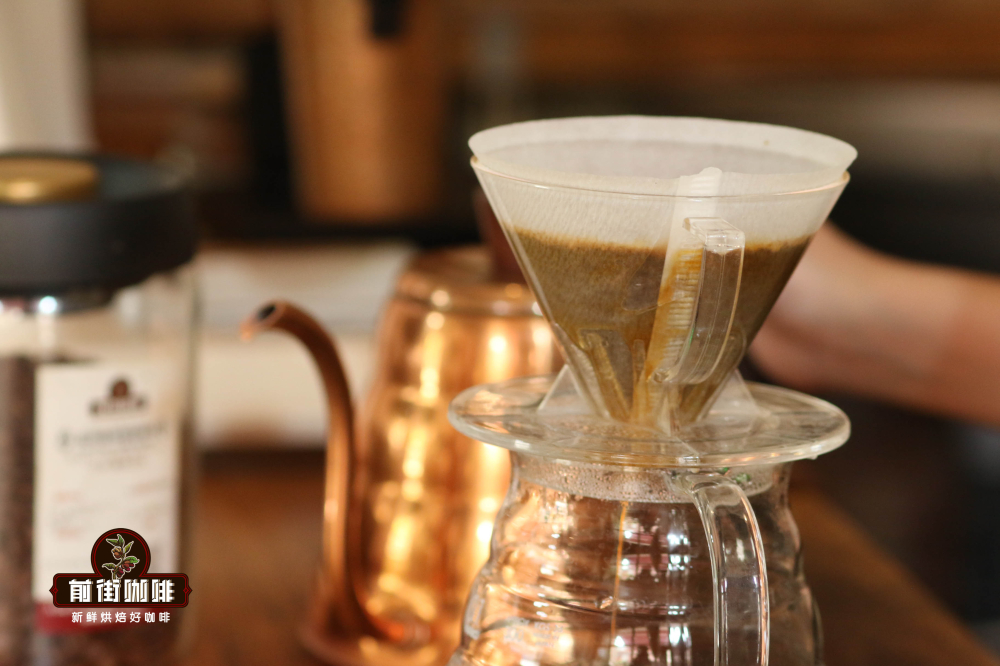
Recommended try: Raisin honey-processed Caturra from Finca Canet in Tarrazú. Suggested brewing: V60, 90°C water temperature, medium-fine grind, pulse pour, yielding flavors of toffee, berries, and caramel aftertaste.
5. Honduras: Rising Star with Sherry Cask Fermentation
Honduran coffee has risen in prominence in recent years thanks to high-quality processing methods, particularly sherry cask-fermented washed processing, which delivers intense sweetness and complex layers.
Major producing regions include Montecillos, Copán, and Agalta, with Marcala’s sherry coffee beans being especially sought-after. Suggested brewing: medium-fine grind, pulse pour, to highlight vanilla, cream, and dark chocolate flavors.

6. Jamaica Blue Mountain: Perfect Balance of Sweet, Acidic, and Bitter
Jamaica Blue Mountain is famed for its exceptionally balanced profile of gentle cleanliness, and harmonious sweet, acidic, and bitter notes, making it a legend in the coffee world. The main producing area is the Blue Mountain region, primarily using washed processing, with some innovative natural experiments.
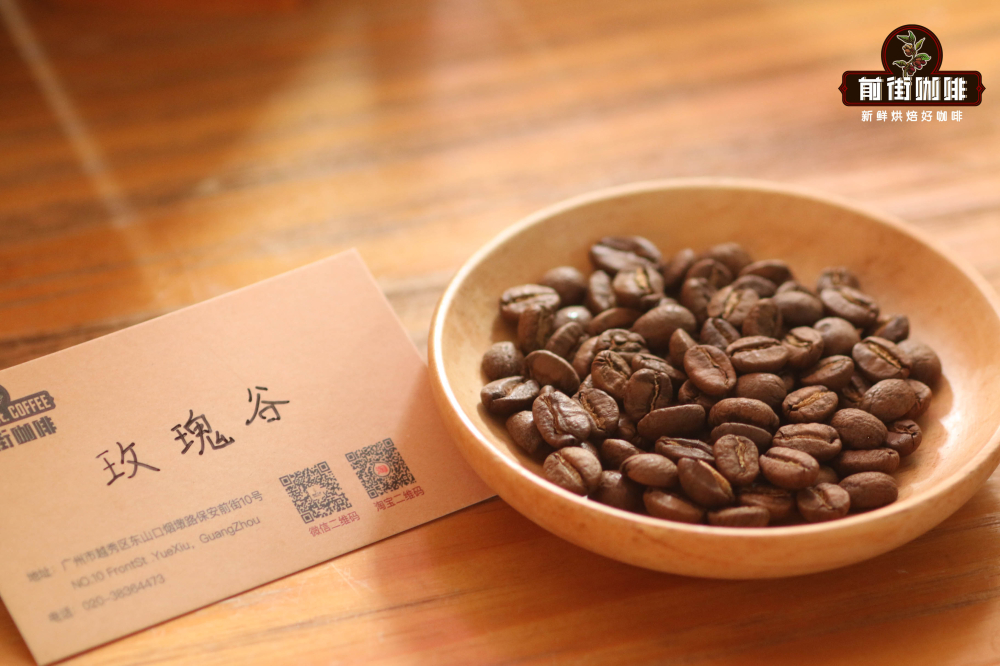
Recommended try: Clifton Mount Estate Blue Mountain No.1. Suggested brewing: Kono filter, 88°C water temperature, medium-fine grind, yielding flavors of rich cream, nuts, and dark chocolate, with an extremely smooth mouthfeel.
7. Guatemala: The King of Fruity Aromas Nurtured by Volcanic Landscapes
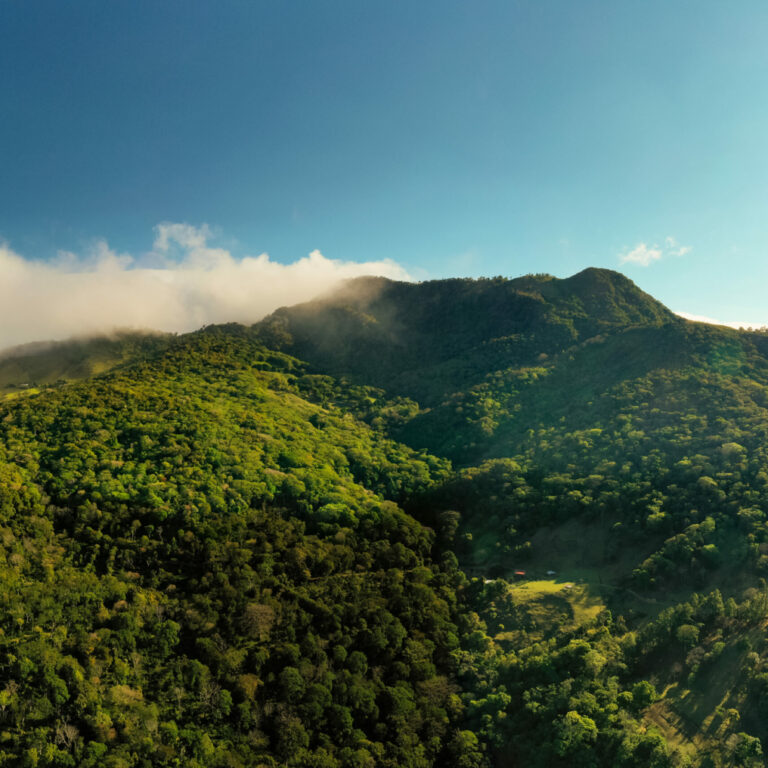
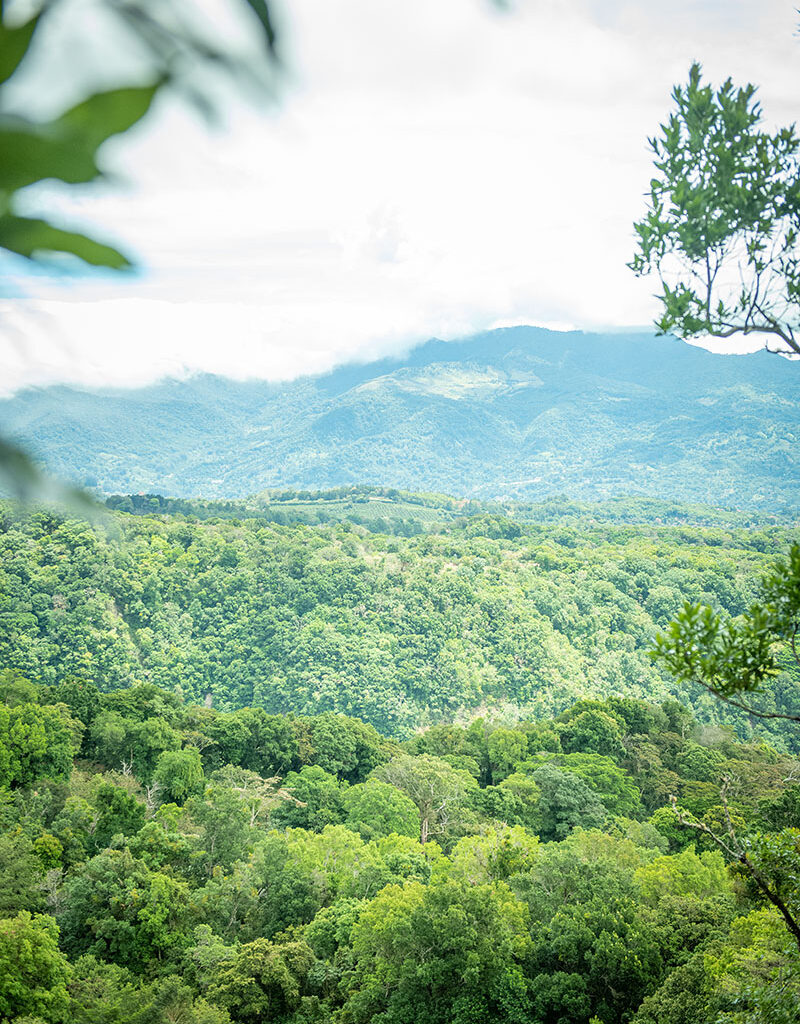
Guatemalan coffee is known for its rich fruity aromas and balanced sweet-acid profile, with eight producing regions each offering unique characteristics, especially Antigua and Huehuetenango, which are the most prestigious. Washed and natural methods are both used, showcasing diverse flavor layers.
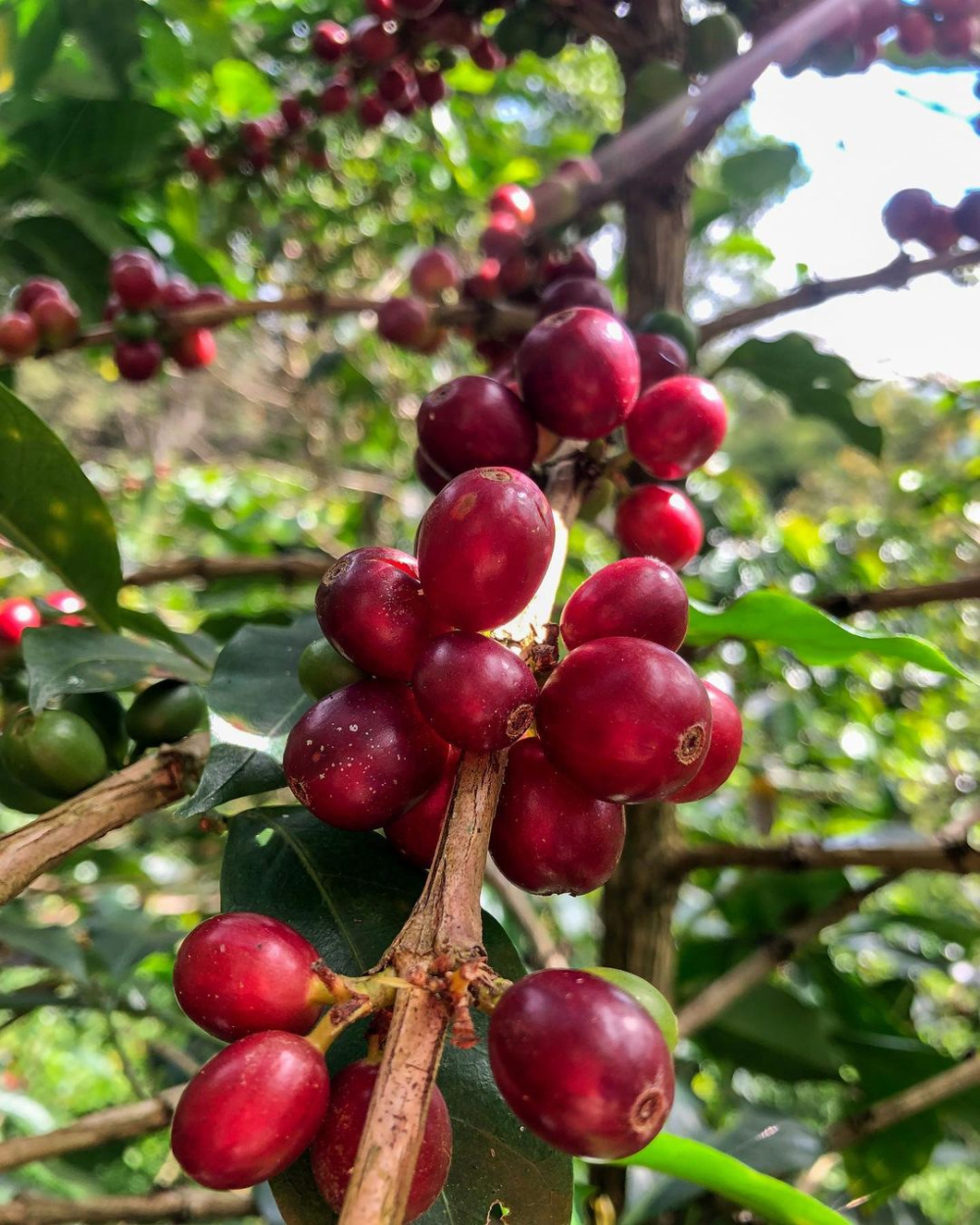
Recommended exploration: Dive into the Antigua or Huehuetenango regions to experience the unique coffee charm brought by volcanic soils and microclimates.
The above content is compiled by CoffeeHunters, a coffee news website.


