







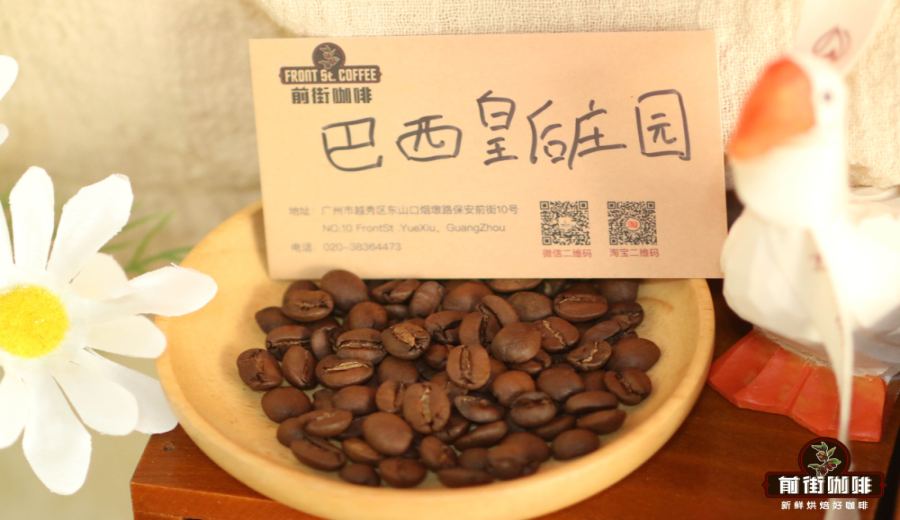
Introduction:Brazil is the world’s largest coffee-producing country, and the Yellow Bourbon coffee beans from Fazenda Rainha (Queen Estate) are among its most representative flavor profiles. These beans, grown at high altitudes in the state of São Paulo, are of the Yellow Bourbon variety and processed using the honey method, delivering a rich array of nutty, creamy, and fermented fruit notes. This article will delve into the variety’s characteristics, growing environment, processing methods, and grading standards, taking you from the source to uncover the flavor secrets of this classic coffee.
As the world’s top coffee-producing nation, Brazil not only leads in output but also nurtures many uniquely styled coffee regions and varieties. Among them, the Yellow Bourbon beans from Fazenda Rainha in São Paulo are celebrated by many coffee enthusiasts as an excellent choice for experiencing the flavors of Brazilian coffee. Processed via honey or natural methods, these beans offer layered flavors of nuts, cream, peanuts, fermented fruits, and cane sugar—rich, full-bodied, and well-defined.
Fazenda Rainha belongs to the historic Carvalho Dias family, which has achieved remarkable success since the first Brazil Cup of Excellence (COE) competition in 1999, frequently ranking at the top and even winning the championship in 2004. The family’s estates, including Fazenda Rainha, have long been dedicated to specialty coffee cultivation, insisting on hand-picking and focusing on the low-yield, high-standard Yellow Bourbon variety. This commitment has resulted in unique-flavored, consistently high-quality beans, making Fazenda Rainha one of the benchmarks of Brazilian specialty coffee.
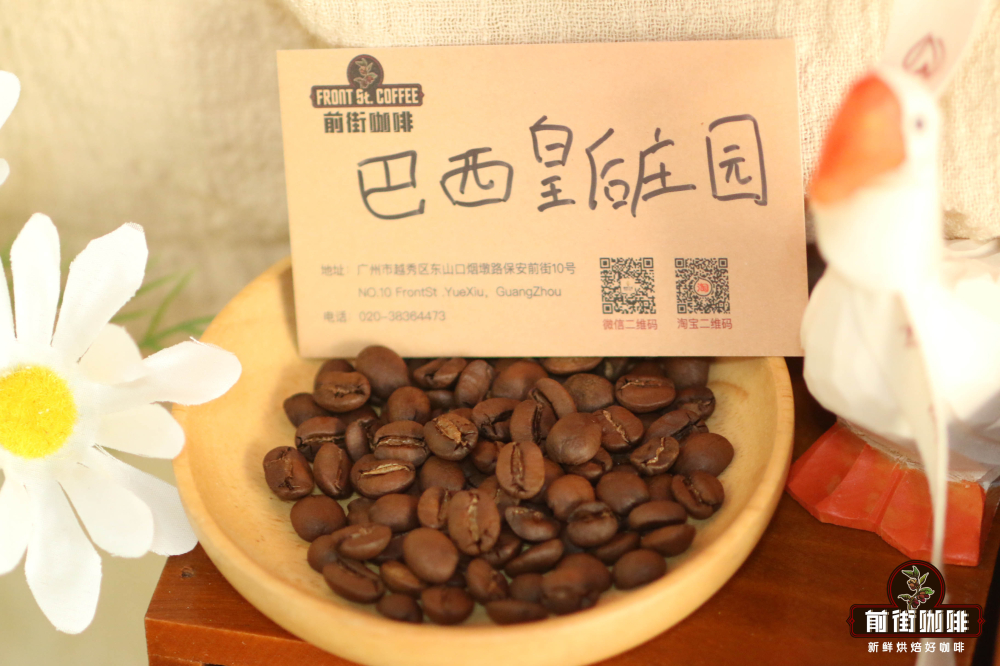
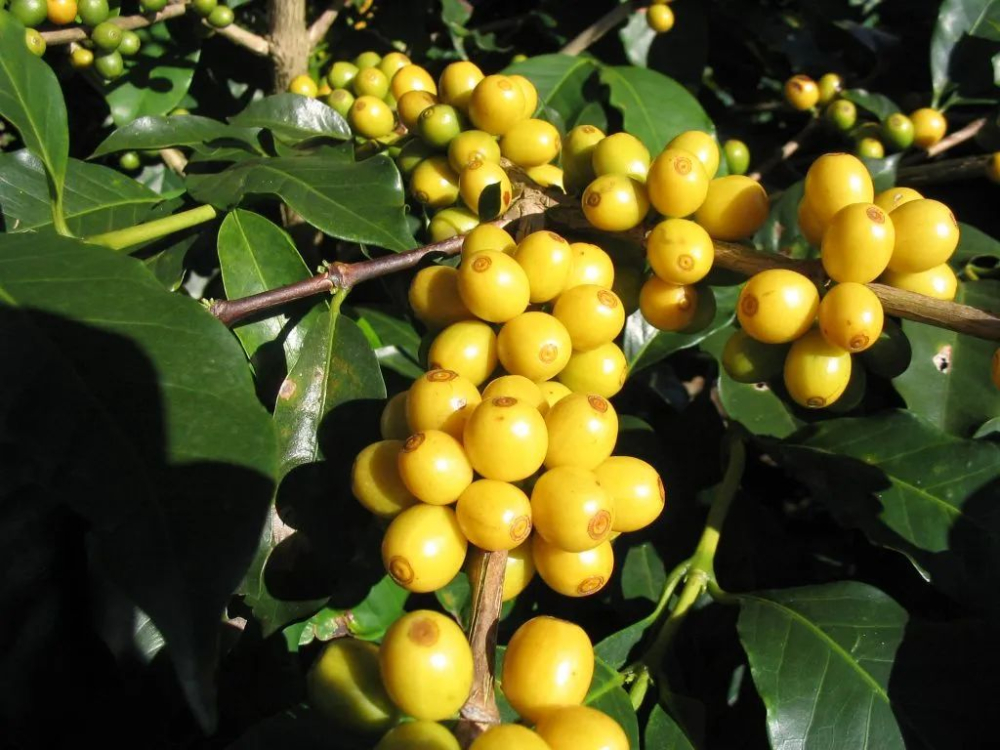
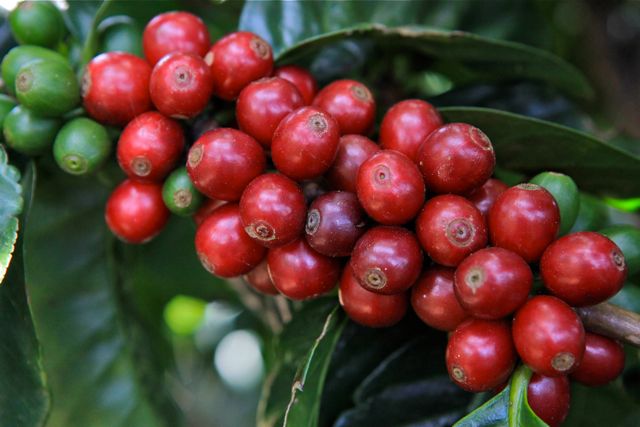
Located in São Paulo State, Brazil, Fazenda Rainha’s种植 altitude ranges between 1400 and 1950 meters. Such elevation allows the coffee cherries a slower maturation process, aiding in the accumulation of flavor compounds. Yellow Bourbon is a natural mutation of the Bourbon variety, distinguished by its beautiful orange-yellow fruit color upon ripening, as opposed to the bright red of Red Bourbon. Growing in high-altitude regions, Yellow Bourbon exhibits superior sweetness-acidity balance and aroma expression, making it an iconic variety in Brazilian specialty coffee.
The Bourbon variety originated on Réunion Island (formerly known as Bourbon Island) and is a natural mutation of Typica, making it one of the oldest surviving coffee varieties. Red Bourbon, the most common type, turns red when ripe and is known for its brighter acidity and rich aromas, while Yellow Bourbon gets its name from its orange-yellow skin. In Brazil, Yellow Bourbon often earns high praise in competitions due to its generally higher planting elevations and more controllable ripeness, making it an unmissable flavor profile for specialty coffee lovers.
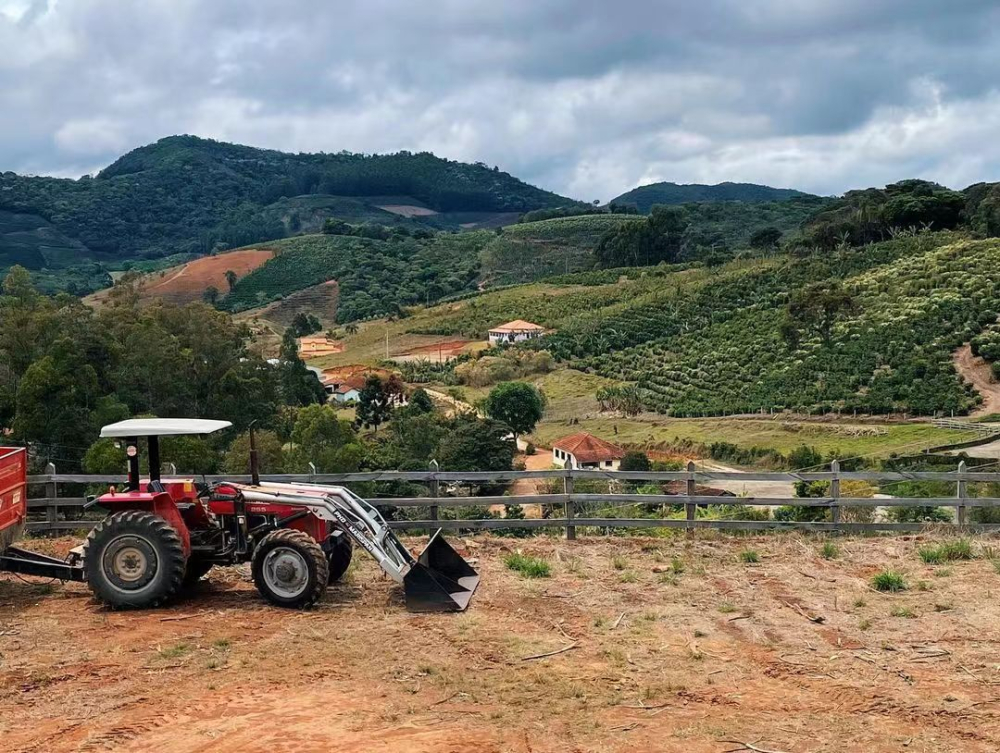
Brazil’s coffee-growing environment is uniquely favorable, spanning both tropical and subtropical climate zones. Most regions lie between the equator and the Tropic of Capricorn, featuring savanna and tropical rainforest climates that are highly suitable for the growth of tropical crops like coffee. Nationwide, 21 states grow coffee, but production is concentrated in four major regions: Paraná, São Paulo, Minas Gerais, and Espírito Santo, which together account for 98% of the country’s total coffee output. São Paulo State, where Fazenda Rainha is located, features a hilly landscape with mixed vegetation. By combining traditional farming methods with modern management techniques, it produces uniquely flavored coffee beans.
In terms of processing methods, common techniques for Brazilian coffee beans include natural (dry), honey (semi-washed or semi-dry), pulped natural, and washed. Among these, the honey method has become one of the dominant processing approaches in Brazil, suited to the region’s water scarcity and dry climate in certain areas. The honey method involves removing the coffee cherry’s skin and pulp while retaining some mucilage, followed by direct sun drying. Compared to the traditional natural process, it allows for better control of fermentation levels and drying time, reducing off-flavors while enhancing clarity and flavor consistency.
The traditional natural process requires the entire fruit—skin, pulp, and all—to be sun-dried for two to three weeks. In rainy or humid weather, this can easily lead to mold or earthy flavors. The honey method shortens the processing cycle and, through precise control of mucilage fermentation, not only reduces risks but also preserves more sweetness and fruity aromas. This processing style allows Fazenda Rainha’s Yellow Bourbon coffee to showcase complex flavors of nuts, caramel, and mild fermented fruit, while maintaining good clarity and body.
Brazil’s coffee grading system differs from other producing regions. Due to its generally lower altitudes, Brazil does not primarily grade coffee by “high-altitude hard beans.” Instead, it uses a comprehensive approach based on bean size, defect rate, cupping score, and flavor profile. Key grading criteria include:
- Flavor Grade: Ranges from highest to lowest as Strictly Soft (very mild), Soft (mild), Softish (slightly mild), Hardish (harsh), Rioy (iodine-like).
- Defect Rate: Measured by the number of defective beans per 300 grams of green coffee. NY.2, with 6 defects per 300g, is a higher grade; NY.1, with no defects, is extremely rare.
- Cup Quality: Categorized as Fine Cup (FC), Good Cup (GC), Fair Cup, etc., with FC and GC being common premium grades.
- Bean Size: Graded by screen size, with 17 and 18 being the highest grades; 19 is larger but rarer.
These grading standards ensure the consistent quality of Brazilian coffee in the international market, enabling specialty farms like Fazenda Rainha to maintain international recognition through excellent cupping results and low defect rates.
For pour over enthusiasts, understanding roast levels and brewing parameters is equally important. Take Fazenda Rainha’s Yellow Bourbon as an example: a medium-dark roast is recommended to fully highlight its nutty and caramel notes. For brewing, the KONO filter cone is suggested, using about 15g of coffee, with water temperature controlled at 90°C and grind size at medium (approximately 70% passing through a #20 sieve). Use a pulse pouring method: start with a 30-second bloom using double the coffee’s weight in water (about 30g), then pour in small circles to reach 125g before pausing. After the water level drops, pour again to reach 225g to complete extraction, with a total brew time of about 2 minutes. These parameters effectively bring out the coffee’s sweetness and full body.
In summary, the Yellow Bourbon coffee beans from Fazenda Rainha are a classic representation of Brazilian specialty coffee flavors. From high-altitude cultivation, unique varietal characteristics, meticulous processing, to rigorous grading systems, every step influences the final cup profile. Whether you’re new to Brazilian coffee or seeking a daily drinker with rich, layered flavors, this coffee is well worth savoring.
The above content is compiled by CoffeeHunters, a coffee news website.


