







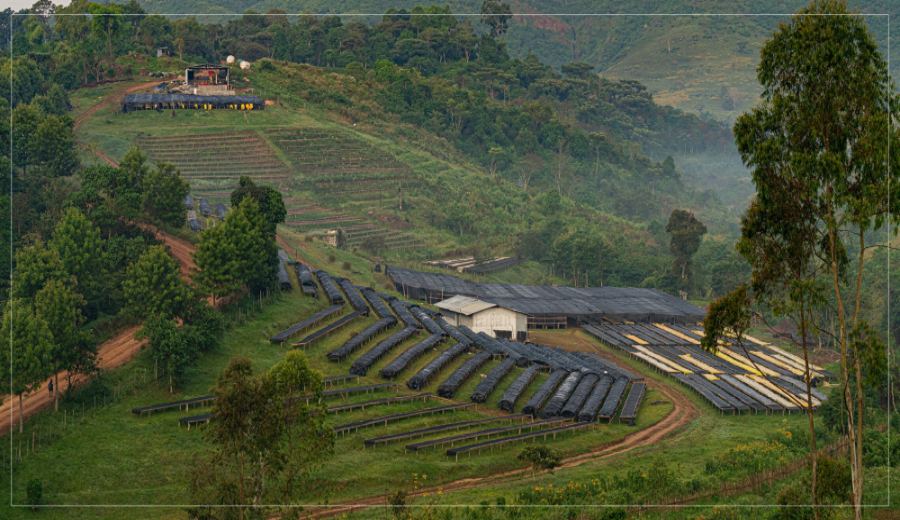
Introduction:Want to dive deep into the top-tier coffees from Ethiopia’s Gesha Village? This article provides a comprehensive breakdown of the characteristics of Gesha Village’s Gold Label, Red Label, Green Label, and Chaka lots—from grading systems, processing methods, and plot differences to detailed brewing recommendations and flavor profiles—to help you grasp the unique charm and optimal extraction methods of these specialty beans.
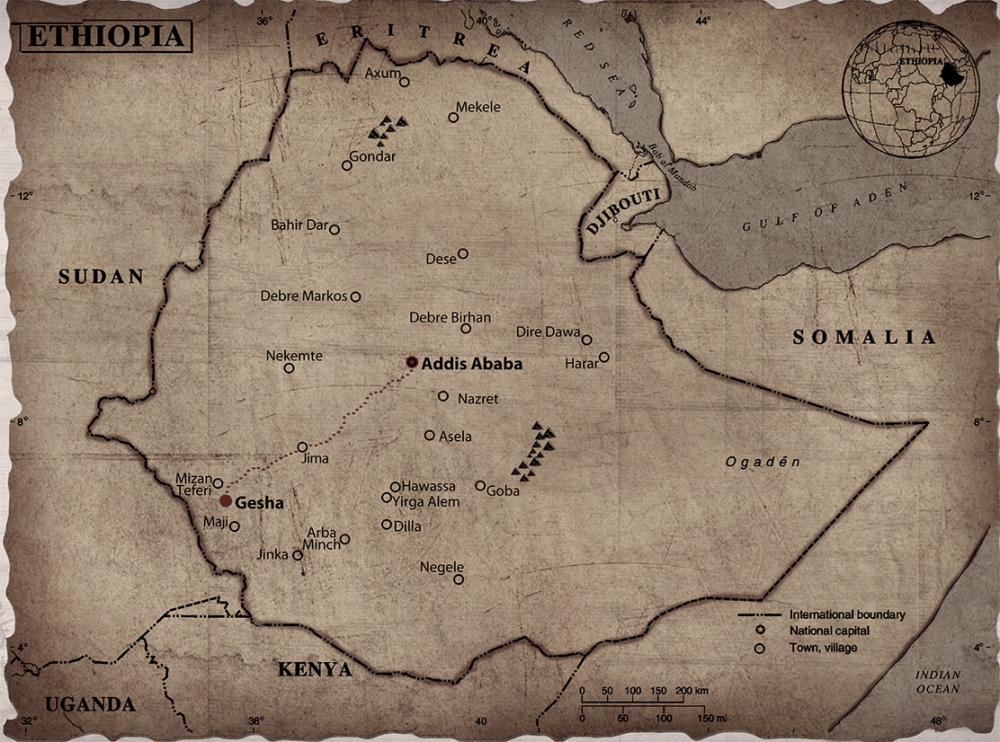
In the world of specialty coffee, the name “Gesha” represents an ultimate flavor experience. While many first think of Panama’s Hacienda La Esmeralda’s Gesha, there is also a village named Gesha in Ethiopia’s Bench Maji region, cultivating a distinct native Gesha variety with unique flavors and a rigorous grading system. This Gesha Village Estate not only boasts an exceptional natural environment, but its coffees also hold a notable place in the global specialty coffee market. This article will delve into the historical background of Gesha Village Estate, the features of its various grade beans, processing details, plot management, and offer practical pour-over recommendations and flavor analysis to give you a full understanding of the mysteries of this legendary estate.
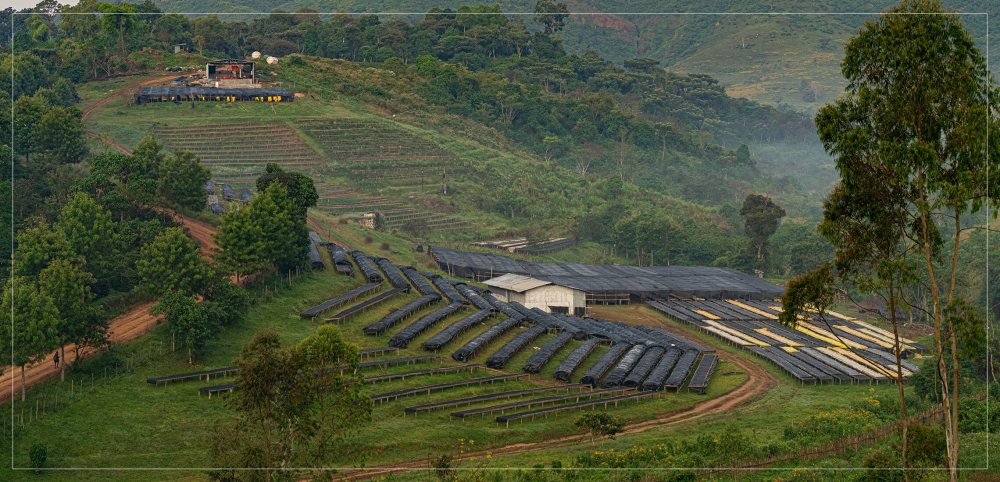
When it comes to Gesha (Geisha), most people instinctively associate it with Panama’s Hacienda La Esmeralda’s top-tier variety known for its floral and citrus notes. Since making its debut at the BOP competition in 2003, Panamanian Gesha has won numerous international awards and become synonymous with specialty coffee. However, at Gesha Village Estate in Ethiopia’s Bench Maji region, although the Gesha variety shares the same name as Panama’s, it is an entirely different native cultivar, showing significant differences in appearance, flavor, and cultivation background. The Gesha variety at Gesha Village originates from wild trees in the local pristine forests, and after years of selection and cultivation, it has become a highly sought-after coffee for specialty enthusiasts.
So, what exactly is Gesha Village Estate? This coffee farm, located in Ethiopia’s western Bench Maji region, originated from an opportunity in 2007 when documentary filmmaker Adam Overton and his photographer wife Rachel Samuel were filming a coffee documentary. Through a local government collaboration project, they discovered the Gera Coffee Forest in the Bench Maji region, rich in coffee genetic resources, which inspired the idea of establishing their own estate. In 2011, with the help of coffee competition judge Willem Boot, they identified the area most likely to nurture native Gesha—the densely forested Gori Gesha Forest—where they found a diversity of wild coffee trees, including the native Gesha variety that would later become the cornerstone of Gesha Village. The estate not only enjoys a uniquely advantageous natural setting, but also is committed to protecting the local ecosystem and supports local education development through the Gesha Village Foundation.
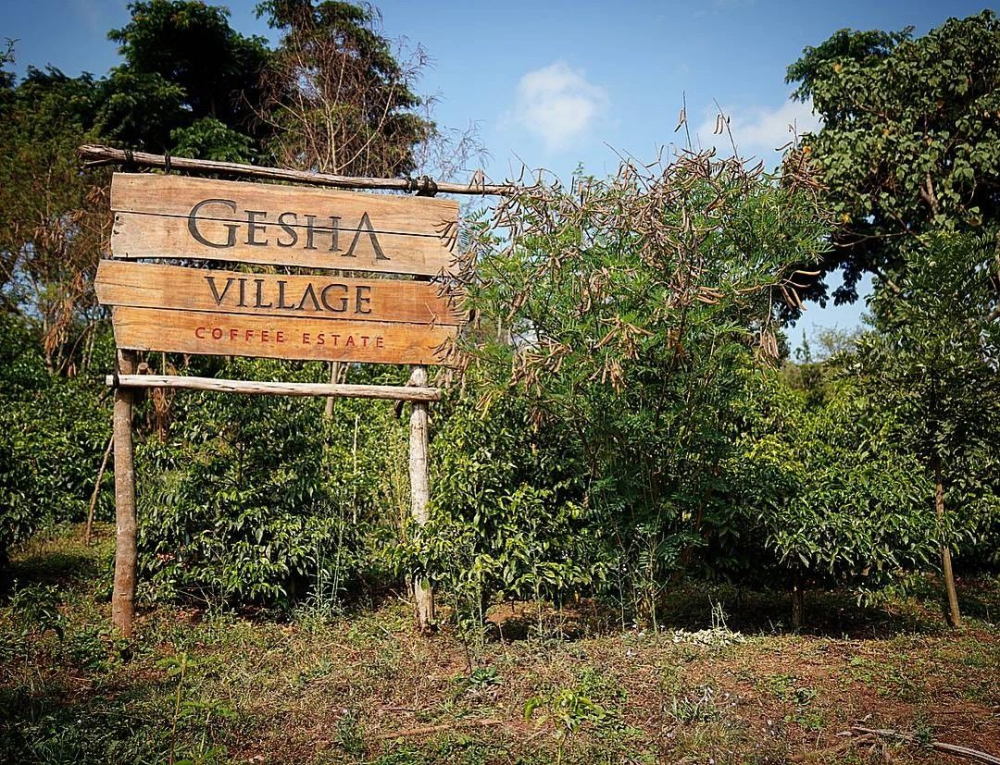
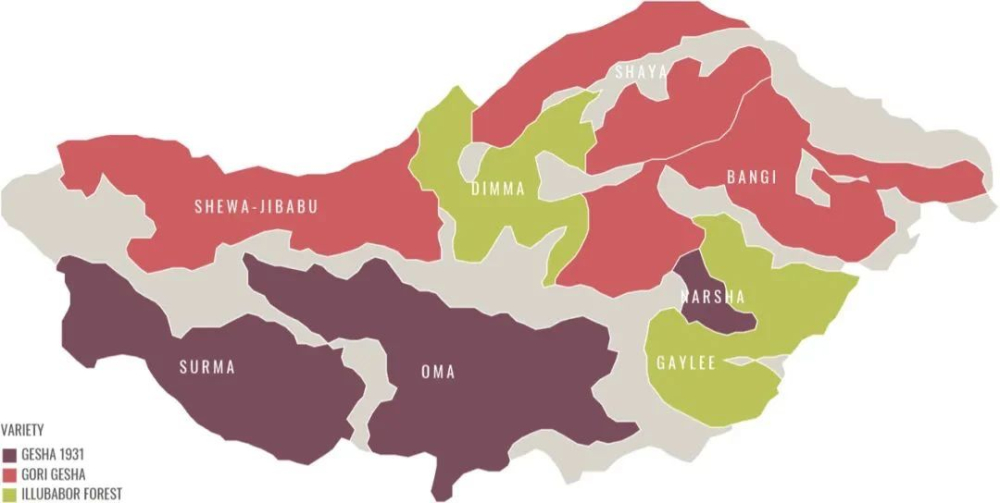
Spanning 471 hectares, Gesha Village Estate dedicates approximately 320 hectares to coffee cultivation. The soil is nutrient-rich reddish-brown loam, with planting density controlled at around 7,000 trees per hectare to ensure healthy tree growth and fruit quality. One of its main plots, “Oma,” is named after a highly respected religious leader, symbolizing respect for local culture. Gesha Village’s coffees are known for their complex and varied flavors, frequently favored by international competition participants. Additionally, the estate actively promotes sustainable practices and maintains strong relationships with surrounding communities, serving as a model of both quality and social responsibility.
Gesha Village Estate employs a rigorous grading system, categorizing its beans into Auction, Gold Label, Red Label, Green Label, and Chaka lots, each with unique selection criteria and flavor characteristics. The Auction lots account for only 3.7% of annual production, representing the highest-grade premium beans, available only through the annual global auction, with cupping scores typically ranging from 88.15 to 92.67. The Gold Label lots make up about 10%, and while not part of the auction, they remain highly competitive high-end beans with complex and highly distinctive flavors, often preferred by competitions and premium roasters. The Red Label accounts for around 15%, with cupping scores above 88, offering excellent value for money, suitable for everyday enjoyment while still delivering the unique flavors of Gesha Village. The Green Label focuses on specific single plots and varieties, providing full traceability of origin and processing. The Chaka lots blend beans from various plots and multiple varieties across the estate, presented through both natural and washed processing methods to showcase diverse flavors.

In terms of processing methods, Gesha Village’s high-end lots such as Gold Label, Red Label, and Chaka all use natural (sun-dried) processing, employing African raised beds and drying tables for extended drying periods, with repeated sorting to remove defective beans. The overall drying time is approximately 18 to 30 days to fully develop intense fruity aromas and sweetness. Furthermore, Gesha Village conducts in-depth research on the microclimatic differences of each plot, selecting the most suitable varieties for different plots based on altitude, soil, and shade conditions to ensure that each block’s coffee can express its unique terroir.
Regarding brewing recommendations and flavor profiles for each grade, the Gold Label lots are commonly lightly to medium roasted to highlight their bright floral, citrus, and berry notes. It is recommended to use a V60 with 91°C water, a 1:15 coffee-to-water ratio, and precise grinding along with pulsed pouring to bring out its juicy, full-bodied mouthfeel. The Red Label, processed naturally, delivers a smooth balance of creaminess, chocolate, and citrus, suitable for a fine-medium grind and the same water temperature, effortlessly showcasing its rich and layered characteristics. The Chaka lots, due to the blend of multiple varieties and processing methods, offer even more diverse flavors, ranging from citrus and grapefruit to caramel and creaminess, ideal for coffee lovers who enjoy a complex, blended experience.
If you’re curious about the origins of the Auction lots, starting in 2018, Gesha Village completely reformed its auction system to ensure that each Auction lot is independent and rigorously selected. The process spans three months, involving multiple rounds of cupping and screen size sorting, ultimately choosing 31 top-tier lots from 117 batches. Further manual selection is carried out based on bean size, flavor performance, and origin characteristics to ensure the highest quality. These Auction lots not only have outstanding cupping scores, but also represent the pinnacle of Gesha Village’s achievements in variety preservation and processing techniques.
In summary, Gesha Village Estate is not just another region producing the Gesha variety, but a model of specialty coffee that combines native variety conservation, strict quality control, plot management, and sustainable practices. From the vibrant fruitiness of Gold Label, the rich balance of Red Label, to the diverse fusion of Chaka, each grade has its own irreplaceable flavor charm. If you want to deeply explore the true essence of Ethiopian Gesha, the various grades of beans from Gesha Village Estate are absolutely worth your careful tasting.
The above content is compiled by CoffeeHunters, a coffee news website.


