








Introduction:Dive deep into the Diamond Mountain series from Panama’s Finca Eldorado, exploring everything from its cultivation background, varietal characteristics, terroir, to its meticulous natural processing and expert roast profiles — a comprehensive breakdown of this premium coffee primarily composed of Caturra and Catuaí. We also provide practical pour over parameters and flavor notes to help you better understand and enjoy this high-altitude coffee with bright flavors.
While Panama’s Finca Eldorado is globally renowned for its Geisha, beyond this star variety, the farm also cultivates two classic Arabica varieties: Caturra and Catuaí. One of them forms the foundation of the “Diamond Mountain” brand. This coffee not only inherits the advantages of high altitude in the Boquete region but also showcases a distinctive flavor profile through refined processing and rigorous grading.
The History of Finca Eldorado and the Origins of Geisha
The history of Finca Eldorado dates back to 1964, when it was established by American banker Rudolph Peterson, who purchased land in the Boquete region of Panama for dairy farming. It wasn’t until 1987 that his son, Price, abandoned his medical career to take over the farm. He introduced Caturra and Catuaí varieties and built a washed processing facility in 1994, officially embarking on the journey of specialty coffee.
The discovery of Geisha can be described as a pleasant surprise born out of chance. Originally, this variety was considered low-yield and economically unviable, used merely as windbreaks. However, during a routine cupping session, workers accidentally mixed Geisha cherries with other coffee during harvesting, only to unexpectedly discover its unique flavors and pronounced citrus aromas — forever changing the farm’s destiny. In 2004, Geisha first participated in the Best of Panama (BOP) competition and instantly gained fame, establishing Finca Eldorado’s leading position in the specialty coffee industry.
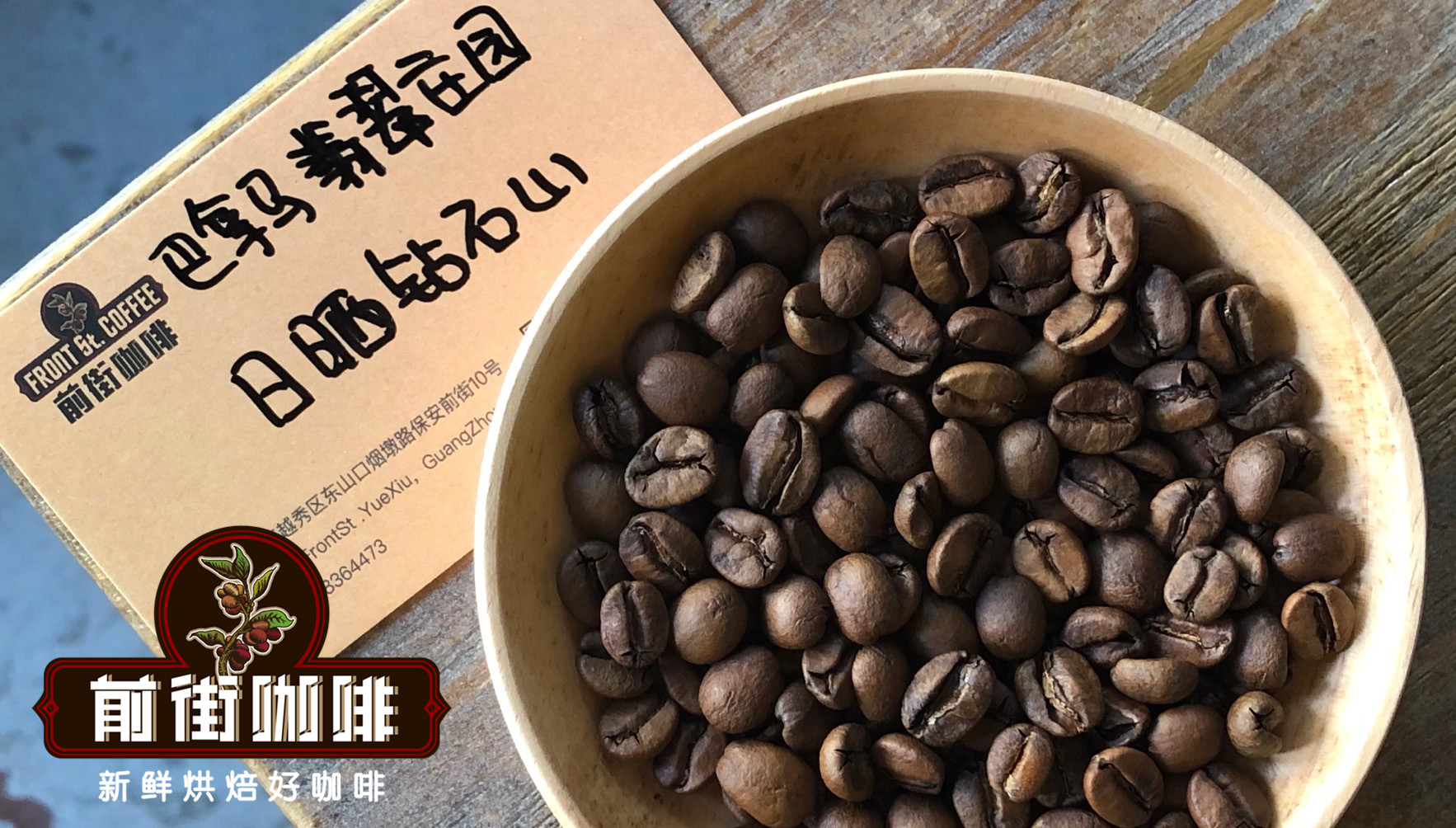
Caturra and Catuaí: High-Altitude Varieties with Strong Adaptability
The Diamond Mountain series selects Caturra and Catuaí, two varieties that are staples in Latin American coffee cultivation, known for their excellent disease resistance and adaptability. Caturra is a natural mutation of Bourbon, originating in Brazil in 1937. It offers relatively high yields and disease resistance, thriving at altitudes between 700 and 1700 meters — with higher altitudes generally producing richer flavors.
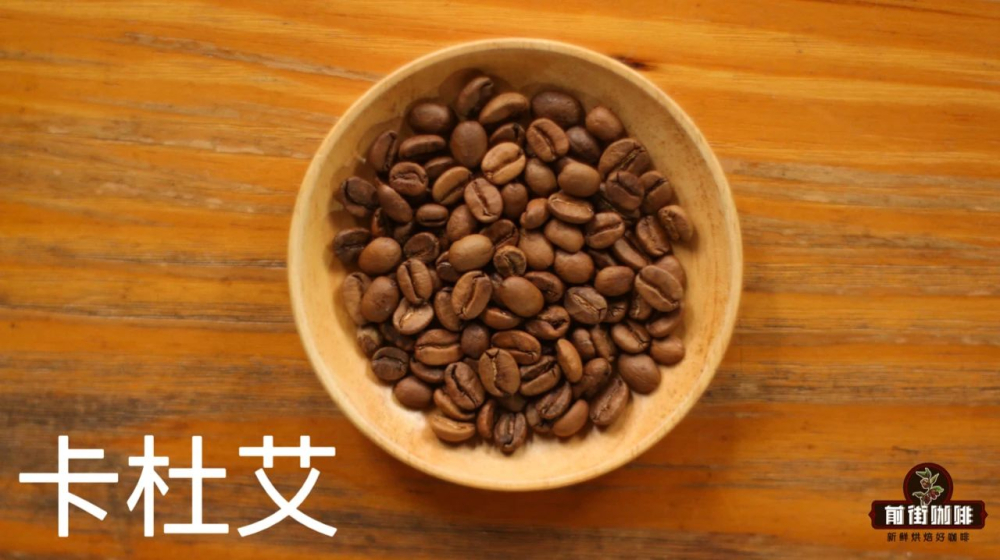
Catuaí, on the other hand, is a hybrid created in 1949 from Yellow Caturra and Mundo Novo (a Robusta lineage), with the original designation H-2077. This variety exhibits good wind and rain resistance, has a shorter plant height for easier management, but is more susceptible to leaf rust. Catuaí beans are flatter with elongated tips, differing from Caturra’s rounder and slimmer shape. The two also present distinct cup characteristics.
The Boquete Region: A Gift of Volcanoes and Microclimates
The Boquete region, where Finca Eldorado is located, is one of Panama’s most famous coffee-growing areas. Situated in Chiriquí Province near the Barú Volcano, it lies at elevations between 1400 and 1900 meters. The region boasts fertile volcanic soils, and Panama’s unique terrain and airflow create diverse microclimates with significant diurnal temperature variations and moderate rainfall — making it an ideal environment for growing specialty coffee.
In addition to Finca Eldorado, Boquete is also home to other renowned farms such as Elida Estate and Café Duncan, collectively forming a key hub for Panama’s specialty coffee production.
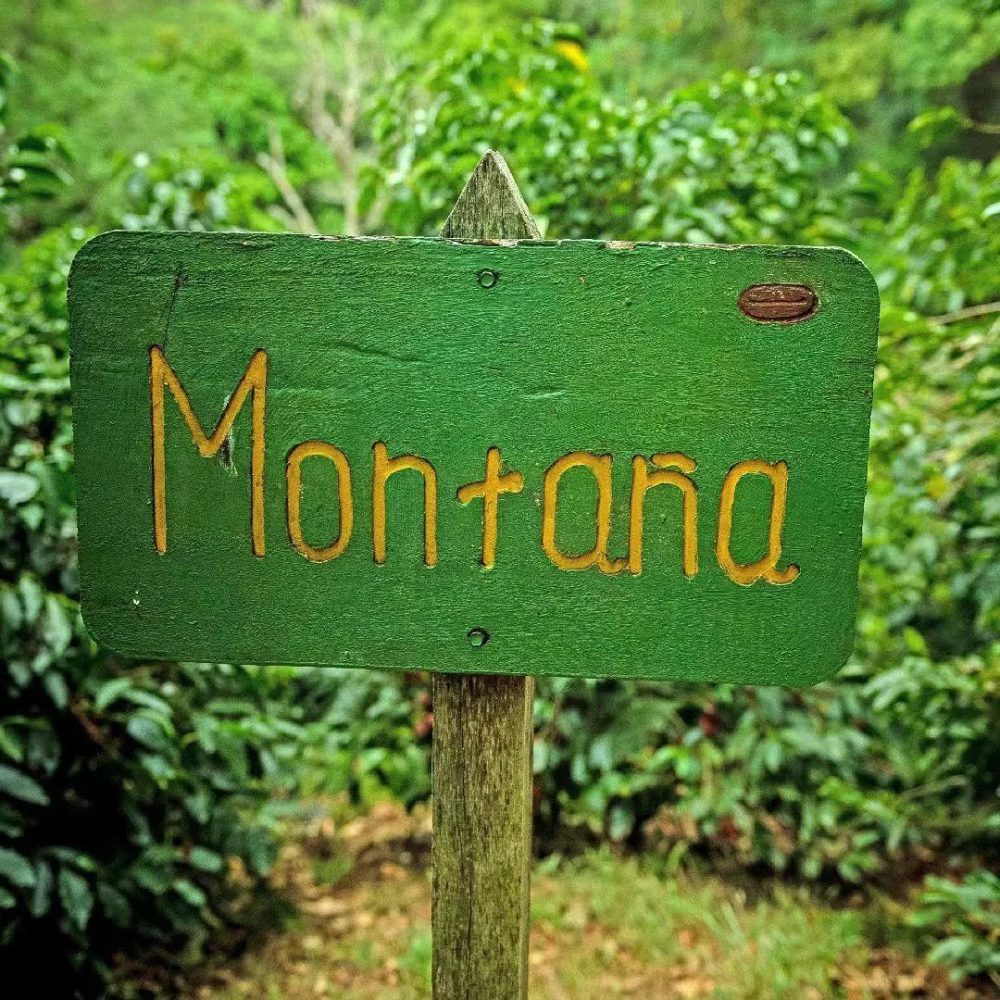
Meticulous Plot Division: Jaramillo, Canas Verdes, and La Máscara
Based on elevation, microclimate, and soil conditions, Finca Eldorado divides its cultivation area into three main plots: Jaramillo, Canas Verdes, and La Máscara. The Diamond Mountain series coffee comes from Canas Verdes and Jaramillo, situated between 1400 and 1700 meters, both offering excellent drainage and sunlight exposure.
The Jaramillo plot averages between 1600 and 1700 meters in altitude, featuring a cool climate with notable diurnal temperature shifts. It is subdivided into five smaller sections including Mario, Ferris Wheel, and Queen. Canas Verdes sits at slightly higher altitudes, ranging from 1600 to 1800 meters, and includes nine subsections such as Yarn, Coronation, and Founder — serving as a major source of Diamond Mountain coffee. Additionally, the newly acquired La Máscara plot reaches even higher elevations of 1700 to 1900 meters. In addition to planting Geisha and Catuaí, it also experiments with rare varieties like Laurina and Pacamara.
Diamond Mountain Coffee: Natural Processing and Rainforest Alliance Certification
The Diamond Mountain series coffee is processed using the natural method, sourced from the Canas Verdes and Jaramillo plots, and holdsRainforest Alliance certification, signifying its compliance with international standards in sustainable agriculture and environmental protection. This processing method fully retains the sugars and aromatic compounds in the coffee pulp, resulting in a coffee with richer sweetness and fermentation complexity.
During processing, harvested coffee cherries are first spread on concrete patios for initial drying, lasting about 3 to 5 days with approximately 8 hours per day. They are then transferred to a Guardiola dryer for 72 hours of rotary drying to ensure stable moisture content. Finally, the pulp and skin are mechanically removed, leaving intact coffee beans.
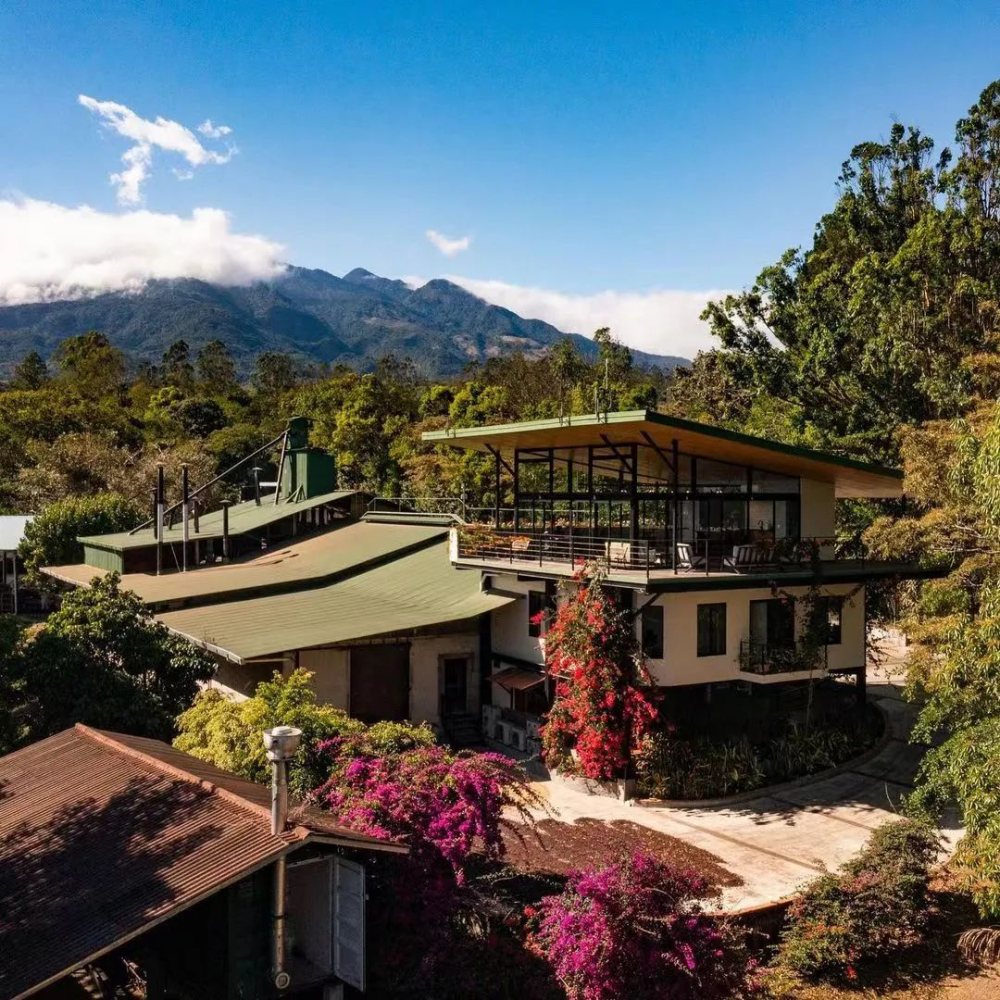
Roasting and Cupping: How to Achieve Optimal Flavor
The green beans of this Diamond Mountain natural coffee have a slightly yellow appearance with more silver skin. Caturra beans are slightly curved and slender, while Catuaí beans are flatter with pointed tips. This coffee is roasted using the Yangjia 800N semi-direct-fire roaster, with a medium roast as the base, emphasizing flavor balance and sweet taste expression. The roast curve is designed to emphasize the finesse of the first crack development phase, allowing fruity and caramel aromas to fully develop.
Cupping results show that this coffee exhibits distinct citrus, honey, and cocoa aromas, accompanied by mild fermented wine notes. Its acidity is bright yet non-aggressive, with a smooth mouthfeel and long-lasting aftertaste, making it ideal for coffee lovers who enjoy a balance of fruity and sweet profiles.
Pour Over Recommendations: Extraction Parameters and Practical Tips
To fully experience the flavors of Diamond Mountain coffee, it is recommended to use a V60 dripper, with water temperature controlled at90-91°C, a brew ratio of1:15, and a grind size at medium-fine (approximately 80% passing through a Chinese No. 20 sieve). Use a three-stage pouring method: start with a 30-second bloom using 30 grams of water, then pour in small streams up to 125 grams for the first pour, and finally add water up to 225 grams as the coffee bed begins to show. Total extraction time is about2 minutes, clearly highlighting layers of citrus, nuts, honey, and subtle fermentation notes.
In summary, the Panama Finca Eldorado Diamond Mountain coffee beans not only benefit from high-altitude growing and refined processing but also showcase the unique charm of Caturra and Catuaí varieties through scientific plot management and strict quality control. Whether as a daily brew or for in-depth tasting, it is a specialty coffee well worth trying.
The above content is compiled by CoffeeHunters, a coffee news website.


