







Introduction:Freshly roasted coffee beans actually can't be brewed right away—they need a "resting period," or degassing phase, to allow internal carbon dioxide to escape so their full flavor can emerge. The required resting time varies greatly depending on the roast level, and poor resting can result in a flat or over-extracted cup. Additionally, how you store the beans after opening also greatly affects their freshness and flavor. This article will take an in-depth look at every critical stage of coffee bean care, from resting to storage, and provide usage tips for filter coffee bags to help you enjoy the best-flavored cup possible.
Many coffee enthusiasts, when first trying pour over or other brewing methods, often encounter one problem: why does the coffee brewed from newly bought beans taste either overly sour or bland? In fact, this is likely related to the "resting period." Resting refers to the time freshly roasted coffee beans need before brewing, allowing built-up internal carbon dioxide to dissipate and reach optimal flavor.
Generally, after roasting, a large amount of carbon dioxide forms inside the beans and is gradually released over the next few days. Brewing without proper degassing can block hot water from evenly contacting the coffee grounds, leading to uneven extraction—either over-extracted bitterness or under-extracted sourness. Therefore, understanding the resting needs of beans at different roast levels is the first step to enjoying a great cup.
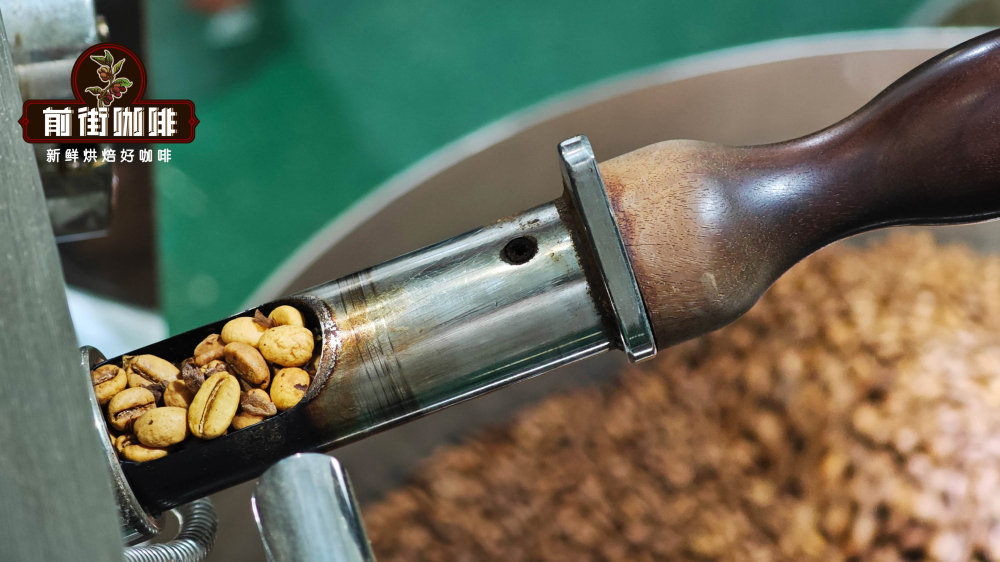
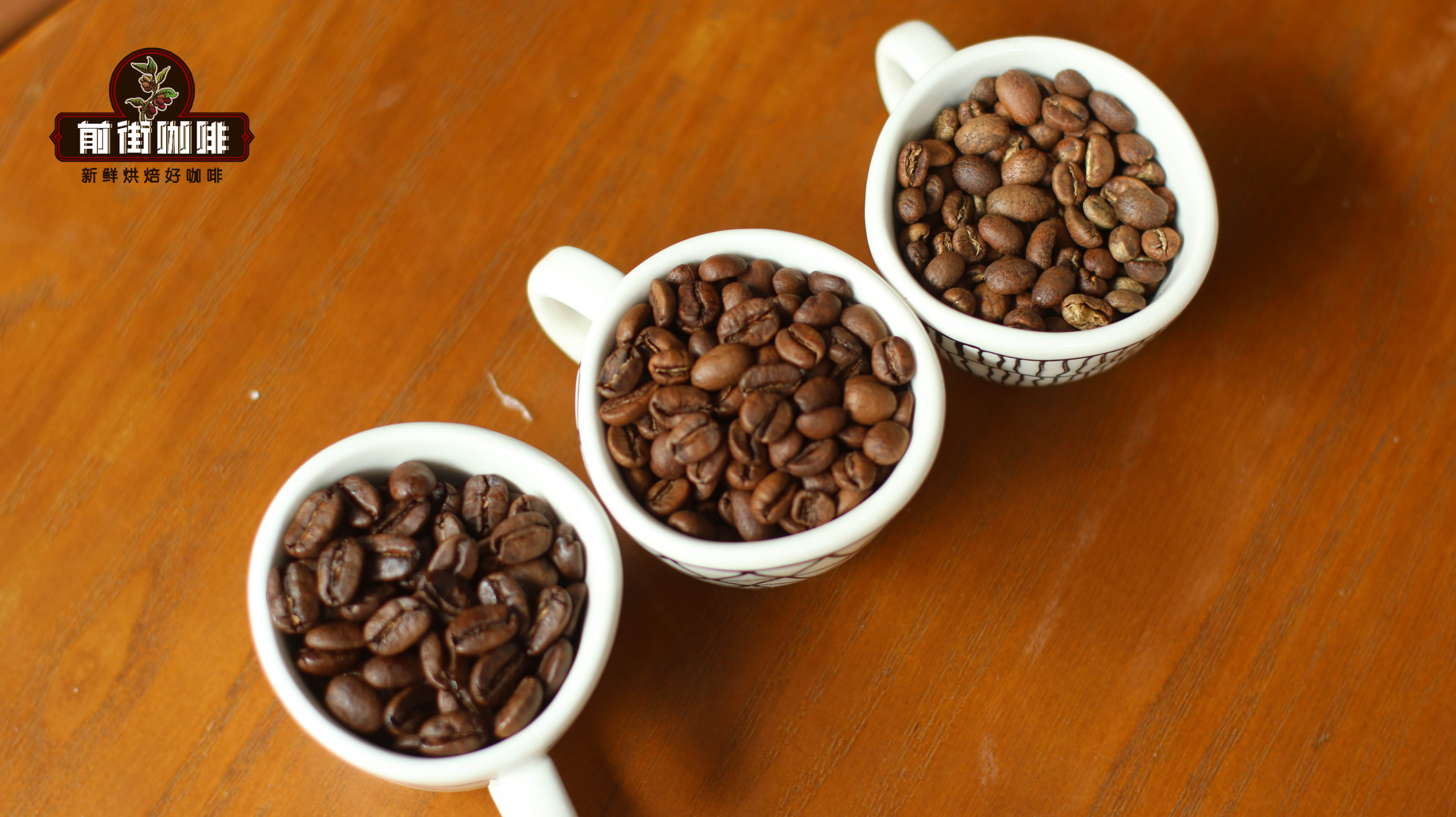
Typically, dark roast beans, due to their higher roast level, release gas more quickly and may only need a resting period of 1–3 days; medium roast beans are recommended to rest for 3–5 days; and light roast beans, due to slower degassing, often require 5–7 days or even longerto fully develop their flavors. Therefore, when buying coffee beans, besides checking the expiration date, it's even more important to pay attention to the roast date and ask the seller about the recommended resting time.
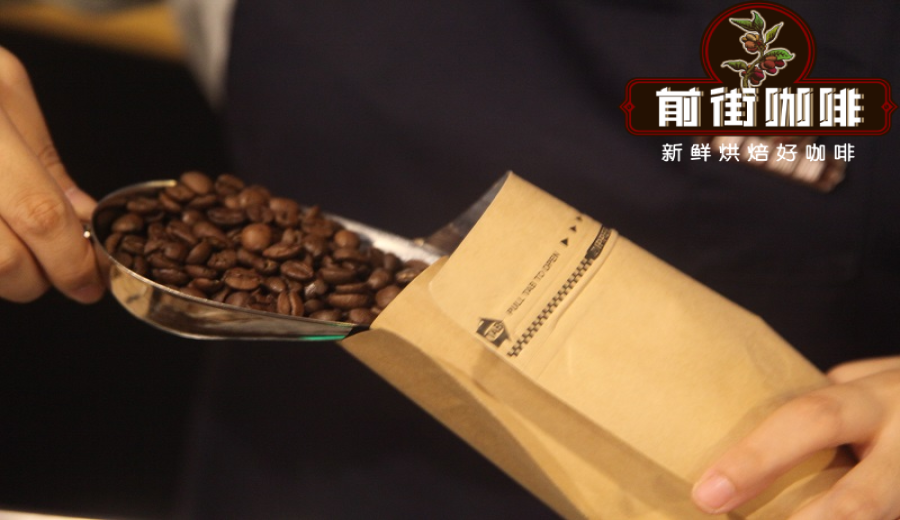
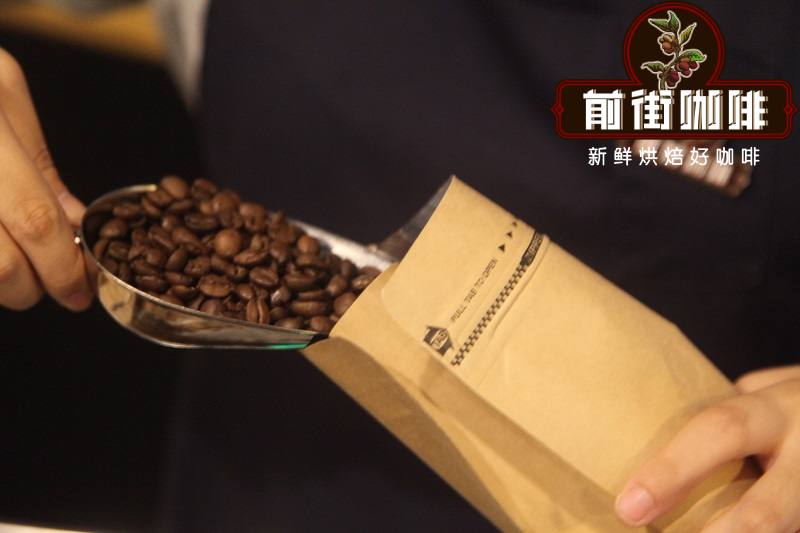
The method of resting isn't actually complicated—you just need to store unopened coffee beans in acool, dry, dark, and odor-freeplace. Some coffee bags come with a one-way degassing valve that allows carbon dioxide to escape naturally while preventing oxygen from entering. Once the resting period is over, if you don’t plan to finish the beans immediately, you can cover the valve with transparent tape to reduce oxygen exposure.
Storing coffee beans after opening is equally crucial. Many people have the habit of putting beans in the fridge, but this is actually a common misconception. Coffee beans are highly absorbent, and moisture and food odors in the fridge can easily seep into the bag, accelerating flavor loss. The correct approach is to use asealed containerand store it in a cool, ventilated, and dark place. If you don’t have a professional airtight container, you can continue using the original packaging—as long as the one-way valve is functioning properly and the bag opening is tightly sealed.
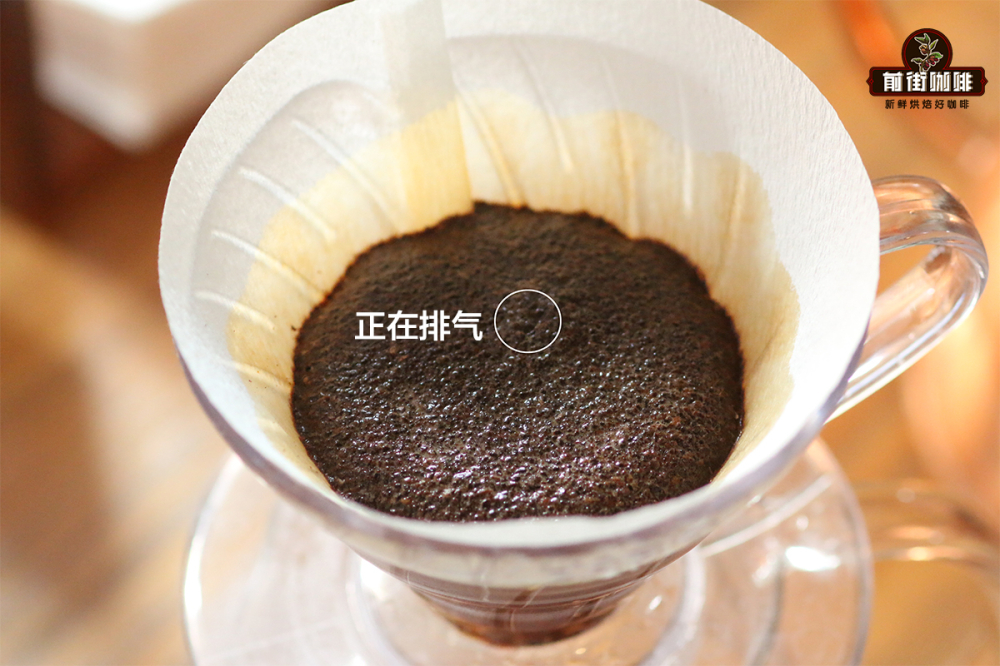
If you really can’t wait for the resting period and want to try the newly arrived beans right away, there are two temporary solutions you can try. The first is to let the ground coffee sit for 2–3 minutesafter grinding, allowing some of the carbon dioxide to release. Although this might cause a slight loss of delicate aromas, it helps reduce channeling issues during brewing. Another method is to extend thebloom timefrom the usual 30 seconds to around 45 seconds, letting more carbon dioxide escape before the actual pour, which helps ensure smoother extraction later.
However, for already ground filter coffee bags, the situation is quite different. Because the increased surface area of ground coffee leads to much faster flavor loss compared to whole beans, it’s generally recommended to consume filter coffee within 7 daysafter opening to enjoy the best flavor.
When brewing filter coffee, if you notice that the coffee grounds don’t puff up into a “hamburger shape” during the bloom phase like they usually do but instead lie flat, it’s usually a sign that the coffee is not fresh—the carbon dioxide has largely dissipated. Also, filter coffee is generally recommended for only one brew, as multiple infusions not only make the coffee bitter but may also result in complete flavor loss due to over-extraction. Each packet typically contains 10 grams of coffee, designed for single use—don’t try to brew it multiple times just to save.
In summary, from resting to storage to brewing, every stage affects the final flavor of your coffee. Mastering the appropriate resting time, proper storage methods, and understanding the limitations of filter coffee use will allow you to easily enjoy café-quality coffee at home.
The above content is compiled by CoffeeHunters, a coffee news website.


